
“The House of the Spirits” by Isabel Allende
A Reading Experience (Pt.35)

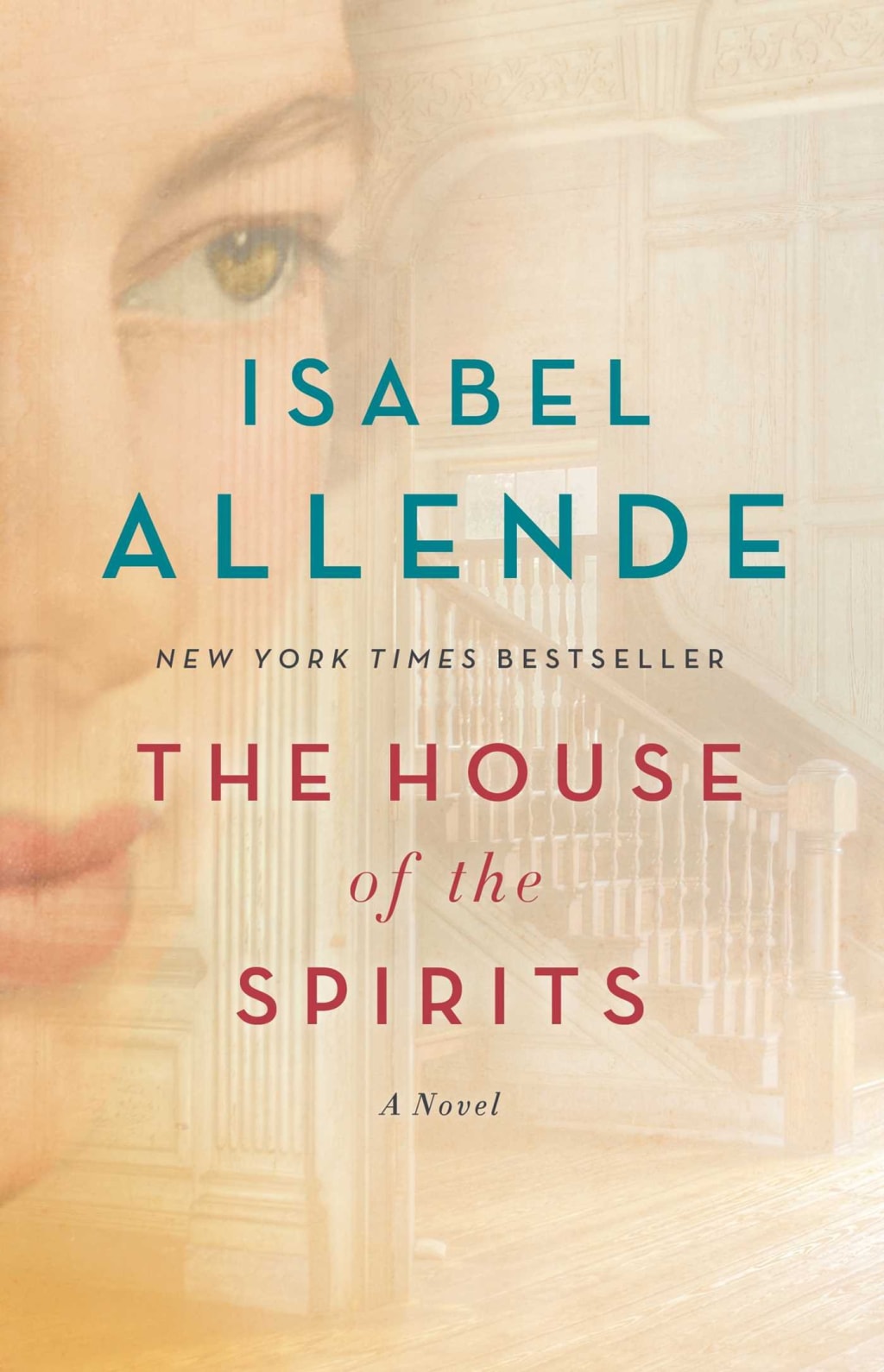
I first read this book whilst I was in university, I was about 20 years’ old and it was the first semester of the new year. I spent a lot of time reading this book and so, I got it completed in just under two days. The reading experience of it was absolutely brilliant and so very immersive. For the next year and half I could not stop talking about it. I kept recommending it to everyone and everyone I knew who had read it, loved it so very much. I was completely enamoured with the characters, the atmosphere and the whole rich cultural history of the book. I read it more than once obviously because this book changed my perception of the entire aspect of Latin American Fiction altogether. It was one of those books which allowed my scope to expand ten-fold and after that, I proceeded to read everything by Isabel Allende. But nothing was quite as an experience as “The House of the Spirits”.
My favourite character in this book was probably the patriarch, Esteban. I know what you’re going to say - he’s a horrid human being most of the time, but he allows for the book to expand beyond him and in this family saga, it couldn’t really get rolling if he hadn’t married the other sister. After Rosa dies, it’s clear that Esteban needs children to continue his lineage and when he remarries, there is a certainty that makes his arrogance come back, an arrogance that was only there in the few moments when Rosa was actually alive in the novel. It is this that convinces the other characters down the line that they don’t want to be like him in personality and allows for everyone else to develop very clear and opposing personalities and character. Esteban’s biggest fault is also his greatest attribute - his arrogance and his perseverance. It’s all about how he tends to push people around without brute force, but with his aspect. He represents the way in which the old regime worked in Latin America, before the revolutions began to break out. With his arrogance, his confidence and the way in which he perceives himself as a self-made man, he represents the loneliness of the pre-revolutionary days and the days before the socialism and togetherness of the new and future years.
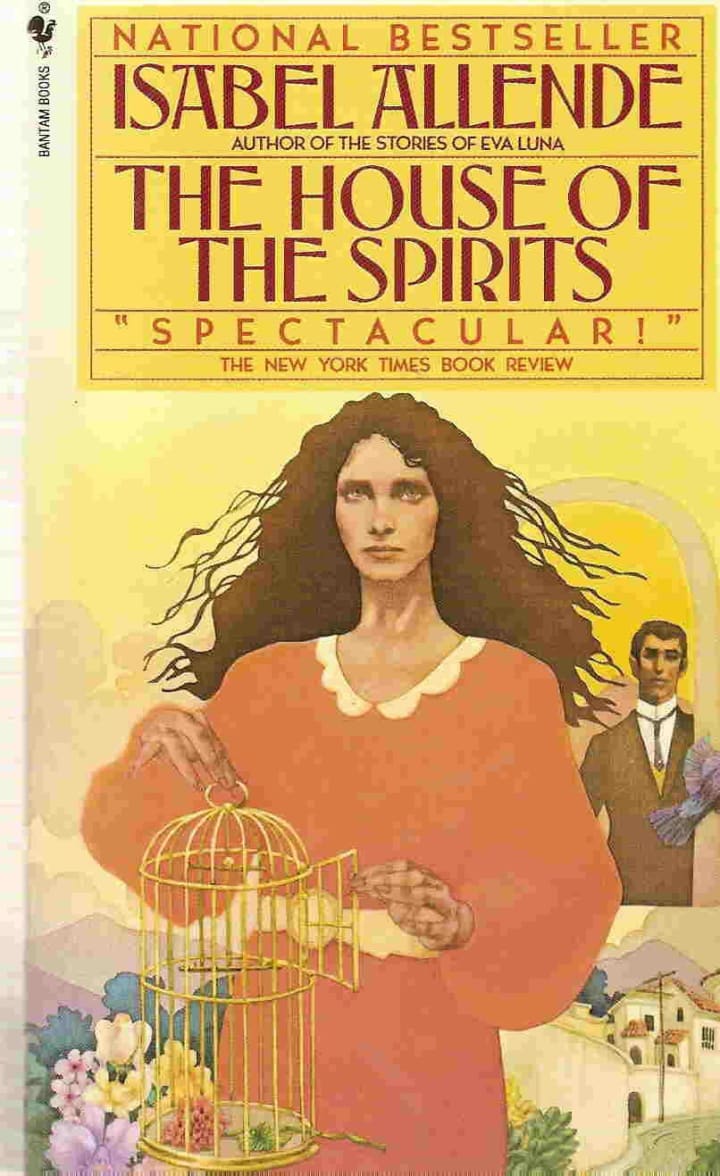
A key theme in the book is definitely magic realism. Magic realism can be seen through the way in which the matriarch holds herself. She sees fortunes, she helps people and she is entirely different to her husband, Esteban. Even when her children are growing up, she seems to compose herself with an air that could only suggest that she was a magical being - even if the book didn’t say it. Other characters that play out the theme are Rosa the Beautiful as when she was alive, she was known by the other characters as a clairvoyant as well. It’s like magic realism with the supernatural but not with the unbelievable essence of folkloric magic. It’s magic in the traditional and believable sense. It’s almost religious in the way in which it is show to the reader. It really impacts the way you read the book because the magic realism adds an atmosphere to the book that when these characters show up, we cannot help but think about the vibrance of their culture and religion. It really makes their characters come through more.
This book means a lot to me because seriously, it made me very emotional throughout the whole thing. Even the ending is absolutely brilliant, it doesn’t close the book but it ends on this note that really makes you notice the continuing rich history, culture and changing world of Latin America during a politically charged time. My latter experiences of reading this book have been highly emotional as well because the more I read it, the more I realise the differences between the old generation and the new generation. The massive difference between Esteban and his children is also very apparent but only when you’ve read the book a few times. The best thing about re-reading this book though is probably the way in which the family gains power and you see clearly how they turn that power into revolution throughout the novel.
I think far more people should read this book because it is far more emotional than a lot of people realise. The last person I recommended it to couldn’t put it down and would talk about it to me all the time. A lot of people have read this book though and for that, I am very appreciative because it means that the book is still a big part of people’s lives. When I read it, I had to seek out people who had read the book too so I had someone to talk to about it. If I re-read this book again, I want to check out the revolution and see if there’s any foreshadowings towards the destruction of old ways in favour of the new generation from the beginning of the book.
About the Creator
Annie Kapur
I am:
🙋🏽♀️ Annie
📚 Avid Reader
📝 Reviewer and Commentator
🎓 Post-Grad Millennial (M.A)
***
I have:
📖 280K+ reads on Vocal
🫶🏼 Love for reading & research
🦋/X @AnnieWithBooks
***
🏡 UK
Keep reading
More stories from Annie Kapur and writers in Geeks and other communities.
"Pensées" by Blaise Pascal
Pensées by Blaise Pascal, also known as “thoughts” in English, is one of the most heavily disputed texts in the history of Catholic Theology. This is mostly because of the order of the text since it was published after the death of its author. Initially, the second and complete edition was first published in 1670 but the more popular translation of the text into English by WF Trotter was published in 1958 and there have been other translations in between, each with their own approach to not only the translations of certain more philosophical French phrases, but they also have differentiating interpretations of the order of the text and the way in which they are organised.
By Annie Kapur6 years ago in Geeks
Silver Screen Magic with Mae West
American actress and singer Mae West became a popular film actress during the Great Depression. She started entertaining in vaudeville, then performed on Broadway, and finally went to Hollywood. She signed up with Paramount Pictures and made her debut in the 1932 film “Night After Night.” She also starred in musicals, comedies, and crime dramas. The American Film Institute named her one of the best classic Hollywood actresses.
By Rasma Raisters7 days ago in Geeks
Agnes Abdullahu's DiaMondaine Diamantaires Club partners with Isis Fashion Awards (Brings Diamonds, Luxury and Deluxe Dubai Flair to Amsterdam)
In the glittering world of high-end jewelry and haute couture, there are those who simply attend events, and then there are those who weave the very fabric of the experience. As the calendar turned toward the highly anticipated 4th edition of the Isis Fashion Awards (IFA) on May 6th, a new and formidable alliance began to take shape.
By postworldview4 days ago in Geeks
Smart phones, Humans and Aliens.
WARNING. I will be tapping into one of your favorite creative tensions: The absurdity of humans worshipping their glowing rectangles as if they were tiny oracles. There’s something deliciously poetic about that contradiction, and it lends itself beautifully to an instructive proviso.
By Novel Allen4 days ago in Poets


Comments
There are no comments for this story
Be the first to respond and start the conversation.