
The Day of the Jackal: When Dumb is the New Depth?
How Not to Assassinate and Still Get a 9/10 on IMDb

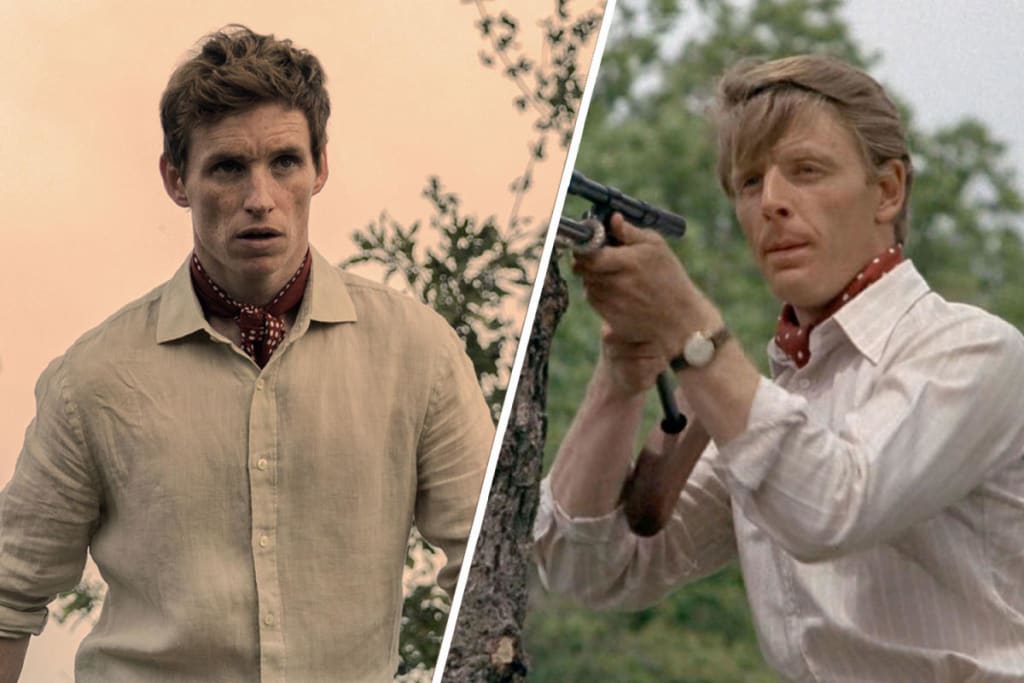
The world of TV spies and assassins has given us countless masterclasses in cinematic cool. From the suave James Bond to the ruthless Jason Bourne, audiences have grown accustomed to assassins who always stay ten steps ahead, dodging bullets and outsmarting entire governments. Enter The Day of the Jackal, the latest TV series that's generated sky-high hype and racked up impressive scores on sites like IMDb - despite (or perhaps because of?) its glaring flaws.
Let's talk about Jackal, our titular antihero who, instead of redefining the assassin genre, seems to be rewriting the manual on how not to get the job done. Fans of the genre have been quick to point out his baffling decisions: failing to take clear shots at his targets, needlessly escalating situations, and leaving a trail of bodies so indiscriminate it's like he's vying for Employee of the Month at "Assassins Anonymous." So, why the hype? Is this the new face of "relatable" assassins, or has the series stumbled onto an unintentional comedic formula?
The Jackal Problem
Jakal makes mistakes. A lot of mistakes. At first glance, this might seem refreshing - a far cry from the invincible, hyper-competent spies we've grown used to. But the show takes this idea so extreme that it's hard to root for the guy. In one pivotal episode, Jakal has a perfect opportunity to eliminate his primary target - one he's been paid handsomely to eliminate. Instead of pulling the trigger, he hesitates, leading to an overlong chase sequence that results in… nothing. Not tension, not resolution, just frustration.
And then there are the unnecessary killings. Jackal doesn't just eliminate threats; he eliminates baristas, taxi drivers, and anyone else who happens to cross his path. Far from adding an edge of danger to the character, this approach makes him seem reckless, impulsive, and frankly incompetent. Is this meant to humanize him? If so, it's not working.
Dumb ≠ Relatable
The show's writers seem to have mistaken clumsiness for relatability. Sure, nobody wants to watch a perfect killing machine devoid of personality. But Jackal's blunders don't make him more human - they make him harder to watch. For example, when Breaking Bad introduces us to Walter White, his flaws and mistakes are integral to the plot. They made sense in the context of his character's transformation. In The Day of the Jackal, however, the mistakes feel like lazy writing.
Comparisons in the Assassin Genre
Looking at the pantheon of spy and assassin characters, it's clear that competency doesn't have to come at the expense of depth. Take Killing Eve's Villanelle, for instance. She's as dangerous as she is stylish, but her humanity shines through in her quirks and vulnerabilities. Even John Wick, a veritable murder machine, strikes a balance between ruthless efficiency and emotional depth, his vengeance stemming from a deeply personal place.
By contrast, Jackal seems to lack both competency and compelling motivation. He's not an enigmatic antihero, nor is he a deeply flawed yet sympathetic figure. He's just… a guy who keeps messing up. And not in a "this is tragic and I feel for him" kind of way, but in a "this is exhausting and I wish someone else was the protagonist" kind of way.
The Audience Hype Problem
So, why the high IMDb scores? At the time of writing, The Day of the Jackal holds a stunning 8.3/10 rating, which places it among some of the best-rated TV shows. This disconnect between critical assessment and audience ratings highlights a growing trend: empty praise for media that doesn't quite deserve it.
A portion of viewers seems to enjoy leaning into the absurdity, interpreting Jakal's bumbling antics as a fresh take on an overdone genre. Others, however, may simply be swept up in the hype machine - a potent cocktail of aggressive marketing, fan culture, and the fear of missing out (FOMO). But what does this mean for the industry as a whole?
When mediocre shows like The Day of the Jackal are rewarded with glowing ratings and uncritical praise, it sends a dangerous message to creators: mediocrity is enough. The success of these shows incentivizes studios to churn out safe, formulaic content instead of taking creative risks. Why spend extra time crafting a compelling narrative or fleshing out complex characters when a half-baked story can rake in views and accolades?
This isn't just a problem for audiences who end up sifting through a sea of mediocre shows; it's a problem for the art of storytelling itself. Over time, this trend could dilute the genre, leaving fans yearning for the thrill and depth of classics like The Bourne Identity, Homeland, or even Mission: Impossible.
Is This the Future of Spy Stories?
The question The Day of the Jackal inadvertently raises is this: Is it possible to make an assassin too flawed? In the pursuit of creating characters that feel "real," have writers swung the pendulum too far? The idea of humanizing assassins is a noble one, especially when so many are portrayed as infallible killing machines. But there's a difference between humanizing a character and simply making them bad at their job.
A Watchable Disaster
So, is The Day of the Jackal worth watching? That depends on your tolerance for second-hand embarrassment. If you're in the mood for a drinking game - take a shot every time Jakal makes a mistake - you might have some fun. But this one's probably a miss for those hoping for a tightly-written, compelling spy thriller.
In the end, The Day of the Jackal serves as an accidental case study of how not to write a flawed protagonist. Flaws can make a character compelling, but only if they serve the story. Otherwise, you're just left with a guy who can't hit his target - literally or figuratively. And while the hype machine might keep shows like this afloat for now, it risks dragging the entire genre down with it.
About the Creator
Nazgol Rasoolpour
An emerging researcher with a passion for horror narrative. My focus revolves around the captivating subgenres of religious horror and techno horror.
Reader insights
Outstanding
Excellent work. Looking forward to reading more!
Top insights
Compelling and original writing
Creative use of language & vocab
Expert insights and opinions
Arguments were carefully researched and presented
On-point and relevant
Writing reflected the title & theme
Keep reading
More stories from Nazgol Rasoolpour and writers in Geeks and other communities.
Fangs Out, Pants Down: How the New Nosferatu Bares It All - Literally and Emotionally
Vampire mythos have evolved significantly in their cinematic representation over the past century. From the shadowy figure of Count Orlok in F.W. Murnau's Nosferatu (1922) to the sensuality of Anne Rice's Interview with the Vampire adaptations, vampires have transitioned from grotesque creatures of the night to emotionally complex, sexually charged, and deeply humanized beings. This transformation reflects broader societal changes in how monstrosity and humanity intersect. The recent remake of Nosferatu has taken this evolution to an unprecedented level by presenting a nude scene featuring full-frontal male nudity. This choice strips away the traditional armor of monstrosity and delves into the raw vulnerability of its titular character.
By Nazgol Rasoolpourabout a year ago in Geeks
Silver Screen Magic with Mae West
American actress and singer Mae West became a popular film actress during the Great Depression. She started entertaining in vaudeville, then performed on Broadway, and finally went to Hollywood. She signed up with Paramount Pictures and made her debut in the 1932 film “Night After Night.” She also starred in musicals, comedies, and crime dramas. The American Film Institute named her one of the best classic Hollywood actresses.
By Rasma Raisters7 days ago in Geeks
Global Socks Market Size & Forecast 2025–2033: Fashion, Fitness, and Function Drive a US$ 84.91 Billion Industry
Global Socks Market Outlook Once considered a simple necessity, socks have evolved into a high-growth lifestyle and performance product. From fashion statements and athletic essentials to medical-grade solutions, socks today play a critical role in comfort, health, and personal style. According to Renub Research, the Global Socks Market is projected to grow from US$ 49.33 billion in 2024 to US$ 84.91 billion by 2033, expanding at a CAGR of 6.22% from 2025 to 2033.
By Aaina Oberoia day ago in Geeks
Smart phones, Humans and Aliens.
WARNING. I will be tapping into one of your favorite creative tensions: The absurdity of humans worshipping their glowing rectangles as if they were tiny oracles. There’s something deliciously poetic about that contradiction, and it lends itself beautifully to an instructive proviso.
By Novel Allen4 days ago in Poets


Comments (1)
Man this show was extremely problematic in so many levels! It was written by a 13 years old boy's idea of a skilled assassin