
The Challenge of Public Legal Disputes: Examining Blake Lively and Justin Baldoni's Case in a Post-#MeToo Era
Are Female Victims exaggerating?

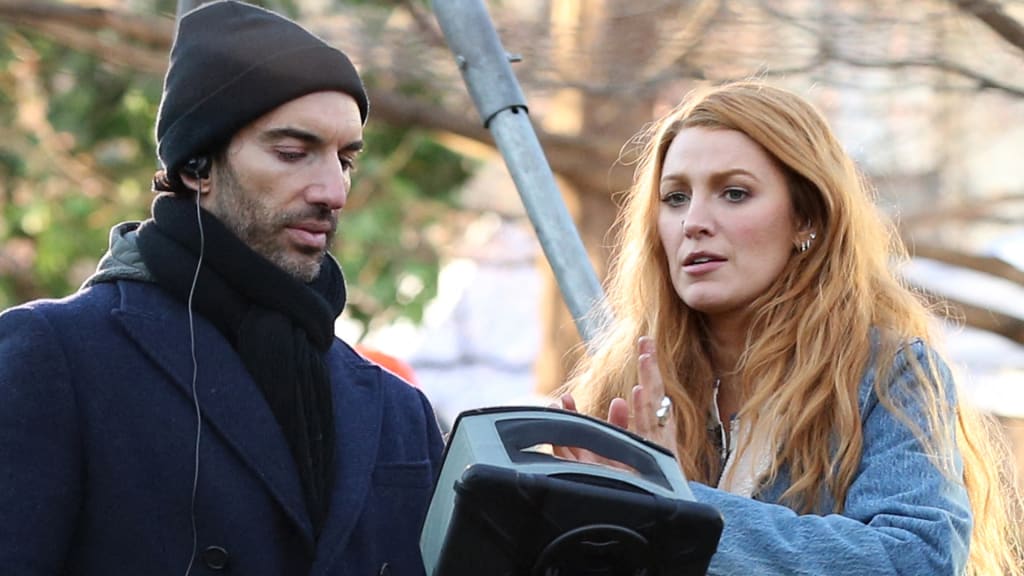
In the era of heightened awareness around workplace misconduct and gender dynamics, public legal disputes have become highly charged events, often attracting widespread scrutiny before facts are fully established. The ongoing legal battle between Blake Lively and Justin Baldoni - centered on allegations of harassment, workplace retaliation, and reputational harm - has sparked conversations about the intersection of justice, public perception, and the lingering impact of the #MeToo movement.
While Lively's harassment claims are serious and deserve a thorough investigation, it is equally important to consider how public trials shape the discourse around workplace disputes, particularly when they involve high-profile individuals. The case presents an opportunity to reflect on lessons from the past - most notably Amber Heard's case against Johnny Depp - and to address the potential consequences of tying every workplace conflict to sexual misconduct allegations.
Blurred Lines: The Court of Public Opinion vs. The Court of Law
One of the most challenging aspects of cases like Lively and Baldoni's is how quickly they become public spectacles. With legal teams releasing statements, news outlets providing selective coverage, and social media amplifying opinions, the line between legal facts and public narratives often becomes blurred. Both sides risk being judged by the public long before any verdict is reached, creating a highly polarized environment.
This phenomenon mirrors the high-profile defamation case between Johnny Depp and Amber Heard. In Heard's case, allegations of domestic abuse dominated public discourse, and the trial itself became a media circus. Regardless of the legal outcome - which largely favored Depp - the public's overwhelming rejection of Heard's claims highlighted the power of perception in shaping outcomes.
The implications for future cases are significant: when accusations fail to hold up in court, the public fallout often extends beyond the individuals involved. Heard's loss led to broader skepticism toward women who come forward with allegations of abuse, even in cases where the evidence is strong. Similarly, if Lively's claims against Baldoni are proven false or exaggerated, it could contribute to a public perception that women's allegations are less credible - a harmful outcome for genuine victims seeking justice.
Beyond Sexual Assault: Defining Workplace Disputes
Not every workplace conflict needs to be framed through the lens of sexual misconduct to be taken seriously. In Lively's case, the core issue may be artistic differences or professional retaliation. If the allegations are re-framed as a conflict over creative control or a toxic work environment, the conversation could focus on broader workplace dynamics rather than narrowing the scope to sexual harassment.
Labeling disputes as harassment or assault without sufficient evidence can dilute the seriousness of such claims and undermine the credibility of real victims. The #MeToo movement successfully shed light on systemic issues of abuse and harassment, but its legacy depends on ensuring that accusations are treated with care, fairness, and accuracy. Misuse of these terms risks trivializing the lived experiences of countless survivors.
The Gendered Nature of Public Perception
The backlash against Amber Heard demonstrated the gendered nature of public perception in such cases. Heard's loss wasn't just a legal defeat; it was a public reckoning, with many viewing her as an opportunist who weaponized the #MeToo movement for personal gain. This perception, whether fair or not, led to significant harm to her career and public image.
If Lively's case against Baldoni fails, it could result in a similar backlash - not just against her but against women in general who come forward with workplace disputes. Critics may argue that such cases are "overblown" or "manufactured," ignoring the reality that many workplace conflicts are valid and emotionally charged without necessarily involving sexual misconduct.
The challenge lies in finding balance: addressing workplace grievances with the seriousness they deserve while not conflating them with issues like harassment or assault, unless the evidence supports such claims.
The Role of Media in Shaping Narratives
The media plays a critical role in shaping how cases like this are perceived. Selective reporting, sensational headlines, and the tendency to frame disputes as gendered battles often inflame public opinion. The result is a polarized audience that may already have taken sides before any legal resolution is reached.
In the Lively-Baldoni case, reports of Baldoni's countersuit and his potential release of text messages suggest a strategy focused on transparency. Whether this approach will sway public opinion remains to be seen, but it highlights the importance of evidence in navigating the blurred lines of public and legal narratives.
Moving Forward: Lessons from #MeToo
The #MeToo movement has been a powerful force for change, but its long-term impact depends on carefully handling each new case. Not every workplace dispute must be framed as a #MeToo issue to be meaningful. By addressing artistic differences, workplace retaliation, and other dynamics on their terms, cases like Lively's can shed light on broader challenges without diluting the seriousness of genuine harassment or assault.
Ultimately, justice in the Lively-Baldoni case will depend on evidence, not public perception. But as the trial unfolds, it serves as a reminder of the delicate balance between advocating for fairness and avoiding the pitfalls of sensationalism.
In a world where every high-profile dispute risks becoming a public spectacle, it's essential to remember that not every emotionally charged case needs to fit into the same mold. Justice must remain rooted in truth, not in the noise of public opinion.
About the Creator
Nazgol Rasoolpour
An emerging researcher with a passion for horror narrative. My focus revolves around the captivating subgenres of religious horror and techno horror.
Reader insights
Outstanding
Excellent work. Looking forward to reading more!
Top insights
Expert insights and opinions
Arguments were carefully researched and presented
On-point and relevant
Writing reflected the title & theme
Keep reading
More stories from Nazgol Rasoolpour and writers in Geeks and other communities.
The Day of the Jackal: When Dumb is the New Depth?
The world of TV spies and assassins has given us countless masterclasses in cinematic cool. From the suave James Bond to the ruthless Jason Bourne, audiences have grown accustomed to assassins who always stay ten steps ahead, dodging bullets and outsmarting entire governments. Enter The Day of the Jackal, the latest TV series that's generated sky-high hype and racked up impressive scores on sites like IMDb - despite (or perhaps because of?) its glaring flaws.
By Nazgol Rasoolpourabout a year ago in Geeks
Silver Screen Magic with Mae West
American actress and singer Mae West became a popular film actress during the Great Depression. She started entertaining in vaudeville, then performed on Broadway, and finally went to Hollywood. She signed up with Paramount Pictures and made her debut in the 1932 film “Night After Night.” She also starred in musicals, comedies, and crime dramas. The American Film Institute named her one of the best classic Hollywood actresses.
By Rasma Raisters7 days ago in Geeks
Kartik Aaryan suffers first major setback after minor dating controversy
Kartik Aaryan recently suffered first major setback after getting caught in a controversy of dating a minor. It all started when the 35-year-old actor’s newly released film, Tu Meri Main Tera Main Tera Tu Meri, became a box office bomb.
By Dena Falken Esq3 days ago in Geeks



Comments (1)
I‘m equal parts invested in and tired of this drama...Team Justin though!