
The Art of the Antihero
Why We Love Flawed Characters

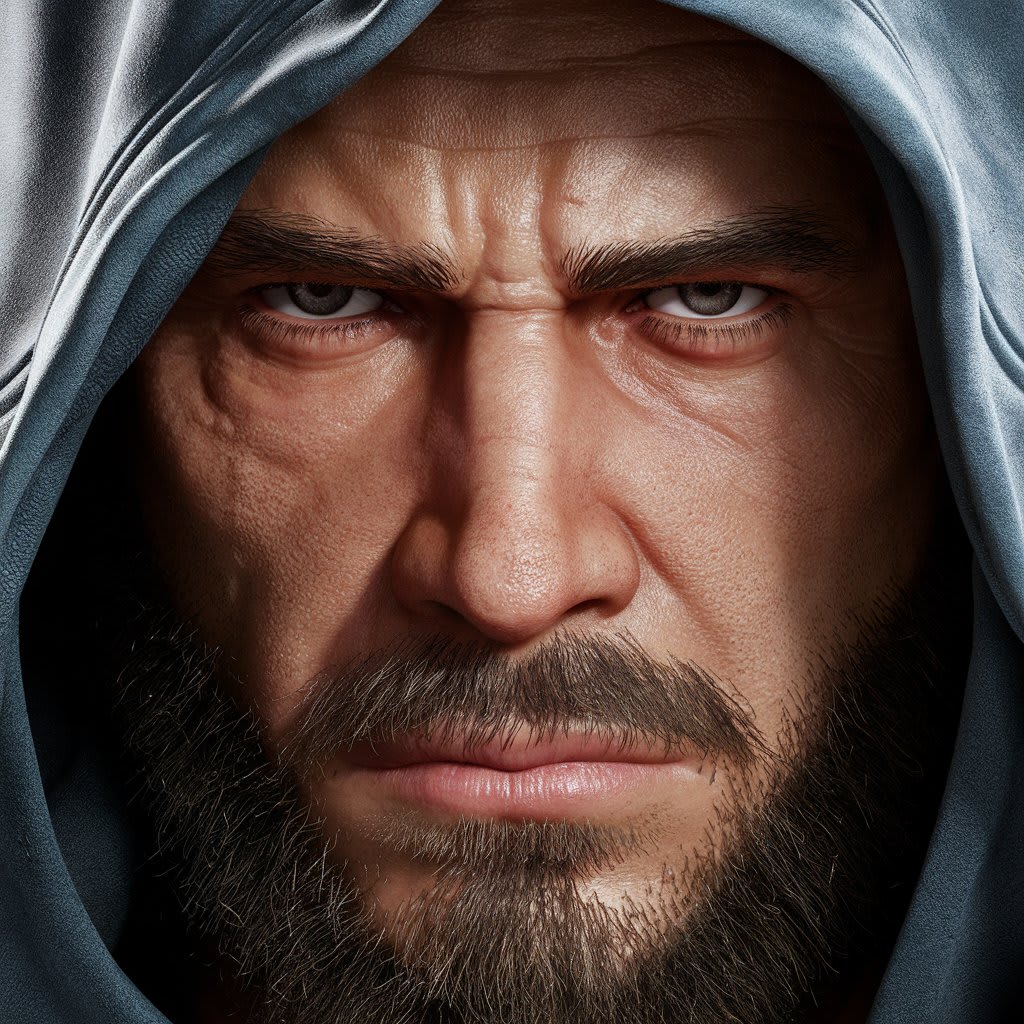
Why Do We Love Antiheroes?
In a world where heroes and villains are often seen as black and white, antiheroes exist in the gray area—and we can’t get enough of them. Whether it’s Walter White (Breaking Bad), Deadpool, Tony Soprano, or Loki, morally complex protagonists captivate audiences in ways that traditional heroes sometimes fail to do.
But why? What makes an antihero so compelling? Why do we root for characters who lie, steal, or even kill?
This article will explore:
✅ What defines an antihero
✅ Why we relate to morally complex characters
✅ How pop culture has embraced the rise of the antihero
Let’s dive in.
What Is an Antihero?
An antihero is a protagonist who lacks the conventional traits of a noble hero. Instead of unwavering morality, courage, and selflessness, antiheroes are often:
Morally ambiguous – They make questionable decisions for personal reasons.
Flawed and relatable – They struggle with inner demons.
Self-serving, yet sometimes redemptive – They don’t always do the right thing, but we understand their motives.
Classic Examples of Antiheroes in Pop Culture
Walter White (Breaking Bad) – A chemistry teacher turned drug kingpin, transforming from victim to villain.
Tony Soprano (The Sopranos) – A mob boss trying to balance crime with family life.
Deadpool – A sarcastic, violent mercenary who breaks the fourth wall.
Loki (MCU) – A manipulative, self-interested trickster who sometimes fights for good.
🔗 Read more about antiheroes and their psychology on Psychology Today
Why Are Antiheroes So Popular?
1. They Reflect Real-World Morality
Unlike traditional superheroes like Superman, who always do the right thing, antiheroes face real-world moral dilemmas—just like us.
📌 Example: Walter White isn’t evil for the sake of it—he starts selling drugs to provide for his family. His decisions are questionable, but his motives are relatable.
🔗 Breaking Bad: Walter White as Nietzschean Hero
2. They Make Us Question Right and Wrong
Antiheroes blur the line between good and evil. We may not agree with their choices, but we understand their reasons.
📌 Example: The Punisher fights crime, but his methods are brutal. Is he a hero, or just a violent vigilante?
3. They Show That Redemption Is Possible
Many antiheroes struggle with personal demons, but they also have moments of redemption.
📌 Example: Loki starts as a villain but slowly evolves into an antihero, showing that change is possible.
🔗 Tony Robbins explains why people are drawn to characters with redemption arcs
4. They’re Just More Fun!
Let’s be honest—antiheroes are often witty, rebellious, and unpredictable.
📌 Example: Deadpool constantly mocks traditional hero tropes, breaking the fourth wall and making us laugh while he fights bad guys.
🔗 Why Unpredictability Is So Attractive
The Evolution of Antiheroes in Pop Culture
1. The Golden Age of Comics (1940s-1960s)
Traditional heroes like Superman and Captain America dominated.
Morality was black and white.
2. The Rise of Gritty Heroes (1970s-1990s)
Characters like Wolverine, The Punisher, and Batman (The Dark Knight Returns) emerged.
Comics and movies embraced realism and complexity.
3. The Antihero Boom (2000s-Present)
TV shows like Breaking Bad, The Sopranos, and Game of Thrones proved audiences love flawed protagonists.
The MCU embraced complex characters like Loki, Deadpool, and Venom.
🔗 Check out TED Talks on how storytelling has evolved
FAQs: Everything You Want to Know About Antiheroes
1. What is the difference between an antihero and a villain?
An antihero is the main character who has flaws but some redeeming qualities. A villain is usually an outright antagonist with no moral redemption.
🔗 Psychology Today explains more
2. Can an antihero be a hero in the end?
Yes! Some antiheroes transform into full heroes over time. Example: Loki’s arc in the MCU.
🔗 Read about redemption arcs in storytelling
3. Why do we find villains and antiheroes more interesting than traditional heroes?
They’re unpredictable, relatable, and complex. Unlike classic heroes, their moral struggles feel more real.
🔗 Harvard Business Review’s take on why we root for villains
4. Who are the most famous antiheroes in modern media?
Some of the best-known antiheroes include:
Walter White (Breaking Bad)
Tony Soprano (The Sopranos)
Deadpool (Marvel)
The Punisher (Marvel)
Loki (Marvel)
Venom (Marvel)
Additional Resources on Antiheroes & Storytelling
TED Talks – The Psychology of Great Characters
Udemy – Writing Antiheroes in Fiction
MasterClass – Learn Storytelling from Screenwriters
Call to Action: Who’s Your Favorite Antihero?
Now that we’ve explored why we love antiheroes, I want to hear from YOU!
💬 Who is your favorite antihero and why? Drop a comment below!
🚀 Want to write your own antihero story? Check out this free storytelling guide
About Your True Direction
Your True Direction is dedicated to empowering individuals navigating life's transitions. Through inspiring stories and actionable strategies, we aim to help you reclaim ambition, overcome challenges, and thrive in every stage of your journey.
Connect with Us
Follow us on Medium @YourTrueDirection
Your journey is yours to shape - take the next step in Your True Direction.
About the Creator
R.T. Garner
I am passionate about helping people achieve more than they ever thought possible. I am vibrant, alive, full of possibilities. I ache from a desire to create positive change, and I am driven to help others realize their own potential.
Keep reading
More stories from R.T. Garner and writers in Geeks and other communities.
Narcissistic Parenting — How They Keep You Small and Powerless
Last time, we exposed the sneaky truth behind the phrase, “You’re not a parent, so you don’t understand.” It’s more than just dismissive — it’s a weapon in the narcissist’s arsenal of control. This time, we’re diving even deeper to uncover how narcissistic parents use manipulation to keep you doubting yourself and stuck in their cycle of power plays.
By R.T. GarnerExclusive • about a year ago
Silver Screen Magic with Mae West
American actress and singer Mae West became a popular film actress during the Great Depression. She started entertaining in vaudeville, then performed on Broadway, and finally went to Hollywood. She signed up with Paramount Pictures and made her debut in the 1932 film “Night After Night.” She also starred in musicals, comedies, and crime dramas. The American Film Institute named her one of the best classic Hollywood actresses.
By Rasma Raisters3 days ago in Geeks
Vitaly Zdorovetskiy
In the early days of YouTube, when viral content felt spontaneous and unfiltered, a handful of creators stood out by pushing boundaries most people wouldn’t dare to approach. One of the most recognizable names from that era is Vitaly Zdorovetskiy, widely known simply as Vitaly. His journey through internet fame reflects both the power of digital platforms and the consequences that can follow when attention becomes the ultimate currency. From Immigrant Roots to Internet Recognition Vitaly Zdorovetskiy was born in Russia and later immigrated to the United States, where he spent his formative years adjusting to a new culture and environment. Like many young people navigating identity and ambition, he gravitated toward entertainment and performance. However, instead of following traditional routes, Vitaly found his stage online. YouTube, still evolving in the early 2010s, offered creators freedom with few rules and limitless reach. Vitaly saw an opportunity not just to entertain, but to shock, surprise, and provoke reactions. This approach quickly distinguished him from creators focused on skits or commentary. The Prank Era and Viral Explosion Vitaly rose to prominence through public prank videos that leaned heavily on shock value. These weren’t simple jokes meant to amuse passersby; they were elaborate stunts designed to elicit strong emotional responses. His videos spread rapidly across social media, earning millions of views and placing his channel among the fastest-growing at the time. For many viewers, Vitaly represented a fearless, rule-breaking personality who lived without hesitation. For others, his content crossed ethical and legal lines. That tension—between admiration and criticism—became a defining feature of his public image. Despite the controversy, there was no denying the influence Vitaly Zdorovetskiy had on online content culture. His success helped popularize extreme prank videos and inspired countless creators to chase virality at any cost. Fame, Pressure, and Public Scrutiny As Vitaly’s audience grew, so did scrutiny. Viral fame often magnifies both success and mistakes, and Vitaly experienced that amplification firsthand. Several of his stunts attracted attention from law enforcement, leading to arrests and legal consequences that were widely reported. These moments marked a shift in how audiences viewed him. What once felt like rebellious fun began to raise questions about responsibility, influence, and accountability. The same platforms that fueled his rise now served as public records of his missteps. The story of Vitaly highlights a critical reality of digital fame: visibility comes with permanence. Every action, especially those captured on camera, becomes part of a lasting narrative that audiences revisit and reassess over time. Attempts at Reinvention Like many creators who achieve rapid fame, Vitaly eventually faced the challenge of evolution. The internet moves quickly, and audiences mature. Content that once felt exciting can grow repetitive or uncomfortable as social norms shift. Vitaly Zdorovetskiy explored different formats over time, including lifestyle content and motivational themes. These changes suggested an awareness that long-term relevance requires more than shock value. However, transitioning away from a persona built on extremes is never simple. Audience expectations can become a trap, forcing creators to choose between growth and consistency. Vitaly’s attempts to reshape his image reflect a broader struggle faced by many early internet personalities trying to redefine themselves in a more regulated and socially conscious digital space. The Cultural Impact of Vitaly Whether viewed positively or critically, Vitaly’s influence on online entertainment is undeniable. He helped define an era where virality often outweighed caution, and where creators tested the limits of what platforms would allow. His career sparked conversations about ethics in content creation, the responsibilities of influencers, and the psychological toll of constant attention. In many ways, Vitaly Zdorovetskiy became a case study for both aspiring creators and platform regulators. Today’s content guidelines, stricter moderation, and evolving audience standards owe something to the lessons learned during the early viral years—lessons shaped in part by figures like Vitaly. Lessons from a Viral Career The story of Vitaly is not just about pranks or controversy. It is about ambition, risk, and the complex relationship between creators and their audiences. His rise demonstrates how authenticity and boldness can capture attention, while his challenges reveal the costs of sustaining fame without boundaries. For emerging creators, Vitaly’s journey offers important insights: virality is powerful, but longevity requires adaptability, self-awareness, and respect for the impact content can have on others. Where Vitaly Stands Today As the internet continues to evolve, so does the perception of figures like Vitaly. He remains a recognizable name, particularly among audiences who witnessed the early YouTube boom. While his presence may not dominate the platform as it once did, his legacy remains part of internet history. Vitaly Zdorovetskiy’s story serves as a reminder that online fame is rarely linear. It is shaped by timing, choices, and the unpredictable reactions of millions of viewers. In that sense, Vitaly’s journey mirrors the internet itself—fast, chaotic, influential, and always changing. Final Thoughts The rise of Vitaly underscores both the opportunities and responsibilities that come with digital platforms. His career invites reflection on how far creators should go for attention and what sustainable creativity truly looks like. In an era where viral moments can define a lifetime, Vitaly’s story remains relevant—not as a blueprint to follow, but as an experience to learn from.
By Saboor Brohi about 5 hours ago in Geeks



Comments
There are no comments for this story
Be the first to respond and start the conversation.