
"The AI Revolution: Pervasive Presence in Daily Living"
The Rise of Artificial Intelligence in Everyday Life
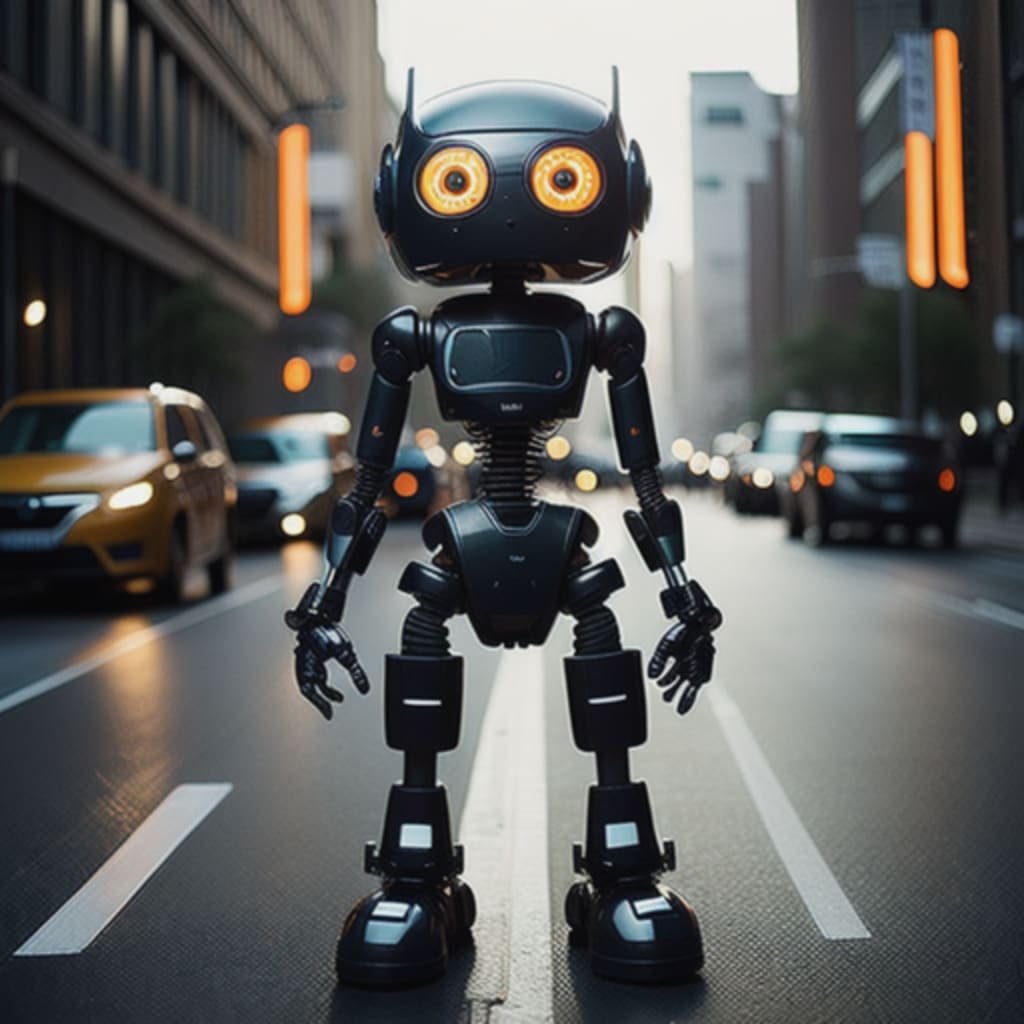
Artificial Intelligence (AI) has evolved from being a concept confined to science fiction to a reality that significantly impacts our daily lives. Over the past few decades, AI has made tremendous strides, and its integration into various sectors has transformed the way we live, work, and interact. From virtual assistants to autonomous vehicles, AI has become an integral part of our everyday life, revolutionizing industries and enhancing our overall experience.
1. Personal Assistants and Smart Devices
One of the most evident examples of AI in everyday life is the proliferation of virtual personal assistants like Siri, Alexa, and Google Assistant. These smart devices are capable of understanding natural language and performing tasks on our behalf. From setting reminders and managing calendars to answering queries and controlling smart home devices, AI-powered personal assistants have become indispensable companions, making our lives more convenient and efficient.
2. Online Shopping and Recommendations
AI has revolutionized the world of e-commerce, dramatically changing the way we shop online. Sophisticated recommendation engines powered by AI analyze our browsing and purchasing behavior to provide personalized product suggestions. Whether it's streaming platforms suggesting movies and shows based on our preferences or online retailers recommending products we might like, AI-driven recommendations have become an integral part of our digital experience, saving time and enhancing user satisfaction.
3. Healthcare and Medical Applications
In the field of healthcare, AI has shown immense potential in diagnosis, treatment, and research. AI algorithms can process vast amounts of medical data, assisting doctors in diagnosing diseases accurately and recommending personalized treatment plans. Moreover, AI-powered medical devices and wearables enable continuous monitoring of vital signs, alerting users and healthcare providers of potential health issues in real-time. This fusion of AI and healthcare is revolutionizing patient care and contributing to improved outcomes.
4. Transportation and Autonomous Vehicles
AI's impact on transportation is undeniable, with the rise of autonomous vehicles at the forefront. Self-driving cars use AI algorithms to analyze data from sensors, cameras, and radar systems to navigate roads and make decisions in real-time. The integration of AI in transportation not only promises increased safety but also more efficient and eco-friendly modes of travel, reducing accidents and congestion while optimizing fuel consumption.
5. Customer Service and Chatbots
AI-driven chatbots have transformed the way customer service is delivered. With the ability to handle multiple customer queries simultaneously, chatbots offer round-the-clock support, enhancing customer satisfaction and reducing response times. Natural Language Processing (NLP) capabilities enable chatbots to understand and respond to human language, making interactions seamless and human-like.
6. Education and E-Learning
AI has also made its way into the field of education. Adaptive learning platforms powered by AI analyze individual student performance and tailor educational content to their specific needs and learning pace. This personalized approach to education ensures that students receive targeted support, allowing them to grasp concepts more effectively. Additionally, AI-driven content recommendation systems suggest relevant learning resources, further enriching the learning experience.
7. Entertainment and Gaming
AI has had a profound impact on the entertainment industry, particularly in gaming. AI-driven characters in video games exhibit human-like behaviors and adapt their strategies based on players' actions, providing a more immersive and challenging gaming experience. Moreover, AI algorithms have been employed to create stunning visual effects, enhance animations, and optimize game performance, leading to more realistic and captivating virtual worlds.
To Conclude
The rise of Artificial Intelligence in everyday life has been nothing short of transformative. From simplifying mundane tasks to propelling technological advancements across various sectors, AI's presence has become ubiquitous. As AI continues to evolve, we can expect even more profound changes in the way we live and interact with technology. While the benefits of AI are immense, addressing ethical considerations and ensuring responsible AI development and deployment will be critical to maximizing its positive impact on society. As AI technologies mature, we must embrace these innovations with careful consideration, striking a balance between progress and maintaining human values.
About the Creator
Keep reading
More stories from writers in Geeks and other communities.
Silver Screen Magic with Mae West
American actress and singer Mae West became a popular film actress during the Great Depression. She started entertaining in vaudeville, then performed on Broadway, and finally went to Hollywood. She signed up with Paramount Pictures and made her debut in the 1932 film “Night After Night.” She also starred in musicals, comedies, and crime dramas. The American Film Institute named her one of the best classic Hollywood actresses.
By Rasma Raisters8 days ago in Geeks
Fallout Season 2 Episode 5 Review: The Wrangler & Major Lore Drop Explained
Fallout Season 2 Episode 5 arrived swinging with one of the densest, most lore-heavy chapters of the series so far. We’ve got timeline twists, New Vegas callbacks, Mr. House slowly stepping out of the shadows, and more clues about who actually launched the bombs than we’ve ever gotten in any game.
By Bella Anderson6 days ago in Geeks
How, Too
Many people wonder how, too. You are not alone, and I am an expert. I will teach you how, too! First, you need to remit a small application fee and fill out an application describing the nature of your financial situation and how often payments will be made, as this will have great bearing on how well I teach you how, too.
By Harper Lewis5 days ago in Fiction



Comments