
The 996 Grind: When Expat Dreams Collide with China’s Work Culture
China’s booming tech scene often casts an image of high energy and fast advancement. Many foreign professionals move there, inspired by growth and possibilities. But behind the vibrant façade lies a harsh reality: the “996” work culture. This system—working from 9 a.m. to 9 p.m., six days a week—is more than just a schedule. It affects lives, health, and dreams.

From Interpreter to Game Developer
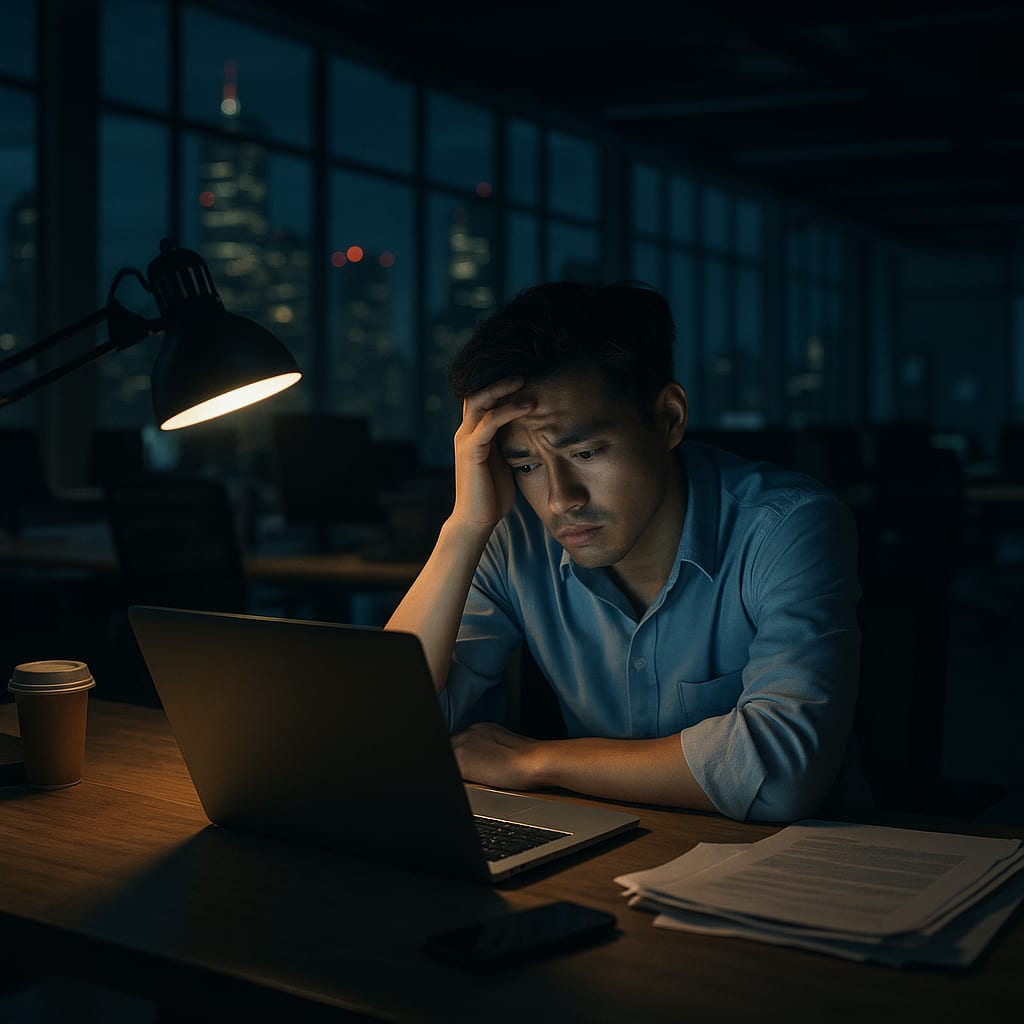
Jack Forsdike, a 28-year-old Brit in Guangzhou, moved from interpreting to developing video games for a Chinese company. At first, being told he’d work the infamous 996 hours felt like validation. He believed it meant he was trusted and on a path to success.
His contract didn’t mention marathon work days. But implicit expectations did. Within months, unpaid overtime became the norm. By 9 p.m., he often found himself in meetings scheduled by managers. Weekends blurred into weekdays. There was no escape.
His health suffered, he stopped seeing his wife, he quit tennis, and he lost weight. The extra hours didn’t lead to rewards or time off. Instead, the grind destroyed his free time and morale. He compares it to back-to-back “crunch time”—but built-in, unavoidable, and draining.
Then came the layoff. Forsdike was stunned. His project was dropped without warning. No promotion, no payoff. But he felt relieved. He realized how much of life he had sacrificed for a job that valued hours, not people.
What Is 996?
The “996” schedule is an informal but widespread model in many Chinese tech companies. Though illegal under Chinese labor law, it persists subtly and systemically.
Critics call it “modern slavery”—forcing employees into burnout for the sake of productivity. Across major cities, many workers report health issues: burnout, stress, sleep disorders, physical pain. A 2019 movement called 996.ICU exploded on GitHub, gaining massive support. The name warns: follow this schedule, and you may end up in intensive care.
Borrowing from Western ideas of “grind culture” taken to extremes, 996 sacrifices rest, relationships, and well-being on the altar of dev output.
Young Workers Resist
Over the past few years, a counter-movement has grown: tang ping (“lying flat”) and bai lan (“letting it rot”). These trends reflect a growing refusal among young Chinese to submit to ruthless labor norms. Opting out of endless hustle, they search for balance, not burnout.
Despite being illegal, 996 thrives in a climate where competition is fierce and jobs are precarious. Tech giants still expect long hours. Even ByteDance, the parent of TikTok, phased out its six-day-on, one-day-off schedule. But the culture lingers in smaller studios, agencies, and under-the-radar startups.
Why 996 Keeps Going
China’s work culture has deep roots. A strong work ethic—with echoes of Confucian obedience and industrial ambition—makes 996 more acceptable. Tech leaders celebrate hustle. Some even call resistance to long hours lazy.
Yet for so many, 996 isn’t heroic. It erodes wellbeing. It’s about survival, not choice. People fear losing more than their jobs—status, future opportunities, even dignity.
An Expat Wakes Up
Forsdike’s refresh came after he lost his role. He traded code for cold mornings and regained time with his wife. He dropped the blame; resentment gave way to reflection.
He realized no promotion, no paycheck, ever justified sacrificing health and life. 996 had sold him the idea of respect through endurance—but in reality, it stripped him of everything that mattered outside work.
What This Means for the Future
Stories like his expose a harsh truth: productivity culture should not become exploitation culture. For China and the world, the fight is to value people, not hours.
• Workers need real legal protections, enforced across industries—not just written rules.
• Companies should reward results, not schedules.
• Expat professionals must research culture before relocating; fit matters.
• And the movements—tang ping, anti-996, digital labor solidarity—show a public ready to push back.
Conclusion: Workshop, Not Deathtrap
China’s career magnetism won’t vanish. Tech, innovation, global ambition still attract. But behind the neon skyline, many retreat into routines that drain the soul.
Jack Forsdike’s story reminds us: work should enhance life—not consume it. And sustainable success lies in reclaiming that balance, wherever you focus your energy.
About the Creator
Bubble Chill Media
Bubble Chill Media for all things digital, reading, board games, gaming, travel, art, and culture. Our articles share all our ideas, reflections, and creative experiences. Stay Chill in a connected world. We wish you all a good read.
Keep reading
More stories from Bubble Chill Media and writers in Geeks and other communities.
The Genius Behind the Curtain
Was Steve Jobs truly a genius—or simply a man obsessed with perfection? While the world remembers him for introducing the iPhone and reshaping the tech industry, few understand the depth of what made him so exceptional. Beyond the keynote speeches and black turtlenecks was a visionary who saw what others didn’t—years before they could. This is not just about technology. This is about how one man’s obsessive drive, eye for beauty, and brutal honesty reshaped the modern world. What made Steve Jobs different wasn’t just what he built—it was how he saw the world.
By Bubble Chill Media 7 months ago in Geeks
Silver Screen Magic with Mae West
American actress and singer Mae West became a popular film actress during the Great Depression. She started entertaining in vaudeville, then performed on Broadway, and finally went to Hollywood. She signed up with Paramount Pictures and made her debut in the 1932 film “Night After Night.” She also starred in musicals, comedies, and crime dramas. The American Film Institute named her one of the best classic Hollywood actresses.
By Rasma Raisters3 days ago in Geeks
“Deport Nicki Minaj Back to Trinidad” Movement Continues Amid Growing Outcry
The petition crossed 50,000 signatures in early January, and that number had risen to more than 58,000 at publication. Nearly 60,000 people have signed an online petition demanding that the U.S. government deport popular rapper Nicki Minaj to Trinidad because of what many fans say are her shifting political beliefs.
By Dena Falken Esq4 days ago in Geeks


Comments
There are no comments for this story
Be the first to respond and start the conversation.