literature
Geek literature from the New York Times or the recesses of online. Our favorite stories showcase geeks.
5 Books I Didn't Like Reading
Yes, there are books that I did not like reading. Even though I say that I enjoy all books and that books are pretty much of equal value in my eyes, some books are more equal than others. But jokes aside, there are books where my experience of reading them was so bad that I did not even want to look at them again. I will explain my processes of reading and then trying to re-reading some of them, but mostly just reading them that put me off wanting to read anything about that particular book ever again.
By Annie Kapur4 years ago in Geeks
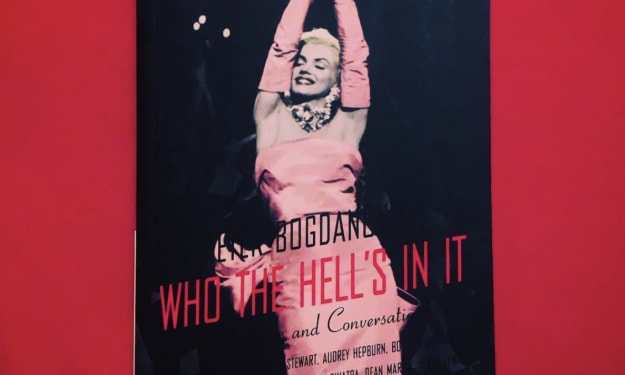
Book Review: "Who the Hell's In It?" by Peter Bogdanovich
Just when I thought I had read most great books about Hollywood in its Golden Age does Peter Bogdanovich come along and surprise me with his amazing classic “Who the Hell’s In It?” - A book not just about Golden Age Hollywood, but something that humanises its most timeless classic stars and the encounters he had with them. Each of these stories alongside well-worded talks, memories and brilliant amounts of emotion will have you believing that there is nothing more incredible than reading the stories of some of the most talented actors of the 50s to the 70s and learning about their intimate human lives as people and not just as Hollywood names. It is one of the most incredible books about the topic I have read because since, I have learned a lot about some of my own favourite actors of the age. When I look at the writing style, there is almost something very personal about it and not just because the writer met a lot of these people. There are memories that connect one person to another, from one star to a random person in the street or to the writer themselves, or even to another star. It is something that is a pretty good moment for style in the book.
By Annie Kapur4 years ago in Geeks
The Nun's Priest's Tale, by Geoffrey Chaucer
The Nun’s Priest is one of the pilgrims in Chaucer’s Canterbury Tales of whom we know virtually nothing before he tells his tale. In the General Prologue we are told that the Prioress has “another nun” with her and “three priests”. When we reach the point at which the Nun’s Priest is introduced, there is no mention of the other two.
By John Welford4 years ago in Geeks
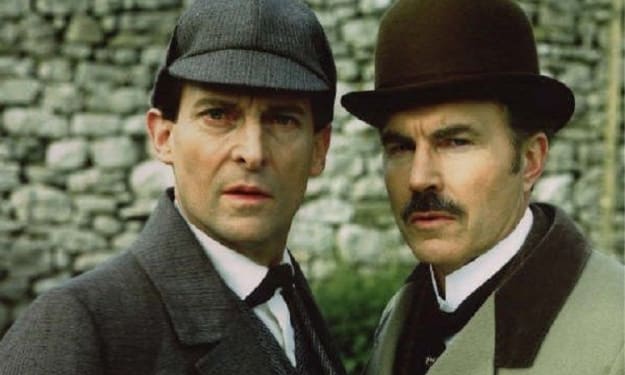
Ranking the 'Baker Street Irregulars: The Game Is Afoot' Stories About Sherlock Holmes
Sherlock Holmes has never been far from popular imagination. His evolution from being Arthur Conan Doyle’s most clever creation to becoming synonymous with Benedict Cumberbatch is testament to his, and his creator’s, everlasting impact. What makes Holmes, and by extension, the cast of Doyle’s series, so enduring is the rounded ways they are written — intelligent, witty, stubborn, loyal and compelling.
By Monita Roy Mohan4 years ago in Geeks
4 Things I Learned about Jane Austen
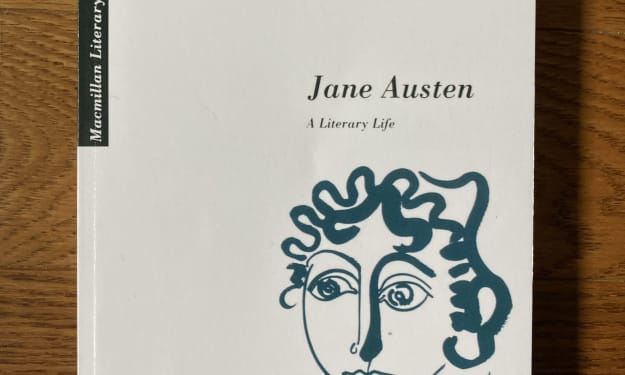
Jane Austen: A Literary Life by Jan Fergusis a great look at Austen's life through her work and the publishing industry at the time. As an Austen fan (Austenian? Austen-head?) I've done my fair share of researching her life, and of course reading a lot of her work. But I had never picked up a biography, until now. Although this is only the first bio I've read, I already feel like it's one of the best and will probably continue to be my favourite. Why? Because no other words can describe it like 'interesting' and 'informative'.
By The Austen Shelf4 years ago in Geeks
Fanny Burney
Frances (or Fanny) Burney was born on 13th June 1752 at King’s Lynn in Norfolk, the third child of Charles Burney, a well-known musician who wrote a celebrated “History of Music”. Although she was a slow starter, she became a voracious reader and an early writer of stories, plays and much else. However, on her 15th birthday she burnt everything she had written up to that date.
By John Welford4 years ago in Geeks
10 Great Scenes from "The Brothers Karamazov"
This is basically one of the best novels ever written. Published in 1879-1880 in "The Russian Messenger" and then made into a separate book the same year, this is basically Fyodor Dostoevsky's seminal work, his magnum opus (I can already hear the "Crime and Punishment" fans rising up against me). But this book is a classic example of how Dostoevsky can create a situation so incriminating and yet, have the lessons of morals and philosophies to go along with it that the character has to use to get themselves out of an impossible situation and avert tragedy. This is definitely true in "The Brothers Karamazov" in which Dmitri is under arrest for the murder of his father, Fyodor Pavlovich Karamazov and yet is adamant that he did not do it even though the whole town seems to know about the fact that he has told his father on ocassion that he will kill him eventually.
By Annie Kapur4 years ago in Geeks
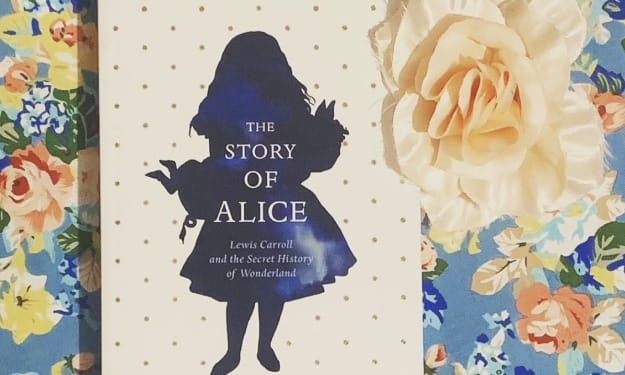
Book Review: "The Story of Alice" by Robert Douglas-Fairhurst
I have read many spin-offs, sequels, art books, historical fictions, horror novels, comic books and nonfiction biographies and autobiographies based on the world of wonderland, those who inhabit it and its creator - Lewis Carroll. In all that time I have probably come across about five books that I can say are basically the best to read if you want to get to know the main text “Alice’s Adventures in Wonderland” better: ‘The Chronicles of Alice’ by Christina Henry, ‘After Alice’ by Gregory Maguire, ‘The Looking Glass Wars’ by Frank Beddor, ‘Lewis Carroll: A Biography’ by Morton Cohen and finally this one right here - ‘The Story of Alice’ by Robert Douglas-Fairhurst.
By Annie Kapur4 years ago in Geeks
The Monk's Tale, by Geoffrey Chaucer
The Monk’s Tale is unusual among Chaucer’s Canterbury Tales in several respects. For one thing, it is interrupted by another pilgrim before it can be completed, something it shares with Chaucer’s own Tale of Sir Thopas, which had been told not long before.
By John Welford4 years ago in Geeks
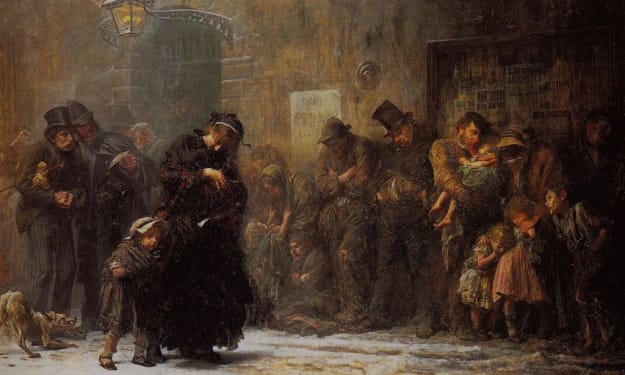
Nancy, in Oliver Twist by Charles Dickens
“Oliver Twist” is the most melodramatic of Charles Dickens’s novels and is peopled by stock characters who would have been familiar to those acquainted with the popular theatre of the day, Dickens being a lifelong enthusiast of drama and the theatre.
By John Welford4 years ago in Geeks