celebrities
Top celebrities in the geek entertainment and comic convention business. Our favorite geek advocates.
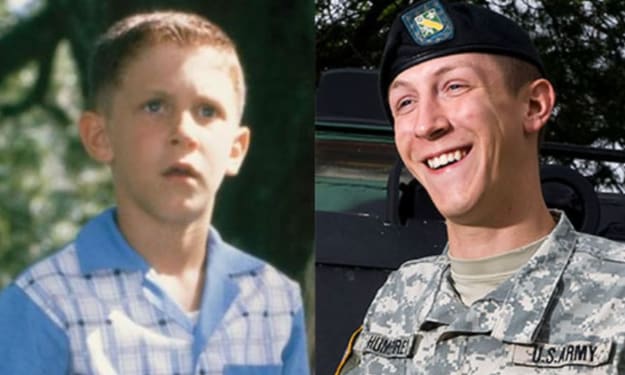
Michael Conner Humphreys portrayed Young Forrest Gump
What happened to Michael Conner Humphreys? Tom Hanks portrayed Forrest Gump in the 1993 film of the same name and went on to a stellar career. Michael Conner Humphreys gave a memorable performance as young Forrest and was chosen because he looked like a young Tom Hanks.
By Cheryl E Preston20 days ago in Geeks
Who Is James Van Der Beek
**Who Is James Van Der Beek** James Van Der Beek is an American actor best known for his role as Dawson Leery in the television series Dawson’s Creek. Born on March 8, 1977, in Cheshire, Connecticut, he developed an interest in acting at an early age and began performing in theater productions while still in school. His breakout role in the late 1990s quickly turned him into a household name and established him as one of the most recognizable television actors of his generation.
By America today 20 days ago in Geeks
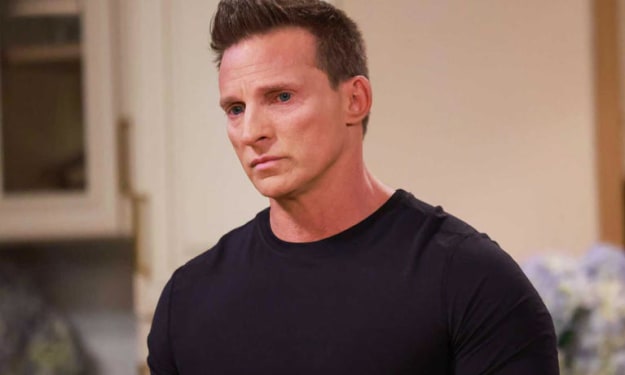
Steve Burton has exited General Hospital and returned more than any other cast member
Steve Burton has departed GH again Steve Burton is beloved as Jason Morgan on General Hospital, but fans have been caught off guard by a series of exits and returns. Genie Francis, who portrays Laura Collins, debuted on the ABC soap in 1977 and has left and returned four times in four decades.
By Cheryl E Preston21 days ago in Geeks
Steve Burton announces he is leaving General Hospital
The Steve Burton rumor is finally real There are always rumors regarding soap stars, and usually, the information is not true. However, this time, what is being reported is accurate. Soap Opera Digest has revealed that Steve Burton is taking a hiatus from his role as Jason Morgan on General Hospital.
By Cheryl E Preston21 days ago in Geeks
"HE DON'T GIVE A F*CK" Cam’ron And MaSe Can't Stop Laughing After Reading Trump’s Tweet Going Off On Bad Bunny’s Super Bowl Performance!
While some broadcasts dissuade from giggling, sometimes it’s warranted. Once foes, Cam’ron and Mase show their kinship and agreement on President Trump’s posts regarding GRAMMY®-award-winner Bad Bunny’s halftime performance.
By Skyler Saunders21 days ago in Geeks
Matt Taylor and the NASA Moment That Changed a Career Forever
Sometimes a name becomes larger than the person behind it. Matt Taylor learned this in a single day, when a moment meant to celebrate scientific success turned into a worldwide conversation about behavior, judgment, and public accountability. Before that day, he was known only within academic and space science circles. After it, millions of people who had never followed space exploration suddenly knew his name. Searching for “matt taylor” now brings up more than a career. It brings up questions about intent, consequence, learning, and how fast public opinion can reshape a life. This article looks closely at who Matt Taylor is, what happened, and why his story still matters years later.
By Muqadas khan22 days ago in Geeks
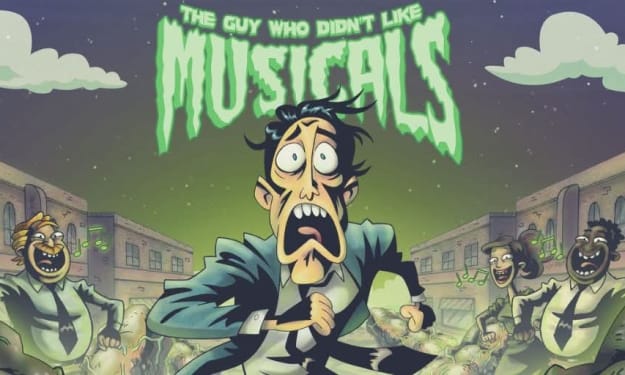
Musicals, Alien Battles, and Unhinged Fun at Theatre Company of Saugus
Sing a song, or the world is destroyed. Theatre Company of Saugus performs “The Guy Who Didn’t Like Musicals,” a horror-comedy about average office worker Paul, who detests musicals. Unfortunately for him, an alien apocalypse crash-lands on Earth and turns citizens into mindless singing zombies. It’s up to Paul and his friends to take down the musical-infested fiends and save humanity.
By Marielle Sabbag22 days ago in Geeks
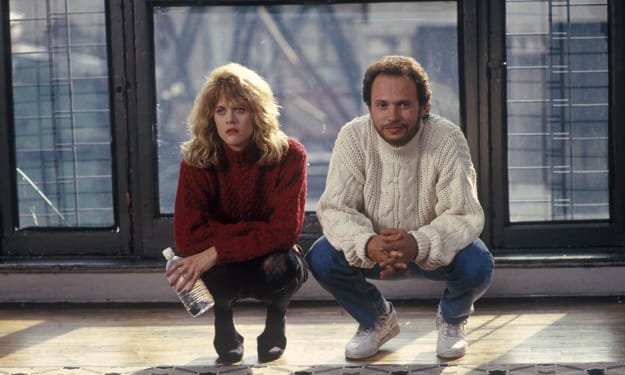
When Harry Met Sally (1989): A Romance Classic
Who says men and women can’t be friends? When Harry Met Sally arrived for its date in theaters in 1989. The story revolves around two people and their decade-long friendship. Harry and Sally debate on any subject, especially relationships. As the years go by, the pair realizes they have feelings stronger than friendship.
By Marielle Sabbag22 days ago in Geeks
Disney’s Next Era: A Fan-Centered, Creator-Driven Vision for the Company That Once Imagined the Future.
Disney is at a crossroads. Not in the dramatic “end of an era” way people say every few years, but in a quieter, more important way. Disney has more money, more platforms, and more fandom franchises than ever before, and yet something feels off.
By Jenna Deedy22 days ago in Geeks
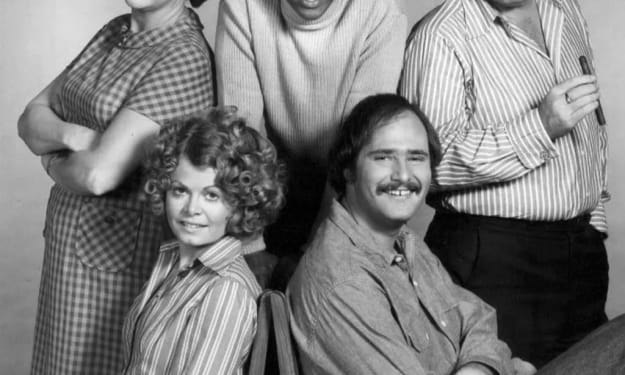
Rob Reiner gave Mike Evans his big break in All in the Family
Mike Evans and Rob Reiner Mike Evans was known for originating the role of Lionel Jefferson on All in the Family. where he remained for five years. He also starred with Sherman Hemsley and Isabel Sanford as George and Louise Jefferson in the AITF spin-off The Jeffersons.
By Cheryl E Preston23 days ago in Geeks
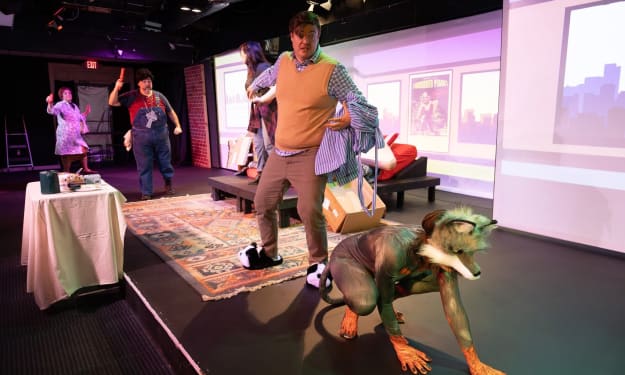
A Howling Good Time: Theatre at the Bell's "Lila the Werewolf"
Honesty is the best policy in relationships - even when the other is a werewolf. Theatre at the Bell presents “Lila the Werewolf,” a play adapted by Jeff Clark based on Peter S. Beagle’s short story. Farrell doesn’t feel that he and Lila are a good fit. Before he ends things, Farrell finds out that she is a werewolf. That puts Farrell in a complicated dilemma: Do they stay together, or break up?
By Marielle Sabbag23 days ago in Geeks