
Rulers of Fortune: A Modern Epic About Power, Greed, and the Price of Ambition
A gripping drama that redefines what it means to win in a world where everything has a cost

Television has no shortage of stories about wealth, power, and betrayal—but Rulers of Fortune stands apart. This electrifying series doesn’t just dramatize the battle for dominance among the elite; it dissects it, layer by layer, until what remains is a raw and unflinching look at human nature itself. Created by Ava Henderson and produced by Orion Studios, Rulers of Fortune has quickly become one of the most talked-about dramas of the year, thanks to its impeccable writing, complex characters, and haunting portrayal of ambition gone wrong.
The Premise: Power Has a Price
At its core, Rulers of Fortune follows the Delgado family, a dynasty whose empire spans banking, tech, and global energy. When patriarch Victor Delgado (played by Mark Strong) suffers a sudden stroke, his three children—Elena, Rafael, and Marcus—find themselves locked in a brutal power struggle for control of the empire.
Elena (portrayed by Natalie Dormer) is the calculating strategist, cold and brilliant, with a sense of moral superiority that masks her ruthlessness. Rafael (Diego Luna) is the idealist, trying to steer the company toward ethical sustainability, but his compassion becomes his weakness. Marcus (Luke Evans) is the wild card—charismatic, reckless, and addicted to danger.
As they each vie for dominance, alliances shift, betrayals multiply, and the true “rulers of fortune” emerge—not necessarily those with the most money, but those willing to sacrifice the most.
A Narrative Built on Moral Grayness
What makes Rulers of Fortune so compelling is its refusal to paint anyone as purely good or evil. Every character is both a victim and a villain in their own right. The series understands that power doesn’t just corrupt—it consumes.
Showrunner Ava Henderson (formerly a writer on Succession and Billions) brings her sharp political sensibilities to the script. She crafts a world where every conversation is a chess move, every smile hides a blade. Yet amid the cold manipulation, there are moments of startling vulnerability—a trembling hand, a look of regret, a quiet confession whispered in a limousine. These glimpses remind viewers that beneath the gloss of power, these “rulers” are still human, haunted by the same insecurities as anyone else.
It’s this tension between grandeur and intimacy that gives the series its staying power.
Performances: A Masterclass in Controlled Chaos
The ensemble cast delivers powerhouse performances that elevate the material. Natalie Dormer’s Elena Delgado is a revelation—icy, commanding, and devastatingly intelligent. She channels the cool control of Claire Underwood with the moral ambiguity of Lady Macbeth. Her portrayal of a woman who believes she can outthink fate is mesmerizing from start to finish.
Diego Luna brings quiet fire to Rafael, grounding the series with emotion and empathy. His scenes with his estranged father, Victor (Mark Strong), are some of the show’s best—wordless exchanges filled with years of resentment and unspoken love. Luke Evans, meanwhile, infuses Marcus with a dangerous charisma that makes him impossible to look away from, even as his impulsive choices drive the family closer to ruin.
Supporting performances, particularly from Shohreh Aghdashloo as the family matriarch Isabel, lend gravitas and heart to the story. Isabel’s struggle to hold her fractured family together while guarding dark secrets of her own adds a rich emotional undercurrent to the power plays unfolding on screen.
Visual and Tonal Brilliance
From its first frame, Rulers of Fortune asserts itself as a visual triumph. The cinematography by Tobias Schliesser is sleek, deliberate, and often symbolic. Boardrooms are lit like battlegrounds—sterile, cold, yet charged with tension. The use of reflective surfaces—mirrors, glass walls, and skyscraper windows—echoes the show’s themes of duality and deception.
Each location feels like its own character: the Delgado family mansion exudes old-world authority, while the New York offices radiate modern ambition and isolation. The camera lingers just long enough on luxurious details—the flick of a pen, the shimmer of champagne—to remind viewers that opulence and emptiness often coexist.
Composer Ramin Djawadi (of Game of Thrones fame) brings an atmospheric score that pulses beneath every scene, weaving tension and melancholy in equal measure. His music becomes the heartbeat of the series—never overpowering, always haunting.
Themes: The Anatomy of Ambition
While Rulers of Fortune may be about billionaires, its true subject is the human condition. It’s a meditation on legacy, greed, and the illusion of control. The show asks difficult questions: What does success cost? What do we owe to family, to love, to ourselves?
Through the Delgado siblings, we see three philosophies of ambition collide. Elena believes control equals strength. Rafael believes empathy equals progress. Marcus believes chaos equals freedom. Each is partially right—and tragically wrong. The brilliance of the writing lies in how it shows their moral unraveling without ever condemning them outright.
In one of the show’s standout monologues, Victor Delgado reflects on his empire, saying, “We built towers so high we forgot to look down at the foundation. Now the cracks are eating us alive.” It’s a line that resonates far beyond the fictional family—it mirrors our own society’s obsession with power and wealth, even as the cost becomes unbearable.
Cultural Resonance
Unlike many corporate dramas, Rulers of Fortune doesn’t just critique capitalism—it humanizes it. It acknowledges how systemic greed seeps into personal relationships, how ambition can masquerade as love, and how privilege distorts morality.
The show’s diverse cast and global scope also set it apart. It refuses to confine power to one culture or geography, instead showing how ambition transcends borders. From Wall Street boardrooms to Hong Kong skyscrapers, the hunger for control is universal.
What’s most impressive is how the series captures our collective anxiety about the future. In an age of economic uncertainty, environmental crisis, and digital dominance, Rulers of Fortune feels painfully relevant. It’s not just a drama about billionaires—it’s a mirror reflecting our own complicity in systems of power.
Final Thoughts: A New Gold Standard in Prestige Television
Rulers of Fortune is more than just another sleek corporate thriller—it’s a modern-day morality play, executed with elegance and depth. Its blend of emotional intensity, ethical ambiguity, and visual sophistication places it among the greats of prestige television.
Each episode ends not with a twist, but with a question—forcing viewers to grapple with their own values. Are we any different from the Delgados? Would we act more honorably if given the same power? The show’s brilliance lies in making us doubt the answer.
About the Creator
Keep reading
More stories from James S Pope and writers in Geeks and other communities.
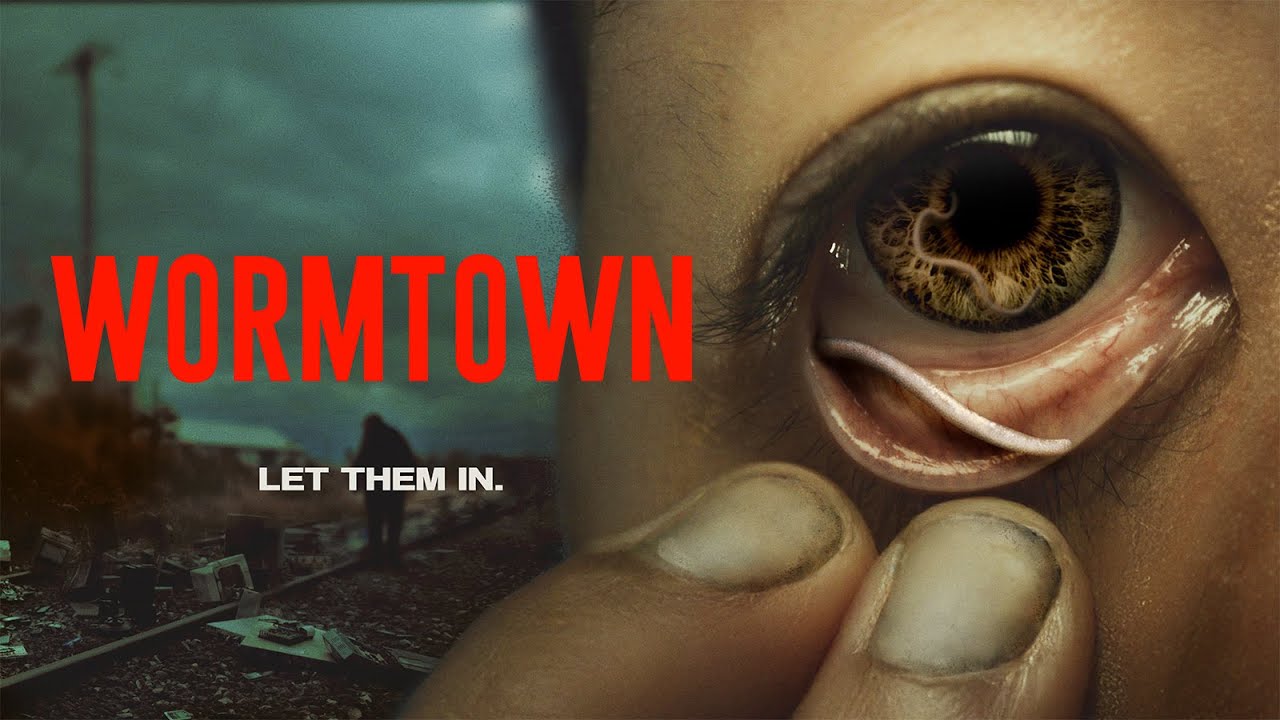
Wormtown: A Raw Glimpse into the Decay and Resilience of Small-Town America
Independent cinema has always had a knack for unearthing the strange, the gritty, and the profoundly human corners of America that mainstream Hollywood often overlooks. Wormtown, directed by Mike Heslin, is a perfect example of this. The film dives headfirst into the underbelly of a forgotten Massachusetts town, presenting a world where addiction, economic decay, and fractured dreams intertwine like the roots of an ancient, dying tree. It’s uncomfortable, raw, and eerily familiar—a portrait of small-town America in slow collapse, but also of the stubborn spirit that refuses to vanish.
By James S Pope2 months ago in Geeks
Silver Screen Magic with Mae West
American actress and singer Mae West became a popular film actress during the Great Depression. She started entertaining in vaudeville, then performed on Broadway, and finally went to Hollywood. She signed up with Paramount Pictures and made her debut in the 1932 film “Night After Night.” She also starred in musicals, comedies, and crime dramas. The American Film Institute named her one of the best classic Hollywood actresses.
By Rasma Raisters6 days ago in Geeks
Book Review: "The Queen" by Andrew Morton
You're probably wondering why on earth I would read this book. It was free and it was a fair length. That was basically it at first. But another reason is because I enjoyed the show The Crown and so, it only makes sense to read a book that goes through separating facts from fictions - and to be fair, there aren't a lot of fictions about the show it seems. From the birth of the little princess and the way in which her father was reluctantly to become the king, all the way to meeting and marrying the veteran prince, Duke of Edinburgh and even down to the death of her father, queendom and beyond, this book actually gives us a lot about a woman who basically embodied the greatness and modernisation of the British 20th Century.
By Annie Kapurabout 21 hours ago in Geeks


Comments
There are no comments for this story
Be the first to respond and start the conversation.