
Online security in the digital age: Guarding your data-making safety choices
Why online security matters now more than ever

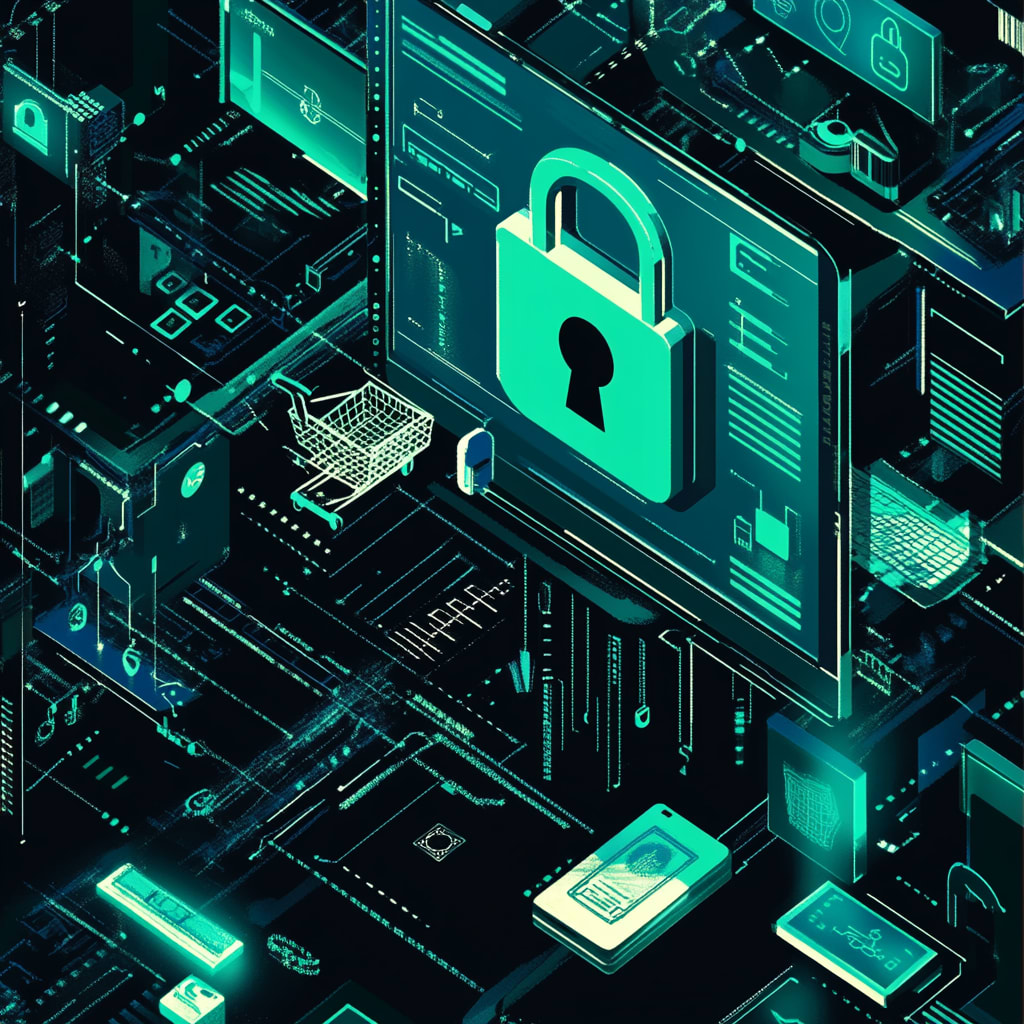
Today, with a world of rapid digital motion, our dependency has grown to such scales that from online shopping and subscription to services, social media interaction, and gaming, a lot of our personal data is exposed day by day. As much as the use of the Internet is convenient, it is very important that you secure your personal information, especially when moving through websites that require registration or any kind of financial transaction.
Why You Should Always Verify the Sites You Visit
The internet is an ocean of information, and not all that one finds on it is credible. Each time you are on a website-be it by any means where personal or financial information is needed-you should be very careful. Verification of resources with which you interact will help protect you from fraud, leakage of data, and theft of identities. A good starting point for general research on the basics of online security would be studying the information available in reliable sources, such as the Wikipedia page on Internet Security. It offers good impressions about most of the threats and protective tactics.
1. Phishing Websites: Many fraud sites are designed just to look like legitimate ones. Often, such fraudsters will request sensitive information, including your passwords or your credit card number. A simple verification of the URL or a simple search about the website will help you evade a whole lot of headache later on.
2. Unsecure Connections: If a website does not have any protection of SSL certificate-it will not have a padlock icon, neither will "https" be showing in the URL-address, then your data might not be safe when you input it. Always make sure that websites which require login information or financial data have secure connections.
3. Reputation of Platforms: Research and reviews are your friends. If you need to sign up or buy from an unknown website, look for the reviews and ratings from trusted sources. A little search on some forums or platforms reviewing websites gives you an idea if it is a safe and reliable website.
Protection of Personal Data Online
Every time you sign up on other websites or conduct any type of online transaction, there is always a risk that your personal data can be compromised. How to keep the information safe:
- Use Unique and Strong Passwords: Never use the same password in different sites, especially for sensitive accounts like banking, shopping, or gaming. Get a good password manager that will help in creating and storing unique, complex passwords for each account.
- Two-Factor Authentication (2FA): These days, most online platforms have options for 2-factor authentication, besides password protection. Wherever this option is available, enable it, as it reduces the possibilities of unauthorized access greatly.
- Use Public Wi-Fi with Care: Most public Wi-Fi networks are not secure, making it relatively easy for a hacker to intercept data. Avoid making transactions or opening sensitive accounts on them; alternatively, use a VPN to add security.
- Keep Your Device Up-to-Date: Regular updates of software and devices will keep you current on the latest security patches, meaning you're better protected from new threats and vulnerabilities.
The Link Between Online Security and Gaming, Betting
The point at which online security is actually ignored is in the game and online betting platforms. Whether one is a casual gamer or an avid sports bettor who wants to place some bets on his favorite sports teams, it's very important to make sure that one uses a secure and licensed platform. These platforms are designed for depositing money or any other sensitive information by users and therefore pose as perfect targets by hackers and scammers.
If one enters the gaming world, he can find numerous horror stories of players that lost their accounts because of improper security practice. Equally, not only can an online betting site not having the right license lead to your data being stolen, but also result in the loss of your entire money .
Choosing a Secure and Licensed Platform for Gaming and Betting
Not all online gaming and betting platforms are created equal. You want to use a secure, licensed platform that protects your data and funds. A licensed online gambling and betting website will work within strict governance by government authorities to make sure your money is fairly treated and that personal data will be kept safe from the end of unauthorized persons.
For example, Cashed Casino provides a secure and trustworthy base for those interested in online gaming and wagering. As an online casino licensed entirely, this institution, besides offering a great variety of games, offers the most up-to-date security against compromising your personal and financial data. Utilizing advanced encryption technologies, the website will keep every transaction and any interaction you do completely secure.
More so, licensed platforms like Cashed Casino ensure the games are fair and any payouts are done in a decent manner. These regulate their activities by the standards set forth by the regulatory authority that gives the user peace of mind knowing they will have fun in a non-threatening environment.
Conclusion: Make Online Security Your Utmost Priority
Whatever the opportunity the internet can give to you for shopping, entertainment, and gaming, you need to be observant with websites and platforms. First and foremost, taking care of your personal data needs to come into consideration if money comes into question-be it buying, subscribing, or betting online. You have to check whether the platform is valid and secure.
When it comes to online gaming and online betting, one should not compromise on choosing a licensed and secure platform. Cashed Casino makes sure the players have a safe, regulated place to play, which helps protect your money and data. As the digital world keeps changing, enjoy the fun and convenience without compromising on security.
Stay safe, play smart, and always look after your security online!
About the Creator
Keep reading
More stories from writers in Geeks and other communities.
Silver Screen Magic with Mae West
American actress and singer Mae West became a popular film actress during the Great Depression. She started entertaining in vaudeville, then performed on Broadway, and finally went to Hollywood. She signed up with Paramount Pictures and made her debut in the 1932 film “Night After Night.” She also starred in musicals, comedies, and crime dramas. The American Film Institute named her one of the best classic Hollywood actresses.
By Rasma Raisters7 days ago in Geeks
Center Stage with Paul Stewart
*** I'm keen to republish the interviews I did for my series with Vocal creators. It's been a few years and I thought it might be nice to revisit these wonderful conversations. I'll be releasing them one at a time for a few weeks/months.
By Heather Hubler6 days ago in Interview



Comments
There are no comments for this story
Be the first to respond and start the conversation.