
NARNIA RE-AWAKENED: A DEEP DIVE INTO 'PRINCE CASPIAN' AND THE RETURN TO MAGIC
"The Chronicles of Narnia: Prince Caspian," released in 2008, marked the second cinematic installment in the adaptation of C.S. Lewis's beloved fantasy series.

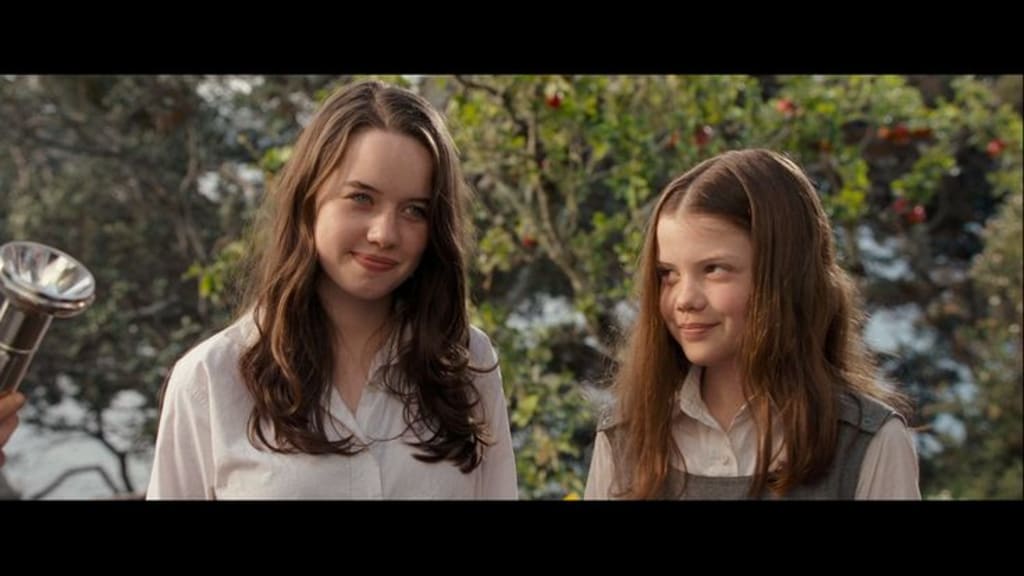
Following the success of "The Lion, the Witch and the Wardrobe," expectations were high for this darker, more mature chapter. Stepping away from the whimsical innocence of the first film, "Prince Caspian" plunges audiences into a Narnia grappling with oppression, rebellion, and the fading memory of the Golden Age. This article offers an in-depth exploration of the film, dissecting its narrative complexities, examining its cast and production, and analyzing its reception by critics and audiences alike. From the intricacies of its visual effects to the strategic marketing campaign, we'll uncover the story behind the film that sought to rekindle the magic of Narnia for a new generation.
Plot:
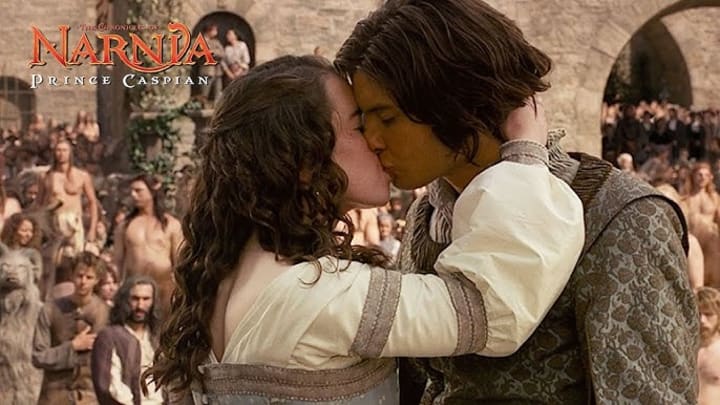
The narrative of "Prince Caspian" unfolds centuries after the Pevensie siblings’ initial reign in Narnia. Narnia is now ruled by the Telmarines, a race of humans who have driven the original Narnians into hiding. The rightful heir to the throne, Prince Caspian, played by Ben Barnes, is forced to flee for his life when his uncle, the ruthless Miraz, seizes power and plans to eliminate him to secure the throne for his own unborn son.
Desperate, Caspian blows the ancient horn of Queen Susan, a magical artifact that summons the Pevensie children back to Narnia. Peter (William Moseley), Susan (Anna Popplewell), Edmund (Skandar Keynes), and Lucy (Georgie Henley) find themselves inexplicably transported back, only to discover that the Narnia they knew is gone. Time moves differently in Narnia, and centuries have passed since their departure.
Disheartened and struggling to understand the changed landscape, the Pevensies join forces with Caspian and the surviving Narnians, including the gruff but loyal dwarf Trumpkin (Peter Dinklage) and the valiant mouse Reepicheep (voiced by Eddie Izzard). They begin a campaign of guerilla warfare against the Telmarines, hoping to liberate Narnia and restore Caspian to his rightful place as king.
The film’s plot takes several dramatic turns. Initially, the Pevensies struggle to reconcile their expectations with the harsh realities of this new Narnia. Peter, in particular, chafes at the idea of relinquishing command to Caspian, leading to internal conflict and strategic missteps. Caspian, too, grapples with the morality of his decisions, especially after a desperate attempt to summon the White Witch (Tilda Swinton) back to life – a testament to the depths of his desperation and the lingering darkness within Narnia.
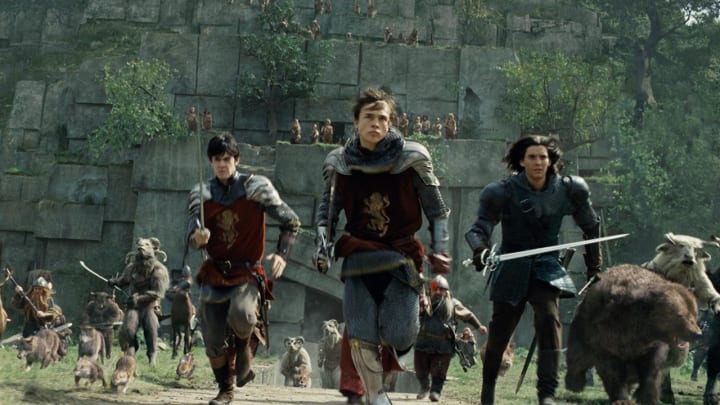
The climax of the film is a large-scale battle between the Narnian rebels and the Telmarine army. While outnumbered, the Narnians are aided by the return of Aslan, the great lion (voiced by Liam Neeson). Aslan’s presence rallies the Narnians and ultimately turns the tide of the battle, leading to Miraz’s defeat and Caspian’s ascension to the throne. The film concludes with the Pevensies, except for Peter and Susan, who are deemed too old, returning to their own world, leaving Caspian to rule over a Narnia now shared by Telmarines and original Narnians alike. The narrative style of "Prince Caspian" is significantly darker and more action-oriented than its predecessor, reflecting the themes of oppression, war, and the loss of innocence.
Cast:
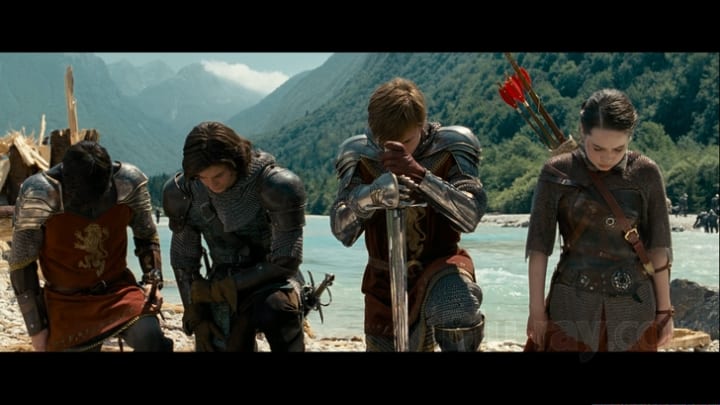
The casting of "Prince Caspian" was crucial to its success.
Ben Barnes brought a noble vulnerability to the title role, portraying Caspian as a young man burdened by responsibility and wrestling with moral dilemmas.
William Moseley reprised his role as Peter Pevensie, showcasing a more mature and conflicted version of the High King.
Anna Popplewell as Susan, Skandar Keynes as Edmund, and Georgie Henley as Lucy, also returned, each grappling with their own challenges in adjusting to the changed Narnia and their evolving roles.
One of the standout casting choices was Peter Dinklage as Trumpkin. His portrayal of the cynical and pragmatic dwarf was a refreshing addition to the ensemble, providing both comic relief and emotional depth. Eddie Izzard lent his voice to Reepicheep, capturing the character’s unwavering courage and chivalry with wit and charm. Sergio Castellitto delivered a chilling performance as the villainous Miraz, embodying the ruthless ambition and cruelty of the Telmarine usurper. The actors effectively brought to life the complex characters and their relationships, contributing significantly to the film's emotional impact.
Reviews:
"Prince Caspian" received mixed reviews from critics and audiences. While praised for its impressive visual effects, action sequences, and darker tone, the film was criticized for its pacing, script, and perceived deviations from the source material. Some critics felt that the film lacked the heart and wonder of "The Lion, the Witch and the Wardrobe," finding the characters less engaging and the plot somewhat convoluted.
However, many viewers appreciated the film's more mature themes and action-packed storyline. The performances of the cast, particularly Ben Barnes and Peter Dinklage, were generally well-received. Audience reviews often highlighted the film's visual spectacle and its ability to transport viewers back to the magical world of Narnia, even if it differed from their expectations based on the book.
Production:
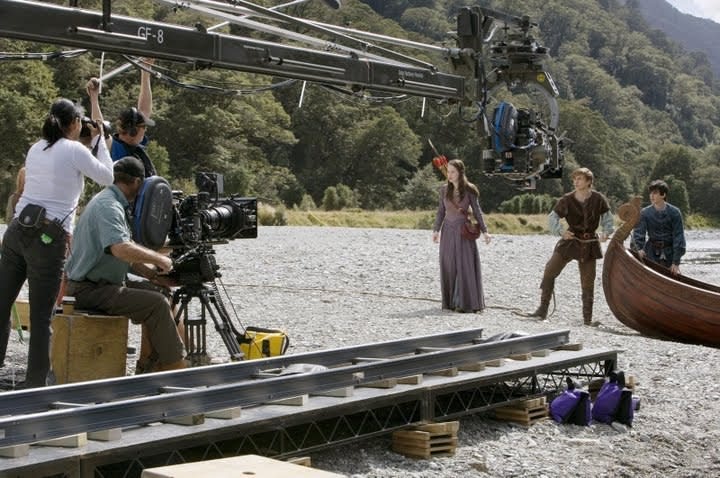
The production of "Prince Caspian" was a significant undertaking, involving extensive location shooting and complex visual effects. The film was directed by Andrew Adamson, who also helmed "The Lion, the Witch and the Wardrobe." The production team scoured locations around the world to find the perfect settings for Narnia, ultimately settling on countries like the Czech Republic, Poland, Slovenia, and New Zealand. The budget for "Prince Caspian" was reportedly around $225 million, reflecting the scale and ambition of the project. Walden Media co-financed the film with Disney before Disney relinquished distribution and co-financing duties to 20th Century Fox, citing scheduling conflicts.
Writing and Casting:
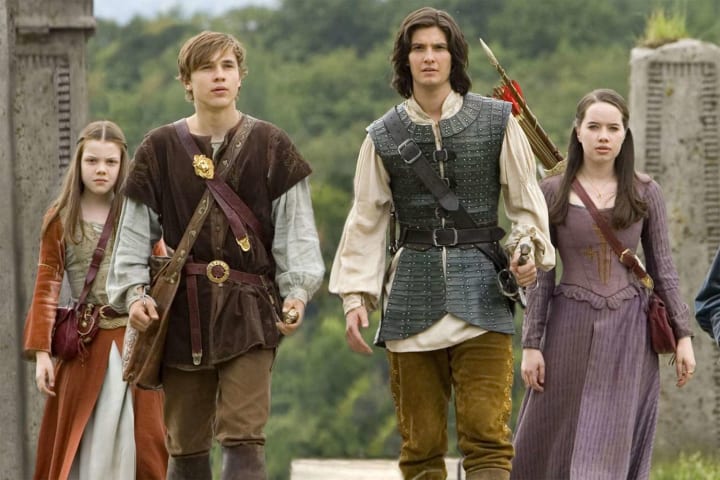
The screenplay for "Prince Caspian" was written by Andrew Adamson, Christopher Markus, and Stephen McFeely. The writers faced the challenge of adapting a complex novel with a large cast of characters and multiple storylines. They made some significant changes to the plot and character development, which drew criticism from some purists but were intended to streamline the narrative for the screen.
The casting process for "Prince Caspian" was extensive. Ben Barnes was chosen for the role of Prince Caspian after a rigorous search, impressing the filmmakers with his charisma and acting ability. Peter Dinklage's casting as Trumpkin was a particularly inspired choice, bringing a unique blend of cynicism and heart to the character. The return of the original Pevensie actors ensured continuity and familiarity for audiences, further solidifying the film's connection to its predecessor.
Principal Photography:
Principal photography for "Prince Caspian" began in February 2007 and lasted for several months. The shoot was physically demanding, with the actors spending long hours on location in challenging conditions. Numerous stunt performers were used during battle scenes and the actors had to endure intense training with swords.
One funny behind-the-scenes incident involved Peter Dinklage, who, despite his diminutive stature, insisted on performing many of his own stunts. According to reports, he once accidentally tripped over his own feet while wielding an axe, sending the prop flying into a nearby tree. The crew reportedly erupted in laughter, while Dinklage good-naturedly shrugged it off and insisted on trying again.
Production Design:
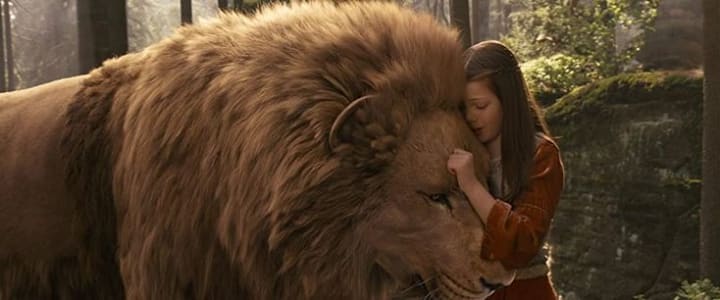
The production design of "Prince Caspian" was crucial to creating the film's darker and more war-torn atmosphere. The set design featured imposing castles, dense forests, and elaborate battlefields. The costumes were designed to reflect the different cultures and factions within Narnia, from the regal attire of the Telmarine royalty to the practical garb of the Narnian rebels. The visual aesthetics of the film were significantly grittier and more realistic than those of "The Lion, the Witch and the Wardrobe," reflecting the more mature themes of the story.
Sound Design & Music:
The sound design of "Prince Caspian" played a vital role in immersing audiences in the film's world. The sound effects were carefully crafted to enhance the impact of the battle sequences, with the clash of swords, the thundering hooves of horses, and the roars of mythical creatures creating a visceral and immersive experience.
Harry Gregson-Williams composed the musical score for "Prince Caspian," building upon the themes he established in "The Lion, the Witch and the Wardrobe." The score was darker and more dramatic, reflecting the film's more serious tone. Gregson-Williams incorporated elements of orchestral music, folk music, and electronic music to create a soundscape that was both epic and emotionally resonant.
Visual Effects:
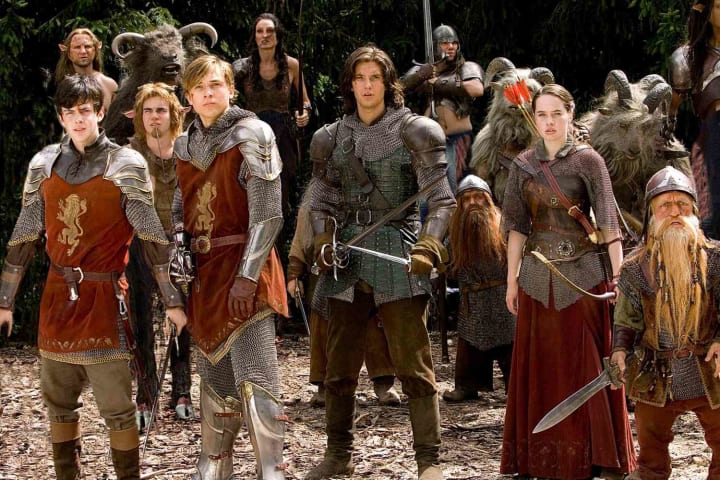
The visual effects in "Prince Caspian" were a significant improvement over those in the first film, showcasing advancements in CGI technology. The creation of Aslan, Reepicheep, and other mythical creatures was particularly impressive, with the visual effects artists imbuing them with lifelike detail and expressive animation. The battle sequences were also enhanced by stunning visual effects, creating a sense of scale and spectacle.
Influences:
"Prince Caspian" draws inspiration from a variety of sources, including historical events, literary works, and cinematic traditions. The Telmarine invasion of Narnia is reminiscent of historical invasions and colonizations, while the Narnian rebellion echoes resistance movements throughout history. The film also incorporates elements of Arthurian legend, with Caspian as the rightful heir to the throne who must reclaim his kingdom from an usurper. Cinematic influences include historical epics like "Braveheart" and "Gladiator," which share similar themes of rebellion, war, and the struggle for freedom.
Scientific Knowledge :
While "Prince Caspian" is primarily a fantasy film, it does incorporate some elements of scientific plausibility. The concept of time dilation, where time moves differently in Narnia compared to the real world, is a scientific theory that has been explored in physics. While the film does not delve into the scientific details, it acknowledges the possibility of different dimensions and realities existing simultaneously.
Marketing, Release & Box Office:
The marketing campaign for "Prince Caspian" was extensive, targeting both fans of the books and general audiences. The campaign included trailers, television spots, posters, and online advertising. The filmmakers also partnered with various brands to create tie-in products, such as toys, clothing, and video games. "Prince Caspian" was released in theaters worldwide in May 2008. While it grossed over $419 million worldwide, it was considered a moderate success, falling short of the box office performance of "The Lion, the Witch and the Wardrobe."
Critical Responses:
"Prince Caspian" received a mixed response from critics and audiences. While the film was praised for its visual effects and action sequences, it was criticized for its pacing, script, and deviations from the source material. Some critics felt that the film lacked the heart and wonder of "The Lion, the Witch and the Wardrobe," finding the characters less engaging and the plot somewhat convoluted. Despite the mixed reviews, "Prince Caspian" remains a popular entry in the "Chronicles of Narnia" film series, appreciated for its darker tone, impressive visuals, and memorable performances. It's a film that, while perhaps not reaching the heights of its predecessor, still managed to reignite the magic of Narnia for a new generation of viewers.
About the Creator
Xavier
Global news reporter covering science, tech, environment, Entertainment & sports. Delivering balanced insights to inform and inspire readers worldwide. Sometimes a poet.
Goodbye, Mr. Duvall
It is turning out to be an interesting year. I was in the middle of teaching a class when a pop-up appeared on the screen announcing the death of Mr. Robert Seldon Duvall (yes, that was his full name). I was in the middle of a discussion on the obsession we have with winning when it comes to sports (the Winter Olympics was a theme), and I felt as though things were coming full circle. We had already lost Gene Hackman last year, and along with that titan, it feels though one particular golden age has closed off to be replaced by...?
By Kendall Defoe 26 days ago in Geeks
My Etsy Journey and Listings
In mid-January this year, I opened an Etsy shop and named it 'ArtsforHealingGifts'. As of March 8, 2026, in my shop, I have 68 listings. I am tracking which items are working, which are not. Why success and failure happen? How can I improve the invisible ones?
By Seema Patel6 days ago in Geeks


Comments (3)
brilliant ♦️✍️🏆♦️I subscribed to you please add me ♦️🙏♦️
Nice work! I really enjoyed this. Keep up the good work.
Narnia is so magical! Narnia is a place! I like Narnia! Great work’! Let’s go to Narnia!