
Israeli Tank Fires at Lebanese Army During Joint Field Mission with UN Peacekeepers in South
Tensions on the Lebanon–Israel Border Escalate as Ceasefire Violations Continue

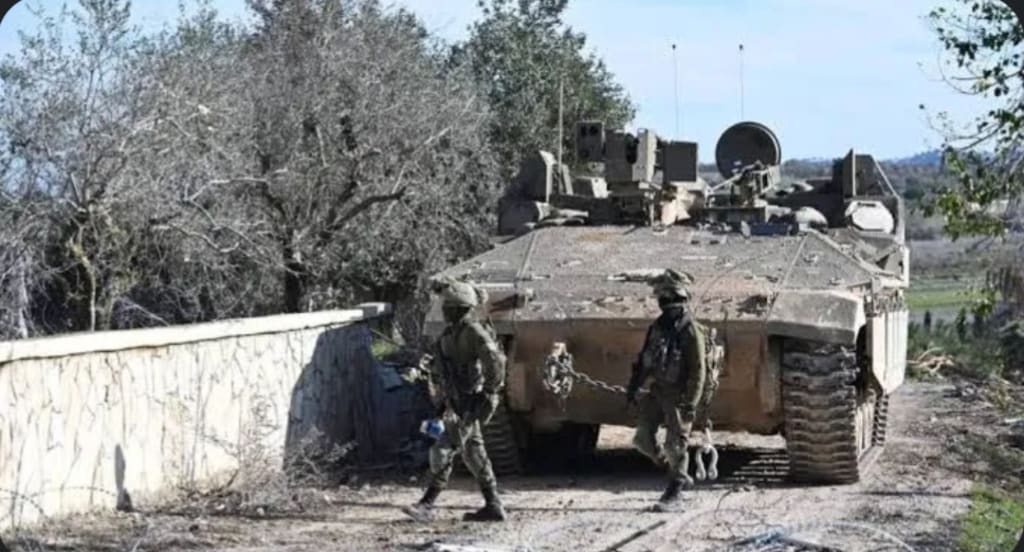
An Israeli tank opened fire on a Lebanese army unit during a joint field mission with United Nations peacekeepers in southern Lebanon, in the latest sign of rising tensions along the often‑volatile Lebanon–Israel frontier. The incident, which occurred on Friday near Wadi al‑Asafir in the Marjayoun district, has raised alarm among regional governments and international observers, spotlighting ongoing ceasefire challenges and the fragile nature of peace efforts in the region.
What Happened?
According to Lebanon’s National News Agency (NNA), an Israeli tank fired toward the area where Lebanese army troops were operating with members of the United Nations Interim Force in Lebanon (UNIFIL) during a coordinated field mission near the town of Khiam. The shooting reportedly came from a newly established Israeli military position in the Hammams area, though Lebanese officials did not provide details on casualties or material damage.
There has been no immediate public statement from the Israeli military regarding the incident. Earlier reports have noted that from time to time Israeli forces, including tanks and other units, have fired on or near UNIFIL‑linked missions or peacekeeper positions, prompting repeated calls from the United Nations for adherence to the ceasefire and respect for peacekeeper safety.
The Context: Southern Lebanon and UNIFIL’s Role
Southern Lebanon has been among the most sensitive and militarized border zones in the Middle East. After decades of conflict, including the devastating conflict between Israel and the Iranian‑backed militant group Hezbollah, a ceasefire and truce agreement was reached in late 2024, ending more than a year of intensive fighting that left thousands dead and many more wounded on both sides.
The UN Interim Force in Lebanon (UNIFIL) has operated in the region since 1978, with its mandate expanded after major conflicts to monitor ceasefire lines, support Lebanese army deployment, and help ensure that hostilities do not flare up again. However, increasing reports of cross‑border fire, airstrikes, and clashes with local armed groups have complicated its mission and raised questions about the durability of peace along the so‑called Blue Line — the UN‑verified border between Lebanon and Israel.
Peacekeepers and Ceasefire Violations
UNIFIL and Lebanese authorities have repeatedly reported that Israeli forces have fired at or near positions held by peacekeepers or Lebanese troops in recent months. In some cases, Israeli tank and machine‑gun fire has landed within a few meters of UN patrols. Peacekeepers have also been targeted despite established coordination protocols designed to prevent misunderstandings.
According to UN reports, one such incident saw Israeli forces fire heavy machine‑gun rounds near a UN patrol, forcing peacekeepers to take cover and retreat after contacting the Israeli military through liaison channels — a mechanism intended to reduce tension and avoid escalations.
Local and international actors consider such episodes serious violations of United Nations Security Council Resolution 1701, the 2006 agreement that ended another Lebanon–Israel war and established the framework for peacekeeping operations and ceasefire arrangements. These repeated violations, even if they do not result in casualties, undermine confidence in the truce and complicate ongoing stabilization efforts.
Official and Local Reactions
Lebanese officials and military sources have expressed concern over the apparent escalation and the continued presence of Israeli military positions inside Lebanese territory, despite formal ceasefire terms that called for a withdrawal. Lebanon’s government and army leadership have repeatedly condemned such activities as violations of national sovereignty and contributors to regional instability.
UNIFIL has also publicly urged all parties to respect the safety and security of its personnel and to cease any activities that risk the wellbeing of peacekeepers or interfere with their mandate. In past incidents, the UN force has emphasized the importance of full compliance with Security Council resolutions and international humanitarian law.
What This Means for Regional Stability
The firing incident comes amid broader tensions across the Middle East, particularly near conflict zones involving Israel, Lebanese factions, and other regional players. The border area between Lebanon and Israel has seen periodic flare‑ups, including airstrikes, artillery exchanges, and smaller skirmishes over the past several months, despite diplomatic efforts to maintain ceasefire conditions.
Observers warn that continued military activity — even without significant casualties — can feed mistrust and heighten the risk of larger confrontations. Incidents involving peacekeepers are especially concerning, as they may erode the perceived neutrality and safety of UN missions designed to prevent precisely such escalation.
The Broader Implications
Security analysts note that the persistence of cross‑border fire and ceasefire violations underscores deeper challenges in achieving a lasting peace between Israel and Lebanon, particularly given the influence of external actors and non‑state armed groups like Hezbollah. These dynamics complicate diplomatic efforts and pose ongoing risks not just to military personnel but to civilians living near border areas.
For now, the focus remains on preventing isolated incidents from spiraling into wider confrontations. The international community, including UN member states and regional actors, continues to call for calm and renewed commitment to ceasefire agreements. Whether these calls can translate into durable stability, however, remains uncertain in a context where historical grievances, strategic rivalries, and armed force posturing intersect daily.
A Fragile Calm
The latest incident involving an Israeli tank, Lebanese army troops, and UN peacekeepers highlights the fragility of the current calm in southern Lebanon. Even routine missions meant to build confidence and maintain peace can be disrupted by sudden violence, underscoring the ongoing risk along one of the Middle East’s most contested borders. As diplomats and military leaders assess the implications, the priority remains clear: reinforcing mechanisms that prevent escalation and uphold the safety of both national forces and international peacekeepers.
About the Creator
Keep reading
More stories from Salaar Jamali and writers in Geeks and other communities.
What the Mountains Can Teach Us
Mountains have long held a special place in human imagination. Rising majestically from the earth, they challenge adventurers, inspire artists, and humble even the most accomplished explorers. Beyond their physical grandeur, mountains offer profound lessons that extend far beyond climbing trails or trekking expeditions. They teach us about resilience, patience, perspective, and our connection to the natural world.
By Salaar Jamaliabout 20 hours ago in Styled
Silver Screen Magic with Mae West
American actress and singer Mae West became a popular film actress during the Great Depression. She started entertaining in vaudeville, then performed on Broadway, and finally went to Hollywood. She signed up with Paramount Pictures and made her debut in the 1932 film “Night After Night.” She also starred in musicals, comedies, and crime dramas. The American Film Institute named her one of the best classic Hollywood actresses.
By Rasma Raisters11 days ago in Geeks
Rachel Reviews: The Spiral Archive by Pieter Hendrik
It's difficult for me to know where to start with a review of this book as it was, for me, an entirely unique experience and one that I'll probably never have again. I don't want that to be interpreted as unenjoyable but it has left me scratching my head a little and ruminating on its content, its themes and its characters.
By Rachel Deeming7 days ago in BookClub


Comments
There are no comments for this story
Be the first to respond and start the conversation.