
If you manage SEOs, here are 8 important things to remember
SEO Tips
This list provides a realistic take on SEO and its challenges. Let’s break down these points:
SEO takes time: SEO is a long-term investment. Ranking improvements, traffic increases, and other outcomes don’t happen overnight. It often takes months to see substantial results.
SEO needs budget: While SEO might be organic, it still requires resources. You need tools, content creation, technical fixes, and often, expert help.
Google is a bastard: This expresses frustration with Google’s ever-evolving algorithms. Constant updates and changing rules make SEO a moving target.
SEOs aren't magicians: Expectations can be unrealistic. SEO specialists can’t promise overnight results or guarantee specific rankings.
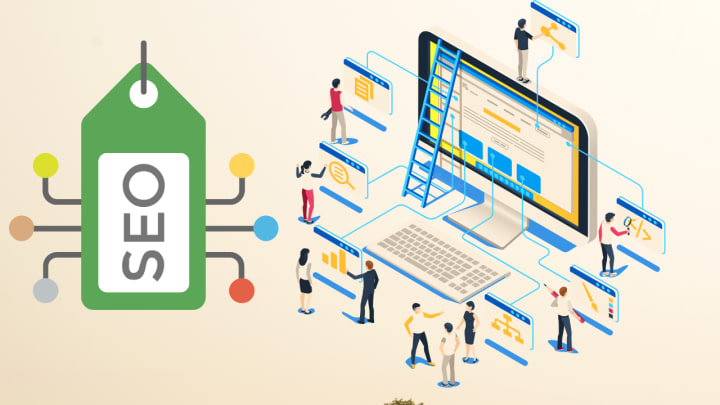
Not all SEO work is visible: Many SEO efforts, like technical optimization, aren’t immediately noticeable but are crucial for performance.
SEO can't work in isolation: SEO is more effective when integrated with other strategies, like content marketing, UX, and social media.
SEOs need internal buy-in to succeed: For SEO strategies to succeed, internal stakeholders (leadership, content teams, devs) need to understand and support SEO efforts.
Good SEOs are educated in marketing/revenue: The best SEOs don’t just focus on rankings—they understand business goals, customer journeys, and how SEO fits into the broader marketing and revenue strategies.
SEOs REALLY need a continuous learning budget: SEO is an ever-changing field. Keeping up with the latest updates, tools, and strategies requires ongoing training and education.
Here are some other effective SEO tips to improve your website's search engine ranking and visibility:
Keyword Research
Use the Right Keywords: Choose keywords that match the intent of your audience. Tools like Google Keyword Planner, Ahrefs, and SEMrush can help find high-traffic, low-competition keywords.
Long-Tail Keywords: Focus on long-tail keywords (3-5 word phrases) as they are more specific and easier to rank for.
On-Page Optimization
Title Tags & Meta Descriptions: Optimize the title tag (50-60 characters) and meta description (150-160 characters) with primary keywords. These appear on search engine results and help with click-through rates.
Header Tags (H1, H2, H3): Structure your content using H1 for the title and H2/H3 for subheadings. Use keywords naturally in these headers.
URL Structure: Keep URLs short, descriptive, and include primary keywords. Example: example.com/seo-tips-guide
Image Optimization: Use descriptive filenames and alt tags with relevant keywords for images to improve visibility in image search results.
Content Quality
High-Quality, Relevant Content: Create in-depth, valuable content that answers users' questions. Google's algorithms prioritize well-written, original content that provides useful information.
Regular Updates: Frequently update your content to ensure it's current and relevant.
Use of Multimedia: Incorporate images, videos, infographics, and charts to engage users and improve dwell time (the time users spend on your page).
Mobile Optimization
Mobile-Friendly Design: Ensure your website is responsive and offers an excellent mobile experience. Google uses mobile-first indexing, meaning it ranks sites based on their mobile version.
Page Speed: Optimize your site's loading speed, especially on mobile. Compress images, minify CSS/JS, and use caching.
Technical SEO
Sitemap: Submit an XML sitemap to search engines to help them index your pages efficiently.
Robots.txt: Ensure your robots.txt file doesn't block important pages from being crawled by search engines.
Internal Linking: Use internal links to guide users and search engines to related pages on your site, improving SEO.
SSL Certificate: Use HTTPS (Secure Sockets Layer) to encrypt data and provide a secure browsing experience.
Backlinks
Quality Over Quantity: Focus on getting backlinks from high-authority, relevant websites. Search engines see backlinks as votes of confidence.
Guest Posting: Write guest posts for authoritative websites in your niche to gain backlinks.
Broken Link Building: Reach out to sites with broken outbound links, suggesting your content as a replacement.
User Experience (UX)

Easy Navigation: Make your site easy to navigate so that users can find what they are looking for quickly.
Reduce Bounce Rate: Engage visitors with compelling content to reduce bounce rates. Ensure fast load times and clear CTAs (Calls to Action).
Schema Markup: Implement structured data (schema markup) to enhance search listings with rich snippets like ratings, reviews, and FAQs.
Local SEO
Google My Business: Set up and optimize your Google My Business profile to appear in local searches.
Local Keywords: Target local keywords, and include location-specific terms in your content.
NAP Consistency: Ensure your business's Name, Address, and Phone Number (NAP) are consistent across all online platforms.
About the Creator
Keep reading
More stories from Seopkexpert and writers in Geeks and other communities.
Top 10 SEO Experts in Lahore
Search Engine Optimization (SEO) has become an indispensable skill in today’s digital age. Lahore, being a thriving hub for technology and business, is home to some of the most talented SEO experts in Pakistan. These individuals have honed their craft to help businesses rank higher on search engines, attract organic traffic, and ultimately grow their revenue. Here, we spotlight the top 10 SEO experts in Lahore who have made significant contributions to the industry.
By Seopkexpertabout a year ago in Geeks
Silver Screen Magic with Mae West
American actress and singer Mae West became a popular film actress during the Great Depression. She started entertaining in vaudeville, then performed on Broadway, and finally went to Hollywood. She signed up with Paramount Pictures and made her debut in the 1932 film “Night After Night.” She also starred in musicals, comedies, and crime dramas. The American Film Institute named her one of the best classic Hollywood actresses.
By Rasma Raisters7 days ago in Geeks
Kangana Ranaut Hints At Hrithik Roshan's ‘Controversial Legal Notice’ From 2016: Life Became A Living Hell
Summary of this article Kangana Ranaut has joined the ‘2026 Is The New 2016’ trend and recalled the 'miserable' phase of her life. Without naming Hrithik Roshan directly, Ranaut referred to receiving a controversial legal notice from a "colleague". She also called 2016 the best phase of her career.
By Dena Falken Esq3 days ago in Geeks


Comments
There are no comments for this story
Be the first to respond and start the conversation.