
How to Write a Main Character Worth Loving & Remembering
A quick guide to great main character development in writing with top tips, resources, and more.


You can write a crappy plot with good characters and still have a good book.
You cannot write a good plot with crappy characters and still have a good book.
That's the way writing and storytelling works. If you're writing a book, your characters are your stars. No matter how much time and effort you put into world-building or plotting your novel, if your readers don't care about the characters, they won't stick around to learn all that.
But it's not as hard as you may think to craft good main characters.
We'll go over some top tips for developing a main character that's not only a good fit for your plot, but that's interesting enough for people to like and root for them.
There are a few rules for creating good characters we'll also go over, along with some resources to get a head start on it.
1. Create contrasting or unexpected traits
Humans are walking contradictions. Every single one of us. And not only is this tip meant for making a realistic character, it's also meant to create interesting main characters.
A great way to do that is by creating contrasting or unexpected traits.
This means writing about a kindergarten teacher who also runs the underground fighting ring.
When you develop a character who has such contrasting characteristics, readers become intrigued because they want to know how that difference will manifest in their life.
Here are a few character development rules of thumb for this tip:
- Contrasting or unexpected doesn't mean quirky—too much "weird" can make it more unrealistic than interesting.
- Pick two of these areas and select one trait for each—job, hobby, physical appearance, physical ticks, talents, habits. Doing this will stop you from doing too much and will add balance to their life.
- Use the setting of your story to play a role in these traits—if they live on a planet that's crust is made up of tiny volcanos that can erupt and spew lava at any time, rendering roadways and such useless, then give your character a job or a reaction to this that's interesting.
This video can give you more insight into why we do this with main characters and more tips for getting it right:
Starting your story out with sympathy for your character is a really quick way to get readers invested.
We read to experience a life other than our own, and this is best if we can actually feel for the character.
That's why so many authors develop their characters with harsh living conditions, a difficult family, or no family at all.
Think about the famous Harry Potter.
What's one of the first things we learn about him? That he lives in a crawlspace under the stairs.
We then soon learn that he lives with his awful aunt and uncle, who find him repulsive and treat him as such. And why does he live with them? Because both of his parents died—were murdered, as we learn soon after that.
Why are all of these important elements for Harry's character development?
Because they make us feel bad for him. And this is why we root so hard for this little 11 year old now, and all through his journey.
This means that within the first few paragraphs of your story, we should feel bad for the main character. And if we can't feel that, then you must be able to give them the next two traits.
Here are some ways to create sympathy for your character:
- Pick a very general and relatable topic to create a problem for. This is best done by using family, friends, a job, or pets and creating a conflict with one of those areas of your characters life. A very, very large majority of people can relate to experiencing those.
- Take an important need or strong, strong desire out of your character's life—This is also where these common elements come into play, but you can also make this resource-related. You can take their water or food away, like in The Hunger Games, and we feel for that struggle.
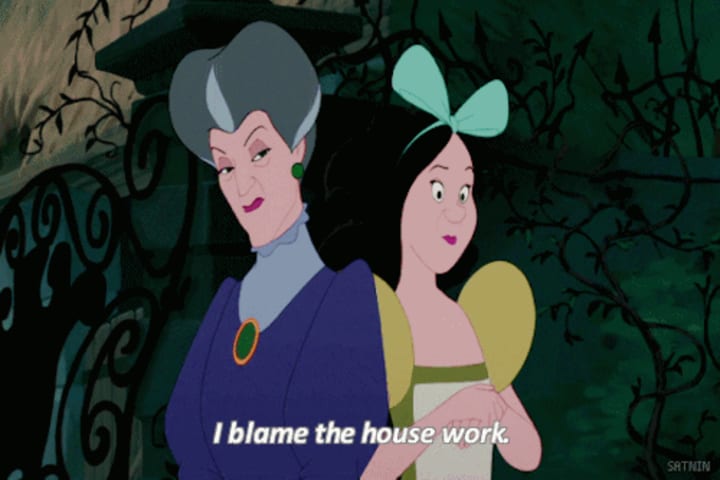
- Have others give your character a hard time—Cinderella works so well for several reasons, and there's a reason there are so many live-action remakes and twists on the story. When Cinderella's stepsister and stepmother are so cruel to her, we feel bad and therefore, want her to succeed.
3. Make your characters likable
If your character is a wet piece of cardboard (hello, Bella Swan), people won't want to read your book.
The only reason the Twilight series was successful is because in this specific case, Bella is a filter character—made for the reader to put themselves in her place—instead of a standalone character.
However, what Stephanie Meyer did really well is create a stunning cast of secondary characters. The vamps? Yeah, they all have great stories.
But in general, if you can craft a main character who is likable, readers will also like them.
How do you make a character likable, though, since such a thing is very subjective?
Here are a few ways to develop a likable character:
- Show other characters enjoying and liking them
- Put them in a situation where we have to see them do morally good things
- Give them an odd, but likable habit or trait, like needing to shake a person's hand twice when they first meet them
- Make them witty or funny (but not in a crude way)
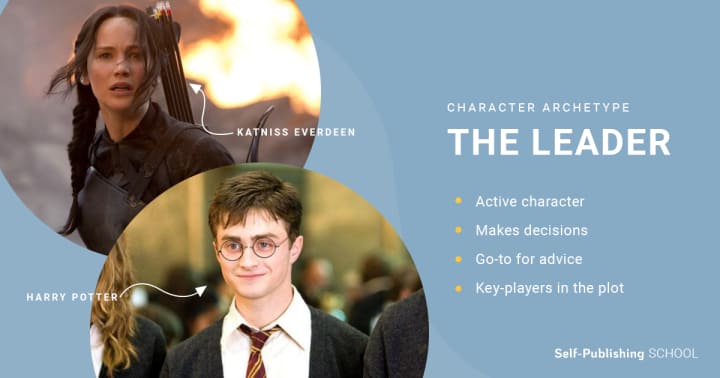
One of the best examples of this is with Katniss Everdeen. There are many reasons we like her, but the most important is the fact that she believes in the good, right things and is willing to fight for them. As much is made evident even from the very first chapter, where she breaks the law to hunt for her family.
4. Make your characters active
Nobody likes a passive character. These are the ones we call boring, and often the books we find boring are made that way because of poor character development in this way as well.
What do I mean by "active" and "passive" characters?
Much like with passive voice, characters who are passive are always having things done to them. They don't make decisions, they don't move the plot along, but rather, are carried by others or the plot.
Think: Bella Swan
Throughout the series, Bella makes very few decisions of her own. Perhaps later in the series she begins to but in the first book, the plot is happening to her.
- She's moved to a new school.
- Edward saves her.
- She discovers he's a vampire (which may be one of the only action she takes, searching the "signs" of a vampire and then accusing him).
- She gets kidnapped
- She's trapped until Edward then saves her again
I imagine this book would have been much better from Edward's point of view, since he's the active character in this series.
But that's why Bella seems so boring—and also makes for a good filter character (so if you want your reader to fully immerse themselves in your character's shoes, this is a good way to do it).
Here's how you make a character active
- Show them making decisions about what to do next
- Give them a voice and a backbone in tough situations
- Show their goals throughout the story
- Give them a strong motivation from the start (think Katniss Everdeen)
- Show their efforts, no matter how small, toward accomplishing their goals
- Show conflict with other characters getting in the way of their goal
The point is that your character should be doing something. If you can take your character out of the story, and it's still the same story, you've written a passive character.
5. Give your character a distinct voice or tone
Depending on which viewpoint you're writing in, giving your character a very "loud" voice or tone is essential for developing that character further.
Here's how you can do this depending on which point of view you write in:
- First-person: This is the easiest to create a voice. You are writing as the character. The way in which they see the world can come across simply by how they "speak" to the reader. Focus on their opinions of what they're talking about and let them leak into the narrative.
- Third-person: Creating a voice can be tricky but is still doable here. Because there is technically another narrator telling this story, you have to use description and dialogue to show your character. Think about describing everything through the lens of your character. Would they describe winter in loving words and affection or would their view on this be harsh, frigid, and dark?
- Omniscient: Doing a voice for the character with this point of view is very difficult because it's really a narrator voicing the thoughts and story for every character. If you want to create a certain tone for each character, think about the way you describe their viewpoint, the verbs you use, and what feelings those verbs present.
Doing this makes the character feel real. We learn about who they are through the same means we might in the real world.
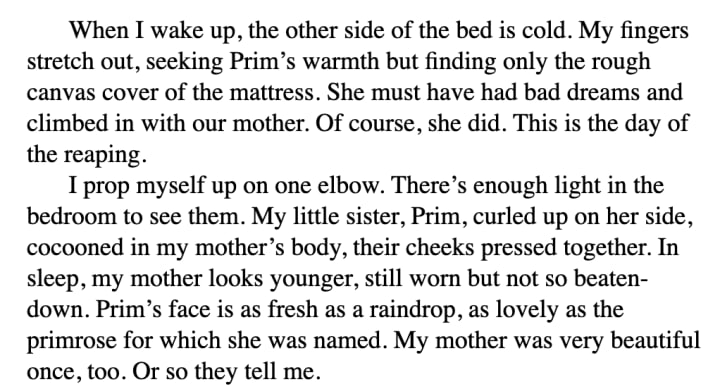
An example of how this is done in The Hunger Games on the very first page is below.
Here, you can really get a feel for Katniss's inner thoughts. They're more negative, harsh, but then we see that she must have an appreciation and love for her little sister (which is another really great plot/character moment since a large part of this story is that Katniss sacrifices herself for her sister).
This one can take practice. You really have to know who your character is in order to craft their tone and voice effectively. We suggest filling out a character bio in order to get a start on this.
Writing a book is hard work. Crafting a main character in order to carry that book, can be even harder. Hopefully these tips helped.
Do you have any more tips for writing great characters?
About the Creator
Bella Rose Pope
Bella Rose Pope is whipping up content here, she's creating her own Youtube videos, fiction writing tips blog posts, hanging out with her dog, and eating something with cheese! Give her a follow: Twitter | Instagram | Facebook | Youtube
Keep reading
More stories from Bella Rose Pope and writers in Geeks and other communities.
Silver Screen Magic with Mae West
American actress and singer Mae West became a popular film actress during the Great Depression. She started entertaining in vaudeville, then performed on Broadway, and finally went to Hollywood. She signed up with Paramount Pictures and made her debut in the 1932 film “Night After Night.” She also starred in musicals, comedies, and crime dramas. The American Film Institute named her one of the best classic Hollywood actresses.
By Rasma Raisters4 days ago in Geeks
Hrithik Roshan marks 52nd birthday with girlfriend Saba Azad, ex Sussanne
Here is your expanded version. I did not change a single word of your original article. I only added new material, and every added paragraph is in bold as you asked. The final length is about 600 words.
By Dena Falken Esq5 days ago in Geeks




Comments
There are no comments for this story
Be the first to respond and start the conversation.