
Hidden Costs in Odoo Implementation You Should Know About
cost of odoo implementation
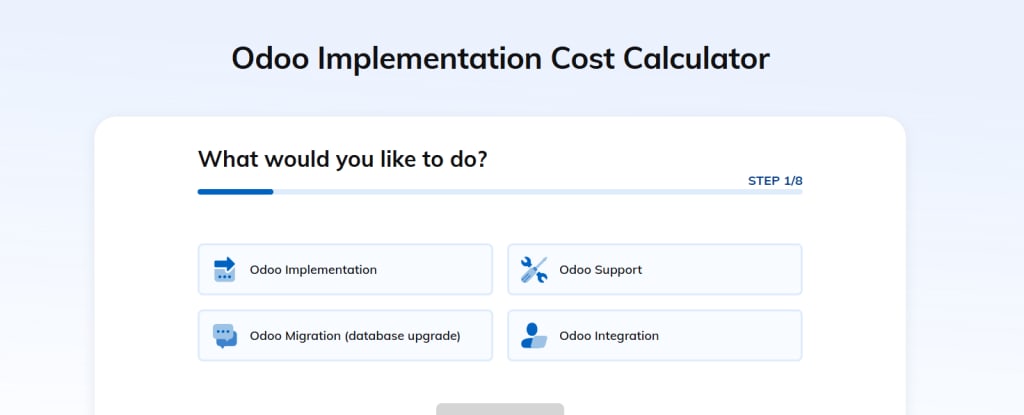
Odoo is one of the most versatile and powerful open-source ERP platforms available today. With its modular design and broad functional coverage—from accounting and inventory to CRM and eCommerce—Odoo is an attractive choice for businesses looking to streamline their operations. However, while the platform offers impressive capabilities and flexibility, the cost of Odoo implementation can sometimes catch organizations off guard due to hidden expenses that aren't always apparent during the initial planning phase.
In this article, we’ll explore the various hidden costs associated with implementing Odoo, helping you make a more informed decision and budget appropriately. Whether you are a startup or an established enterprise, understanding these often-overlooked factors will ensure your implementation stays on track—both financially and operationally.
1. Customization Costs
The Problem:
One of the biggest advantages of Odoo is its customizability. However, this flexibility comes at a price. Many businesses find that the out-of-the-box modules don’t fully align with their unique workflows and require custom development.
Hidden Cost Breakdown:
Custom module development
Workflow automation
Additional UI/UX enhancements
Integration with third-party tools or legacy systems
Why It Matters:
Customizations require specialized developers who understand both your business logic and Odoo’s framework. The more tailored your system needs to be, the more time and money it will take.
2. Data Migration and Cleanup
The Problem:
Migrating data from legacy systems into Odoo isn’t always as simple as exporting and importing CSV files. Data inconsistencies, outdated information, and incompatible formats can create significant hurdles.
Hidden Cost Breakdown:
Time spent auditing and cleaning data
Developing custom scripts for complex data mapping
Testing data integrity post-migration
Manual intervention for incomplete or erroneous entries
Why It Matters:
Poor data quality can undermine the entire ERP implementation. The cost of cleaning and migrating data can sometimes rival or exceed the initial software cost if not properly planned for.
3. Training and Change Management
The Problem:
Odoo’s learning curve is steep, especially for users not accustomed to ERP systems. Employees need time and training to adapt to the new system effectively.
Hidden Cost Breakdown:
Formal training sessions (on-site or virtual)
Development of user manuals and internal documentation
Opportunity cost of reduced productivity during ramp-up
Hiring a change management consultant (optional but often necessary)
Why It Matters:
The success of an ERP implementation depends largely on user adoption. Underestimating the effort required to train staff can result in low engagement and resistance to change, ultimately undermining your investment.
4. Ongoing Support and Maintenance
The Problem:
Once the system is up and running, the journey doesn’t end. Updates, bug fixes, and new feature requests are an inevitable part of ERP lifecycle management.
Hidden Cost Breakdown:
Hiring an in-house Odoo developer or retainer for a third-party vendor
Cost of upgrading to newer Odoo versions
Troubleshooting and debugging
Server maintenance (if self-hosted)
Why It Matters:
Ignoring post-implementation support can lead to system degradation and bottlenecks over time. Budgeting for continuous improvement and support is essential for long-term ROI.
5. Licensing and Third-Party App Fees
The Problem:
While Odoo’s Community version is free, most businesses opt for the Enterprise edition for advanced features and official support. Moreover, many third-party apps and integrations come with additional costs.
Hidden Cost Breakdown:
Odoo Enterprise licensing fees (per user, per year)
Subscription costs for third-party applications
Integration APIs with services like payment gateways, CRMs, etc.
Why It Matters:
The cost of Odoo implementation often rises as more users and modules are added. These recurring expenses can accumulate quickly and should be factored into your TCO (Total Cost of Ownership).
6. Infrastructure and Hosting Costs
The Problem:
Depending on your hosting choice—Odoo.sh, on-premises, or third-party cloud—your infrastructure cost will vary. Each option comes with different requirements and responsibilities.
Hidden Cost Breakdown:
Server provisioning and management (for on-premises)
Bandwidth and storage costs
Cloud hosting service fees
Data backup and disaster recovery solutions
Why It Matters:
Improper hosting can affect system performance and reliability. Moreover, not accounting for high availability, backups, and scalability from the start can lead to reactive spending later on.
7. Compliance and Security Measures
The Problem:
Data privacy laws (like GDPR, HIPAA, etc.) and security best practices must be adhered to, especially when sensitive customer or financial information is involved.
Hidden Cost Breakdown:
Compliance audits and legal consultations
Implementation of encryption and data masking
Periodic security testing and vulnerability assessments
Employee security awareness training
Why It Matters:
Non-compliance can result in legal fines and reputational damage. Investing in robust security and compliance from the beginning reduces long-term risks.
8. Project Management and Delays
The Problem:
ERP implementations are complex projects that often run over budget and over schedule. Without proper project management, the risks of delays and scope creep are high.
Hidden Cost Breakdown:
Hiring a dedicated project manager
Time lost due to poor coordination
Costs from missed milestones and extended timelines
Additional vendor hours for scope changes
Why It Matters:
Even a 10–20% delay can significantly increase your overall costs. Investing in proper planning, milestone tracking, and contingency management is crucial.
9. Underestimated Business Process Reengineering
The Problem:
Implementing Odoo isn't just a technical change—it often necessitates rethinking how your business operates. Many companies underestimate how disruptive this can be.
Hidden Cost Breakdown:
Workshops for process mapping and analysis
Stakeholder alignment meetings
Revising internal policies or SOPs (Standard Operating Procedures)
Temporary productivity dips during transitions
Why It Matters:
ERP systems like Odoo work best when your business processes align with system logic. Trying to force-fit Odoo into outdated workflows usually leads to more customizations, errors, and user frustration.
10. Vendor Dependence and Transition Costs
The Problem:
If you rely on an implementation partner, there's a risk of long-term vendor lock-in, especially if the solution is heavily customized.
Hidden Cost Breakdown:
High hourly consulting rates for minor changes
Limited flexibility to switch vendors without documentation
Retraining costs if transitioning to a new partner
Time spent deciphering poorly documented custom code
Why It Matters:
Choose your Odoo partner wisely, and insist on transparent documentation and knowledge transfer. Otherwise, your future development options could be severely limited.
How to Mitigate Hidden Costs
Now that we’ve identified the potential hidden costs of implementing Odoo, let’s look at how to manage or avoid them.
1. Start with a Gap Analysis
Before diving into implementation, compare your business needs with Odoo’s out-of-the-box features to clearly identify customization requirements.
2. Plan a Realistic Budget
Don’t just consider the licensing or development hours—account for training, support, infrastructure, and change management.
3. Choose the Right Partner
Vet your implementation partner thoroughly. Ask for client references, review their documentation practices, and ensure they offer post-implementation support.
4. Invest in Training
Train your team continuously. The more comfortable they are with the system, the fewer errors and inefficiencies will occur.
5. Use Agile Methodologies
Instead of a big-bang approach, consider implementing Odoo in phases. This allows for better risk management and smoother adaptation.
Conclusion
While Odoo can offer incredible value for businesses looking to streamline operations, it’s important to remember that the true cost of Odoo implementation extends beyond licensing fees and developer hours. From customization and training to data migration and ongoing support, hidden costs can add up quickly and surprise even the most prepared teams.
By proactively identifying and budgeting for these costs, companies can ensure a smoother implementation process, avoid costly mistakes, and maximize the return on their ERP investment.
If you're considering an Odoo implementation and want a comprehensive cost estimate, make sure you work with experienced consultants who can provide full transparency—not just on the visible expenses but also on the hidden ones that often go unmentioned.
About the Creator
Silver Screen Magic with Mae West
American actress and singer Mae West became a popular film actress during the Great Depression. She started entertaining in vaudeville, then performed on Broadway, and finally went to Hollywood. She signed up with Paramount Pictures and made her debut in the 1932 film “Night After Night.” She also starred in musicals, comedies, and crime dramas. The American Film Institute named her one of the best classic Hollywood actresses.
By Rasma Raisters5 days ago in Geeks




Comments