
Hagia Sophia History Tours: From Church to Mosque to Museum
Hagia Sophia, an architectural marvel located in Istanbul, Turkey, has a rich and complex history that spans over 1,500 years. Originally constructed as a cathedral in 537 AD, it has served various religious purposes throughout its existence.
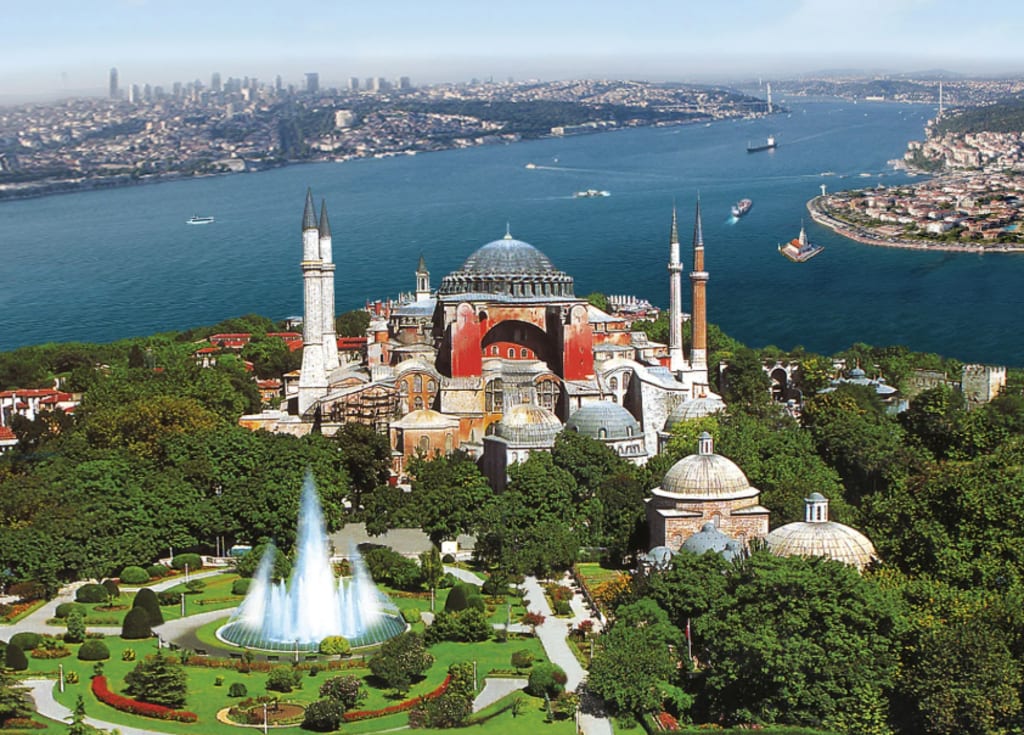
Hagia Sophia, an architectural marvel located in Istanbul, Turkey, has a rich and complex history that spans over 1,500 years. Originally constructed as a cathedral in 537 AD, it has served various religious purposes throughout its existence, transitioning from a Christian church to a mosque and eventually becoming a museum. Today, Hagia Sophia stands as a symbol of cultural and religious diversity, attracting millions of visitors each year. History tours of Hagia Sophia offer an in-depth exploration of its fascinating past, architectural significance, and the cultural interplay that has shaped its identity.
The Architectural Significance of Hagia Sophia
Hagia Sophia was commissioned by the Byzantine Emperor Justinian I and was designed by the architects Anthemius of Tralles and Isidore of Miletus. At the time of its completion, it was the largest cathedral in the world and remained so for nearly a thousand years. The building is renowned for its massive dome, which appears to float above the central nave, a groundbreaking architectural feat that influenced the design of many subsequent structures. The intricate mosaics, marble pillars, and stunning interior also reflect the artistic achievements of the Byzantine Empire. History tours often highlight these architectural elements, explaining their significance and the innovations that made them possible.
Hagia Sophia as a Christian Cathedral
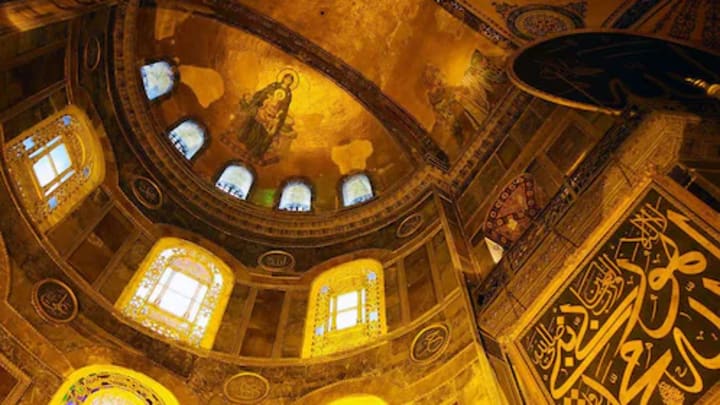
For nearly a thousand years, Hagia Sophia served as the principal church of the Eastern Orthodox Church and the center of Byzantine Christianity. It was the site of numerous important events, including the coronation of emperors and significant religious ceremonies. The interior was adorned with exquisite mosaics depicting Christ, the Virgin Mary, and various saints, showcasing the artistic prowess of the Byzantine era. Guided tours often delve into this period of Hagia Sophia's history, exploring its role as a spiritual center and the impact of Byzantine culture on the region
The Transition to a Mosque
In 1453, the Ottoman Empire, led by Sultan Mehmed II, conquered Constantinople (now Istanbul), marking a significant turning point in Hagia Sophia's history. The building was converted into a mosque, and many of its Christian symbols were either removed or covered. Minarets were added to the structure, and the interior was reconfigured to accommodate Islamic worship. Despite these changes, many of the original mosaics were preserved, hidden beneath layers of plaster. History tours often focus on this transformative period, discussing the cultural and religious shifts that took place and the ways in which Hagia Sophia adapted to its new role.
Hagia Sophia as a Museum
In 1935, after the establishment of the Republic of Turkey, Hagia Sophia was secularized and transformed into a museum. This decision was part of a broader effort to promote secularism and modernity in the country. As a museum, Hagia Sophia became a symbol of cultural heritage, attracting visitors from around the world who came to appreciate its historical and architectural significance. The restoration of its mosaics and the preservation of its diverse history were prioritized during this period. Guided tours during this time often emphasized the importance of Hagia Sophia as a bridge between different cultures and religions.
Recent Developments: A Return to Mosque
In July 2020, a Turkish court annulled the 1934 decree that converted Hagia Sophia into a museum, and it was reconverted into a mosque. This decision sparked international debate and drew attention to the ongoing discussions surrounding cultural heritage and religious identity. Despite its status as a mosque, Hagia Sophia remains open to visitors of all backgrounds, and guided tours continue to provide insights into its multifaceted history. Tourists can explore the building's architectural beauty while also learning about its significance as a place of worship for both Christians and Muslims.
The Role of Guided Tours
Guided tours of Hagia Sophia are an excellent way to gain a deeper understanding of its complex history. Knowledgeable guides provide context, share stories, and highlight key architectural features that might otherwise go unnoticed. Tours often include discussions about the various religious and cultural influences that have shaped Hagia Sophia over the centuries. For visitors, these insights enrich the experience, allowing them to appreciate the building not just as a tourist attraction, but as a living testament to the interplay of faith, art, and history.
Planning Your Visit
When planning a visit to Hagia Sophia, it is essential to consider the best times to go, as it can become crowded, especially during peak tourist seasons. Visitors should also be aware of the building's status as an active mosque, which means that certain areas may be restricted during prayer times. Dress codes are enforced, and visitors are expected to be respectful of the religious practices taking place. Many tour companies offer guided tours that can be booked in advance, providing a structured way to explore this iconic site.
Skip-the-Line Hagia Sophia Tours: Save Time and Dive Into History
Hagia Sophia, an architectural marvel and a symbol of Istanbul's rich history, attracts millions of visitors each year. Originally constructed as a cathedral in 537 AD, it has served various religious purposes over the centuries, including a mosque and now a museum. With its stunning mosaics, grand dome, and intricate architecture, Hagia Sophia is a must-visit destination for anyone traveling to Istanbul. However, the long lines can be daunting. This is where skip-the-line tours come into play, allowing visitors to save time and immerse themselves in the historical significance of this iconic site.
The Importance of Hagia Sophia
Hagia Sophia is not just an architectural wonder; it is a testament to the cultural and religious transformations that have shaped Istanbul over the centuries. Commissioned by the Byzantine Emperor Justinian I, it was the largest cathedral in the world for nearly a thousand years. Its design influenced many subsequent buildings, including mosques and churches. In 1453, after the Ottoman conquest of Constantinople, Hagia Sophia was converted into a mosque, and it remained so until 1935 when it was secularized and turned into a museum. In 2020, it was reconverted into a mosque, but it still welcomes visitors from around the world. Understanding its historical context enhances the experience of visiting this magnificent structure.
The Benefits of Skip-the-Line Tours
One of the most significant advantages of opting for a skip-the-line tour is the time saved. The queues at Hagia Sophia Tours can be long, especially during peak tourist seasons. By booking a skip-the-line tour, visitors can bypass the wait and head straight into the monument, allowing more time to explore and appreciate its beauty. This is particularly beneficial for travelers with limited time in Istanbul, as it maximizes their experience without the frustration of long waits.
Guided Tours: A Deeper Understanding of History
Skip-the-line tours often come with the added benefit of a knowledgeable guide. These guides provide insights into the history, architecture, and significance of Hagia Sophia that visitors may not gain from a self-guided tour. They can share fascinating stories about the building's transformation over the centuries, the artistry of its mosaics, and the cultural influences that have shaped its identity. This deeper understanding enriches the visitor experience, making the tour not just a visual journey but also an educational one.
Flexible Options for Every Traveler
Skip-the-line tours of Hagia Sophia come in various formats to cater to different preferences. Some tours are private, offering a more personalized experience, while others are group tours that provide a chance to meet fellow travelers. Additionally, many tours combine visits to other nearby attractions, such as the Blue Mosque and Topkapi Palace, allowing for a comprehensive exploration of Istanbul's historical sites. This flexibility makes it easy for travelers to choose an option that best fits their itinerary and interests.
Booking in Advance: A Smart Move
To ensure a smooth experience, it is advisable to book skip-the-line tours in advance. Popular tour operators often sell out quickly, especially during peak seasons. By securing a spot ahead of time, visitors can avoid disappointment and plan their day more effectively. Many tour companies offer online booking, making it convenient to choose a date and time that works best for your schedule.
What to Expect During the Tour
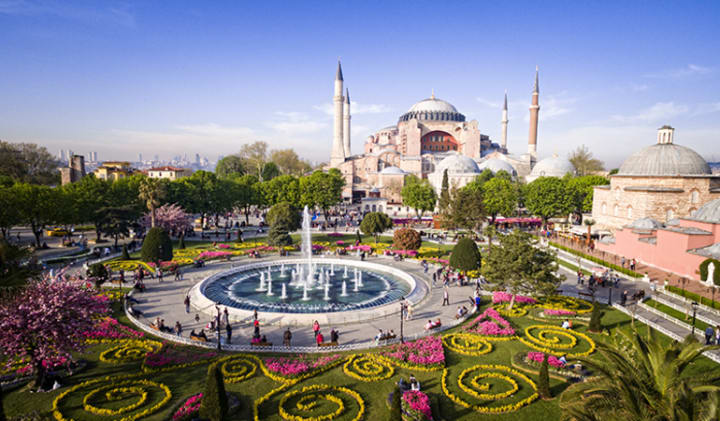
A typical skip-the-line Hagia Sophia tour begins with a brief introduction outside the monument, where the guide will share essential information about its history and significance. Once inside, visitors can marvel at the breathtaking interior, including the stunning mosaics, massive dome, and intricate marble pillars. The guide will point out key features and provide context, enhancing the appreciation of the artistry and craftsmanship involved in creating this masterpiece. Tours usually last around 1.5 to 2 hours, allowing ample time for exploration and questions.
Tips for Visiting Hagia Sophia
While skip-the-line tours simplify the process of visiting Hagia Sophia, there are still a few tips to keep in mind. First, dress modestly, as it is a place of worship. Visitors are expected to cover their shoulders and knees, and women may be required to cover their heads. Second, consider visiting during off-peak hours, such as early in the morning or later in the afternoon, to enjoy a quieter experience. Lastly, take your time to explore the surrounding area, as Sultanahmet is home to several other historical sites, cafes, and shops.
Conclusion
Hagia Sophia is a breathtaking testament to Istanbul's rich history and architectural prowess. Opting for a skip-the-line tour not only saves time but also enhances the experience by providing valuable insights into this iconic monument. With various tour options available, travelers can choose the one that best suits their needs and preferences. By planning ahead and booking in advance, visitors can ensure a memorable journey through the history of Hagia Sophia, making their trip to Istanbul truly unforgettable. Whether you are a history buff, an architecture enthusiast, or simply a curious traveler, a visit to Hagia Sophia is an experience that should not be missed.
About the Creator
Keep reading
More stories from In Marketing and writers in Geeks and other communities.
Berlin Walking Tours: Explore Iconic Landmarks and Hidden Gems
Berlin, the vibrant capital of Germany, is a city that seamlessly blends history, culture, and modernity. With its rich tapestry of stories and experiences, walking tours provide an excellent way to explore both iconic landmarks and hidden gems. This article delves into the various walking tours available in Berlin, highlighting the unique aspects of the city that can be discovered on foot.
By In Marketing12 months ago in Geeks
Silver Screen Magic with Mae West
American actress and singer Mae West became a popular film actress during the Great Depression. She started entertaining in vaudeville, then performed on Broadway, and finally went to Hollywood. She signed up with Paramount Pictures and made her debut in the 1932 film “Night After Night.” She also starred in musicals, comedies, and crime dramas. The American Film Institute named her one of the best classic Hollywood actresses.
By Rasma Raisters7 days ago in Geeks
Pia Whitesell reveals why she loves being a stepmother to Lauren Sanchez's children - and shares heartbreaking loss
Pia Whitesell has revealed why being a stepmother Lauren Sanchez's children is rewarding. The Home and Away star's husband, Patrick, shares two children, son Evan, 19, and daughter Ella, 17, with the former TV presenter, who is now married to Amazon billionaire boss Jeff Bezos.
By Dena Falken Esqa day ago in Geeks




Comments (1)
Great museum!