
Berlin Walking Tours: Explore Iconic Landmarks and Hidden Gems
Berlin, the vibrant capital of Germany, is a city that seamlessly blends history, culture, and modernity. With its rich tapestry of stories and experiences, walking tours provide an excellent way to explore both iconic landmarks and hidden gems.

Berlin, the vibrant capital of Germany, is a city that seamlessly blends history, culture, and modernity. With its rich tapestry of stories and experiences, walking tours provide an excellent way to explore both iconic landmarks and hidden gems. This article delves into the various walking tours available in Berlin, highlighting the unique aspects of the city that can be discovered on foot.
The Allure of Walking Tours
Walking tours are an intimate way to experience a city. Unlike bus tours, walking allows for a more personal connection with the surroundings. In Berlin, where history is etched into every corner, walking tours offer the chance to engage with the city’s past and present. Knowledgeable guides lead participants through the streets, sharing fascinating anecdotes and insights that bring the city to life. Whether you are a history enthusiast or a casual traveler, walking tours cater to all interests.
Iconic Landmarks: The Brandenburg Gate
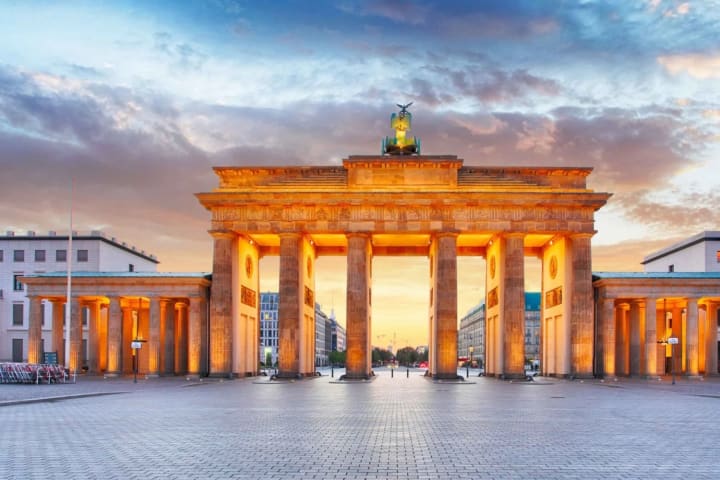
One of the most recognizable symbols of Berlin is the Brandenburg Gate. This neoclassical monument, completed in 1791, has witnessed significant historical events, including the fall of the Berlin Wall. Walking tours often include a stop at the Brandenburg Gate, where guides explain its architectural significance and historical context. Visitors can learn about its transformation from a symbol of division during the Cold War to a representation of unity and peace in modern Germany. Standing before this iconic structure, one cannot help but feel the weight of history.
The Berlin Wall: A Journey Through Time
No visit to Berlin is complete without exploring the remnants of the Berlin Wall. Walking tours often take participants to key sites along the wall, including the East Side Gallery, a 1.3-kilometer stretch of the wall adorned with vibrant murals. Guides share stories of the wall’s construction, the lives it affected, and the eventual reunification of Germany. This poignant journey through time allows visitors to reflect on the impact of division and the resilience of the human spirit. Walking along the wall’s remnants, one can almost hear the echoes of the past.
Checkpoint Charlie: The Cold War's Iconic Crossing Point
Checkpoint Charlie is another essential stop on many walking tours. Once a border crossing between East and West Berlin, this site is now a popular tourist attraction. Guides provide insights into the significance of Checkpoint Charlie during the Cold War, including the tense standoffs that occurred here. Visitors can view the replica guardhouse and learn about the daring escapes that took place. The stories of courage and determination shared by guides add depth to the experience, making it a memorable part of any walking tour.
The Reichstag: A Symbol of Democracy
The Reichstag building, home to the German Parliament, is a must-see landmark in Berlin. Its stunning glass dome symbolizes transparency in democracy and offers breathtaking views of the city. Walking tours often include a visit to the Reichstag, where participants can learn about its tumultuous history, including the infamous fire in 1933. Guides explain the building’s architectural features and its role in shaping modern German politics. Standing atop the dome, visitors can appreciate the significance of democracy and the importance of civic engagement.
Hidden Gems: The Hackescher Markt
While iconic landmarks are essential to Berlin’s identity, the city is also home to numerous hidden gems waiting to be discovered. One such gem is Hackescher Markt, a vibrant area known for its unique shops, cafes, and street art. Walking tours often lead participants through the narrow alleyways of this district, where they can explore local boutiques and enjoy the lively atmosphere. Guides share stories about the area’s history, including its transformation from a neglected part of the city to a bustling cultural hub. This exploration of hidden gems adds a layer of authenticity to the walking tour experience.
The Memorial to the Murdered Jews of Europe: A Solemn Tribute
A visit to the Memorial to the Murdered Jews of Europe is a poignant part of many walking tours. This powerful memorial consists of 2,711 concrete slabs, symbolizing the lives lost during the Holocaust. Guides provide context about the memorial’s design and its significance in remembering the victims of this dark chapter in history. The quiet, maze-like structure invites contemplation and reflection, reminding visitors of the importance of remembrance and education. Walking through this memorial, one can feel the weight of history and the necessity of honoring those who suffered.
Alternative Walking Tours: Exploring Berlin's Diverse Culture
In addition to traditional historical walking tours, Berlin Tours offers a variety of alternative tours that explore different aspects of the city’s culture. These include street art tours, culinary experiences, and tours focused on Berlin’s LGBTQ+ history. Each of these tours provides a unique perspective on the city, allowing visitors to engage with its diverse narratives and contemporary culture. Exploring Berlin through these alternative lenses enriches the overall experience and showcases the city’s multifaceted identity.
Art and Culture Tours in Berlin: Dive into Creativity and Heritage
Berlin, the vibrant capital of Germany, is a city steeped in history and creativity. Known for its dynamic art scene and rich cultural heritage, it offers a plethora of art and culture tours that allow visitors to explore its diverse artistic landscape. From world-class museums to street art tours, Berlin is a treasure trove for art enthusiasts and culture seekers alike.
The Rich Art Scene of Berlin
Berlin's art scene is one of the most versatile in the world, boasting over 200 museums and galleries. The city is home to renowned institutions like the Museum Island, a UNESCO World Heritage site that houses five major museums, including the Pergamon Museum and the Alte Nationalgalerie. Visitors can immerse themselves in art from ancient civilizations to contemporary works, making it a must-visit for any art lover.
Street Art and Urban Culture
Beyond traditional galleries, Berlin is famous for its vibrant street art scene. Areas like Kreuzberg and Friedrichshain are adorned with colorful murals and graffiti that reflect the city's history and social issues. The East Side Gallery, a 1.3-kilometer stretch of the Berlin Wall, features artworks from international artists, turning a historical monument into a canvas of creativity. Guided street art tours offer insights into the artists' motivations and the messages behind their work, providing a unique perspective on urban culture.
Cultural Festivals and Events
Berlin hosts numerous cultural festivals throughout the year, celebrating its diverse heritage. Events like the Karneval der Kulturen (Carnival of Cultures) showcase the city's multiculturalism through music, dance, and art. The Long Night of Museums is another highlight, where many museums stay open late, offering special exhibitions and performances. These events not only provide entertainment but also foster a sense of community and cultural exchange.
Architectural Wonders
The architecture of Berlin is a testament to its tumultuous history and artistic evolution. From the iconic Brandenburg Gate to the modernist designs of the Bauhaus movement, the city's architecture tells a story of resilience and innovation. Tours focusing on Berlin's architectural heritage allow visitors to explore significant buildings and learn about their historical context, making it an enriching experience for those interested in design and history.
Culinary Arts and Cultural Experiences
Berlin's culinary scene is as diverse as its art. The city offers a range of food tours that highlight its multicultural influences, from traditional German cuisine to international flavors. Visitors can explore local markets, sample street food, and dine at renowned restaurants, all while learning about the cultural significance of various dishes. Culinary tours often include visits to art spaces that blend food and art, creating a unique sensory experience.

Thematic Tours for Every Interest
Whether you're interested in contemporary art, history, or specific cultural movements, Berlin has a thematic tour for you. For instance, the Jewish Museum offers guided tours that delve into the rich history of Jewish culture in Germany. Similarly, the Stasi Museum provides insights into the secret police's surveillance tactics during the GDR era, allowing visitors to understand the impact of political regimes on art and culture.
Engaging with Local Artists
Many tours in Berlin emphasize interaction with local artists and creators. Workshops and studio visits provide opportunities to learn directly from the artists, gaining insights into their creative processes and inspirations. This hands-on approach not only enriches the visitor's experience but also supports the local art community, fostering a deeper appreciation for Berlin's creative landscape.
Conclusion: A City of Endless Inspiration
Art and culture tours in Berlin offer a profound way to connect with the city's creative spirit and historical depth. With its diverse offerings, from museums and street art to culinary experiences and architectural wonders, Berlin invites visitors to dive into its vibrant cultural scene. Whether you're an art aficionado or a curious traveler, exploring Berlin's artistic heritage will undoubtedly leave you inspired and enriched.
About the Creator
Keep reading
More stories from In Marketing and writers in Geeks and other communities.
Paris Catacomb Tours: History Beneath the City of Light
Beneath the vibrant streets of Paris lies a haunting yet fascinating world—the Paris Catacombs. This extensive network of underground tunnels and ossuaries holds a significant place in the city’s history, serving as both a burial site and a testament to the changing attitudes towards death throughout the centuries. For those who venture below ground, catacomb tours offer an extraordinary glimpse into this hidden realm, revealing stories that intertwine with the very fabric of Parisian life.
By In Marketingabout a year ago in Geeks
A Knight of the Seven Kingdoms Series Review (Season 1)
As one of the biggest properties in fantasy, A Song of Ice and Fire remains immensely popular with audiences. After reaching far into the past with House of the Dragon, a second spin-off was on the cards. A Knight of the Seven Kingdoms serves up a bite-sized slice of action and drama, but it still claims a spot among the best small-screen titles.
By Robert Cain5 days ago in Geeks
Hunter x Hunter Power Rankings
The world of Hunter × Hunter isn’t about straightforward battles — it’s about strategy, skill, and the endless pursuit of personal growth and survival. Strength alone rarely wins; clever tactics, Nen mastery, and adaptability often decide who lives, who dies, and who rises above the rest. Some characters rely on raw power, others on intelligence, precision, or complex abilities — but only a select few operate on a level that makes them untouchable in combat.
By Top Ranked2 days ago in Geeks


Comments
There are no comments for this story
Be the first to respond and start the conversation.