
Dying Life: The Dark and Light of ‘Frankenstein’
The film explores the nature of values through terrible situations.

Grade: A
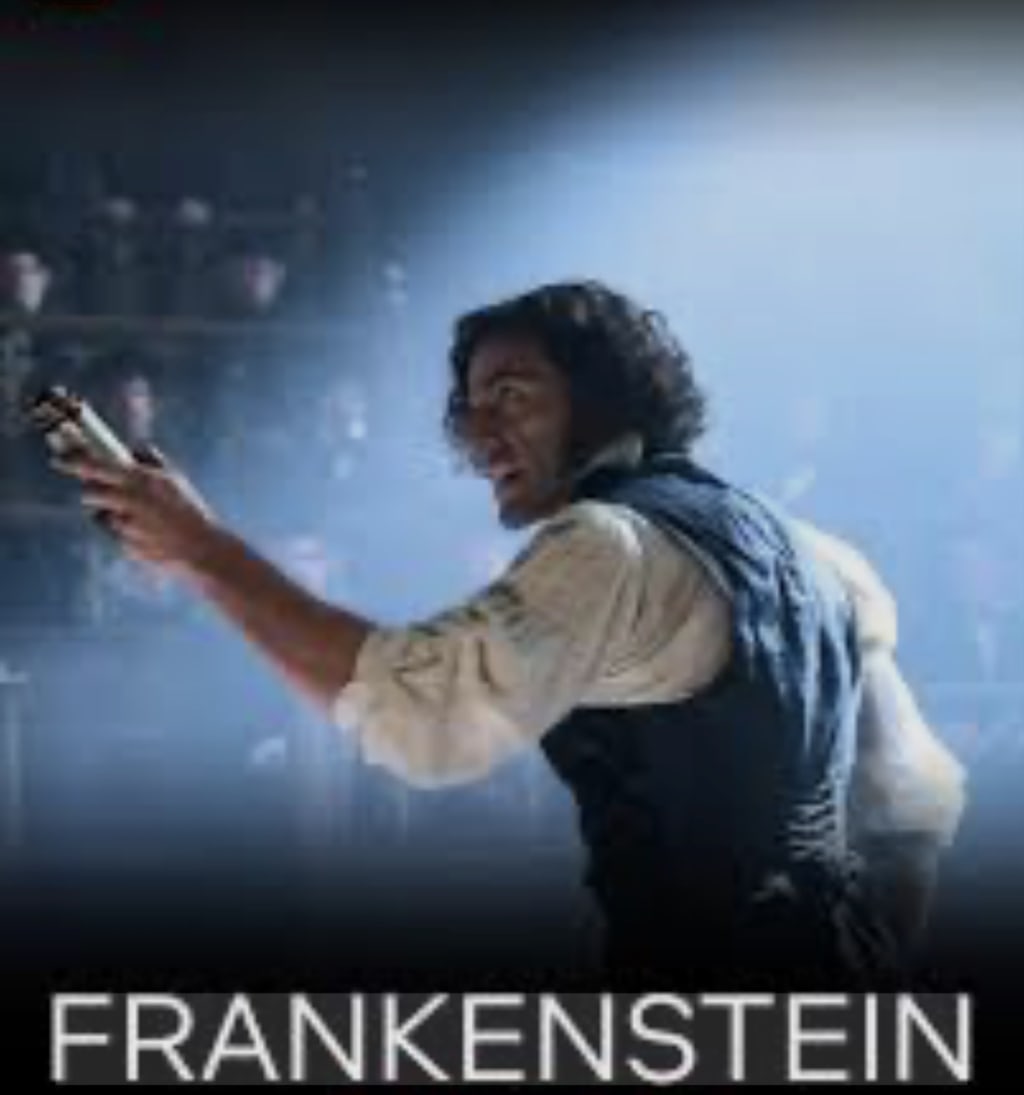
Guillermo del Toro’s masterful depiction of Mary Shelley’s groundbreaking work, Frankenstein, delivers on a promise of science fiction and flickers of romantic realism.
Without all the bloody and gory scenes, this film stands as a throwback to all the films of the 1930’s, 40’s, and 50’s. It tells a compelling story with verve and excellent diction. Comparable to the Dark Knight series, it shows a more natural (but not naturalistic) viewpoint. The “monster” is not green or inept or nonintellectual. Quite the contrary. This creation or the idea of “the modern day Prometheus” is because Victor Frankenstein(Oscar Issac) made a sentient being capable of emotion. Frankenstein crafts in his steam punk lab a force that has trouble breaking his chains but possesses the power to move entire ships. Without these minor slips, the cinematography is majestic and the makeup department divine. Alexandre Desplat’s music enriches the scenes and adds both levity and heft to a horror story turned into a journey of discovery.
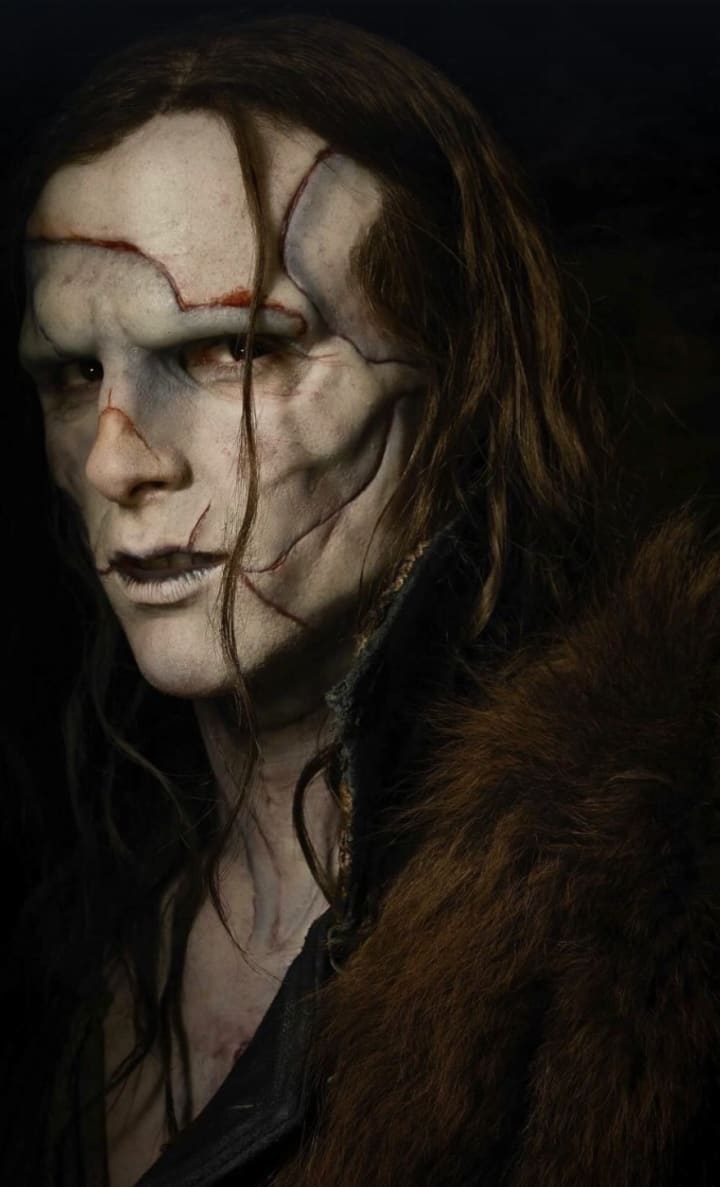
The film hits on so many levels of grandeur. Even the lighting elevates the picture and ushers in a sense of dying life. Where other adaptations have provided cartoonish depictions, this film portrays an eerie but somehow welcome beauty. Mia Goth as Elizabeth Harlander is delicious in her role. She brings a thoughtful and straightforward presence to the picture.
As she aids the Creature through his adventures to find himself, she offers to him the power of yearning for love. The Creature even seeks out Victor to innovate a companion for him. In a turn of events, it seems as if there will be a sequel on the way where the Creature will enjoy the company of a woman in a condition like his.
By taking all of this seriously, he has shown that he is a learned man of substance if he is not altogether living. Throughout the film, depictions of ballrooms and laboratories receive precise treatment and absolute vision of thought in every detail.
To consider this just popcorn filmmaking would be a grave dishonor. This is excellent cinema that enlivens the soul and seeks to engender in the audience a sense that life is worth living. There are of course snares and troubled times but to persevere in spirit like the creature with immense physical strength and regenerative powers and an intelligence to match, this strikes chords of harmony.
There is a certain depth and intensity to this movie. Del Toro’s expert eye for detail is present here and his writing unfolds like the best Victorian novels. Epistemology, or the nature of knowledge, is on full display as well. With the skillset of one of today’s best storytellers, the invention and curiosity intermix and produce superb scenes of reason, action, drama, and romanticism.
The idea of free will is so ingrained here that it becomes a hook for del Toro to hang his hat on in every scene. Volition is at the cornerstone of this work and functions as the means for understanding the Creature's drives as well as Victor’s own thoughts of going through life and leading in life.
When the two clash, it is a separation of ideas not just the bloody battles that arise. This picture is more about demonstrating that even creatures strewn together have ideas, as well. In making a film that speaks to the mind, del Toro has succeeded once again at striking at the intellect while portraying real bouts of emotion.
For the Creature, he constructs a being similar to the ape/man in Charlie Kaufman and Michel Gondry’s brainchild Human Nature (2001). He starts out boorish and brutal. In time he matures and gains consciousness and a character. Because there exists in him a drive to be alive, it is wonderful to see the Creature grow through literature and interactions.

In all, Guillermo del Toro’s Frankenstein is worth watching if you ever wondered about death and decided that the value of life only mattered.
Objective Observations:
- The crucifix is reminiscent of the scene from The Silence of the Lambs.
- When Victor buys the dynamite, it dates the movie to at least 1867, the year when Alfred Nobel invented the explosive.
About the Creator
Skyler Saunders
I will be publishing a story every Tuesday. Make sure you read the exclusive content each week to further understand the stories.
In order to read these exclusive stories, become a paid subscriber of mine today! Thanks….
S.S.
Keep reading
More stories from Skyler Saunders and writers in Geeks and other communities.
Smartystan
The velocity of the ball rolling around the room mirrored the speed of Bavaria. Her quick, agile movements proved to be just enough to capture the tiny, red round thing. By being a thoroughbred German Shepherd, her coat of black and brown shimmered in the light. When she raced back and forth she made the man responsible for her gleeful. Such existence of virtually no crime prompted this activity.
By Skyler SaundersExclusive • 2 months ago
Silver Screen Magic with Mae West
American actress and singer Mae West became a popular film actress during the Great Depression. She started entertaining in vaudeville, then performed on Broadway, and finally went to Hollywood. She signed up with Paramount Pictures and made her debut in the 1932 film “Night After Night.” She also starred in musicals, comedies, and crime dramas. The American Film Institute named her one of the best classic Hollywood actresses.
By Rasma Raisters6 days ago in Geeks
Michael Vartan
Michael Vartan has long been one of Hollywood’s most recognizable yet understated actors. Known for his charm, emotional range, and consistent performances, Vartan built a career that resonated strongly with television audiences, particularly during the early 2000s. While he may not dominate headlines today, interest in Michael Vartan now reflects how lasting his impact has been on fans who grew up watching his work. Early Life and Entry Into Acting Michael Vartan was born on November 27, 1968, in Boulogne-Billancourt, France. Raised between France and the United States, he grew up in a multicultural environment that shaped his worldview. His mother was an American artist, and his father was a French actor and writer, which gave him early exposure to the creative world. Before acting became a serious pursuit, Vartan worked behind the scenes in the film industry. He served as an assistant to directors, gaining firsthand experience with the mechanics of filmmaking. This background gave him a grounded understanding of storytelling—an element that later showed in the depth and restraint of his performances. Breakthrough Roles and Rising Popularity Michael Vartan’s acting career began in the 1990s with roles in films such as The Pallbearer and Never Been Kissed. While these projects introduced him to mainstream audiences, his true breakthrough came with television. In 2001, Vartan was cast as Michael Vaughn in the spy drama Alias. The show quickly became a cultural phenomenon, and his portrayal of the calm, morally driven CIA agent earned widespread praise. His on-screen chemistry with Jennifer Garner played a significant role in the series’ success and cemented Vartan’s status as a fan favorite. Alias allowed Michael Vartan to showcase more than just leading-man appeal. His character balanced action with emotional vulnerability, making him relatable despite the high-stakes spy narrative. For many viewers, this role remains the defining chapter of his career. Career After Alias Following the end of Alias, Michael Vartan continued working steadily in both television and film. He appeared in movies like Monster-in-Law and One Hour Photo, demonstrating his willingness to explore varied genres. On television, he took on leading and supporting roles in shows such as Hawthorne, Bates Motel, and The Arrangement. These performances reflected a shift toward more mature, nuanced characters, aligning naturally with his growth as an actor. Rather than chasing constant visibility, Vartan seemed selective, choosing projects that interested him creatively. This approach contributed to his reputation as a dependable and thoughtful performer rather than a celebrity driven by trends. Michael Vartan Now: Life Away From the Spotlight When people search for Michael Vartan now, they are often curious about why he appears less frequently on screens. The answer is not controversy or retirement, but balance. In recent years, Vartan has stepped back from high-profile roles, focusing more on personal life and selective professional opportunities. He has spoken openly in the past about the pressures of fame and the importance of mental health. This honesty resonated with fans and helped explain his quieter presence in Hollywood. Instead of constant exposure, Michael Vartan now represents a different model of success—one defined by longevity and personal well-being. Though he is not as active as he once was, he remains connected to the industry and continues to receive interest from both creators and audiences. His legacy ensures that his work is still revisited by new viewers discovering his shows through streaming platforms. Acting Style and Lasting Appeal What sets Michael Vartan apart is his subtlety. He is not known for over-the-top performances or dramatic transformations. Instead, his strength lies in emotional authenticity. Whether playing a spy, a doctor, or a troubled partner, his characters often feel grounded and believable. This realism helped him maintain relevance across different eras of television. His performances age well because they rely on human emotion rather than stylistic trends. For fans revisiting his work today, that quality remains just as compelling. Cultural Impact and Fan Connection While Michael Vartan may not dominate social media or entertainment news cycles, his fan base remains loyal. Online discussions, rewatch threads, and renewed interest in shows like Alias continue to introduce his work to younger audiences. His career serves as an example of how consistency and integrity can leave a lasting impression without constant self-promotion. In an industry that often rewards noise, Vartan’s quieter approach stands out. Final Thoughts Michael Vartan’s journey through Hollywood reflects a career built on steady growth, thoughtful choices, and respect for the craft of acting. From his early days behind the camera to his memorable television roles, he carved out a space that remains relevant even years later. For those wondering about Michael Vartan now, the answer is simple: he is living on his own terms, with a legacy already firmly established. His story reminds us that success in entertainment does not always mean being everywhere—it can also mean being remembered.
By Saboor Brohi 5 days ago in Geeks


Comments
There are no comments for this story
Be the first to respond and start the conversation.