
Diving Deep into Kaiju No. 8
The Modern Evolution of Japan’s Kaiju Culture and Its Deeper Significance


The popularity of Kaiju No. 8, a manga series created by Naoya Matsumoto, marks yet another milestone in Japan’s enduring fascination with kaiju (monstrous creatures). With its unique blend of action, humor, and humanity, the series brings a modern twist to the kaiju genre, solidifying its place in Japan's cultural legacy. To fully appreciate Kaiju No. 8, it’s important to delve into the history of kaiju culture in Japan, its origins, its symbolic meanings, and its significance in the collective consciousness.
The term “kaiju” (怪獣) translates to “strange beast” or “monster.” While kaiju as a genre gained global recognition in the 20th century, its roots can be traced back to Japan’s folklore and mythology, where creatures such as the oni (demons), yōkai (supernatural entities), and dragons played a central role in oral and written traditions. These mythological beings were often tied to natural phenomena or served as cautionary tales, reflecting humanity's relationship with the natural world. The modern concept of kaiju, however, emerged during Japan's post-World War II era. The pivotal moment came in 1954 with the release of Gojira (Godzilla), directed by Ishirō Honda. Gojira was not just a monster movie but a powerful allegory for the devastation wrought by nuclear warfare, particularly the bombings of Hiroshima and Nagasaki and the effects of the Lucky Dragon No. 5 incident, where a Japanese fishing vessel was exposed to radioactive fallout from a U.S. hydrogen bomb test. Godzilla, as a creature born of nuclear radiation, represented the uncontrollable power of science and humanity’s hubris. The film’s success marked the birth of the kaiju genre, with Godzilla becoming an enduring symbol of both destruction and hope.
Following Gojira, the kaiju genre expanded rapidly during the 1950s and 1960s, often referred to as the “Golden Age of Kaiju.” Toho Studios, the creators of Godzilla, introduced a pantheon of kaiju, including Mothra, Rodan, and King Ghidorah. Other studios followed suit, with competing franchises and characters. Kaiju films often reflected the socio-political climate of their times. During the Cold War, kaiju battles frequently symbolized global tensions, technological competition, and fears of ecological disaster. Mothra, for example, represented nature's resilience and spirituality, standing as a counterpoint to Godzilla’s destructive force. In the 1970s and 1980s, the genre expanded into television, with series like Ultraman and Kamen Rider, which introduced "kaijin" (humanoid monsters) and emphasized heroism and teamwork. These shows became cultural phenomena, influencing generations of creators and shaping the public's perception of kaiju.
Kaiju are more than just monsters—they are deeply symbolic entities that embody Japan’s collective fears, hopes, and aspirations. Their significance can be broken down into several key themes: 1) Nuclear Anxiety and Environmentalism - From its inception, the kaiju genre has been closely tied to fears of nuclear devastation and environmental destruction. Godzilla, in particular, serves as a reminder of the catastrophic consequences of tampering with nature. As the genre evolved, it began to address broader ecological concerns, such as pollution (Godzilla vs. Hedorah) and climate change. 2) Rebirth and Renewal - Kaiju often represent cycles of destruction and renewal. While they bring devastation, they also pave the way for new beginnings. This theme resonates deeply in Japanese culture, where natural disasters like earthquakes and tsunamis are a part of life. Kaiju narratives often mirror the country’s resilience and ability to rebuild in the face of adversity. 3) Humanity’s Hubris - Many kaiju are portrayed as consequences of humanity’s recklessness—whether through nuclear testing, genetic experimentation, or environmental exploitation. These stories serve as cautionary tales, urging viewers to respect the natural world and recognize the limits of human control. 4) Unity and Heroism - In kaiju films and shows, humans often band together to combat a common threat, emphasizing the importance of unity, cooperation, and innovation. This theme is especially prevalent in series like Ultraman, where teamwork and selflessness are central to defeating kaiju. Enter Kaiju No. 8, a fresh take on the kaiju genre that blends traditional elements with contemporary storytelling. Serialized in Shonen Jump+, the manga follows Kafka Hibino, a dissatisfied worker who cleans up the aftermath of kaiju attacks. Kafka’s life takes a dramatic turn when he gains the ability to transform into a kaiju, blurring the line between human and monster.
The series sets itself apart by exploring themes of identity, purpose, and societal roles, all within the framework of a kaiju-infested world. It also incorporates humor and character-driven drama, making it accessible to a wide audience while maintaining the depth and gravitas of the kaiju tradition. Kaiju No. 8 addresses a variety of modern concerns, many of which align with the symbolic roots of kaiju culture: Kafka’s transformation into a kaiju raises questions about identity and self-perception. As someone who exists between two worlds—human and monster—Kafka struggles to reconcile his newfound powers with his desire to protect humanity. This duality reflects the internal conflicts faced by individuals in a rapidly changing world. While the series doesn’t overtly address environmental themes, the depiction of kaiju as forces of nature aligns with the genre’s tradition of highlighting humanity’s impact on the planet. The ongoing battles between humans and kaiju can be interpreted as a metaphor for the delicate balance between development and sustainability. Unlike traditional kaiju stories that focus on elite scientists or military personnel, Kaiju No. 8 shines a spotlight on ordinary people like Kafka, who work behind the scenes to keep society functioning. This perspective emphasizes the importance of unsung heroes and the value of perseverance in the face of adversity. Kafka’s journey from a cleanup worker to a kaiju-fighting hero mirrors the struggles many people face when trying to break free from societal expectations and pursue their dreams. The series encourages readers to embrace change and find strength in their unique abilities.
Naoya Matsumoto’s art and storytelling breathe new life into the kaiju genre. The manga’s detailed depictions of kaiju highlight their massive scale and destructive power, while the dynamic action sequences convey a sense of urgency and danger. At the same time, the character designs and interactions bring warmth and humor, balancing the darker elements of the story. The narrative structure of Kaiju No. 8 is also noteworthy. By focusing on Kafka’s personal struggles and relationships, the series creates an emotional connection that makes the larger-than-life battles more impactful. The blend of high-stakes action and character-driven storytelling ensures that the series appeals to both fans of traditional kaiju narratives and newcomers to the genre.
While kaiju originated in Japan, their influence has spread worldwide, inspiring films like Pacific Rim and Cloverfield, as well as franchises like MonsterVerse (featuring Godzilla and King Kong). Kaiju No. 8 continues this global tradition, offering a fresh perspective that resonates with audiences both in Japan and abroad. The series’ success highlights the enduring appeal of kaiju stories and their ability to adapt to changing times. By blending traditional elements with modern themes, Kaiju No. 8 demonstrates the genre’s versatility and its capacity to address universal issues, from identity and resilience to humanity’s relationship with nature.
Kaiju culture has come a long way since its beginnings in Japanese folklore and the post-war anxieties of Gojira. Over the decades, it has evolved into a multifaceted genre that continues to capture the imagination of audiences around the world. Kaiju No. 8 stands as a testament to the genre’s enduring relevance, combining the rich symbolism of traditional kaiju narratives with fresh ideas and contemporary themes. Through its compelling characters, thrilling battles, and thought-provoking storytelling, the series not only honors the legacy of kaiju culture but also paves the way for its future. As humanity faces new challenges in the 21st century, from environmental crises to questions of identity and belonging, the stories told through kaiju will remain as powerful and resonant as ever, reminding us of our capacity for destruction, resilience, and hope.
About the Creator
JRManglicmot
A Striving father and husband, trying to be the best I can be. I'm not perfect, but I try to be the one my family can look up to. I stumble and make mistakes from time to time, most often, but I try to learn from my mistakes.
Keep reading
More stories from JRManglicmot and writers in Geeks and other communities.
Jujutsu Kaisen
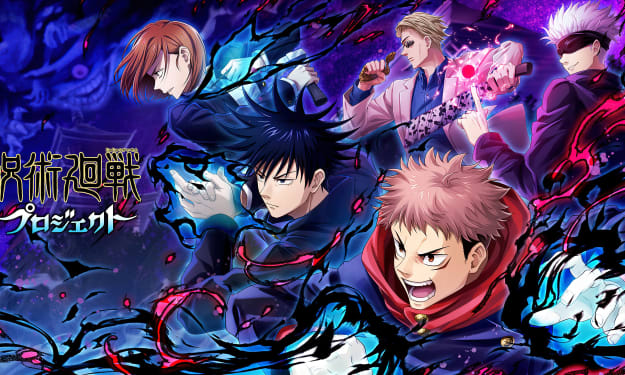
Jujutsu Kaisen, created by Gege Akutami, has taken the anime and manga world by storm, captivating audiences with its compelling characters, intricate world-building, and intense battles. Beneath its surface lies a rich tapestry of cultural references and themes deeply rooted in Japanese folklore and mythology. This article explores how Jujutsu Kaisen incorporates these traditional elements, creating a modern story steeped in history and cultural significance.
By JRManglicmotabout a year ago in Geeks
A Knight of the Seven Kingdoms Series Review (Season 1)
As one of the biggest properties in fantasy, A Song of Ice and Fire remains immensely popular with audiences. After reaching far into the past with House of the Dragon, a second spin-off was on the cards. A Knight of the Seven Kingdoms serves up a bite-sized slice of action and drama, but it still claims a spot among the best small-screen titles.
By Robert Cain5 days ago in Geeks
Review of 'Man on the Run'
My wife and I saw Man on the Run, a nearly 2-hour documentary on Amazon Prime, about Wings, Paul McCartney's group that flew around the world from shortly after The Beatles broke up in early 1970 to shortly after John Lennon was murdered at the end of 1980, making a Beatles reunion forever impossible.
By Paul Levinson4 days ago in Beat



Comments
There are no comments for this story
Be the first to respond and start the conversation.