
Jujutsu Kaisen
How this Anime ties to Japanese Folklore and Mythology


Jujutsu Kaisen, created by Gege Akutami, has taken the anime and manga world by storm, captivating audiences with its compelling characters, intricate world-building, and intense battles. Beneath its surface lies a rich tapestry of cultural references and themes deeply rooted in Japanese folklore and mythology. This article explores how Jujutsu Kaisen incorporates these traditional elements, creating a modern story steeped in history and cultural significance.
At the heart of Jujutsu Kaisen lies the concept of "curses" (or "jujutsu"), which are manifestations of negative human emotions such as hatred, envy, and fear. This idea is closely aligned with traditional Japanese beliefs in "onryō" (vengeful spirits) and "yōkai" (supernatural entities). Onryō are spirits that return to the living world to seek vengeance due to unresolved emotions or wrongful deaths. These spirits are prevalent in Japanese folklore and can be seen in famous stories such as the tale of Oiwa from "Yotsuya Kaidan." The cursed spirits in Jujutsu Kaisen, such as Jogo and Mahito, share similarities with onryō in their motivations and terrifying appearances. Many cursed spirits resemble traditional yōkai in their designs and abilities. For instance, Jogo’s volcanic features could be inspired by "Yama-no-Kami," a mountain deity, while Hanami’s nature-based powers evoke the essence of "Kodama," spirits of trees.
The idea of curses arising from human negativity also echoes the Buddhist concept of "bonnō" (earthly desires) and "kleshas" (mental states that cloud judgment), which are believed to cause suffering and perpetuate the cycle of reincarnation. The sorcerers in Jujutsu Kaisen, who combat curses using various techniques, bear a striking resemblance to "onmyōji," practitioners of onmyōdō, an ancient Japanese esoteric cosmology combining elements of Taoism, Buddhism, and Shintoism. Onmyōji were believed to possess the ability to exorcise evil spirits, predict the future, and maintain spiritual balance. Satoru Gojō, with his immense power and mastery over space and time, mirrors the legendary Abe no Seimei, one of the most famous onmyōji in Japanese history. Both are portrayed as almost invincible figures, revered and feared for their abilities. The use of cursed techniques and seals in Jujutsu Kaisen can be likened to onmyōji rituals involving charms, talismans, and incantations. The "Domain Expansion" technique, where sorcerers create a controlled space to dominate their opponents, resembles the concept of sacred boundaries or spiritual barriers ("kekkai") in Shinto and Buddhist traditions.
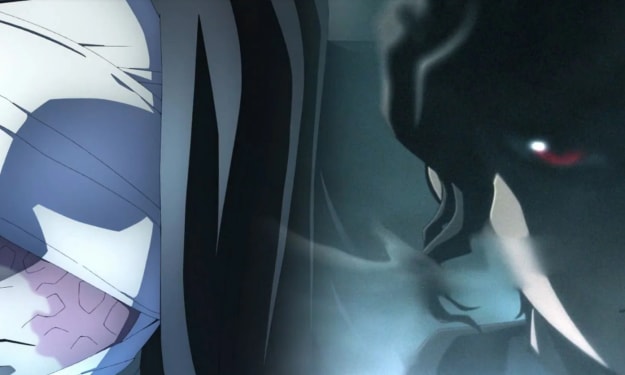
Japanese folklore often explores the duality of good and evil, a theme that is central to Jujutsu Kaisen. Characters like Sukuna, the King of Curses, embody this complexity. Sukuna’s character draws inspiration from historical and mythical figures. Sukuna’s name and design are based on Ryōmen Sukuna, a two-faced figure from ancient Japanese texts. While Ryōmen Sukuna is depicted as a monstrous being in some accounts, he is also portrayed as a benevolent deity in others. This duality is reflected in Jujutsu Kaisen’s Sukuna, who, despite being a malevolent force, occasionally aids the protagonist, Yuji Itadori, albeit for his own reasons. Japanese mythology is filled with deities and spirits who can be both protective and destructive, depending on how they are treated. This ambiguity is evident in characters like Sukuna and the cursed spirits, who blur the lines between ally and enemy.
Jujutsu Kaisen’s narrative is deeply influenced by Shinto and Buddhist philosophies, which emphasize the interconnectedness of all things and the balance between the spiritual and physical worlds. Shintoism revolves around "kami" (spirits or gods) that inhabit natural objects and phenomena. The reverence for nature and the belief in the spiritual essence of all things are evident in characters like Hanami, who represents the natural world’s wrath against humanity’s destruction. The concept of karma and the cycle of suffering (samsara) are recurring themes in Jujutsu Kaisen. Characters like Yuji Itadori grapple with moral dilemmas and the consequences of their actions, reflecting the Buddhist idea of cause and effect.
Japanese mythology often highlights the importance of human connections and the sacrifices made to protect them. This theme resonates throughout Jujutsu Kaisen. Yuji’s decision to consume Sukuna’s finger and become a vessel for the curse reflects the self-sacrificial nature of heroes in Japanese folklore, such as Susanoo slaying the Yamata no Orochi to save others. The strong bonds between characters like Yuji, Megumi Fushiguro, and Nobara Kugisaki emphasize the value of camaraderie, a recurring motif in Japanese tales where heroes often rely on their allies to overcome challenges.
Many characters in Jujutsu Kaisen are inspired by mythical figures and stories. Megumi’s use of shikigami (summoned spirits) reflects the onmyōji’s ability to command spiritual beings. His divine dogs and Nue (a mythical chimera-like creature) are direct references to Japanese folklore. Gojō’s control over infinity may draw inspiration from the Buddhist concept of "mugen" (infinity) and the idea of transcending human limitations. The cursed spirit Rika’s undying love for Yuta parallels the tale of Oiwa, a vengeful spirit driven by love and betrayal. However, Rika’s story takes a more redemptive turn, emphasizing the healing power of love.
Jujutsu Kaisen bridges the gap between ancient folklore and modern society, making these age-old stories relevant to contemporary audiences. By incorporating traditional elements into its narrative, the series invites viewers to explore Japan’s rich cultural heritage while engaging with universal themes of morality, resilience, and the human condition. The curses in Jujutsu Kaisen often originate from modern urban legends, such as haunted schools and cursed objects, blending traditional and contemporary fears. By drawing from folklore and mythology, Jujutsu Kaisen helps preserve these stories and introduces them to a global audience, fostering a deeper appreciation for Japanese culture.
Jujutsu Kaisen’s success lies not only in its thrilling battles and memorable characters but also in its ability to weave Japanese folklore and mythology into its narrative. By exploring themes of curses, spiritual balance, and human connections, the series pays homage to its cultural roots while creating a story that resonates with audiences worldwide. As viewers delve into the world of Jujutsu Kaisen, they are also invited to explore the rich tapestry of Japanese myths and legends that continue to inspire and captivate.
About the Creator
JRManglicmot
A Striving father and husband, trying to be the best I can be. I'm not perfect, but I try to be the one my family can look up to. I stumble and make mistakes from time to time, most often, but I try to learn from my mistakes.
Keep reading
More stories from JRManglicmot and writers in Geeks and other communities.
Muzan vs. Demon Slayer Corp
"Demon Slayer: Kimetsu no Yaiba," a widely acclaimed manga and anime series created by Koyoharu Gotouge, captivates audiences with its rich narrative and compelling characters. Central to this story is the ancient and malevolent demon, Muzan Kibutsuji, and the valiant organization dedicated to eradicating his kind, the Demon Slayer Corps. Their long-standing enmity is not merely a clash between good and evil but a deeply rooted connection that spans centuries. This article delves into the intricate backstory of Muzan Kibutsuji and the Demon Slayer Corps, exploring their origins, conflicts, and the profound impact they have on each other.
By JRManglicmot2 years ago in Geeks
A Knight of the Seven Kingdoms Series Review (Season 1)
As one of the biggest properties in fantasy, A Song of Ice and Fire remains immensely popular with audiences. After reaching far into the past with House of the Dragon, a second spin-off was on the cards. A Knight of the Seven Kingdoms serves up a bite-sized slice of action and drama, but it still claims a spot among the best small-screen titles.
By Robert Cain5 days ago in Geeks
Doctor Who: My Top Picks For The Next Doctor
We expect it isn't for at least another few months until we find out who our next long-term Doctor is. Unless that big regeneration twist from last year's "The Reality War" means we won't find out until Christmas Day.
By Christopher Halesabout 3 hours ago in Geeks
A Planetary Alignment will coincide with Mercury Retrograde
Double phenomena in the heavens Some people say in jest that the planets have aligned in their favor when life works the way they desire. Were you aware that there are seasons when things do line up in the heavens? There will be a planetary alignment AKA a planet parade, on February 28, 2026.
By Cheryl E Preston7 days ago in FYI



Comments
There are no comments for this story
Be the first to respond and start the conversation.