
Dhurandhar Wasn’t Shot in India or Pakistan: Here’s the Asian Country Where the Town of Lyari Was Recreated
From Mumbai to a different Asian locale, filmmakers bring Lyari to life with meticulous attention to detail, blurring the lines between reality and cinema.

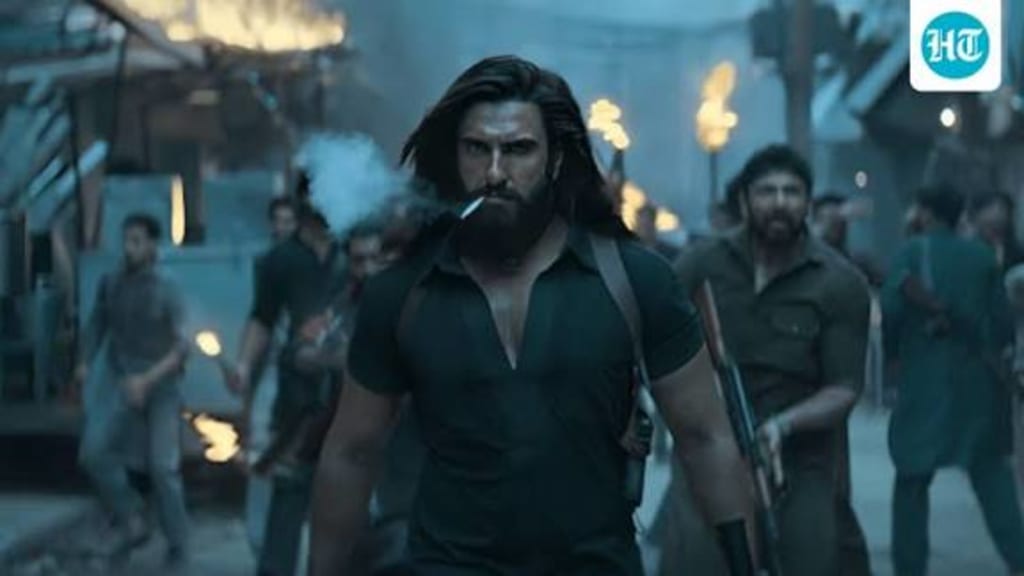
The buzz around Ranveer Singh’s latest film Dhurandhar is unmissable, and one question has intrigued fans since the first trailer dropped: where was the iconic town of Lyari recreated for the film? While the story revolves around India and Pakistan, the filmmakers chose an unexpected location in Asia to bring the gritty, vibrant streets of Lyari to the screen.
The Challenge of Recreating Lyari
Lyari, a historic neighborhood in Karachi, Pakistan, is known for its colorful streets, community spirit, and, in cinema, as a backdrop for drama and action. However, shooting in the real Lyari would have posed multiple challenges, including safety concerns, logistical hurdles, and the difficulty of capturing the neighborhood’s essence authentically without disrupting daily life.
For filmmakers, the solution lay in finding a location that could convincingly mirror Lyari’s narrow lanes, bustling markets, and architectural charm. The team needed an Asian country with urban landscapes adaptable to the film’s vision, combined with the infrastructure to support a large-scale production.
The Surprise Location
After extensive scouting, the production team selected Thailand as the primary shooting location for Dhurandhar. Thailand’s urban areas offered the flexibility required to build sets that closely resemble Lyari’s streets. Moreover, the country’s film-friendly policies, availability of skilled technicians, and logistical support made it an ideal choice.
The production designers didn’t just rely on Thailand’s existing neighborhoods. They painstakingly reconstructed key landmarks of Lyari, from the distinctive markets to local housing structures, ensuring authenticity down to every poster, signboard, and street mural. Even the smallest details—like street food stalls and hand-painted shop signs—were meticulously recreated to capture the neighborhood’s raw energy.
Attention to Cultural Accuracy
One of the biggest concerns in recreating Lyari outside Pakistan was maintaining cultural authenticity. Lyari’s distinct identity, influenced by Sindhi and Balochi communities, demanded a careful portrayal to avoid stereotyping. Costume designers, set decorators, and consultants worked closely with local artists and researchers familiar with Lyari’s culture.
Actors, too, immersed themselves in the local environment. Ranveer Singh reportedly spent weeks understanding the nuances of Lyari’s street life, including the community’s mannerisms, accents, and daily routines. The effort reflects the filmmakers’ commitment to presenting Lyari not just as a backdrop but as a living, breathing character in the story.
Thailand’s Contribution to Cinematic Magic
Thailand’s infrastructure and film expertise significantly enhanced the production quality of Dhurandhar. The country’s studios allowed for controlled lighting and sound conditions, which were crucial for shooting high-intensity action sequences. Streets were transformed into dynamic sets that could accommodate chase sequences, crowd scenes, and complex camera movements without the unpredictability of shooting in real urban neighborhoods.
Additionally, Thailand’s skilled local workforce contributed to set construction, logistics, and technical support, ensuring the film could meet its ambitious schedule without compromising on quality. Many of the extras and background actors were trained to emulate the hustle and bustle of Lyari’s streets, creating an immersive experience for the audience.
Impact on Viewers
The result is striking. When audiences watch Dhurandhar, the recreation of Lyari feels authentic, even for those familiar with the actual neighborhood. The combination of meticulous set design, cultural accuracy, and Ranveer Singh’s immersive performance transports viewers into the heart of Lyari, despite the fact that the scenes were shot thousands of kilometers away.
Film critics have noted that this creative choice demonstrates how cinema can transcend geographical limitations. By choosing Thailand, the filmmakers were able to maintain safety, production efficiency, and artistic authenticity—an approach that many modern productions are now adopting globally.
Conclusion
The recreation of Lyari in Thailand for Dhurandhar is a testament to the dedication, creativity, and cultural sensitivity of the film’s team. While the story is rooted in India-Pakistan dynamics, the production proves that with vision and effort, cinematic worlds can be authentically recreated anywhere.
For fans of Dhurandhar, knowing where Lyari was brought to life adds another layer of fascination, highlighting the lengths filmmakers go to craft a believable, immersive experience. As the film releases, viewers can enjoy the action, drama, and intricate detail that makes Lyari come alive on screen, without ever leaving their seats.
About the Creator
Fiaz Ahmed
I am Fiaz Ahmed. I am a passionate writer. I love covering trending topics and breaking news. With a sharp eye for what’s happening around the world, and crafts timely and engaging stories that keep readers informed and updated.
Keep reading
More stories from Fiaz Ahmed and writers in Geeks and other communities.
Esha Deol Shares Unseen Emotional BTS Video of Dharmendra From His Last Day on Ikkis: “I’m a Bit Happily Sad Today…”
Bollywood has always celebrated larger-than-life stars, but moments of quiet emotion often leave the deepest impact. One such moment recently touched fans across generations when Esha Deol shared an unseen behind-the-scenes (BTS) video of her father, legendary actor Dharmendra, from his last day on the film Ikkis. Accompanied by a heartfelt caption — “I’m a bit happily sad today…” — the post quickly resonated with audiences, reminding everyone of the human side behind cinematic greatness.
By Fiaz Ahmed 30 days ago in Geeks
Silver Screen Magic with Mae West
American actress and singer Mae West became a popular film actress during the Great Depression. She started entertaining in vaudeville, then performed on Broadway, and finally went to Hollywood. She signed up with Paramount Pictures and made her debut in the 1932 film “Night After Night.” She also starred in musicals, comedies, and crime dramas. The American Film Institute named her one of the best classic Hollywood actresses.
By Rasma Raisters6 days ago in Geeks
Shakira looks refreshed while sharing exciting news: Is she working on the 2026 World Cup anthem?
Shakira knows how to make a comeback feel exciting. After a quiet holiday season spent with her sons Milan and Sasha, the global superstar has returned to Instagram with a post that feels both intimate and loaded with meaning. The Colombian singer shared a relaxed carousel of photos and a short video alongside her longtime collaborator Alex Castillo, better known as AC, the producer behind her hit song Soltera. One simple caption said it all: “Back to it!”
By Dena Falken Esq5 days ago in Geeks




Comments
There are no comments for this story
Be the first to respond and start the conversation.