
Book Review: "The Stranger's Child" by Alan Hollinghurst
5/5 - in my opinion, this is his best book...

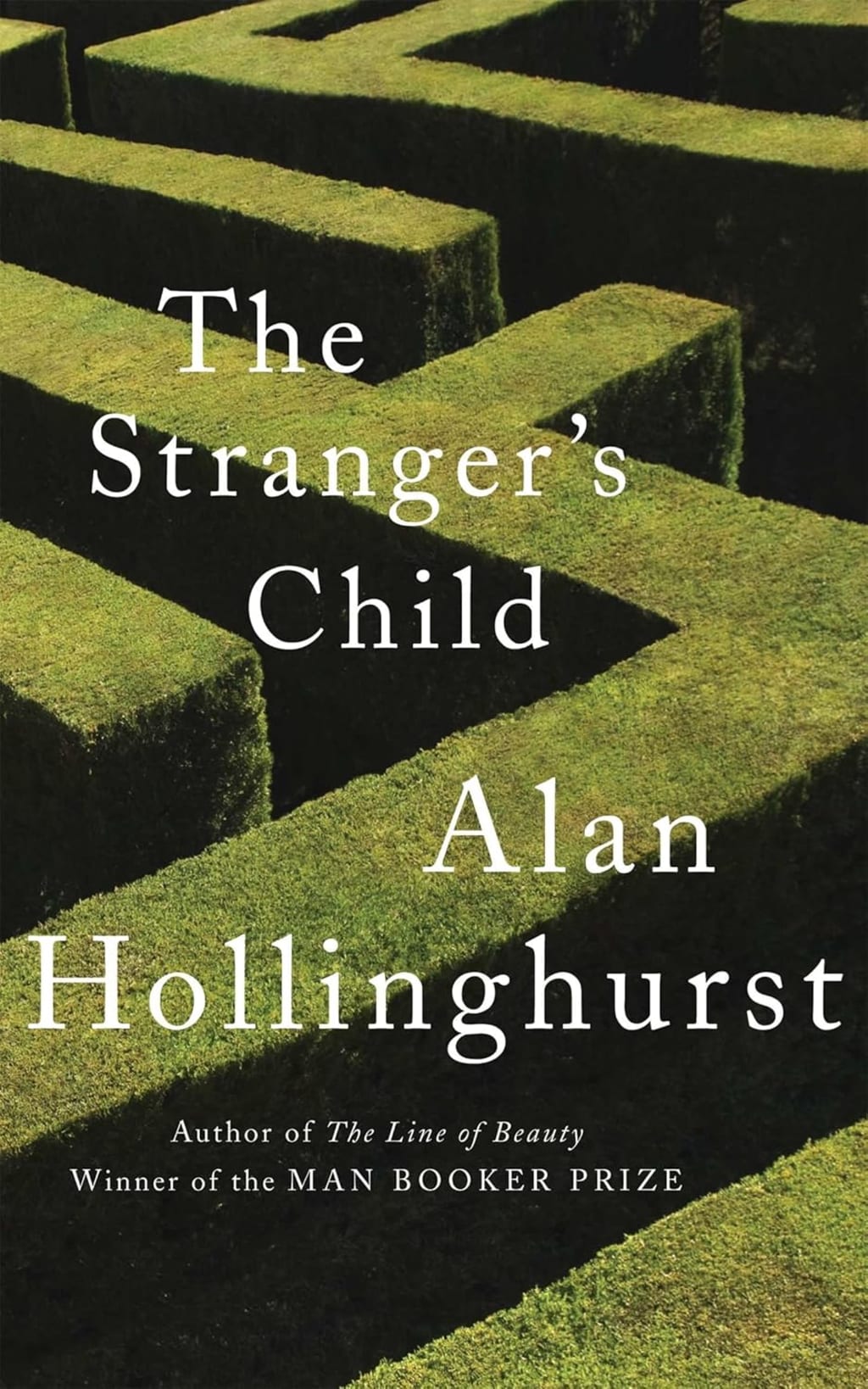
I don't know why I keep giving Alan Hollinghurst novels second chances. I was only a teenager when someone recommended I read The Swimming-Pool Library and I won't lie when I say it really was not my thing at the time. When it came to his latest effort entitled Our Evenings I think I was more won over, but it was still very much in the middle rather than being very good or not very good at all. With this book, I have to say it has been a better experience than most and has somewhat reminded me of Brideshead Revisited by Evelyn Waugh. Let's take a look...
The novel begins with George Sawle inviting Cecil Valance, his charming and aristocratic university friend and secret lover, to spend a weekend at his family home, Two Acres. During the visit, Cecil captures the attention of George’s sister, Daphne, and writes a poem, Two Acres, which he dedicates to her.
The poem becomes a symbolic artefact, though its true meaning is layered with Cecil's affection for George. Cecil’s visit stirs tensions within the Sawle family, as his aristocratic background contrasts with their middle-class life. I love how Hollinghurst has woven the symbolism of the poetry into the fabric of the story - it works so well, I really cannot discount any points here. It is truly a great way to open the book. I highly recommend this for fans of literature itself as a form of meaning - where characters get to explore literature for themselves.
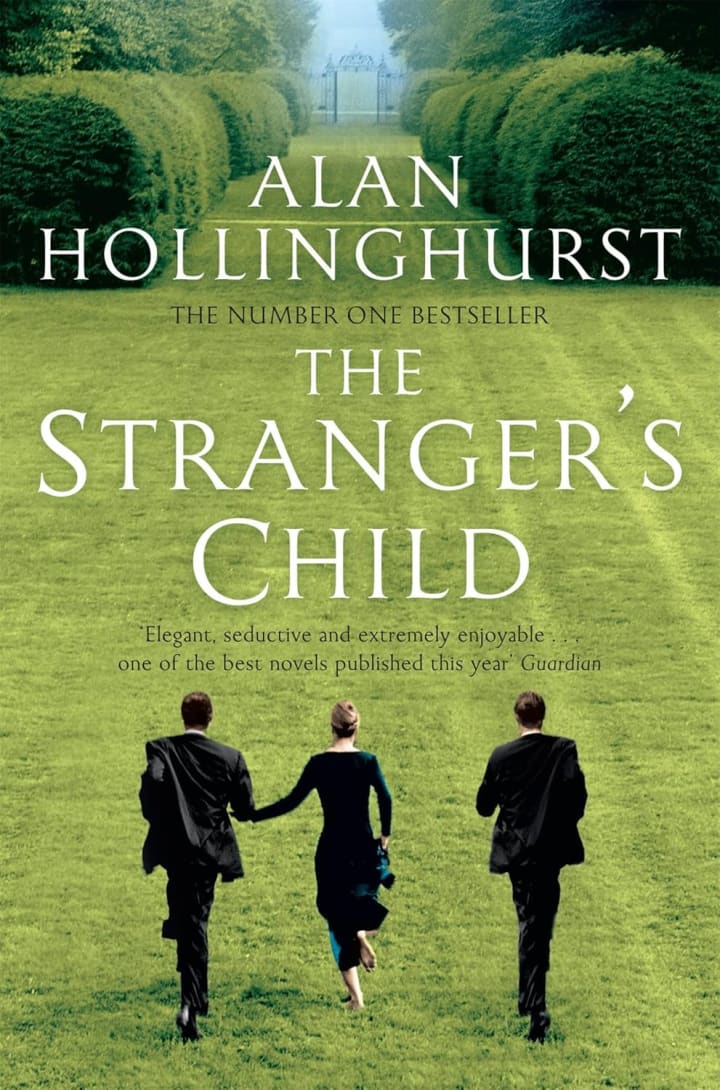
Cecil enlists in the military and dies during World War I, becoming an emblem of the lost generation. His death elevates him to posthumous fame, with Two Acres and other works transforming him into a celebrated figure of English poetry. Meanwhile, the poem becomes enshrined in literary culture, but its personal context—particularly Cecil’s homosexuality—remains obscured.
Daphne and George deal with their grief in different ways, each influenced by Cecil’s lingering presence in their lives. This reminds me of the life of Wilfred Owen, the kind of myth where his sexuality is purposefully obscured because the literary world was still very much homophobic. Cecil is a great character whose death does not mean the end, but rather a whole new beginning where his character is transformed entirely and almost deified.
Daphne marries Cecil’s older brother, Dudley Valance, after the war and moves to Corley Court, the Valance family estate. Their marriage is loveless and strained, as Dudley is emotionally distant and haunted by Cecil’s shadow. Daphne herself struggles with her feelings for Cecil, who remains an ever-present ghost in their lives. Corley Court, now a symbol of both privilege and decline, becomes central to the story as the characters’ lives continue to intertwine with its history.
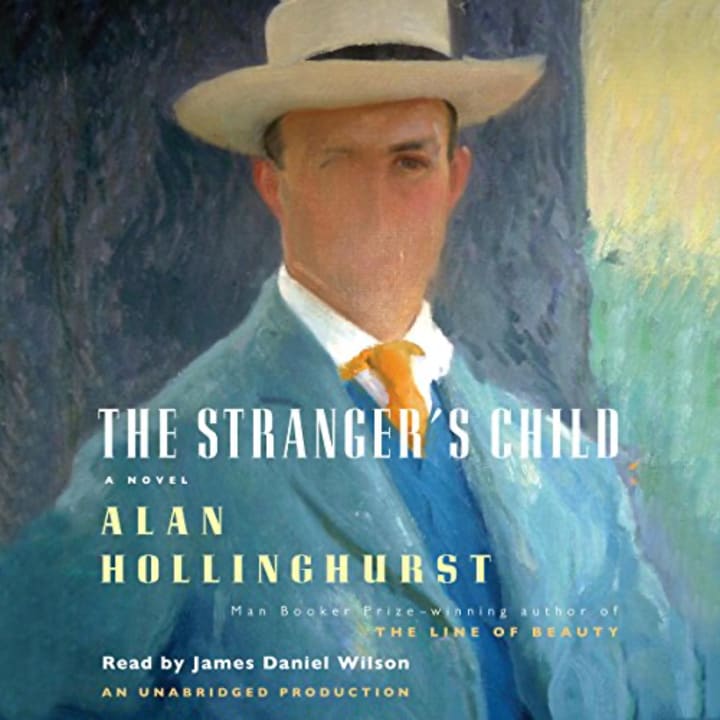
Daphne’s attempts to adapt to life in the aristocracy reveal the tensions between her own identity and her place in the Valance family. This is where that transformation of Cecil's character truly happens because even though the story becomes centred around other characters, Cecil's presence is a haunting one - each of them unable to conceal their grief and feelings, each alienated from a future without Cecil in a world that is changing quickly. The fall of the aristocracy is on the way and the question of survival and stronghold is being faced head-on.
The story shifts focus to Paul Bryant, a young and ambitious bank clerk who becomes connected to the Valance family through his relationship with Peter Rowe, a schoolteacher with ties to Daphne’s children. Paul’s fascination with Cecil’s life and legacy drives him to dig deeper into the Valance family history. His growing interest in uncovering the truth about Cecil’s relationships marks the beginning of his evolution into a biographer, setting the stage for the novel’s exploration of how history is constructed and interpreted.
As the book moves along, Paul becomes obsessed with Cecil, who still remains a foremost character in the book despite how much time has passed since his death. Paul will seek out Daphne, who is ageing and becoming more and more unreliable and the reader will uncover who Cecil really was.
This book has to be my favourite by the author so far. It tells such a great story with so much depth over so much time. As the home crumbles we witness the grand fall of the aristocracy and the unravelling of a myth that was once there to shroud something that nobody could accept. It is such a powerful novel. So this is why I keep giving Alan Hollinghurst second chances - in hopes that I may find a novel like this.
About the Creator
Annie Kapur
I am:
🙋🏽♀️ Annie
📚 Avid Reader
📝 Reviewer and Commentator
🎓 Post-Grad Millennial (M.A)
***
I have:
📖 280K+ reads on Vocal
🫶🏼 Love for reading & research
🦋/X @AnnieWithBooks
***
🏡 UK
Keep reading
More stories from Annie Kapur and writers in Geeks and other communities.
To The Lighthouse by Virginia Woolf
To the Lighthouse, published in 1927, is one of Virginia Woolf's most acclaimed novels and a seminal work in the modernist literary movement. Woolf wrote the novel during a particularly productive period of her career, drawing on her own childhood experiences and family dynamics to craft the narrative. The Hogarth Press, founded by Woolf and her husband Leonard Woolf, published the novel, allowing her to maintain control over its production and distribution. Upon its release, To the Lighthouse received widespread praise for its innovative narrative technique and profound psychological depth.
By Annie Kapurabout a year ago in Geeks
Silver Screen Magic with Mae West
American actress and singer Mae West became a popular film actress during the Great Depression. She started entertaining in vaudeville, then performed on Broadway, and finally went to Hollywood. She signed up with Paramount Pictures and made her debut in the 1932 film “Night After Night.” She also starred in musicals, comedies, and crime dramas. The American Film Institute named her one of the best classic Hollywood actresses.
By Rasma Raisters5 days ago in Geeks
Tamer Hassan
Tamer Hassan is a name that carries weight in British film, television, and even popular culture beyond the screen. Known for his tough-guy roles and unmistakable presence, Hassan has built a career that reflects resilience, reinvention, and a deep connection to family. In recent years, public curiosity around him has also grown because of his daughter, Belle Hassan, who rose to fame on Love Island. This combination of cinematic grit and reality TV visibility has introduced Tamer Hassan to a whole new generation of audiences. Early Life and Path to Acting Before becoming a familiar face in crime dramas and action films, Tamer Hassan lived a life far removed from movie sets. Born in London, he grew up in a working-class environment where discipline and survival were everyday lessons. In his early adulthood, Hassan was involved in professional boxing and worked as a bouncer, experiences that later influenced the authenticity he brought to his on-screen roles. Unlike many actors who follow a traditional drama school route, Hassan’s entry into acting was unconventional. His natural intensity, real-life toughness, and commanding voice caught the attention of casting directors looking for realism rather than polish. This background helped him stand out in an industry often saturated with similar profiles. Career Highlights and Acting Style Tamer Hassan is best known for portraying hardened characters—gangsters, enforcers, and morally complex figures who live on the edge. Films such as Layer Cake, The Business, Kick-Ass, and Batman Begins allowed him to showcase his ability to bring depth to characters that could otherwise feel one-dimensional. His performances often balance menace with vulnerability, making his roles memorable even when screen time is limited. On television, Hassan has appeared in popular British series including EastEnders, Silent Witness, and Game of Thrones. These roles further cemented his reputation as a reliable character actor who elevates every project he joins. Rather than chasing leading-man status, Hassan has built a steady career by embracing roles that feel authentic to his life experience. Life Beyond the Camera While his on-screen persona is often intimidating, those close to him describe a different side of Tamer Hassan. Family plays a central role in his life, and this became especially visible when his daughter entered the public eye. Many viewers who searched online for “belle hassan dad” or “who is belle’s dad Love Island” were surprised to discover the connection between the reality TV contestant and the seasoned actor. This curiosity wasn’t just gossip-driven. It reflected genuine interest in how two people from the same family could navigate fame in such different ways—one through gritty cinema and the other through modern reality television. Belle Hassan and Public Curiosity Belle Hassan appeared on Love Island in 2019 and quickly became known for her strong personality and emotional honesty. As her popularity grew, so did questions like “who is Belle from Love Island’s dad” and “who is Belle Hassan dad”. The answer consistently led back to Tamer Hassan. Unlike some celebrity parents who actively leverage their status, Hassan remained largely in the background during Belle’s time on the show. This approach earned respect from fans who appreciated that Belle’s journey felt independent rather than manufactured. Searches such as “Love Island Belle dad” or “belles dad Love Island” often revealed interviews where Hassan expressed pride in his daughter while emphasizing that her success was her own. A Father-Daughter Dynamic in the Public Eye The relationship between Tamer Hassan and his daughter added an interesting layer to public discussions. People asking “who is Belle’s dad from Love Island” often expected a flashy celebrity figure, but instead found a grounded actor who values privacy and hard work. Hassan has spoken openly about wanting to protect his children from the harsher sides of fame while still supporting their ambitions. This balance resonated with many parents watching from the sidelines, especially those navigating social media-driven celebrity culture. In that sense, Hassan’s role as a father became just as compelling as his roles on screen. Legacy and Cultural Impact Tamer Hassan’s career is a reminder that success in entertainment doesn’t follow a single path. His journey from boxing gyms and nightclubs to major film sets reflects determination and adaptability. At the same time, his association with Love Island through Belle Hassan has expanded his relevance beyond traditional film audiences. For some, he is the actor known for intense performances; for others, he is simply the answer to “who is Belle from Love Island dad.” Both identities coexist, and together they paint a fuller picture of a man who has lived multiple lives within one. Final Thoughts Tamer Hassan stands as a unique figure in British popular culture. His work ethic, authenticity, and commitment to family have shaped a career that continues to evolve. Whether recognized for his film roles or through questions about who is Belle Hassan dad, Hassan remains a compelling example of how personal history and professional life can intersect without losing integrity.
By Saboor Brohi a day ago in Geeks


Comments
There are no comments for this story
Be the first to respond and start the conversation.