
Book Review: "The House on the Strand" by Daphne Du Maurier
5/5 - a haunting and terrifying masterpiece of escapism...

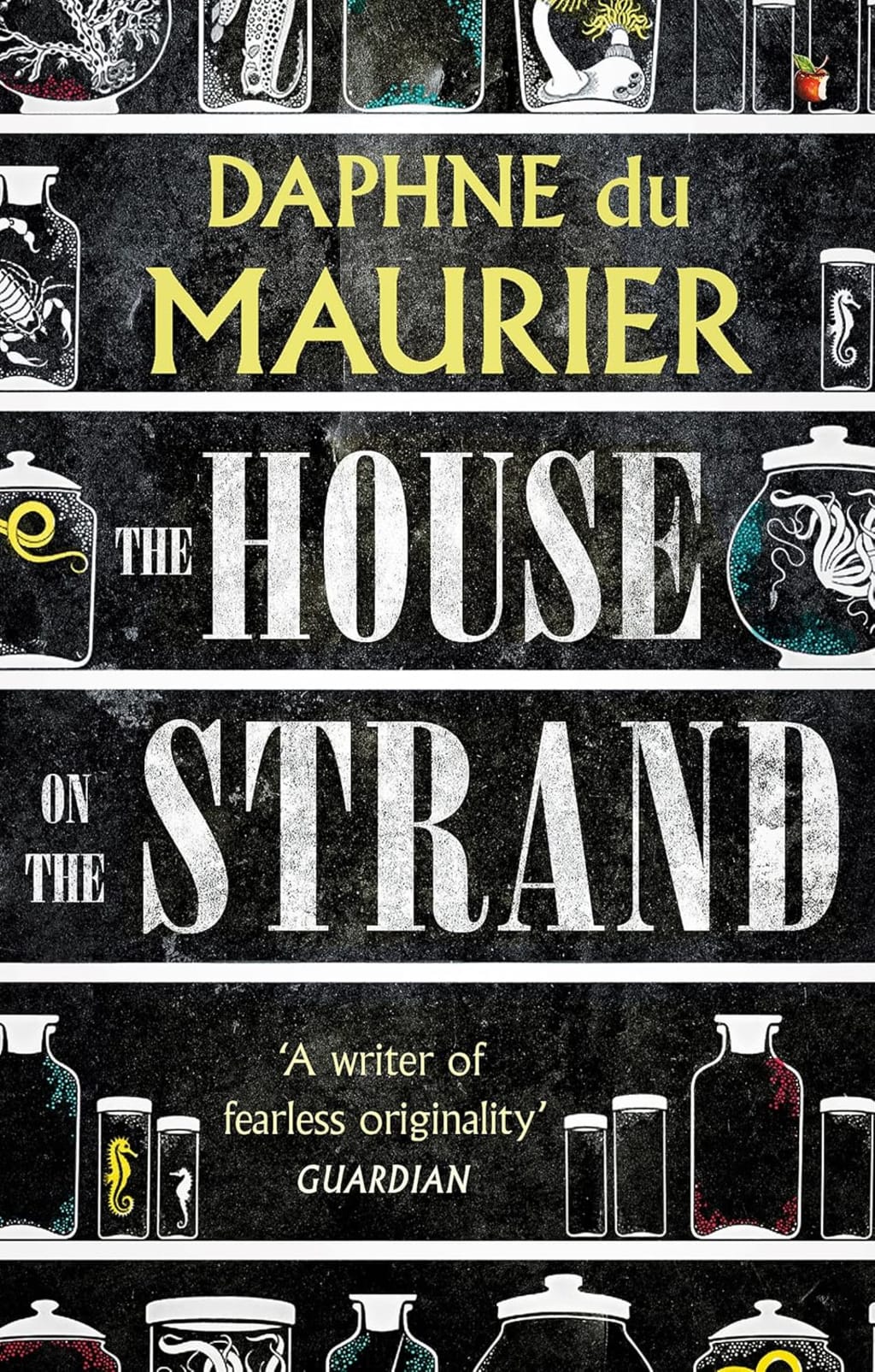
Daphne Du Maurier is perhaps one of the best-known writers of the 20th century. She's mostly known for her work with Hitchcock, but I have a bit to tell you about my time with this author. When I was about fourteen, I encountered Rebecca and proceeded straight on to read what became my favourite novel by the writer - My Cousin Rachel. When I was in university, I took a film class in which I scripted The Apple Tree, a short story by Du Maurier, as one of my assignments. Over the years, I have read many of her works including but not limited to: The Birds, Frenchman's Creek, Jamaica Inn and of course, Don't Look Now. So, let's take a look at this novel entitled The House on the Strand.
Dick Young, a middle-aged man at a crossroads in life, agrees to spend a few weeks at the Cornish home of his friend, Magnus Lane, a brilliant yet eccentric biophysicist. Magnus introduces Dick to an experimental drug that he claims will transport him mentally to the 14th century. Eager for an escape from his mundane life, Dick agrees to try it. Magnus warns that the drug is still untested and may have side effects, adding a layer of foreboding to Dick’s decision. Obviously, this has the clear marker of tension and anguish of a Daphne Du Maurier novel - a person longing to be away from everything.
After consuming the drug, Dick experiences a vivid and startling shift. He finds himself in medieval Cornwall, observing the lives of people like Isolda Carminowe, a strikingly beautiful and complex woman caught in a web of love and deceit, and Sir Otto Bodrugan, her lover, whose ambitions and schemes play out against the turbulent backdrop of feudal politics. Dick quickly realises he is an invisible spectator, powerless to affect the events he witnesses, yet he becomes captivated by the world’s intensity and drama. This is where the novel starts to become really quite ethereal. It blends the new gothic with the old as we get a flavour of the far away whilst also maintaining to see it through the eyes of a character close to us.
As Dick continues using the drug, he finds it increasingly difficult to reconcile his ordinary life in the 20th century with the emotionally charged and dangerous medieval world. His wife, Vita, and her two sons arrive in Cornwall, disrupting his private escape. Vita’s enthusiasm for relocating to England from America contrasts starkly with Dick’s growing detachment, and tensions in their marriage begin to surface. In his time travels, Dick becomes engrossed in the intricacies of Isolda’s life. She is married to Richard de Prye, a man of wealth and influence, but her true affection lies with Sir Otto.
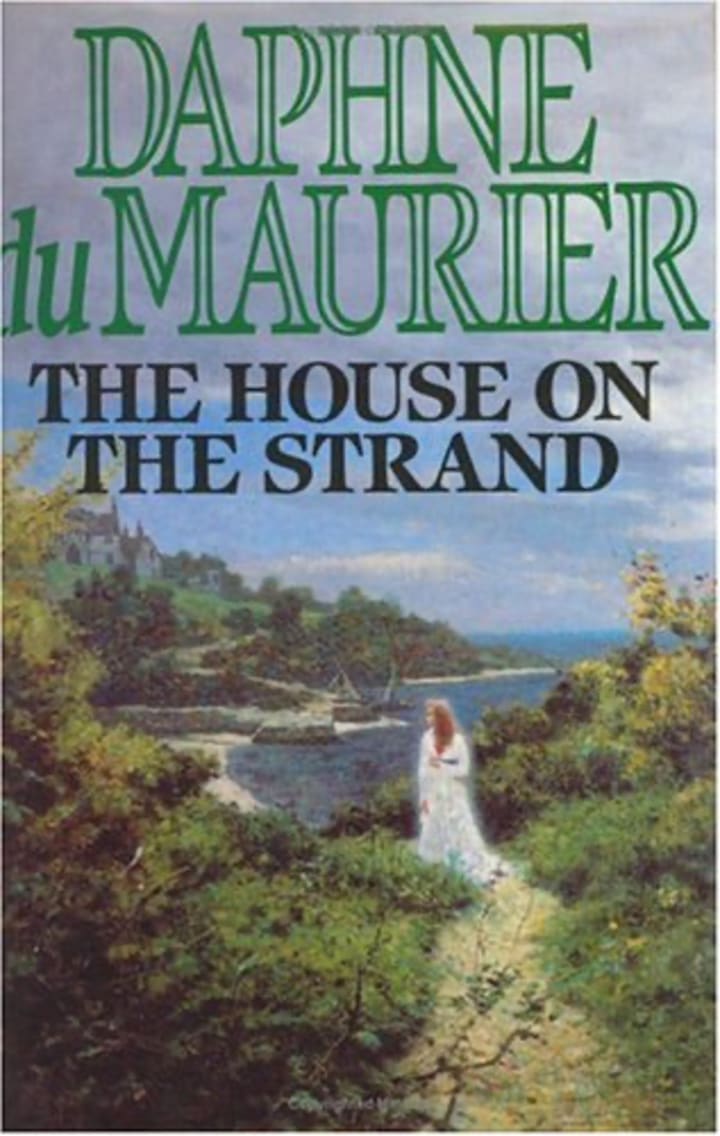
Her forbidden love for Otto and the political machinations surrounding them escalate into a series of betrayals and tragedies. Dick’s fascination with Isolda deepens into an obsession, and he begins to see her as a symbol of passion and freedom that his own life lacks. Daphne Du Maurier was always good at writing those characters who cannot live in their own worlds, always wanting to run, always wanting to go somewhere else. It is not a wanderlust thing, but instead it is a want to be away from their own true selves. It is a form of self-loathing.
Magnus dies in a tragic accident involving a train, which Dick suspects is linked to his own use of the drug. The circumstances of Magnus’s death remain ambiguous—was it an accident, or did Magnus succumb to the same dangerous pull of the past? His death leaves Dick without a guide or mentor, heightening the protagonist’s sense of isolation. This is not a spoiler, don't worry it is pretty much hinted at for most of the novel. However, it is not nearly the end of the journey either. There is so much more to experience, so much more heartache back in the 14th century world that our main character has become so addicted to that the death of Magnus almost slips away in favour of somewhere the protagonist feels more at home now than ever before.
All in all, I thought this book was incredibly clever. There is something haunting about the way in which the character uses the drug in almost a Jekyll and Hyde manner. As you move towards the end of the book, you are constantly realising something that you are hoping won't be true: but the real question is actually about whether you will ever actually find out if you are right or not.
About the Creator
Annie Kapur
I am:
🙋🏽♀️ Annie
📚 Avid Reader
📝 Reviewer and Commentator
🎓 Post-Grad Millennial (M.A)
***
I have:
📖 280K+ reads on Vocal
🫶🏼 Love for reading & research
🦋/X @AnnieWithBooks
***
🏡 UK
Keep reading
More stories from Annie Kapur and writers in Geeks and other communities.
Book Review: "The Riders" by Tim Winton
Tim Winton's books continue to fascinate me with the simplicity of their storylines and the expanse they can go to. There is always something about the story that twists and turns the characters and, mainly to do with their development, it serves as a reminder that even the smallest changes in someone's life can send them down an entirely new track for life. So far, I have read Dirt Music and the phenomenal Cloudstreet. And from these books I started to investigate more of his writing. So here's my review of The Riders. Yet another hit from this writer.
By Annie Kapurabout a year ago in Geeks
Silver Screen Magic with Mae West
American actress and singer Mae West became a popular film actress during the Great Depression. She started entertaining in vaudeville, then performed on Broadway, and finally went to Hollywood. She signed up with Paramount Pictures and made her debut in the 1932 film “Night After Night.” She also starred in musicals, comedies, and crime dramas. The American Film Institute named her one of the best classic Hollywood actresses.
By Rasma Raisters4 days ago in Geeks
Sadie Sink Found Out About Her ‘Spider-Man’ Casting Via Online Speculation: “There’s Sometimes Some Truth To It”
Although sworn to secrecy by the MCU, Sadie Sink admits there’s sometimes some truth to the online fan theories. The actress, who will star in Spider Man Brand New Day in an undisclosed role, admitted “it’s torture” not being able to tell people which character she’s playing in the fourth installment of the Marvel Studios franchise.
By Dena Falken Esq7 days ago in Geeks
How to Succeed at the Benson Directory®
Congratulations and welcome to the Benson Directory® employee #22391! As our newest call handler, you will have the privilege of speaking with dozens of unique and interesting people on a daily basis as well as the opportunity to earn bonuses for high performance. Contained within this handbook you will find a set of ease to follow instructions designed to help you settle in to your new role and begin paving the way to success.
By S. A. Crawfordabout 17 hours ago in Fiction




Comments
There are no comments for this story
Be the first to respond and start the conversation.