
Book Review: "The Empusium" by Olga Tokarczuk
5/5 - frightening, philosophical and set on the edge of the world...

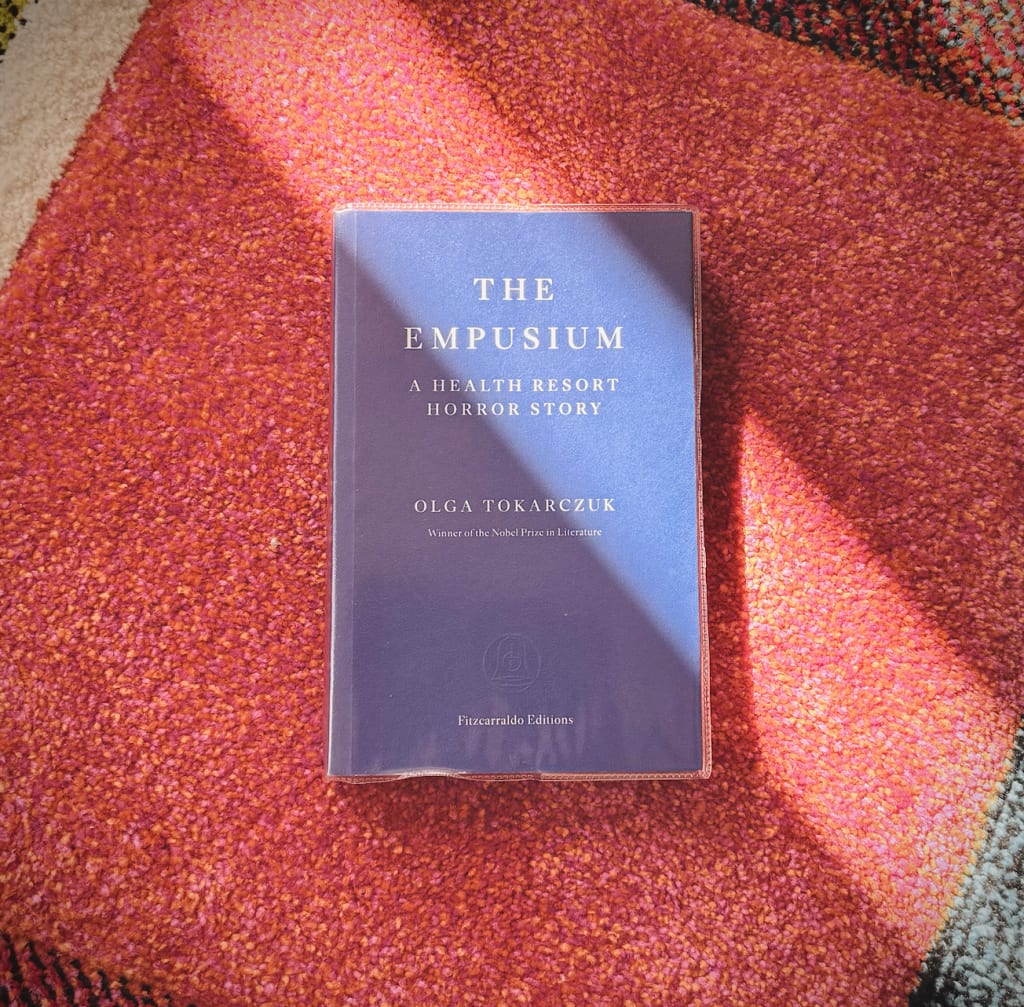
Olga Tokarczuk is a writer I've read before but admittedly probably not as much as the brodernists of Twitter are pretending they have. I've always found her works difficult to access at first, they are perhaps quite obtuse and a little on the slow start side, but the slow burns at vital moments of the text exude her lyrical confidence more than that. I think it's something special about Olga Tokarczuk's literature and why she won the Nobel Prize in 2018. She definitely has a way with description and how she makes you see the very intellectual side of what are mundane details of life.
Set in a pre-World War One atmosphere, this book is about weird medical practices, strange ways of handling things and of course, nightmare sanitoriums. The setting I noticed is quite secluded and isolating, providing that perfect madness that we all love so much from books and movies like The Shining. But instead of going crazy, this book goes to thoughtful darknesses which were often difficult to understand, but were quite dark nonetheless. Obviously as it is set in 1913, there is a lot to be said about the condensed madness which reflects the overall anxiety of a world on the cusp of a huge change. One which many will regret for the rest of their lives.
Mieczysław Wojnicz, a young Polish engineering student, arrives at the Görbersdorf sanatorium seeking treatment for tuberculosis and he is this reserved character too. He observes the eccentricities of the other patients, all of them male and notices that if he is going to survive he is going to have to confront his level of masculinity by comparison. The place where they are is called The Guesthouse for Gentlemen and it is managed by Wilhelm Opitz. There are tons of people from varied backgrounds, each representing a group with an anxiety of gripe about the future, especially concerning how the First World War is right around the corner.
These include but aren't limited to: a Catholic professor, a Viennese socialist, and a German art student. This was perhaps one of the most symbolic things about the book outside of the existential concerns of the characters themselves. It was difficult to see from the outset, but once realised it was fitting to what the characters would talk about, how they would act and the way in which they would interact with each other and their space.
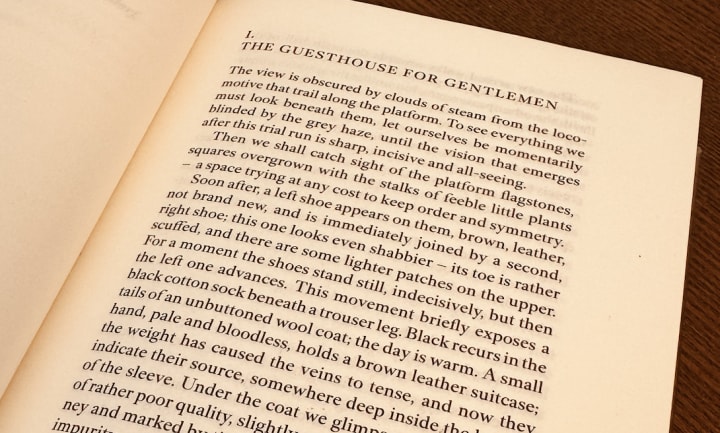
At night there is this strange thing that happens where these people all get together and basically take hallucinogenic drugs, get super high and then start discussing philosophies, having some sort of ideological conflict and interspersing misogyny into the mix. The intellectual arrogance of men is often critiqued here, requiring us to look at the idea of the aversion to women in academic spaces that pseudo-intellectual and self-proclaimed intellectual men often have.
Now for the obvious: the references to Thomas Mann's The Magic Mountain. The fact that it is a secluded tuberculosis sanitorium is the setting might seem a little on the nose but of course it is done entirely on purpose - in fact, to be on the nose. Obviously though, the subversion comes in the form of the horror elements that our Empusium author introduces in order to show the 'truth' behind some of these conversations and philosophies. We see things like mysterious deaths, forest rituals and a strange haunting presence. They permeate the book with this weird unease that definitely makes us as the readers, shift in our seats. There is a clear blending of things that may seem mundane with the uncanny and even the macabre. I would actually say I enjoyed my first reading of this more than I enjoyed my first reading of The Magic Mountain (please don't hurt me).
All in all, Olga Tokarczuk makes sure that we know she means business with her horror version of The Magic Mountain whilst also subjecting us to deep philosophical conversations, laden with misogyny and existentialism. It really gives us an in-depth look at the world of the self-proclaimed importance of secluded men who definitely have little knowledge of the fact that the world is about to fall apart, but have all the microcosmic anxieties of it. Honestly, it was a difficult read philosophically, but I am glad that I read it.
***
Join my unofficial poetry challenge!
About the Creator
Annie Kapur
I am:
🙋🏽♀️ Annie
📚 Avid Reader
📝 Reviewer and Commentator
🎓 Post-Grad Millennial (M.A)
***
I have:
📖 280K+ reads on Vocal
🫶🏼 Love for reading & research
🦋/X @AnnieWithBooks
***
🏡 UK
Reader insights
Outstanding
Excellent work. Looking forward to reading more!
Top insight
Heartfelt and relatable
The story invoked strong personal emotions
Keep reading
More stories from Annie Kapur and writers in Geeks and other communities.
Book Review: "Liquidation" by Imre Kertész
Yes, I've been back to the library and this time (because they haven't actually done my reservations yet so I'm sad) I have tried to go for a theme. The theme this time was black and white book covers. I know it sounds silly but I really had no other idea. I have currently also been shopping for used books. I love looking for books that other people have read and enjoyed (sometimes they have even annotations and drawings inside which makes it all the more interesting). It's April 2025 and I'm sitting around drinking coffee and listening to podcasts. I've finished Liquidation and all I can say is: what the f-?
By Annie Kapur8 months ago in Geeks
Marvel Zombie
The last entry into our 2025 superhero projects catalogue is Marvel Zombies. This was a show that was anticipated by absolutely no one and it disappeared from the public consciousness as quickly as it was released. There was nothing special about the project that made it a must see, or a must remember. In fact if anything it's a must forget.
By Alexandrea Callaghan25 days ago in Geeks


Comments
There are no comments for this story
Be the first to respond and start the conversation.