
Book Review: “The Barn” by Wright Thompson
5/5 - an uncovering of the truth about the brutal murder of Emmett Till...

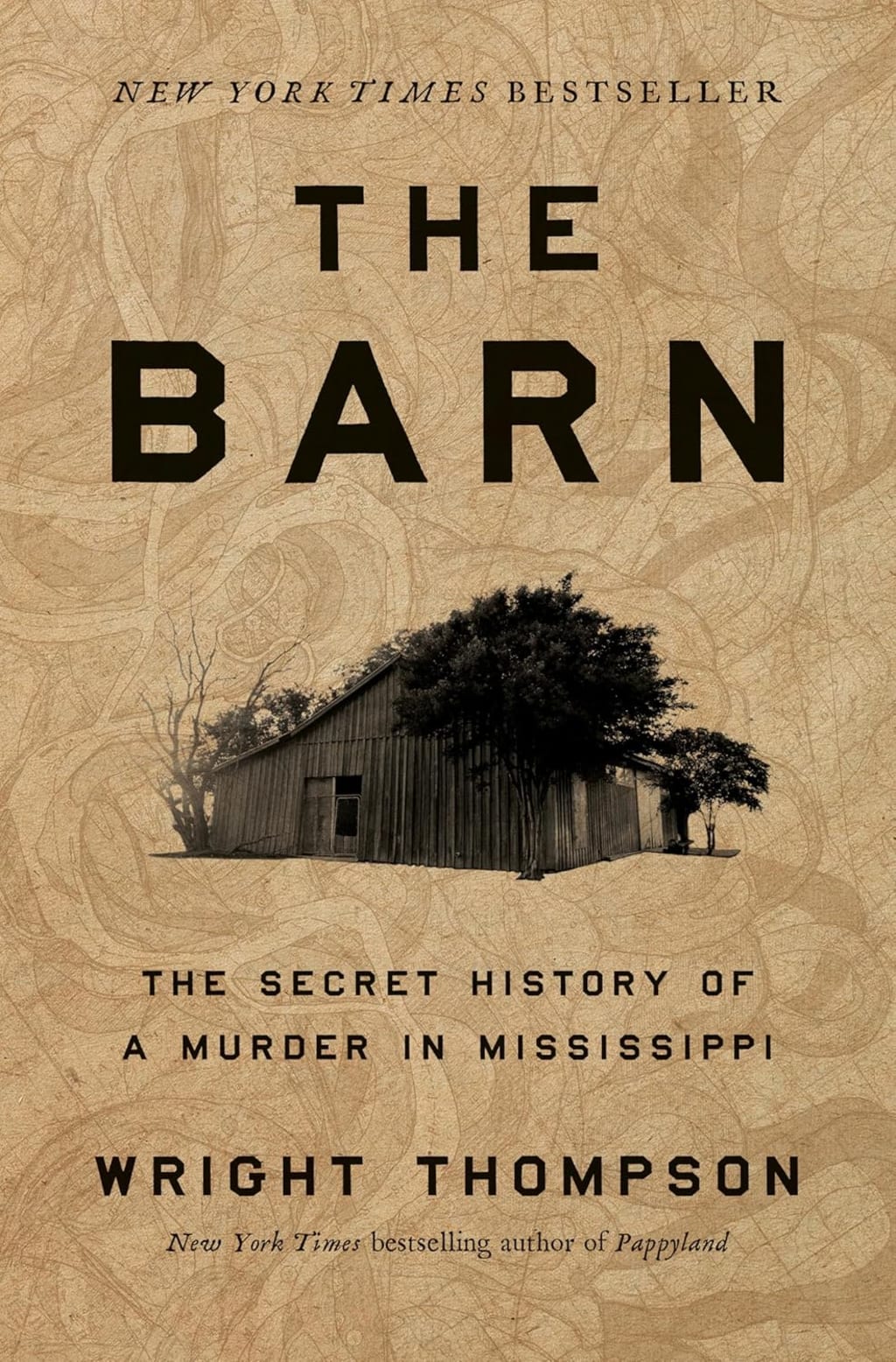
I heard about this book through my recent reading of nonfiction books and scrolling endlessly through nonfiction pages on publishing house websites. I think I have always been interested in the story of Emmett Till because there seems to be a lot of details that people remember differently, or details that have simply been left out - but almost 70 years' on, the story is more relevant than ever. This is not just because of the terrors of racism, but because of the fact we often forget that this was a child. Wright Thompson does a brilliant job of piecing together a story that is much bigger than a horrific night in 1955 - it was in fact, the cradle of American Racism.
Thompson unpacks how the Mississippi Delta in the 1950s was a unique flashpoint for racial and social tensions, both locally rooted and nationally felt. By examining the deeply ingrained racial hierarchies and customs of the region, he reveals how these factors, compounded by national pressures from the civil rights movement, set the stage for Till's murder. This murder was not just an isolated act of brutality; it was deeply intertwined with broader socio-political forces in America that were pushing against centuries-old racial norms.
This does not mean the author wants us to understand the murder, but the author instead wants us to be horrified by the attitudes of the people who were involved with it. We often think that the Civil Rights' Movement started where it ended in 1964, but actually there is a whole history to unpack. The author uses freedom fighters such as Medgar Evers to create this timeline, showing that Emmett Till's murder was actually the reaction of white people to the oncoming wave of equality which they strictly did not want.
A significant focus of the book is the intentional forgetting and suppressing of Till’s story within Mississippi and beyond. Thompson investigates the long-lasting impact of this erasure on both personal and collective memories. This selective memory has allowed communities to avoid reckoning with their past, perpetuating a legacy of silence and repression that has hindered healing and understanding.
Thompson reflects on how this cultural amnesia has reshaped the truth over time, making it difficult for younger generations to fully understand the weight of what occurred. When you actually start reading the research he has done, it becomes a case of disbelief because you know what you have been taught is not even half of the story. The horrific treatment of Emmett Till at the hands of these monsters is not the whole story, but there is a lot more to be unearthed that has not been - and it's not even on Wikipedia.
Thompson explores how Till’s murder affected not only his immediate family but also generations of African American families who lived in constant fear of similar violence. Through narratives passed down within families, he shows how this collective trauma has created a legacy of pain and resilience. By examining how families like Till’s continued to bear the emotional and psychological scars of such events, Thompson underscores the deeply personal impacts of racial violence on individual lives and family histories.
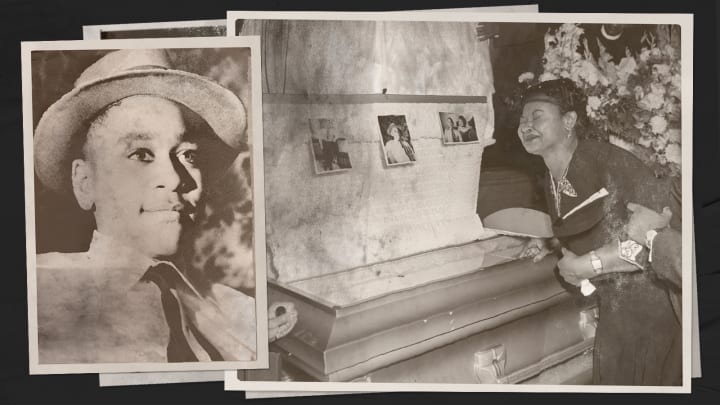
We get the narratives of family members, especially Emmett Till's mother who spent a long time fighting for equality after the murder of her son. It seems like the murder grew into a representation of treatment that had to change, but to the close family it was still a child that they had lost because others had taken his life. There is a huge difference between what Emmett Till has come to represent in the Civil Rights' Movement, and what Emmett Till meant to those closest to him. They spent days looking for his body and when they did find him - he had been beaten to death so badly he was unrecognisable.
All in all, Thompson examines the individuals linked to Till's story with a nuanced approach, avoiding simplistic characterisations to uncover the intricate mix of motivations, fears, and ethical conflicts influencing their actions. His portrayal includes not only the perpetrators but also passive bystanders, emphasising how each person, whether through actions or inaction, was impacted by or contributed to the tragedy. This layered analysis demonstrates that understanding Till’s story requires acknowledging the varied roles and responses of all involved.
About the Creator
Annie Kapur
I am:
🙋🏽♀️ Annie
📚 Avid Reader
📝 Reviewer and Commentator
🎓 Post-Grad Millennial (M.A)
***
I have:
📖 280K+ reads on Vocal
🫶🏼 Love for reading & research
🦋/X @AnnieWithBooks
***
🏡 UK
Keep reading
More stories from Annie Kapur and writers in Geeks and other communities.
Book Review: "The Fate of Mary Rose" by Caroline Blackwood
I had never heard of this book before Virago Books made it the centre of one of their tweets when the book was released - or should I say, rediscovered...I could not wait to read this number as the tagline they used was a persuasive connection to the fans of Shirley Jackson. And if there is any modern psychological writer I am a fan of, it's Shirley Jackson. I have recently been teaching The Lottery to children who really do not appreciate the depth and irony of the ending but be that as it may, I was even more excited to get back to a recent re-read of Hangsaman. So, I was even more shocked when this book by Caroline Blackwood was put out there because it is so greatly in that style that I could've sword it was a Shirley Jackson all the same! Let's take a look into the book...
By Annie Kapurabout a year ago in Geeks
Silver Screen Magic with Mae West
American actress and singer Mae West became a popular film actress during the Great Depression. She started entertaining in vaudeville, then performed on Broadway, and finally went to Hollywood. She signed up with Paramount Pictures and made her debut in the 1932 film “Night After Night.” She also starred in musicals, comedies, and crime dramas. The American Film Institute named her one of the best classic Hollywood actresses.
By Rasma Raisters8 days ago in Geeks
Michael Vartan
Michael Vartan has long been one of Hollywood’s most recognizable yet understated actors. Known for his charm, emotional range, and consistent performances, Vartan built a career that resonated strongly with television audiences, particularly during the early 2000s. While he may not dominate headlines today, interest in Michael Vartan now reflects how lasting his impact has been on fans who grew up watching his work. Early Life and Entry Into Acting Michael Vartan was born on November 27, 1968, in Boulogne-Billancourt, France. Raised between France and the United States, he grew up in a multicultural environment that shaped his worldview. His mother was an American artist, and his father was a French actor and writer, which gave him early exposure to the creative world. Before acting became a serious pursuit, Vartan worked behind the scenes in the film industry. He served as an assistant to directors, gaining firsthand experience with the mechanics of filmmaking. This background gave him a grounded understanding of storytelling—an element that later showed in the depth and restraint of his performances. Breakthrough Roles and Rising Popularity Michael Vartan’s acting career began in the 1990s with roles in films such as The Pallbearer and Never Been Kissed. While these projects introduced him to mainstream audiences, his true breakthrough came with television. In 2001, Vartan was cast as Michael Vaughn in the spy drama Alias. The show quickly became a cultural phenomenon, and his portrayal of the calm, morally driven CIA agent earned widespread praise. His on-screen chemistry with Jennifer Garner played a significant role in the series’ success and cemented Vartan’s status as a fan favorite. Alias allowed Michael Vartan to showcase more than just leading-man appeal. His character balanced action with emotional vulnerability, making him relatable despite the high-stakes spy narrative. For many viewers, this role remains the defining chapter of his career. Career After Alias Following the end of Alias, Michael Vartan continued working steadily in both television and film. He appeared in movies like Monster-in-Law and One Hour Photo, demonstrating his willingness to explore varied genres. On television, he took on leading and supporting roles in shows such as Hawthorne, Bates Motel, and The Arrangement. These performances reflected a shift toward more mature, nuanced characters, aligning naturally with his growth as an actor. Rather than chasing constant visibility, Vartan seemed selective, choosing projects that interested him creatively. This approach contributed to his reputation as a dependable and thoughtful performer rather than a celebrity driven by trends. Michael Vartan Now: Life Away From the Spotlight When people search for Michael Vartan now, they are often curious about why he appears less frequently on screens. The answer is not controversy or retirement, but balance. In recent years, Vartan has stepped back from high-profile roles, focusing more on personal life and selective professional opportunities. He has spoken openly in the past about the pressures of fame and the importance of mental health. This honesty resonated with fans and helped explain his quieter presence in Hollywood. Instead of constant exposure, Michael Vartan now represents a different model of success—one defined by longevity and personal well-being. Though he is not as active as he once was, he remains connected to the industry and continues to receive interest from both creators and audiences. His legacy ensures that his work is still revisited by new viewers discovering his shows through streaming platforms. Acting Style and Lasting Appeal What sets Michael Vartan apart is his subtlety. He is not known for over-the-top performances or dramatic transformations. Instead, his strength lies in emotional authenticity. Whether playing a spy, a doctor, or a troubled partner, his characters often feel grounded and believable. This realism helped him maintain relevance across different eras of television. His performances age well because they rely on human emotion rather than stylistic trends. For fans revisiting his work today, that quality remains just as compelling. Cultural Impact and Fan Connection While Michael Vartan may not dominate social media or entertainment news cycles, his fan base remains loyal. Online discussions, rewatch threads, and renewed interest in shows like Alias continue to introduce his work to younger audiences. His career serves as an example of how consistency and integrity can leave a lasting impression without constant self-promotion. In an industry that often rewards noise, Vartan’s quieter approach stands out. Final Thoughts Michael Vartan’s journey through Hollywood reflects a career built on steady growth, thoughtful choices, and respect for the craft of acting. From his early days behind the camera to his memorable television roles, he carved out a space that remains relevant even years later. For those wondering about Michael Vartan now, the answer is simple: he is living on his own terms, with a legacy already firmly established. His story reminds us that success in entertainment does not always mean being everywhere—it can also mean being remembered.
By Saboor Brohi 6 days ago in Geeks



Comments (2)
This insightful review highlights the profound importance of Thompson's work in understanding the broader context of Emmett Till's tragic story. Your detailed breakdown of the book's exploration of racial and social tensions adds depth to its significance. If you have a moment, I’d love for you to check out my latest stories and share your thoughts. Your feedback would mean a lot to me.
There are so many layers to this one. Thank you for this review and the reminder that we have so much to learn.