
Book Review: Mindset: The New Psychology of Success
The Truth About Ability and Accomplishment

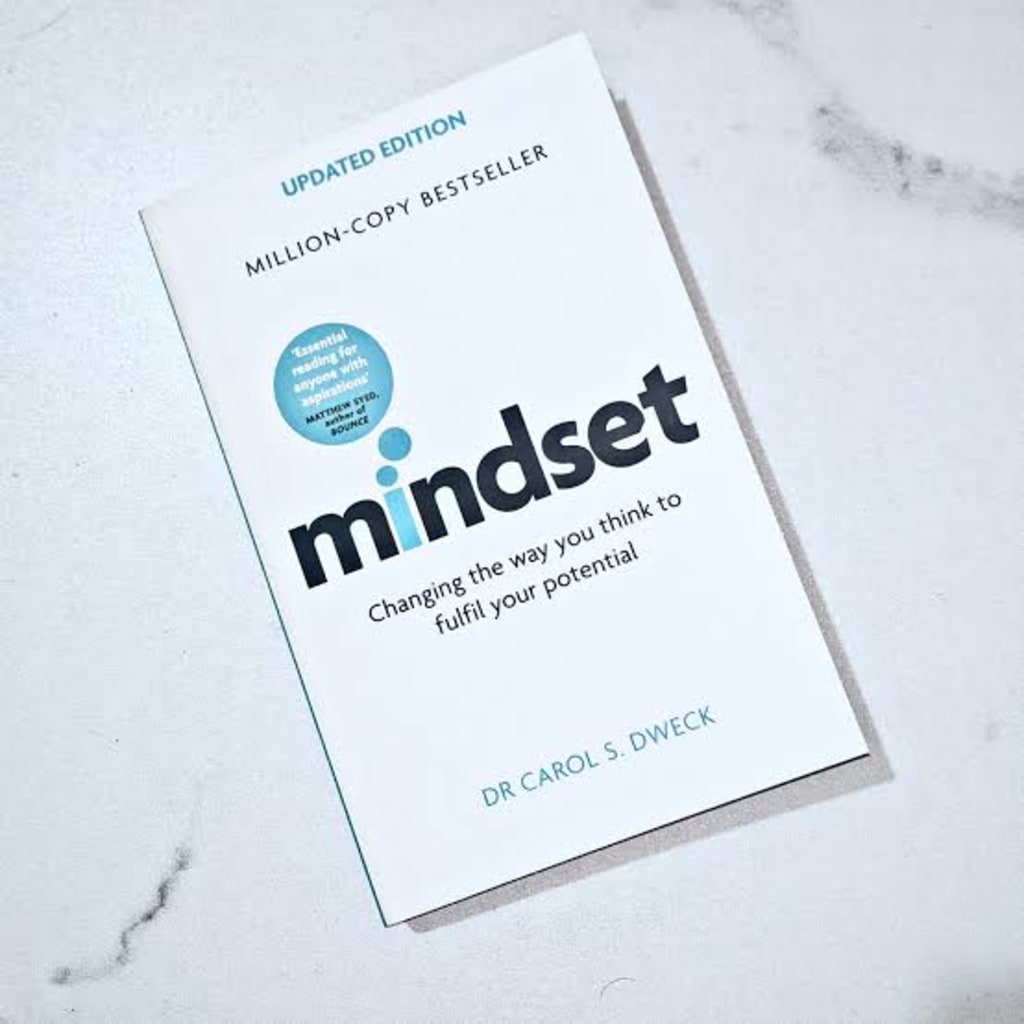
Mindset: The New Psychology of Success by Carol S. Dweck explores the transformative power of adopting the right mindset to achieve personal and professional success. Dweck, a renowned psychologist, introduces the concept of two fundamental mindsets: the fixed mindset and the growth mindset. A fixed mindset assumes that abilities, intelligence, and talents are static traits, leading individuals to avoid challenges, fear failure, and feel threatened by others’ success. Conversely, a growth mindset embraces the belief that abilities can be developed through effort, learning, and perseverance, fostering resilience and a passion for growth.
The book delves into how these mindsets shape various aspects of life, including education, relationships, business, and sports. Dweck illustrates her points with compelling research and real-life examples, such as students who thrive by embracing challenges or leaders who foster innovation through a growth-oriented approach. She emphasizes practical strategies for cultivating a growth mindset, such as reframing failures as opportunities, valuing effort over innate talent, and embracing constructive feedback.
Ultimately, Mindset is a guide to unlocking potential by shifting perspectives. It encourages readers to adopt a growth mindset to navigate challenges, build resilience, and achieve long-term success.
Introduction to Mindset Theory
Carol S. Dweck’s Mindset is grounded in decades of psychological research, offering a framework that explains how our beliefs about our abilities shape our behavior and outcomes. The book’s core premise is that individuals operate under one of two mindsets: fixed or growth. Those with a fixed mindset believe their qualities—such as intelligence, creativity, or athletic ability—are innate and unchangeable. This belief often leads to a fear of failure, as mistakes are seen as evidence of inadequacy. In contrast, a growth mindset is characterized by the belief that abilities can be developed through dedication and hard work. This perspective encourages individuals to view challenges as opportunities to learn and grow.
Dweck’s work is rooted in her studies on motivation and achievement, particularly in educational settings. She observed that students with a growth mindset were more likely to persist through difficulties, while those with a fixed mindset often gave up when faced with setbacks. This observation led her to explore how mindsets influence not only academic performance but also personal relationships, professional success, and even mental health.
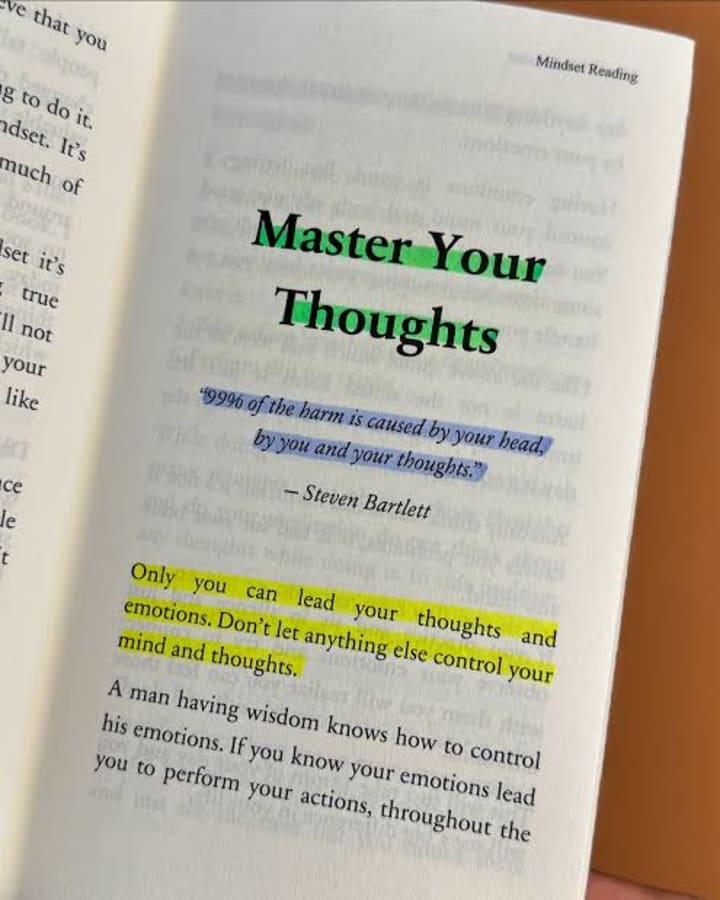
Key Themes and Insights
1. The Power of Belief in Shaping Behavior
Dweck argues that our mindset fundamentally shapes how we approach life’s challenges. For example, in a fixed mindset, individuals may avoid difficult tasks to protect their self-image, believing that struggling indicates a lack of talent. In contrast, those with a growth mindset see effort as a path to mastery. Dweck cites studies showing that students praised for effort rather than intelligence were more likely to tackle challenging problems and persist after failure. This insight has profound implications for parenting, teaching, and leadership, as it underscores the importance of praising process over inherent ability.
2. Mindsets in Education
One of the book’s most compelling sections explores how mindsets affect learning. Dweck describes experiments where students with a growth mindset outperformed those with a fixed mindset, even when initial ability levels were similar. She recounts the story of a group of students who, after being taught about the brain’s plasticity and the value of effort, transformed their academic performance. This has led to practical applications, such as workshops that teach students to adopt a growth mindset, resulting in improved grades and motivation.
3. Mindsets in Relationships
Dweck extends her theory to personal relationships, illustrating how a fixed mindset can lead to rigid expectations and blame, while a growth mindset fosters collaboration and growth. For instance, in romantic relationships, a fixed mindset might lead someone to believe that a “perfect” partner should meet all their needs without effort. In contrast, a growth mindset encourages couples to work through conflicts and view challenges as opportunities to strengthen their bond.
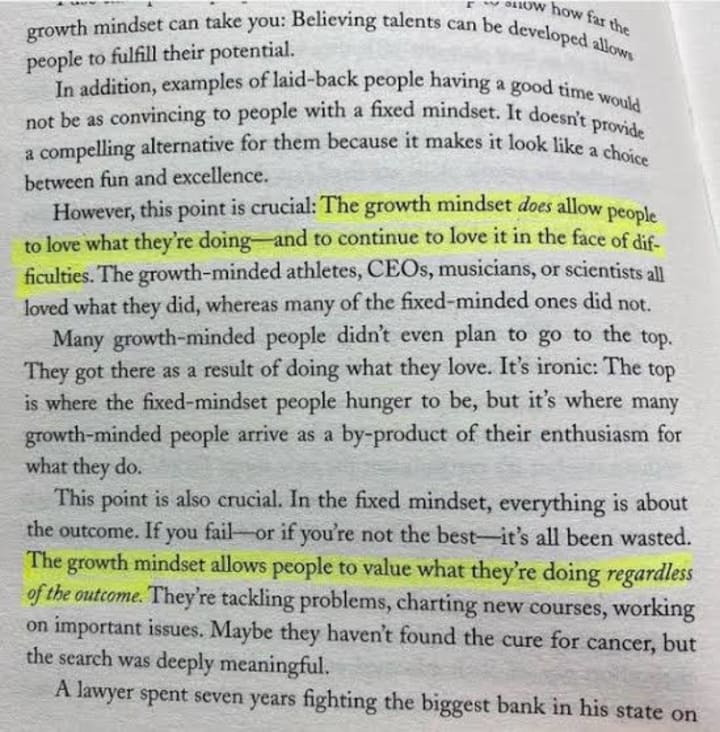
4. Mindsets in Business and Leadership
In the workplace, Dweck contrasts leaders with fixed mindsets, who prioritize validation and control, with those who embrace a growth mindset, fostering innovation and teamwork. She cites examples like Lee Iacocca, whose fixed mindset led to short-term gains but long-term stagnation at Chrysler, versus growth-minded leaders like Lou Gerstner, who transformed IBM by encouraging risk-taking and learning from failures.
5. Mindsets in Sports and Performance
Dweck also examines how mindsets influence athletic performance. She discusses athletes like Michael Jordan, whose growth mindset drove him to relentlessly practice and improve, even after setbacks. In contrast, athletes with a fixed mindset may crumble under pressure, fearing that failure will expose a lack of talent.
Practical Applications
Dweck provides actionable strategies for cultivating a growth mindset:
Reframe Failure: View setbacks as opportunities to learn rather than as reflections of your worth.
Embrace Challenges: Seek out tasks that stretch your abilities, as they foster growth.
Value Effort: Focus on the process of learning rather than the outcome.
Seek Feedback: Use constructive criticism to improve rather than feeling threatened by it.
Inspire Others: Encourage a growth mindset in others by praising effort and resilience.
She also warns against the “false growth mindset,” where individuals claim to embrace growth but revert to fixed mindset behaviors under pressure. True growth requires consistent effort and self-awareness.
Impact and Relevance
Mindset has had a profound impact since its publication in 2006, influencing educators, coaches, business leaders, and individuals seeking personal growth. Its principles have been integrated into school curricula, corporate training programs, and even parenting guides. The book’s accessibility, blending rigorous research with relatable anecdotes, makes it a powerful tool for anyone looking to unlock their potential.
In today’s fast-paced, challenge-filled world, Dweck’s message is more relevant than ever. The ability to adapt, learn from failure, and embrace growth is critical in navigating uncertainty. Whether you’re a student facing academic challenges, a professional aiming for career growth, or a parent fostering resilience in your child, Mindset offers a roadmap to success.
Conclusion
Mindset by Carol S. Dweck is a transformative exploration of how our beliefs shape our lives. By contrasting the fixed and growth mindsets, Dweck provides a compelling case for embracing challenges, valuing effort, and viewing failure as a stepping stone to success. Backed by rigorous research and vivid examples, the book is both inspiring and practical, offering readers tools to cultivate a growth mindset in themselves and others. Its enduring relevance lies in its universal applicability, making it a must-read for anyone seeking to achieve their fullest potential.
About the Creator
Am@n Khan
I'm educational storyteller passionate about turning knowledge into engaging narratives.
I write about topics like science, history and life skills.
Contact
WhatsApp : +923336369634
Silver Screen Magic with Mae West
American actress and singer Mae West became a popular film actress during the Great Depression. She started entertaining in vaudeville, then performed on Broadway, and finally went to Hollywood. She signed up with Paramount Pictures and made her debut in the 1932 film “Night After Night.” She also starred in musicals, comedies, and crime dramas. The American Film Institute named her one of the best classic Hollywood actresses.
By Rasma Raisters6 days ago in Geeks
Super Bowl in Canada: How to Watch
Super Bowl, one of the most exciting sporting nights of the year, is now less than a month away and the excitement is already palpable. Scheduled on February 8, 2026 at Levi’s Stadium in Santa Clara, California, this will be the third Super Bowl held in the San Francisco Bay Area.
By David Cookabout 10 hours ago in Geeks




Comments
There are no comments for this story
Be the first to respond and start the conversation.