

Overview
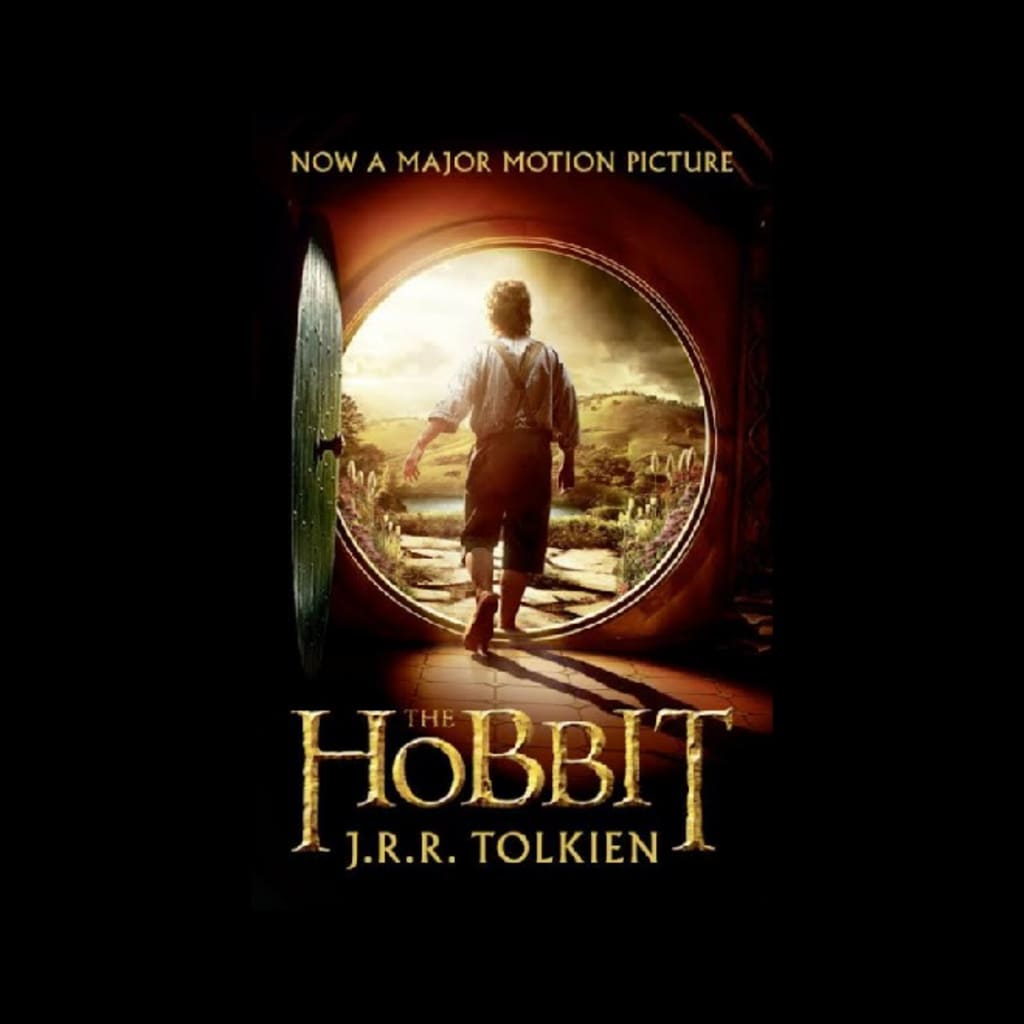
The Hobbit, or There and Back Again, written by J.R.R. Tolkien and first published in 1937, is a seminal work of fantasy literature. This novel, initially intended for children, has captivated readers of all ages with its rich world-building, memorable characters, and timeless themes. Set in the fictional realm of Middle-earth, The Hobbit follows the journey of Bilbo Baggins, a reluctant hobbit, as he embarks on an unexpected adventure filled with danger, treasure, and self-discovery. The book serves as a precursor to Tolkien’s more expansive The Lord of the Rings trilogy, introducing key elements of his legendarium, including the One Ring.
Tolkien, a philologist and professor, drew inspiration from Norse mythology, Anglo-Saxon literature, and his own experiences to craft a narrative that blends whimsy with epic undertones. The story’s accessibility, combined with its depth, has made it a cornerstone of the fantasy genre. Its themes of courage, friendship, and the transformative power of adventure resonate across generations, while its vivid settings—from the cozy Shire to the perilous Lonely Mountain—immerse readers in Middle-earth’s lore.
Detailed Summary
The Hobbit begins in the peaceful Shire, where Bilbo Baggins, a comfort-loving hobbit, lives a quiet life. His tranquility is disrupted when Gandalf, a wise and enigmatic wizard, recruits him for an adventure with a group of thirteen dwarves led by Thorin Oakenshield. The dwarves seek to reclaim their mountain home and its vast treasure from Smaug, a ferocious dragon. Though hesitant, Bilbo is swept into the quest, marking the start of his transformation from a timid homebody to a resourceful hero.
The company faces numerous trials on their journey. Early on, they encounter trolls, whom Bilbo cleverly distracts, though Gandalf ultimately saves the group. In the Misty Mountains, they are captured by goblins, and Bilbo becomes separated from his companions. Alone in the dark, he discovers a mysterious ring after a fateful encounter with Gollum, a wretched creature. Through a game of riddles, Bilbo earns his escape, unknowingly gaining possession of the One Ring, a pivotal artifact in Tolkien’s mythology.
As the journey continues, the group faces giant spiders in Mirkwood, where Bilbo’s bravery shines as he rescues the dwarves using his ring’s power of invisibility. They are later imprisoned by wood-elves, but Bilbo’s ingenuity secures their escape via barrels down a river. Eventually, they reach Lake-town, a human settlement near the Lonely Mountain. There, they prepare for their confrontation with Smaug.
Bilbo’s role as the group’s burglar becomes critical when he enters Smaug’s lair. His cunning dialogue with the dragon reveals a weak spot in Smaug’s armor, but it also provokes the dragon’s wrath, leading to an attack on Lake-town. Bard, a skilled archer, uses Bilbo’s information to slay Smaug with a well-aimed arrow. However, the dragon’s death sparks conflict over the mountain’s treasure, drawing humans, elves, and dwarves into a tense standoff.
The climax unfolds in the Battle of the Five Armies, where goblins and wargs attack, forcing the rival factions to unite. Thorin, Bilbo’s friend, falls in battle, but not before reconciling with Bilbo, who had risked much to prevent war by giving the Arkenstone, a prized dwarven heirloom, to Thorin’s adversaries as a bargaining chip. After the battle, Bilbo returns to the Shire, forever changed by his experiences. He lives quietly, though his possession of the ring sets the stage for The Lord of the Rings.
Themes and Legacy
The Hobbit explores themes of personal growth, the value of home, and the corrupting allure of greed. Bilbo’s evolution from a reluctant adventurer to a selfless hero underscores the idea that ordinary individuals can rise to extraordinary challenges. The novel’s vivid prose, detailed maps, and songs create an immersive experience, while its moral complexity elevates it beyond a simple children’s tale.
The book’s enduring legacy lies in its influence on fantasy literature and popular culture. It introduced Middle-earth’s rich mythology, paving the way for Tolkien’s later works and inspiring countless adaptations, including Peter Jackson’s film trilogy. Its universal appeal lies in its blend of humor, heart, and heroism, making it a timeless classic.
Conclusion
The Hobbit is a masterfully crafted tale that balances adventure and introspection. Through Bilbo’s journey, Tolkien invites readers to embrace the unknown, find courage within, and cherish the comforts of home. Its rich narrative and enduring themes ensure its place as a beloved work of literature.
About the Creator
Am@n Khan
I'm educational storyteller passionate about turning knowledge into engaging narratives.
I write about topics like science, history and life skills.
Contact
WhatsApp : +923336369634
The Politics of Playing Dress-Up
Well, to start off I'd like to say a happy world book day to all who celebrate. I know I haven't really posted anything on my socials about it but I'm not a jubilant kind of person. I lay low most of the time. Let's start off with a popular anecdote from the vaults...
By Annie Kapur2 days ago in Geeks
Spider-Man Rogues Gallery Power Rankings
Spider-Man’s world isn’t just defined by great power — it’s shaped by the enemies determined to break him. The rogues gallery of Spider-Man is one of the most iconic in comic history, filled with brilliant scientists, monstrous experiments, criminal masterminds, and deeply tragic figures. Some rely on raw strength, others on genius-level intellect, advanced technology, or psychological warfare — but all of them have pushed Peter Parker to his absolute limits.
By Top Ranked5 days ago in Geeks



Comments
There are no comments for this story
Be the first to respond and start the conversation.