
Book Review: "Men We Reaped" by Jesmyn Ward
5/5 - a devastating, yet very important book you should all be reading...

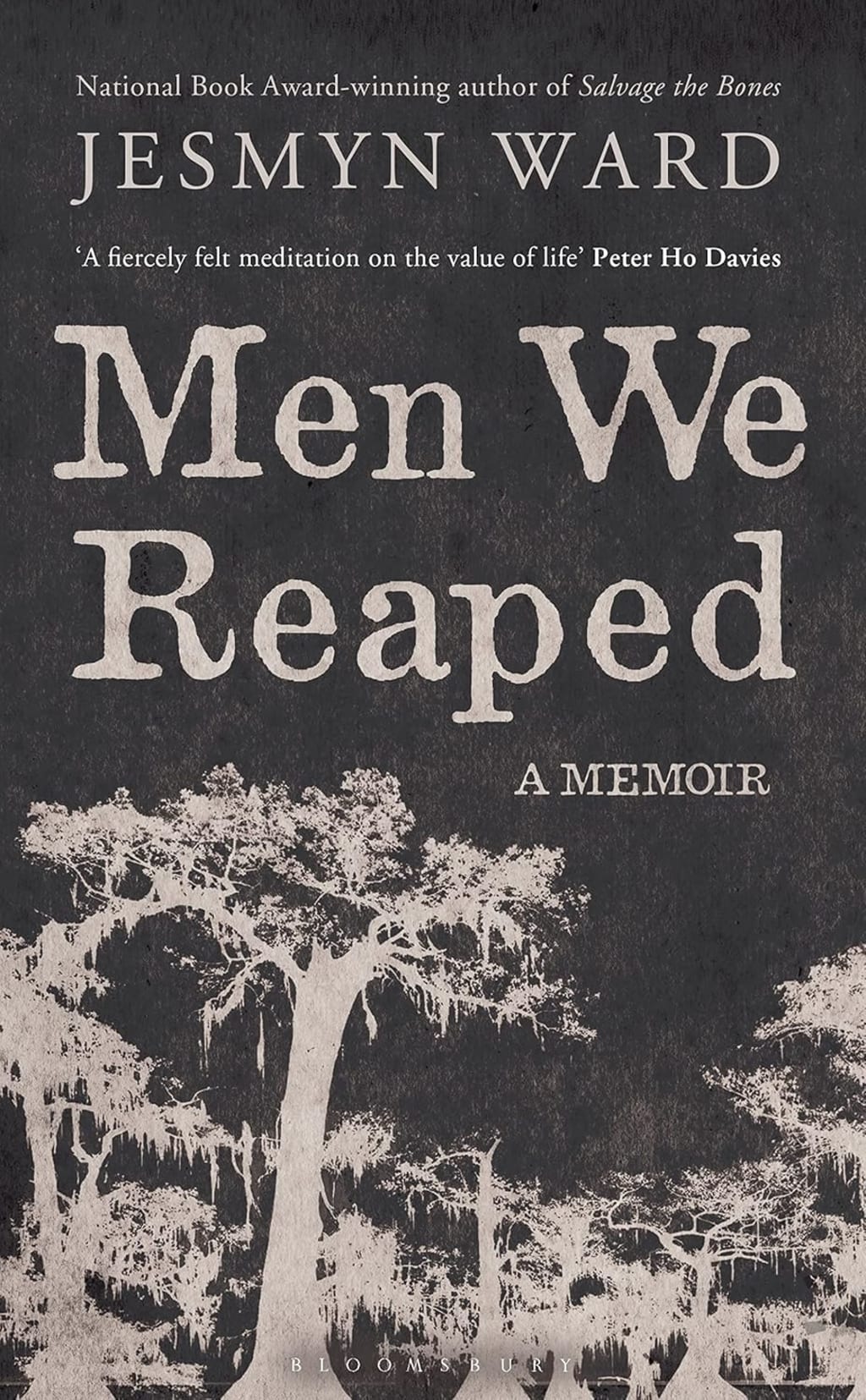
I had never heard of this book until I started looking for something to read in the nonfiction section. As I had recently completed a book called The Barn by Wright Thompson, this ended up in my suggested reading list on Amazon. I thought I would check it out because I'm not going to lie, I enjoyed The Barn so much, I was immersed from start to finish and wanted that kind of reading experience again. So, without further introduction - let me suggest that you read this great book entitled Men We Reaped by Jesmyn Ward.
The title, The Men We Reaped, is drawn from a quote by Harriet Tubman and reflects the central theme of loss. Ward begins the memoir by introducing the deaths of five young Black men, including her brother, Joshua. These losses are not isolated but rather symptomatic of systemic racism, poverty, and limited opportunities in their rural Mississippi community. The title encapsulates the collective grief and the structural forces that contributed to these tragedies. This is a story which unfortunately, a lot of people have in their lives to tell. Also, it resonates with our modern times of being more aware of where racial injustice can lead. It is a modern horror.
Ward delves into her upbringing in DeLisle, Mississippi, a small, predominantly Black town. She describes her family’s struggles with poverty and the emotional challenges they faced due to her father’s frequent absences. Her mother’s resilience in holding the family together is a recurring theme. These experiences shaped her worldview and informed her understanding of how race, class, and family dynamics interact. We are given this whole backstory filled with great-grandparents and the original 'Wolftown'. It is an expansive history filled with burning questions about whether things have really changed all that much or if they just appear to have changed.
Joshua, the author's younger brother, was killed in a hit-and-run accident. His death is central to the memoir and serves as a devastating reminder of how lives in their community are often cut short. She recounts Joshua’s warmth, charisma, and potential, painting a vivid picture of the loss felt not only by her family but also by the community. Joshua's death seems to be the midpoint of the text in which all the backstory leads up to and all the aftermath leads away from - however, it is the one incident that is constantly referred to both before and after he dies. It is such an important event to the narrator that she cannot get away from the multiple possibilities of race and class politics that lead to it. Each of the other men who die in the book may die in different ways, but each of their deaths are the result of something systemic and in-built into society's way. This can be very upsetting to realise.
Throughout the book, she intertwines her personal grief with a critique of systemic racism and economic inequality. The author examines how poverty, lack of access to education, and institutional neglect disproportionately affect Black communities in the South. These forces contribute to cycles of violence, despair, and premature death, which she connects to the legacy of slavery and segregation. It might be something that we don't want to read about because it is upsetting to read, but think about how head-on the author had to confront these realities. We cannot simply turn away because we would 'rather not see it'.
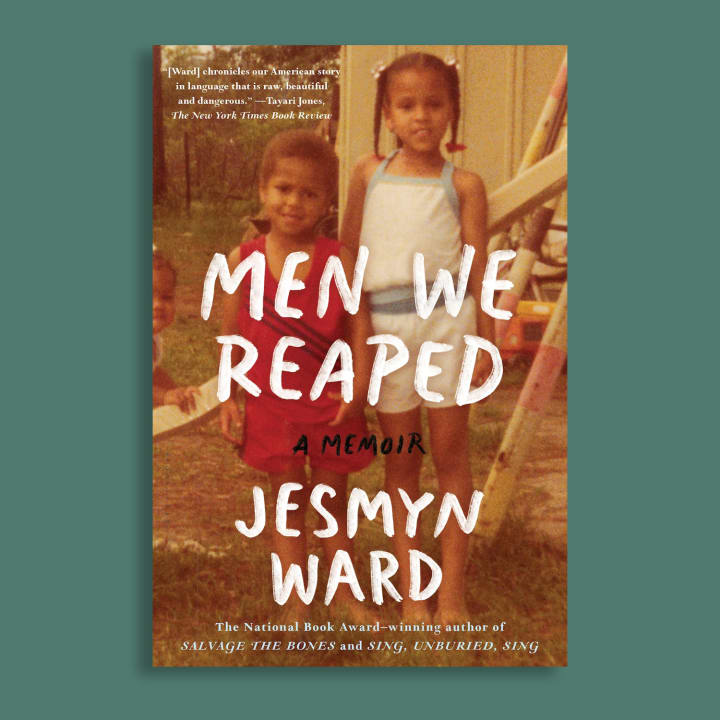
The author contrasts her own experiences of leaving DeLisle to pursue education and career opportunities with the lives of those who stayed behind. She reflects on the survivor’s guilt she feels for escaping the limitations of her hometown, even as she acknowledges the systemic forces that held others back. Her reflections emphasise the narrow paths available to people in her community. Her reflections also look back at the deaths of the men in the book as all the results of something that was not only systemic, but preventable if the proper measures were in place (such as: mental health services having an understanding of the struggles of Black men). The more and more she realises that she must save herself though, the more we feel happy for her, but we feel the same regret she does in leaving such as troubled place behind.
I personally found this book difficult to read at times because it can get quite sad. However, that does not mean I put it down. It is such as important read and I think more people should definitely be reading it. It is a fantastically written account of systemic racism at its very worst.
About the Creator
Annie Kapur
I am:
🙋🏽♀️ Annie
📚 Avid Reader
📝 Reviewer and Commentator
🎓 Post-Grad Millennial (M.A)
***
I have:
📖 280K+ reads on Vocal
🫶🏼 Love for reading & research
🦋/X @AnnieWithBooks
***
🏡 UK
Keep reading
More stories from Annie Kapur and writers in Geeks and other communities.
Book Review: "The Elected Member" by Bernice Rubens
I read this book because I saw it on social media and found out that it had won the Booker Prize. I was surprised because I have never actually heard of this book before and be that as it may, it had lots of raving reviews and thus, I began to feel out of the loop. I took it to work where I stupidly proceeded to lose it (yes, I lost my book). The very next day though, one of my students returned it to me after finding it in the middle of my class underneath the computer table. Needless to say, that is probably the nicest thing a child has done for me. So, let's get on with the book.
By Annie Kapurabout a year ago in Geeks
Silver Screen Magic with Mae West
American actress and singer Mae West became a popular film actress during the Great Depression. She started entertaining in vaudeville, then performed on Broadway, and finally went to Hollywood. She signed up with Paramount Pictures and made her debut in the 1932 film “Night After Night.” She also starred in musicals, comedies, and crime dramas. The American Film Institute named her one of the best classic Hollywood actresses.
By Rasma Raisters7 days ago in Geeks
After being accused of assaulting a ride-sharing driver, Kiefer Sutherland was arrested in Hollywood.
Following allegations that he "physically assaulted a ride-share driver and made criminal threats," Los Angeles police arrested veteran actor Kiefer Sutherland early Monday in Hollywood. The 59-year-old, who played President Tom Kirkman on "Designated Survivor" and Jack Bauer on "24," was taken into custody shortly after midnight following a call about an altercation with a driver.
By Raviha Imran7 days ago in Geeks
The Devil's Cut
“Comrade, finally you’re awake.” The voice was smooth, sensual. A flickering incandescent bar was all that lit the white, sterile room. All Vladimir remembered was everything going black. He tried to move his arms and found them strapped to the gurney.
By Matthew J. Fromm7 days ago in Fiction


Comments
There are no comments for this story
Be the first to respond and start the conversation.