
Book Review: "The Elected Member" by Bernice Rubens
5/5 - mental anguish, breakdowns and family guilt...

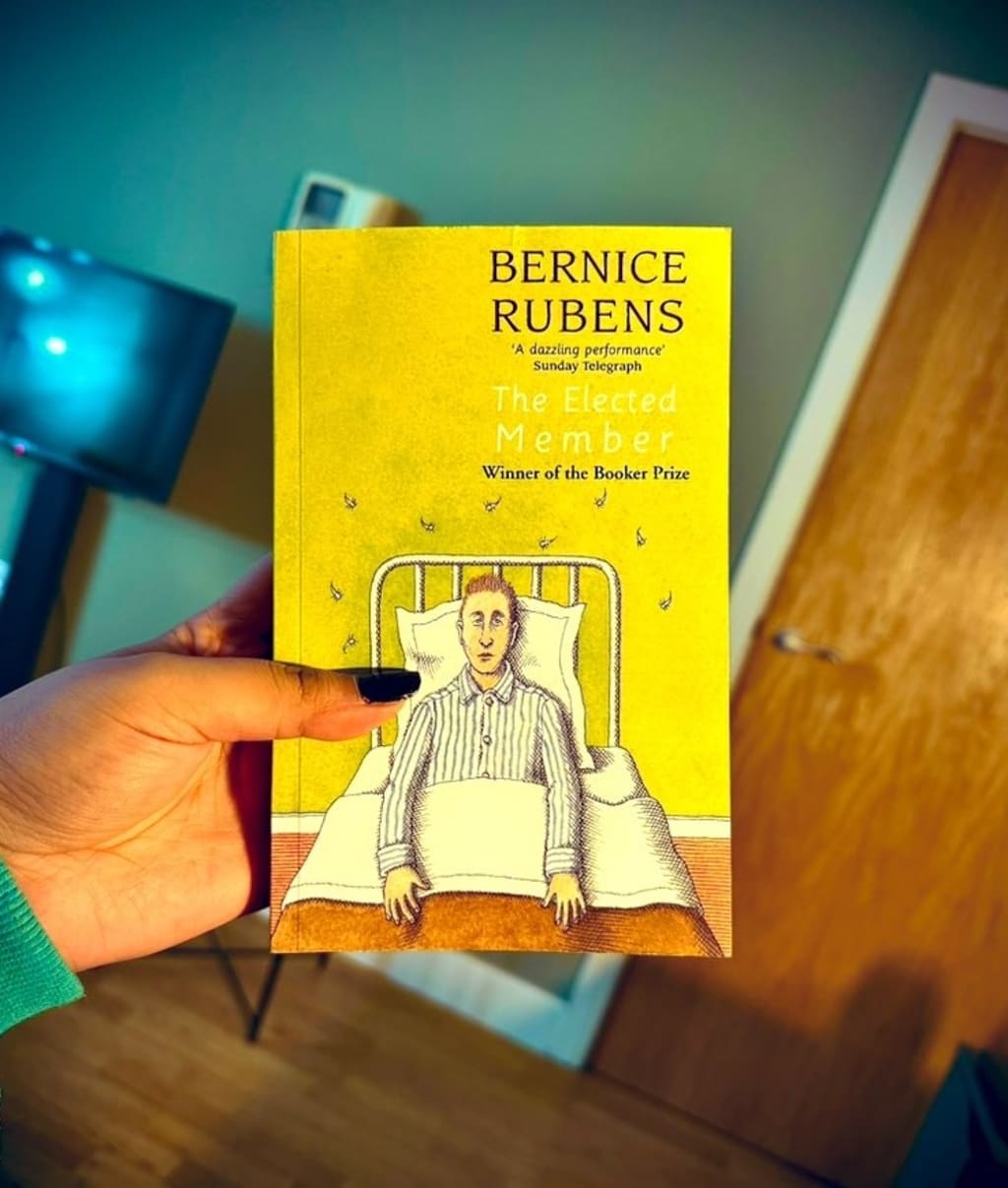
I read this book because I saw it on social media and found out that it had won the Booker Prize. I was surprised because I have never actually heard of this book before and be that as it may, it had lots of raving reviews and thus, I began to feel out of the loop. I took it to work where I stupidly proceeded to lose it (yes, I lost my book). The very next day though, one of my students returned it to me after finding it in the middle of my class underneath the computer table. Needless to say, that is probably the nicest thing a child has done for me. So, let's get on with the book.
Norman Zweck, once a brilliant barrister and the pride of his Jewish family, is now confined to his room in their London home. His descent into addiction is vividly portrayed, fuelled by his reliance on amphetamines to maintain his intense work schedule. The drugs have devastated his mental health, causing terrifying hallucinations of silverfish infesting his room. These delusions serve as a metaphor for his internal chaos, marking the irreversible unravelling of his once-promising life. No matter how obvious you find this fish metaphor, it is still quite a wonder to read. The author has gone for the hyper-realism approach and it works very well especially at the start of the book. Automatically, the reader is thrust into the world of the sickbed and the man himself, though we know little about him - looks both pitiful and sort of pathetic at the same time.
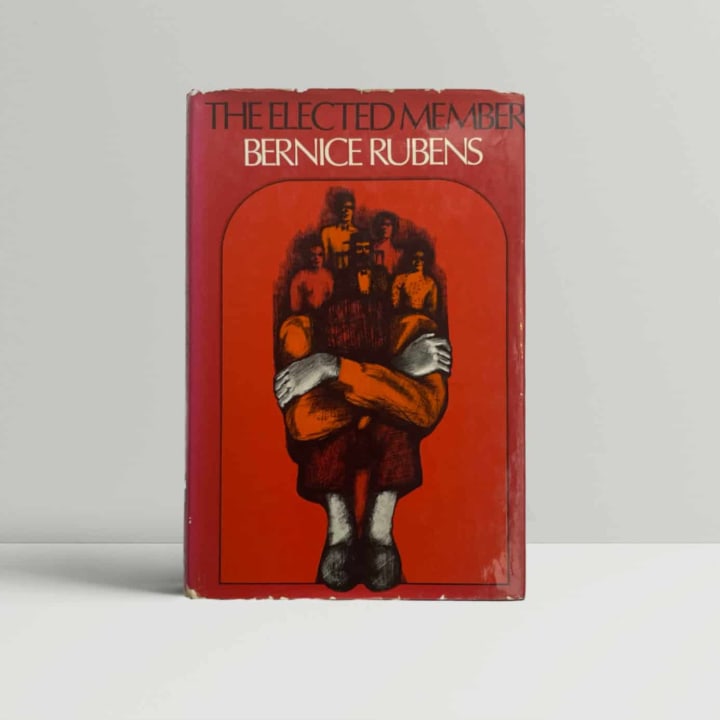
Rabbi Zweck, Norman’s father, has always seen Norman as the family’s "elected member" – the one destined for greatness. The Rabbi’s immense pride in Norman’s earlier success is juxtaposed with his overwhelming disappointment in Norman’s collapse. The Rabbi’s rigid adherence to traditional Jewish values makes him ill-equipped to deal with the reality of mental illness and addiction, creating a growing gulf between father and son. This tug-of-war between father and son is in fact, quite a redeeming quality of the book getting underway (which I thought initially was going to be quite slow - I mean, where could it have possibly gone?). But the side-story which tells us about the burned-out-disappointment of the 'elected member' gives us some serious headspace to think about the protagonist's position as not being entirely his own fault.
Norman’s sister, Esther, has spent her life sacrificing her personal desires to support the family. As the eldest daughter, she abandoned her chance at marriage and independence to care for their mother, and now, Norman. Esther’s bitterness and resentment simmer beneath the surface, exacerbated by the constant demands of her role as the family caregiver. Her feelings of invisibility contrast sharply with the attention Norman receives, even in his ruin. And now we hate the protagonist again, which I think is the author's intentions. The author wants our view of Norman to shift drastically to feeling sorry for him to disliking him intensely.
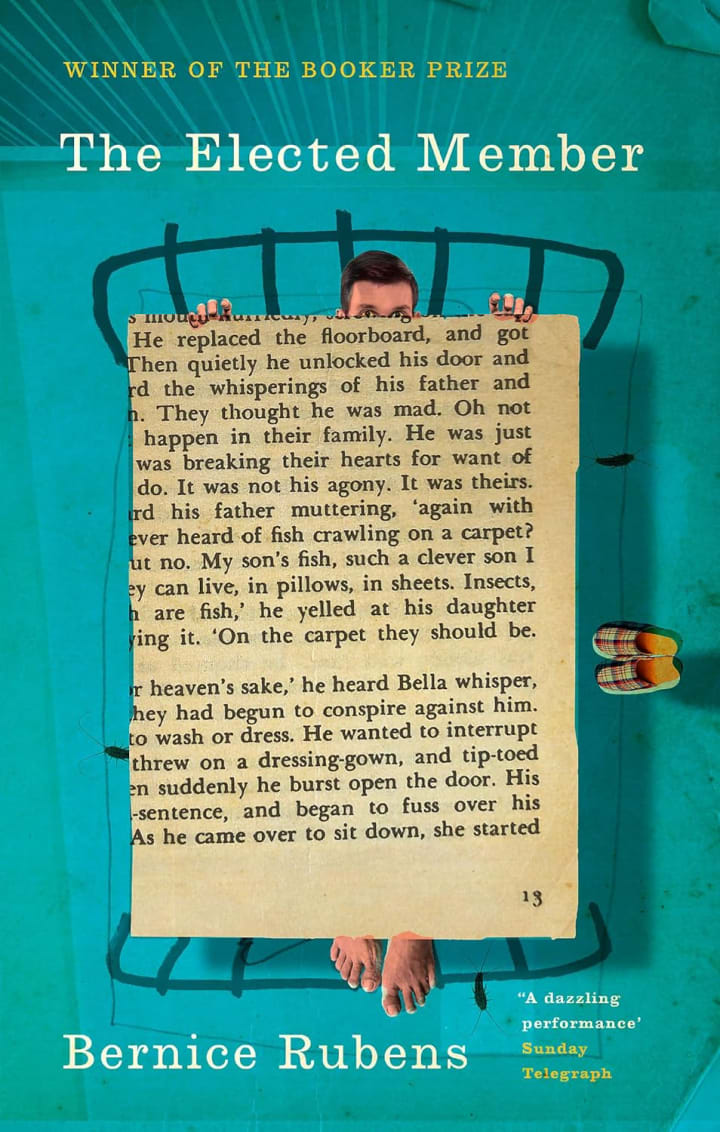
The Zweck family’s interactions are marked by tension and unspoken grievances. Norman’s addiction and hallucinations force the family to confront long-buried issues. The narrative delves into the family’s history, revealing how their relationships have been shaped by duty, guilt, and unfulfilled expectations. Each member carries their own burden, yet they are unable to communicate their pain openly, leading to cycles of misunderstanding and blame. I love how the addiction and sickbed narrative are actually something more rather than just being the whole story. They are in fact, the path which leads to the story of this family who seemingly dislike each other and blame each other for things - each of them bitter and self-hating and yet, cannot confront their own flaws.
As this book won the Booker Prize, I was expecting a grand story on a whole different scale in order for me to understand why it won. I can tell you that though the story seems very simplistic and kind of obvious, it is written absolutely brilliantly and woven into it are so many tiny problems that there is not really a climactic part of the book, but rather several small bumps in the road which turn into something much more.
About the Creator
Annie Kapur
I am:
🙋🏽♀️ Annie
📚 Avid Reader
📝 Reviewer and Commentator
🎓 Post-Grad Millennial (M.A)
***
I have:
📖 280K+ reads on Vocal
🫶🏼 Love for reading & research
🦋/X @AnnieWithBooks
***
🏡 UK
Keep reading
More stories from Annie Kapur and writers in Geeks and other communities.
The Rachels - 2025
Much to my surprise, I have kept a list of the films I‘ve seen this year. I daresay it isn’t complete. There will be films that snuck in on a late night in front of the TV that I would’ve forgotten to note. Or others, that I went to watch at the cinema, but then had a red wine and promptly forgotten about. But it’s not a bad approximation of the films I’ve seen this year. In total, there are 53 films listed, so an average of one a week and one for good luck.
By Rachel Robbins25 days ago in Geeks
Ikkis and Dhurandhar Should Co-Exist in a Democracy’: Writers on Facing Trolls and Working With Dharmendra
In an era where social media commentary often overshadows artistic discourse, the creators of the upcoming film Ikkis have opened up about navigating public scrutiny, collaborating with Bollywood legend Dharmendra, and defending the democratic spirit of storytelling. The film, which blends political satire with action-driven drama, has sparked discussions not only about its cinematic merit but also about the broader responsibilities of filmmakers in a politically aware society.
By Fiaz Ahmed Brohi5 days ago in Geeks


Comments
There are no comments for this story
Be the first to respond and start the conversation.