
Avatar 2: The Way of Water — A Stunning Dive into Pandora’s Ocean World
How James Cameron Redefined Visual Storytelling Through Family, Faith, and the Depths of Pandora’s Oceans.

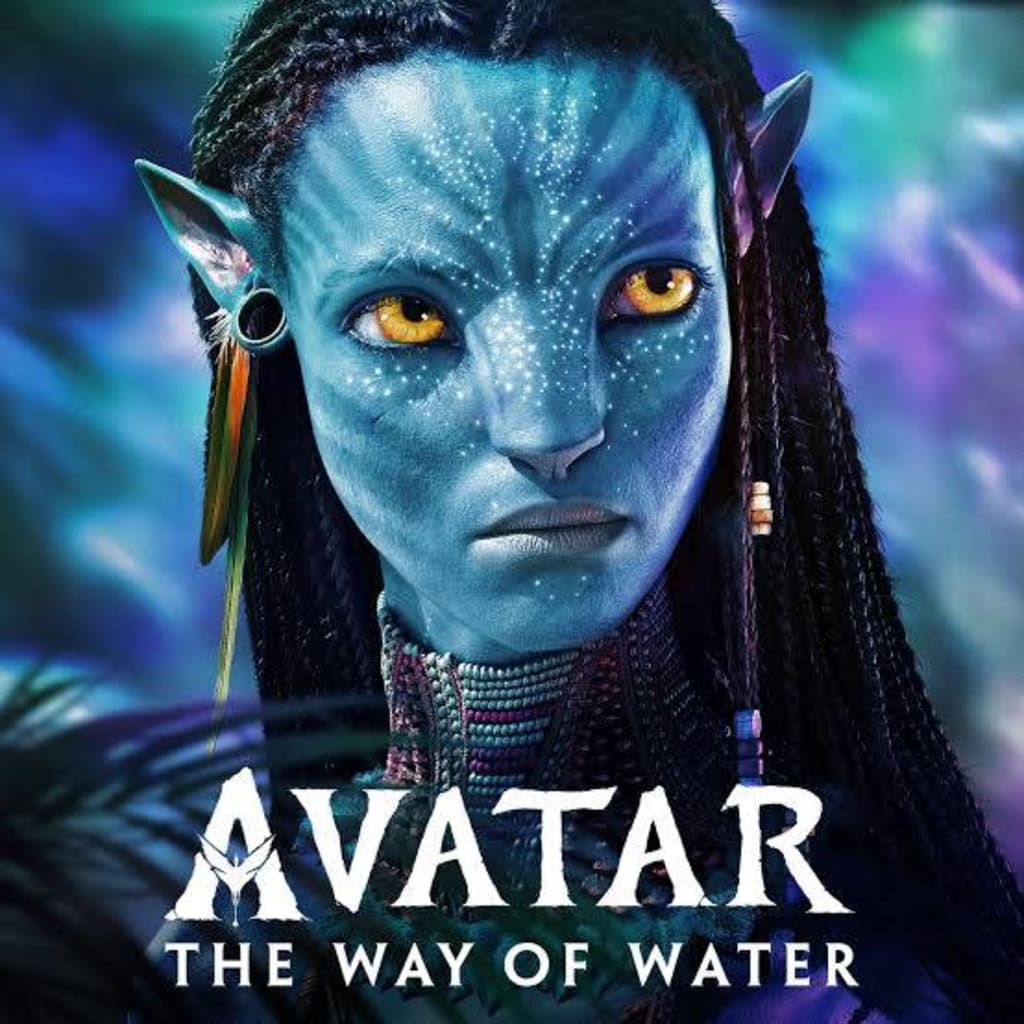
When Avatar: The Way of Water hit theaters in December 2022, audiences were once again transported to the glowing, bioluminescent world of Pandora. Thirteen years after the original Avatar revolutionized cinema, James Cameron returned with Avatar 2 — a film that redefines what visual storytelling can achieve while exploring profound emotional and environmental themes.
James Cameron’s Vision Reimagined
Few filmmakers combine technological innovation and emotional depth like James Cameron. After Titanic and Avatar (2009) became cultural landmarks, expectations for Avatar: The Way of Water were sky-high. Cameron met those expectations by shifting his focus from Pandora’s forests to its breathtaking oceans — creating an aquatic world as rich and mesmerizing as anything ever seen on screen.
Cameron’s decades-long fascination with the sea breathes authenticity into every frame. His use of underwater performance capture — a groundbreaking technique — pushes filmmaking into uncharted territory. Every ripple, reflection, and shaft of sunlight beneath the surface feels tangible. The result? A cinematic experience that blurs the line between live-action and digital art.
A Story of Family and Survival
At the heart of Avatar 2 lies a deeply human story. Jake Sully (Sam Worthington), once a human marine turned Na’vi warrior, now lives as a father and leader with Neytiri (Zoe Saldaña) and their children. Their tranquil life among the Omaticaya clan ends abruptly when the RDA — humanity’s resource-hungry organization — returns to Pandora.
To protect his family, Jake leads them to seek refuge with the Metkayina, a water-based Na’vi clan who embody harmony with the ocean. This shift from the forests to the reefs allows Cameron to explore new cultures, rituals, and ways of life — expanding the lore of Pandora while mirroring humanity’s own struggles with displacement and adaptation.
The Oceanic Beauty of Pandora
If Avatar 1 was a love letter to rainforests, Avatar: The Way of Water is a hymn to the ocean. The Metkayina’s world bursts with color — turquoise lagoons, glowing coral, and elegant sea creatures called tulkun. These massive whale-like beings symbolize both wisdom and emotional depth, and their bond with the Na’vi offers some of the film’s most heartfelt moments.
Visually, Pandora’s seas are a triumph of artistry and science. Every underwater scene was captured using cutting-edge technology that simulates light refraction and fluid dynamics with astonishing realism. Cameron’s team at Weta FX effectively reinvented how water behaves on screen — a technological leap comparable to the original film’s 3D innovation.
Themes: Belonging, Ecology, and Legacy
Beyond its spectacle, Avatar 2 is rich with meaning. It explores the cost of progress, the sanctity of nature, and the meaning of home. The Sully family’s exile mirrors real-world refugee stories, while the RDA’s exploitation of Pandora’s oceans reflects humanity’s own environmental negligence.
The tulkun subplot — in which human hunters kill the intelligent creatures for a fluid that halts aging — serves as a chilling commentary on corporate greed. The message is clear: when nature is seen only as a resource, destruction follows.
New Characters, New Perspectives
One of the film’s strengths lies in its next generation of characters. Jake and Neytiri’s children — particularly Lo’ak and Kiri — carry much of the emotional weight. Lo’ak’s friendship with the outcast tulkun, Payakan, becomes a defining relationship that embodies empathy and rebellion. Kiri, meanwhile, displays an almost mystical connection to Eywa, hinting at deeper cosmic forces that will likely shape future sequels.
Even Colonel Quaritch (Stephen Lang), resurrected in Na’vi form, gains unexpected depth. His internal conflict between his human memories and Na’vi identity complicates his role as a villain, adding moral texture to the film’s central conflict.
Cinematic Innovation and Technical Mastery
Avatar: The Way of Water is more than just a sequel — it’s a redefinition of visual cinema. The film’s use of high-frame-rate 3D, combined with underwater motion capture, delivers an unparalleled sense of immersion. Cameron’s direction ensures that even the most advanced digital effects never overshadow the story’s emotional heartbeat.
From the roaring waves of battle to the serene stillness of underwater exploration, every sequence is composed with painterly care. It’s no surprise that the film earned critical acclaim for its cinematography and visual effects, with many calling it “the most beautiful movie ever made.”
Cultural Resonance and Environmental Legacy
Like its predecessor, Avatar 2 sparked renewed interest in environmental conservation. Partnering with marine organizations, the film’s marketing campaign emphasized ocean protection — transforming its visual wonder into a real-world call to action. Cameron, an advocate for sustainable living and deep-sea exploration, uses the movie as both art and activism.
Indigenous themes also run deep. The Metkayina’s traditions reflect respect for nature, balance, and ancestry — a stark contrast to the destructive impulses of human colonizers. Through them, The Way of Water celebrates indigenous wisdom while warning of what happens when humanity loses touch with its roots.
The Future of the Avatar Saga
Cameron has confirmed that Avatar 3 and Avatar 4 are already in production, with plans extending to Avatar 5. Each installment will explore new biomes and cultures of Pandora, expanding the universe while delving into questions of faith, evolution, and coexistence.
If Avatar (2009) was about discovery and Avatar: The Way of Water about survival, the next chapters seem poised to explore redemption — both personal and planetary.
Conclusion: The Depths of Imagination
Avatar: The Way of Water isn’t just a movie — it’s an experience. It reminds us of cinema’s power to transport, to awaken empathy, and to reconnect us with the natural world. James Cameron’s return to Pandora is both a technical triumph and a deeply human story about family, loss, and hope.
In an age of disposable entertainment, Avatar 2 stands as a testament to what happens when artistry, technology, and purpose align. Beneath the shimmering waves of Pandora lies a reflection of our own world — fragile, magnificent, and worth fighting for.
About the Creator
Umar Faiz
Writer of supply chains, NFTs, parenting, and the occasional philosophical spiral. Obsessed with cinema, psychology, and stories that make you say “wait, what?” Fueled by coffee and mild existential dread.
The Post-Credits Wedding, Benedict and Sophie's Romance, and What Comes Next in the Bridgerton Season 4 Finale
A post-credits wedding scene that delighted fans and teased the Regency drama's future while reigniting discussions about identity, representation, and narrative evolution on Netflix's hit show Bridgerton came to an end in a moment that was both romantic and unexpected. The conclusion of Season 4's second episode not only brings the love story between Benedict Bridgerton and Sophie Baek to a close, but it also sets the stage for what's to come. The central plot of the fourth season, adapted from Julia Quinn's "An Offer from a Gentleman," follows Benedict Bridgerton (played by Luke Thompson) and Sophie Baek (played by Yerin Ha) through a grand arc resembling that of Cinderella, with significant creative changes.
By Raviha Imran2 days ago in Geeks



Comments
There are no comments for this story
Be the first to respond and start the conversation.