
Arachnado: When Eight Legs Meet Extreme Weather Chaos
When nature’s deadliest fear takes flight in a storm of chaos

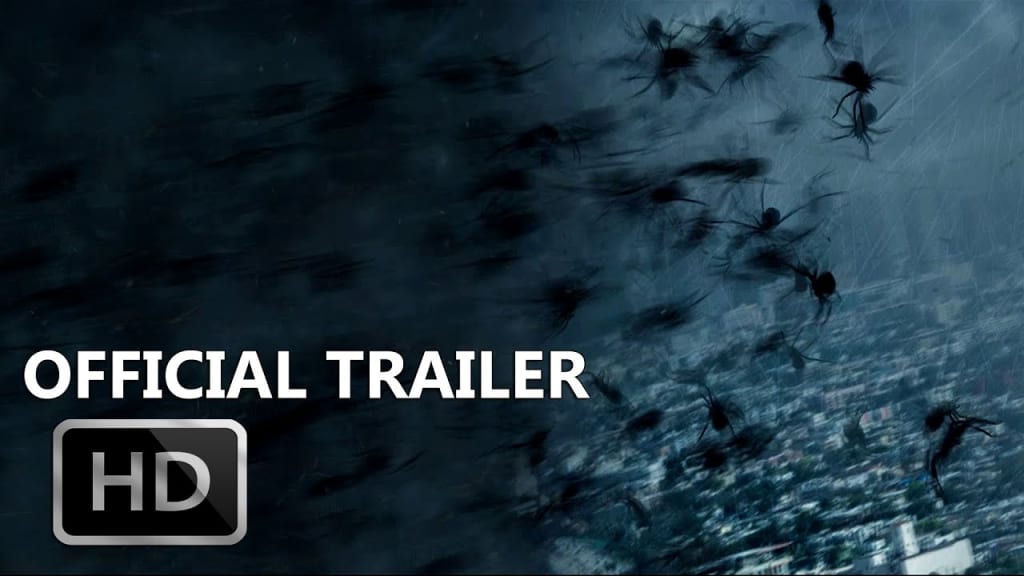
Creature features have always thrived on one simple promise: take a familiar fear, amplify it to absurd proportions, and unleash it on unsuspecting civilians. From sharks to snakes to crocodiles, cinema has repeatedly proven that nature-plus-chaos is a reliable formula for thrills. Arachnado takes this tradition and spins it—quite literally—into a web of madness by fusing two primal anxieties: spiders and unstoppable natural disasters.
At first glance, Arachnado sounds like the kind of movie title you stumble upon while scrolling late at night, half-amused and half-confused. Yet beneath its deliberately outrageous premise lies a film that understands exactly what it is and who it is for. Arachnado doesn’t aim for prestige horror or high-brow science fiction. Instead, it proudly embraces the legacy of B-movies, delivering campy entertainment, exaggerated stakes, and a healthy dose of self-aware spectacle.
The Premise: Nature Strikes Back… With Spiders
The plot of Arachnado is refreshingly straightforward. A freak weather experiment—or environmental anomaly, depending on interpretation—creates a massive storm system capable of lifting and dispersing thousands of venomous spiders. These airborne arachnids rain down on urban environments, turning city streets, buildings, and infrastructure into deadly hunting grounds.
What makes this setup effective is its simplicity. Spiders are already a universal fear for many people, even at normal size. By combining them with violent winds and unpredictable weather patterns, the film taps into a uniquely modern anxiety about humanity losing control over nature. While Arachnado never pretends to be scientifically rigorous, it uses pseudo-science just convincingly enough to keep the chaos moving.
The result is a movie that wastes little time getting to the action. Once the storm begins, survival becomes the only goal, and the narrative leans fully into escalation rather than explanation.
Characters Over Complexity
One of Arachnado’s strengths is that it doesn’t overcomplicate its character roster. The film introduces a small group of central figures—scientists, first responders, and everyday citizens—each representing a different perspective on the unfolding disaster. These characters may not be deeply layered, but they are clearly defined, which is crucial in a fast-paced creature feature.
Instead of lengthy backstories, the film relies on familiar archetypes: the skeptical authority figure, the warning scientist who knows something is wrong, and the reluctant hero forced into action. This approach keeps the story moving and ensures the audience always understands who they are rooting for.
Importantly, Arachnado doesn’t take its characters too seriously. There’s a noticeable wink in the dialogue and performances, suggesting that everyone involved knows the film’s appeal lies in its outrageousness rather than emotional realism.
Visual Effects and Practical Chaos
Given its genre, Arachnado lives or dies by its visuals. While it clearly doesn’t have the budget of a blockbuster, the film makes effective use of CGI and practical effects to sell the chaos. The spiders themselves vary in appearance, from swarming masses to larger, more individually threatening creatures.
What works surprisingly well is the sense of scale. Tornado-like winds filled with writhing spider silhouettes create memorable imagery, especially during wide shots of cityscapes under siege. Close-up scenes lean into horror, using quick cuts and sound design to make even brief spider encounters uncomfortable.
Rather than hiding its limitations, the film embraces them. The effects may not always be flawless, but their enthusiasm compensates for technical imperfections. In the tradition of cult classics, spectacle matters more than realism.
Tone: Camp, But Committed
The biggest mistake a film like Arachnado could make would be taking itself too seriously. Thankfully, it avoids that trap. The tone balances camp and commitment, allowing moments of intentional absurdity without completely undermining the stakes.
There are lines of dialogue that border on parody, action sequences that escalate beyond reason, and situations that invite laughter as much as suspense. Yet the film never fully breaks its internal logic. Within the world of Arachnado, airborne spider storms are a genuine threat, and the characters respond accordingly.
This tonal balance is what separates enjoyable B-movies from forgettable ones. Arachnado understands that audiences aren’t watching for realism—they’re watching for fun.
Themes Beneath the Webbing
While Arachnado doesn’t push overt social commentary, subtle themes emerge throughout the film. Environmental manipulation, climate unpredictability, and humanity’s tendency to underestimate nature all play background roles. The storm isn’t just a random event; it’s a consequence of interference, ambition, or neglect.
These themes aren’t explored in depth, but they add texture to the story. They give the chaos a sense of relevance, especially in an era where extreme weather events are becoming more common in real life. Even in its most ridiculous moments, Arachnado echoes genuine concerns about control and consequence.
Audience Appeal and Cult Potential
Arachnado is unlikely to convert viewers who dislike creature features or campy horror. However, for fans of the genre, it delivers exactly what it promises. It’s a movie best enjoyed with lowered expectations, a sense of humor, and perhaps a group of friends.
Its rewatch value lies in its spectacle and absurdity. Like many cult favorites, it thrives on shared reactions—gasps, laughs, and disbelief at just how far the premise goes. This makes it particularly well-suited for streaming platforms, late-night viewings, and genre marathons.
Final Verdict
Arachnado isn’t trying to redefine cinema, and that’s precisely why it works. It leans into its ridiculous concept with confidence, delivering a fast-paced, spider-filled disaster film that knows its audience and respects their desire for entertainment.
While it may not boast groundbreaking effects or nuanced storytelling, it succeeds where it matters most: providing a memorable, unapologetically wild viewing experience. For fans of creature features, B-movies, and disaster hybrids, Arachnado is a storm worth stepping into—just watch where you step, because something with eight legs might already be there.
About the Creator
Keep reading
More stories from David Cook and writers in Geeks and other communities.
Where to watch Premier League?
Football fans traveling abroad can keep up with their usual streaming services from anywhere with the help of a VPN, or virtual private network. VPNs allow people to change their device's virtual location. This way, their go-to websites and apps work from anywhere in the world, so they don't need to worry about missing out on their favorite programming while traveling. Plus, they're instant ways to boost online security.
By David Cookabout 11 hours ago in Geeks
Silver Screen Magic with Mae West
American actress and singer Mae West became a popular film actress during the Great Depression. She started entertaining in vaudeville, then performed on Broadway, and finally went to Hollywood. She signed up with Paramount Pictures and made her debut in the 1932 film “Night After Night.” She also starred in musicals, comedies, and crime dramas. The American Film Institute named her one of the best classic Hollywood actresses.
By Rasma Raisters11 days ago in Geeks
What is Baddie Hub
Baddie Hub is often mentioned in online conversations about social media culture, digital identity, and how trends form and spread on the internet. The name itself reflects a broader shift in how people present themselves online, especially on visual platforms where confidence, style, and attitude matter as much as content. While many see it as just another online trend, its popularity points to deeper changes in how online communities work today.
By Dena Falken Esq6 days ago in Geeks
Autonomy Is The Real Privilege
Good morning, freedom-seekers! Today we’re gonna be looking at autonomy. A strange word, I know; one many would probably look at blankly and run away from on sight. We’re gonna figure out what it actually means, consider how it’s achieved, and decipher just how deeply most of us are tangled up in dependence without realising it.
By That ‘Freedom’ Guy4 days ago in Humans




Comments
There are no comments for this story
Be the first to respond and start the conversation.