
Anime for Life
Why Some Anime Remain Relatable Through Decades and the Secret to Their Longevity

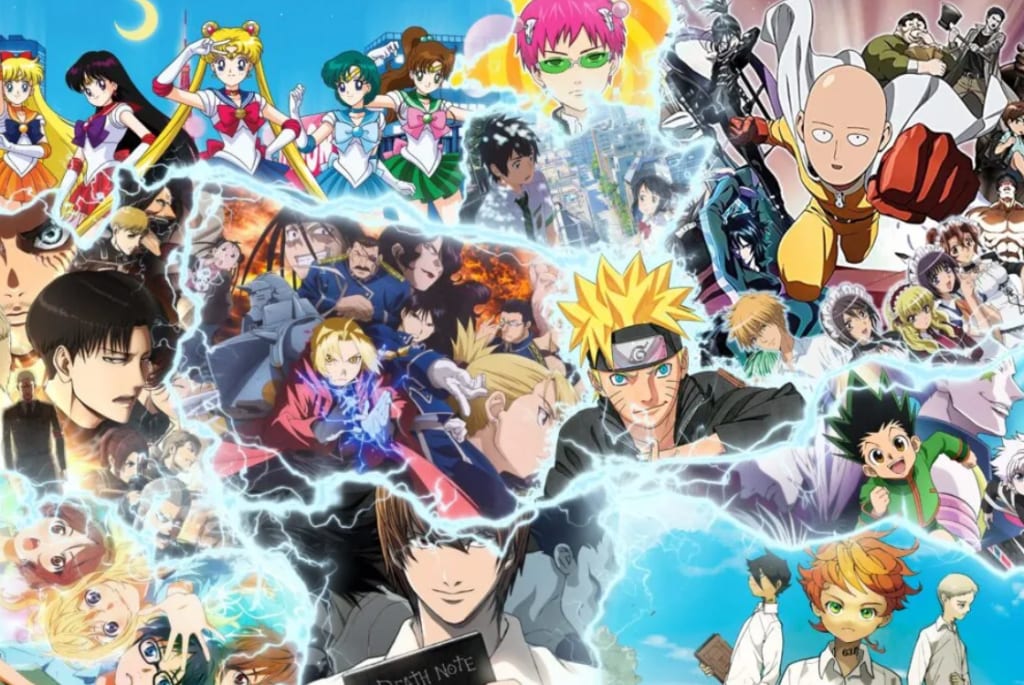
Anime has evolved drastically over the years, yet some classics continue to resonate with audiences decades after their original release. Titles like "Dragon Ball," "Neon Genesis Evangelion," "Cowboy Bebop," and "One Piece" have stood the test of time, remaining as influential and beloved today as when they first aired. This enduring appeal raises an important question: what makes certain anime timeless while others fade into obscurity? The answer lies in universal themes, character depth, and innovative storytelling techniques that allow these series to transcend their era and appeal to new generations.
The Timeless Formula: What Makes an Anime Last?

Several key elements contribute to an anime’s longevity. One of the most crucial factors is its ability to explore universal themes that remain relevant across generations. Stories centered on friendship, perseverance, self-discovery, and moral dilemmas often strike a chord with viewers, regardless of the time period. "Dragon Ball," for instance, epitomizes the human spirit’s relentless pursuit of growth and improvement. Goku's journey of self-betterment, coupled with his unwavering sense of justice, continues to inspire audiences worldwide.
Another significant aspect is the depth of characters and their development. Anime with multi-dimensional characters—who undergo growth, struggle with inner conflicts, and display realistic flaws—tend to have a lasting impact. "Neon Genesis Evangelion" is a perfect example, as it delves into the psychological struggles of its protagonists, making them deeply relatable to viewers of all ages. Shinji Ikari's battles with self-worth and loneliness are challenges that transcend cultural and generational boundaries. Similarly, "One Piece" creates a vast, well-developed cast of characters who each have personal dreams and struggles, making the series deeply engaging for fans even after more than two decades on air.
Moreover, anime that innovate in storytelling and world-building tend to be more memorable. "Cowboy Bebop," for example, blends sci-fi, Western, and noir elements while addressing themes like loneliness, redemption, and existential dread. Its cinematic storytelling and unique atmosphere make it stand out, ensuring that it remains relevant even as animation techniques advance. A rich, immersive world with a compelling story creates an experience that transcends a single era. Meanwhile, "Attack on Titan" has kept viewers invested with its intricate political intrigue, dark themes, and well-paced storytelling that continues to unfold new mysteries with each season.
Major Changes in Modern Anime Compared to Classics
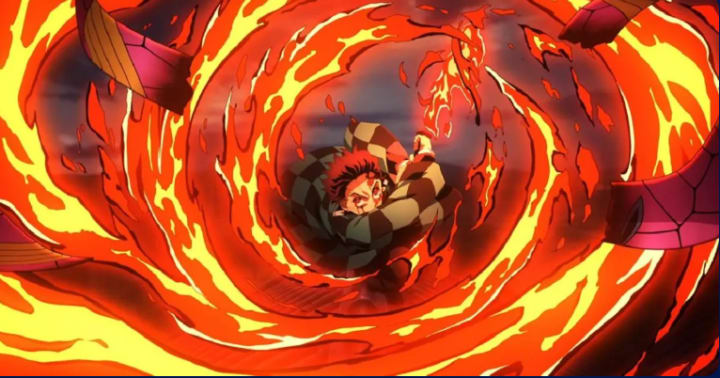
While classic anime remains beloved, the landscape of anime has changed significantly over the years. One of the most noticeable differences is the shift in animation quality and techniques. Modern anime benefits from advancements in digital animation, allowing for smoother action sequences, more vibrant color palettes, and greater flexibility in artistic expression. Series like "Demon Slayer" showcase breathtaking animation that elevates fight scenes to cinematic levels, something older anime had to achieve with clever cinematography and hand-drawn artistry. Studios like Ufotable and Kyoto Animation have pushed the boundaries of visual storytelling, creating anime that appeal not just for their narratives but also for their stunning aesthetics.
Another major shift is in storytelling and pacing. Older anime often had long, drawn-out arcs and episodes with filler content due to constraints in serialization and adaptation schedules. However, modern anime tends to favor shorter, more tightly paced seasons to maintain audience engagement. Streaming platforms have further influenced this trend, with anime being developed in single-season batches rather than endless episodic formats. For example, "Attack on Titan" follows a structured, well-paced narrative compared to older anime like "Naruto," which had significant filler episodes.
Additionally, the themes explored in modern anime often reflect contemporary societal concerns. While classic anime tackled universal struggles, new anime incorporates themes of mental health, diversity, and technology’s impact on society. "Cyberpunk: Edgerunners," for example, explores issues of social inequality and technological overreach in a dystopian world, making it especially relevant to today's audiences who grapple with similar concerns in the real world. Similarly, "Re:Zero - Starting Life in Another World" deeply examines psychological trauma and the effects of depression, making its protagonist’s journey of self-discovery more compelling to modern viewers.
The Role of Anime Remakes in Keeping Classics Alive
Anime remakes have become a significant trend, allowing studios to breathe new life into beloved classics while introducing them to younger audiences. A successful remake requires a delicate balance between preserving the essence of the original while updating elements to align with modern storytelling and animation standards.
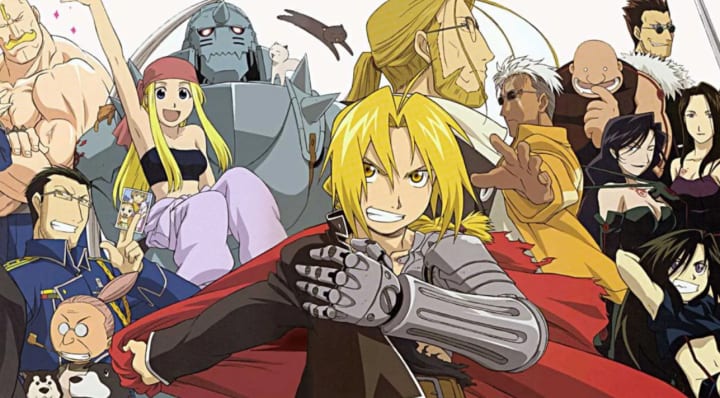
One of the most notable examples is "Fullmetal Alchemist: Brotherhood," which offered a faithful adaptation of Hiromu Arakawa's manga, correcting deviations from the first anime adaptation. Its refined storytelling and improved animation allowed it to surpass its predecessor and become the definitive version for many fans. Similarly, "Hunter x Hunter" received a highly successful remake in 2011 that streamlined its narrative while maintaining the depth of character development.
However, not all remakes achieve this balance. "Berserk" (2016) faced heavy criticism due to its overreliance on CGI animation, which detracted from the gritty, immersive experience of the original 1997 adaptation. This highlights the importance of respecting the original’s artistic vision while leveraging modern technology to enhance rather than undermine it. Other remakes, such as "Sailor Moon Crystal," attempted to stay closer to their manga origins but faced mixed reception due to stylistic choices that did not resonate with fans of the original.
Why Some Anime Endure While Others Fade
The ability of an anime to endure through decades lies in its universal themes, compelling characters, and strong storytelling. While animation techniques and pacing preferences may evolve, the core elements that make an anime relatable remain unchanged. Additionally, remakes provide an opportunity to introduce new audiences to classic series while ensuring that their legacies persist.
Ultimately, the anime that stand the test of time are those that speak to fundamental human experiences, making them as relevant today as they were upon their debut. Whether through nostalgic rewatching, cultural discussions, or reimagined adaptations, these timeless stories continue to inspire and connect audiences across generations.
About the Creator
JRManglicmot
A Striving father and husband, trying to be the best I can be. I'm not perfect, but I try to be the one my family can look up to. I stumble and make mistakes from time to time, most often, but I try to learn from my mistakes.
Keep reading
More stories from JRManglicmot and writers in Geeks and other communities.
The Enduring Love for Giant Robot Anime in Japan
Japan's fascination with giant robots, or "mecha," has become an essential part of its cultural identity. From their origins in the 1960s to their evolution into modern-day franchises, giant robot anime has captivated audiences and left an indelible mark on Japanese pop culture. This genre not only reflects Japan’s technological aspirations but also serves as a powerful storytelling medium, tackling themes of war, heroism, and human ingenuity. Over time, the appeal of mecha has extended beyond television and film into tourism, with life-sized statues, theme park attractions, and merchandise drawing millions of visitors each year.
By JRManglicmotabout a year ago in Geeks
A Knight of the Seven Kingdoms Series Review (Season 1)
As one of the biggest properties in fantasy, A Song of Ice and Fire remains immensely popular with audiences. After reaching far into the past with House of the Dragon, a second spin-off was on the cards. A Knight of the Seven Kingdoms serves up a bite-sized slice of action and drama, but it still claims a spot among the best small-screen titles.
By Robert Cain6 days ago in Geeks
Bruised Autonomy: A Review of Kathleen Edwards' album FAILER (2002)
Failer, the 2002 debut by Kathleen Edwards, is a record about the psychology of romantic self-sabotage set against highways, motels, parking lots, and barstools. It belongs to the same moral weather system as Raymond Carver and Alice Munro: ordinary people making small decisions that quietly alter the trajectory of their lives. No one here delivers a Nietzschean manifesto. No one collapses in Dostoyevskian hysteria. They just fail--intimately, repeatedly, lucidly.
By ANTICHRIST SUPERSTAR5 days ago in Geeks



Comments
There are no comments for this story
Be the first to respond and start the conversation.