
Albert Brooks Made the Breakup Comedy Stanley Kubrick Wished He’d Directed
Stanley Kubrick once called Albert Brooks to ask how he made Modern Romance. The answer reveals why this 1981 breakup comedy remains one of the most brutally honest films ever made about jealousy, obsession, and the misery of trying to control love.

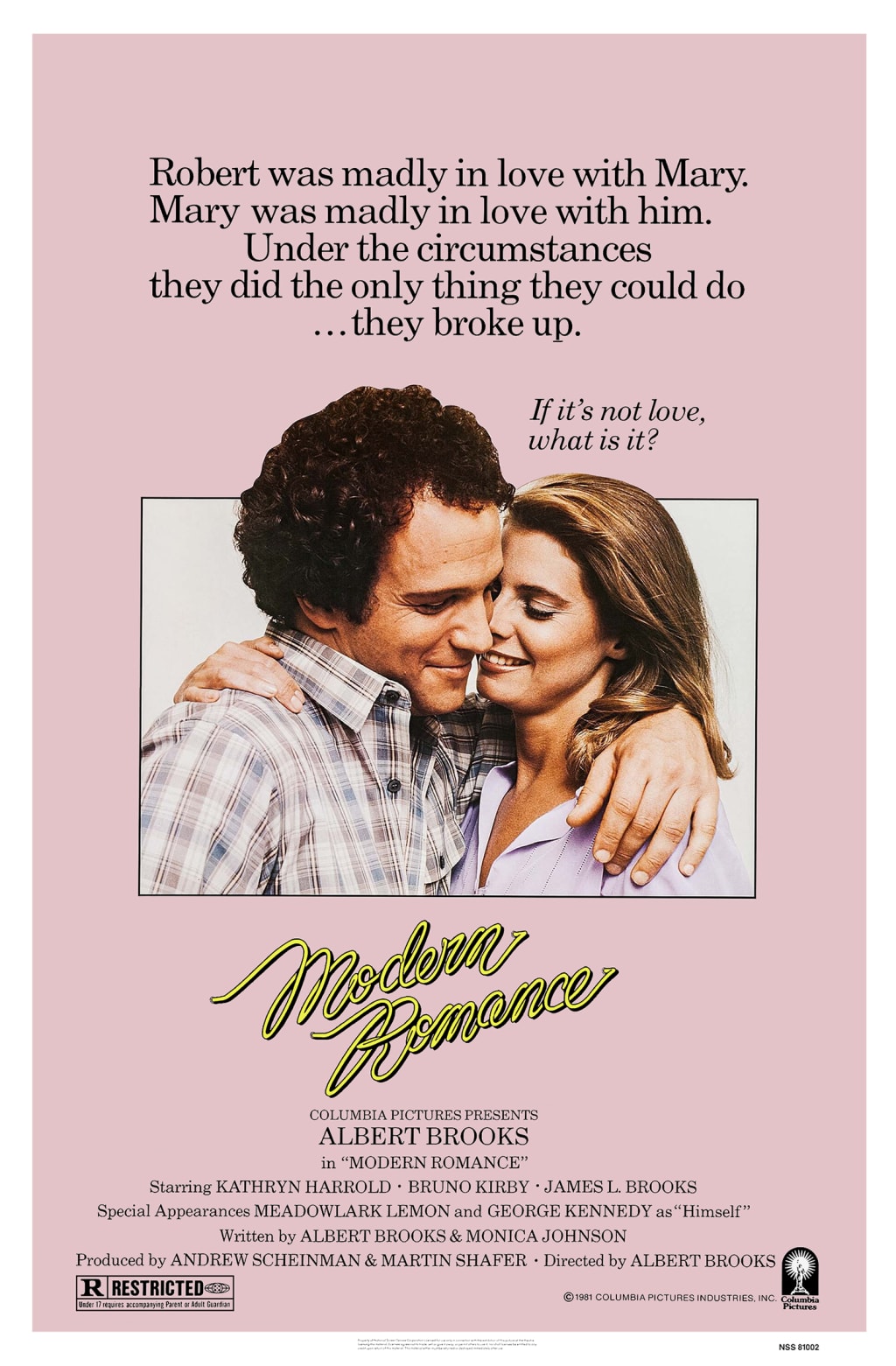
Stanley Kubrick once called Albert Brooks to ask him a question that seemed impossible.
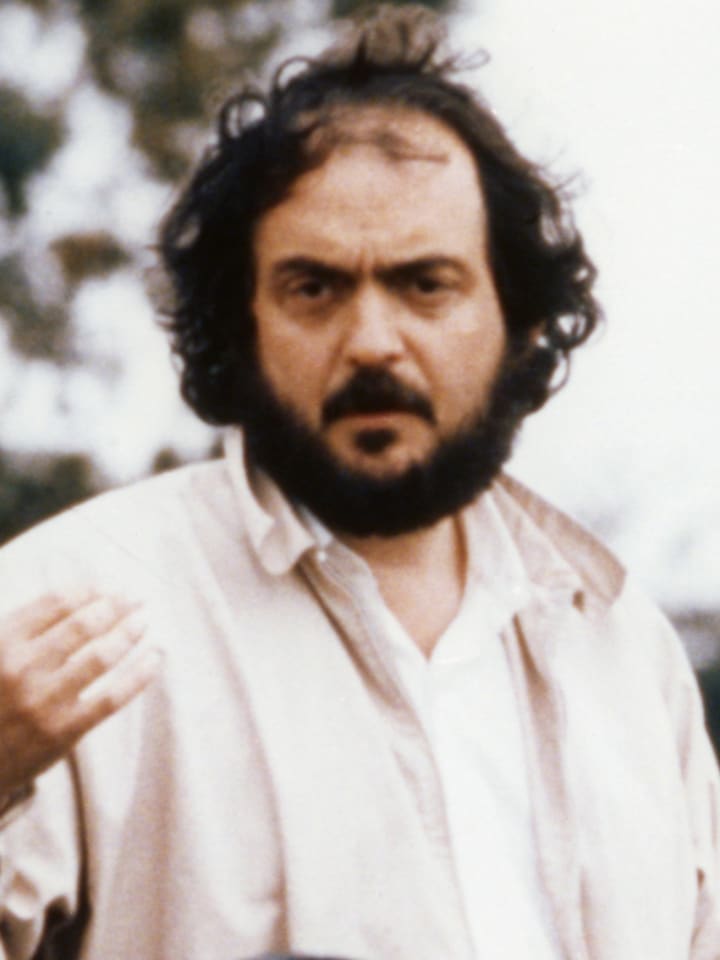
“How did you make this movie? I’ve always wanted to make a movie about jealousy.”
Brooks was stunned. “The guy who did 2001: A Space Odyssey is asking me how I did something?”
But Kubrick was right to be curious. Modern Romance (1981) isn’t just a comedy about a breakup — it’s an autopsy of one. It’s a film that turns jealousy, insecurity, and emotional self-sabotage into something both horrifying and hilarious. For Kubrick, who spent a career dissecting human obsession, Modern Romance must have felt like a kindred spirit: a psychological horror film disguised as a romantic comedy.
⸻
The Comedy of Obsession
Albert Brooks plays Robert Cole, a Hollywood film editor who breaks up with his girlfriend Mary (Kathryn Harrold) and immediately realizes he can’t function without her. What follows isn’t a clean breakup or a grand reunion — it’s a cycle. Robert calls, apologizes, panics, changes his mind, and starts all over again.
Every moment of Modern Romance is a portrait of self-inflicted agony. The scene where Robert shops for comfort items — running through a drugstore, grabbing vitamins, running shoes, and record albums — is a perfect example of Brooks’ genius. It’s absurd, painfully real, and a perfect depiction of the frantic consumerism we use to patch emotional wounds.
This isn’t a man healing. It’s a man spinning in place, editing his emotions the same way he edits film: trimming, rearranging, and pretending the cut will fix the story.
⸻
Kubrick’s Kind of Horror
It’s no wonder Kubrick saw something of himself in Brooks.
Both directors are fascinated by control — the desperate need to impose order on chaos. In The Shining, Jack Torrance loses his grip while trying to control his family and his work. In Modern Romance, Robert Cole loses his grip while trying to control love itself.
The difference is tone. Kubrick makes the horror external — ghosts, labyrinths, endless hallways. Brooks makes it internal — anxiety, jealousy, endless phone calls. Both men understood that obsession is cinematic. One chased the monsters down hallways; the other sat beside them in bed.
There’s something chilling about Modern Romance in the way it refuses to provide release. Every moment of reconciliation feels false because Robert’s real conflict isn’t with Mary — it’s with his own insecurity. Kubrick would have appreciated that honesty.
⸻
A Breakup Loop Before the Digital Age
Watching Modern Romance today feels almost prophetic.
Decades before social media made obsession a full-time hobby, Brooks captured the psychology of constant checking, rereading, and replaying. Robert’s endless phone calls and unannounced visits are the analog equivalent of refreshing someone’s Instagram feed at 2 a.m.
This is why the movie feels so modern. The pain Brooks exposes — that cycle of jealousy, reconciliation, and denial — has only become easier to repeat. Modern Romance understood something fundamental about the human ego: we’d rather live in the chaos of our own narrative than face the quiet of being alone.
⸻
The Funniest Movie About Misery
Brooks doesn’t make Robert a villain. He’s not cruel, just broken in ways that feel familiar. The comedy comes from recognition — that uncomfortable laugh when we see our own worst habits reflected back at us.
Kathryn Harrold, as Mary, gives the film its emotional grounding. She’s the calm center of Robert’s storm, a woman who keeps trying to reason with someone who only wants reassurance. Their chemistry feels painfully real — the tug-of-war between affection and exhaustion that defines so many long-term relationships.
There are moments of pure cinematic brilliance in Modern Romance: the long silences, the awkward pauses, the way Brooks’ editing background becomes a metaphor for how we try to reshape memory itself.
⸻
Why It Still Hurts (and Hilariously So)
By the end of Modern Romance, nothing is resolved.
Robert and Mary are back together, but you can feel it won’t last. The cycle will begin again — jealousy, apology, panic, repeat.
And yet, that’s what makes the movie timeless. Brooks doesn’t pretend love fixes anything. He shows us the truth: relationships often survive not through understanding, but through exhaustion.
Kubrick’s admiration makes perfect sense. Modern Romance captures a kind of psychological terror few films ever attempt — the horror of your own thoughts turning against you. It’s the anxiety of realizing that the monster in the relationship was never the other person; it was always you.
Albert Brooks didn’t just make a comedy about a breakup. He made THE breakup movie — the one even Stanley Kubrick wished he’d directed.
Subscribe to Movies of the 80s here on Vocal and on YouTube for more 80s Movie Nostalgia.
About the Creator
Movies of the 80s
We love the 1980s. Everything on this page is all about movies of the 1980s. Starting in 1980 and working our way the decade, we are preserving the stories and movies of the greatest decade, the 80s. https://www.youtube.com/@Moviesofthe80s
Keep reading
More stories from Movies of the 80s and writers in Geeks and other communities.
The Back Roads That Went Nowhere: Sally Field, Tommy Lee Jones, and the Lost Ending of a Troubled 1981 Film
A Road Movie with Bumps Along the Way Martin Ritt’s Back Roads (1981) was meant to be a gentle Southern road movie, the story of two broken people trying to find something like redemption. Sally Field plays Amy Post, a small-town sex worker with dreams of California sunshine. Tommy Lee Jones is Elmore Pratt, a down-and-out ex-boxer drifting through life. Together, they hitchhike westward, bonding through shared hardship and a flicker of hope.
By Movies of the 80s3 months ago in Geeks
Silver Screen Magic with Mae West
American actress and singer Mae West became a popular film actress during the Great Depression. She started entertaining in vaudeville, then performed on Broadway, and finally went to Hollywood. She signed up with Paramount Pictures and made her debut in the 1932 film “Night After Night.” She also starred in musicals, comedies, and crime dramas. The American Film Institute named her one of the best classic Hollywood actresses.
By Rasma Raisters5 days ago in Geeks
“Deport Nicki Minaj Back to Trinidad” Movement Continues Amid Growing Outcry
The petition crossed 50,000 signatures in early January, and that number had risen to more than 58,000 at publication. Nearly 60,000 people have signed an online petition demanding that the U.S. government deport popular rapper Nicki Minaj to Trinidad because of what many fans say are her shifting political beliefs.
By Dena Falken Esq6 days ago in Geeks


Comments
There are no comments for this story
Be the first to respond and start the conversation.