
A Filmmaker's Guide to: The Black Arts Movement
Film Studies (Pt.37)

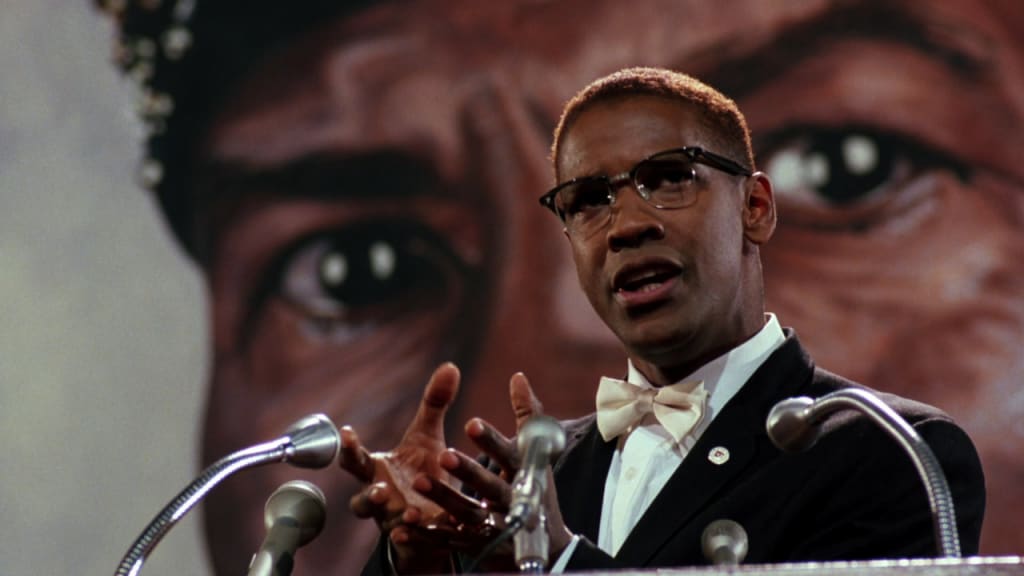
In this chapter of ‘the filmmaker’s guide’ we’re actually going to be learning about literature and film together. I understand that many of you are sitting in university during difficult times and finding it increasingly hard to study and I understand that many of you who are not at university or not planning on it are possibly stuck of what to do, need a break or even need to catch up on learning film before you get to the next level. This guide will be brief but will also contain: new vocabulary, concepts and theories, films to watch and we will be exploring something taboo until now in the ‘filmmaker’s guide’ - academia (abyss opens). Each article will explore a different concept of film, philosophy, literature or bibliography/filmography etc. in order to give you something new to learn each time we see each other. You can use some of the words amongst family and friends to sound clever or you can get back to me (email in bio) and tell me how you’re doing. So, strap in and prepare for the filmmaker’s guide to film studies because it is going to be one wild ride.
The Black Arts Movement
What is it?
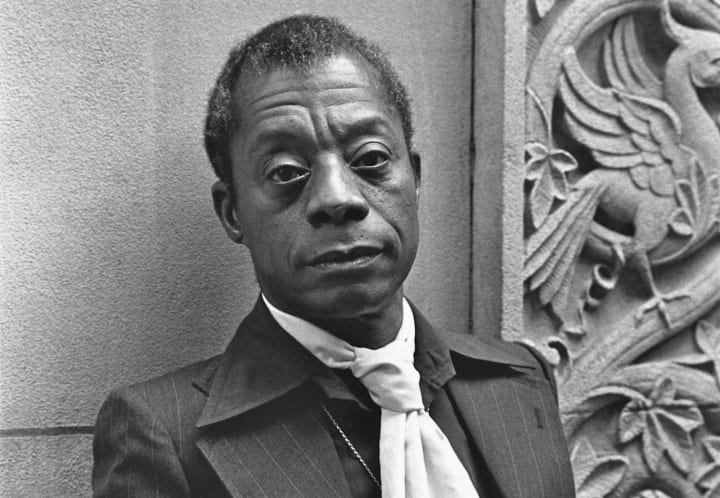
The Black Arts Movement was a movement from the 1960s Civil Rights' Era in which African-American writers, artists, singers, etc. were moving away from the stereotype that was expected of them. They began to go their own way, invent their own movement, use their language from their background and their vernacular from their native blood. It became one of the most famous and effective arts movements in all of human history and seriously, both literature and film are better off for it.
Books from the Black Arts Movement include the works of James Baldwin, especially his books "Go Tell it On the Mountain" and "Just Above My Head". The Autobiographies of people like Malcolm X had come out and Dr. Martin Luther King had his "Letters From Birmingham Jail" circulating around the world that was now waking up to this talent. But perhaps one of the most influential books of the Black Arts movement (and maybe of all time) was Maya Angelou's "I Know Why the Caged Bird Sings". An incredible testament to the movement, it solidified the place the Black Arts Movement had in world history - in importance it is somewhere at the top.
What about in film?
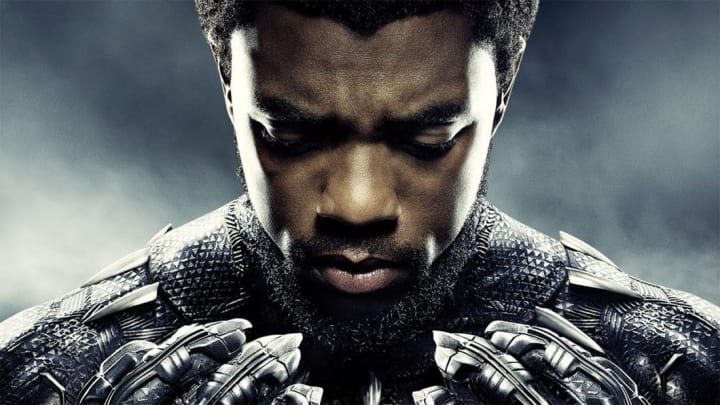
Now, the Black Arts Movement depicted in film are examples of some of the best cinematic experiences you will ever have. Surging into cinemas during the 80s and the 90s and making a massive resurgence now, the Black Arts Movement goes from strength to strength, becoming some of the most profitable and well-made films in the world of film. Spike Lee's "Malcolm X" (1992) stands out as one of the most crucial films at depicting the world of the Black Arts Movement along with the documentary "I Am Not Your Negro" (2016) which makes you realise that James Baldwin is possibly the most articulate man in all of history.
Films made around the era including the adaptation of the novel "A Raisin in the Sun" (1961) and "Guess Who's Coming to Dinner" (1967) which practically shocked the world. The Black Arts Movement soon became notorious for producing great talents from the revolutionary Sidney Poitier all the way to our modern king of superheroes, the late Chadwick Boseman. Directors such as Spike Lee, Jordan Peele (whom I also call the new Hitchcock, just without the misconduct), Ryan Coogler, John Singleton and Ava DuVernay have come to be some of the most talented directors in Hollywood with John Singleton being most famous for directing one of the world's most recognised music videos: Michael Jackson's "Remember the Time".
Now we're going to have a look at some further reading into what you can learn about the context, revolution and extreme talent that goes into and comes out of the Black Arts Movement.
Further Reading
About the Creator
Annie Kapur
I am:
🙋🏽♀️ Annie
📚 Avid Reader
📝 Reviewer and Commentator
🎓 Post-Grad Millennial (M.A)
***
I have:
📖 280K+ reads on Vocal
🫶🏼 Love for reading & research
🦋/X @AnnieWithBooks
***
🏡 UK
Keep reading
More stories from Annie Kapur and writers in Geeks and other communities.
Three Billboards Outside Ebbing, Missouri (2017)
In this article, we will be looking at 2019’s book “1001 Movies to See Before You Die” and going through each film in a random order that I have chosen. We will be looking at what constitutes this film to be on the list and whether I think this film deserves to be here at all. I want to make perfectly clear that I won’t be revealing details from this book such as analyses by film reporters who have written about the film in question, so if you want the book itself you’ll have to buy it. But I will be covering the book’s suggestions on which films should be your top priority. I wouldn’t doubt for a second that everyone reading this article has probably watched many of these movies anyway. But we are just here to have a bit of fun. We’re going to not just look at whether it should be on this list but we’re also going to look at why the film has such a legacy at all. Remember, this is the 2019 version of the book and so, films like “Joker” will not be featured in this book and any film that came out in 2020 (and if we get there, in 2021). So strap in and if you have your own suggestions then don’t hesitate to email me using the address in my bio. Let’s get on with it then.
By Annie Kapur5 years ago in Geeks
Silver Screen Magic with Mae West
American actress and singer Mae West became a popular film actress during the Great Depression. She started entertaining in vaudeville, then performed on Broadway, and finally went to Hollywood. She signed up with Paramount Pictures and made her debut in the 1932 film “Night After Night.” She also starred in musicals, comedies, and crime dramas. The American Film Institute named her one of the best classic Hollywood actresses.
By Rasma Raisters7 days ago in Geeks
Jan-Willem Breure Joins the Joburg Film Festival Jury (JFF) - Septimius Awards Director becomes Judge at South Africa Oscar Qualifying Film Festival in Johannesburg
The golden horizon of South African cinema continues to expand, and the 2026 Joburg Film Festival marks a significant moment in this evolution with the appointment of Jan-Willem Breure (Director & Founder of the Septimius Awards) to its international jury. Breure, an acclaimed filmmaker and entrepreneur, brings a perspective forged through a life of global transitions. Born in Rwanda and later adopted by Dutch missionaries, his journey took him through the landscapes of Kenya and Namibia before he eventually settled in the Netherlands. This cross-continental upbringing gave him a rare understanding of the nuances inherent in African storytelling, a trait that has defined his professional career.
By postworldviewabout 7 hours ago in Geeks
So You Decided To Become a Nurse Practitioner:
So you decided to become an "Advanced Practice" nurse. Congratulations!... is what I would say if this was a good idea. Grad school? In this economy? What were you thinking? Likely it was something along the lines of either 1) “I've seen these other chucklefucks do it— Why can't I?” or even 2) “I've got a nice career, I should shake it up. I miss feeling like I have no clue what I'm doing.”
By Sandor Szabo4 days ago in Fiction


Comments
There are no comments for this story
Be the first to respond and start the conversation.