
A Filmmaker's Guide to: Decadence
Film Studies (Pt.38)

In this chapter of ‘the filmmaker’s guide’ we’re actually going to be learning about literature and film together. I understand that many of you are sitting in university during difficult times and finding it increasingly hard to study and I understand that many of you who are not at university or not planning on it are possibly stuck of what to do, need a break or even need to catch up on learning film before you get to the next level. This guide will be brief but will also contain: new vocabulary, concepts and theories, films to watch and we will be exploring something taboo until now in the ‘filmmaker’s guide’ - academia (abyss opens). Each article will explore a different concept of film, philosophy, literature or bibliography/filmography etc. in order to give you something new to learn each time we see each other. You can use some of the words amongst family and friends to sound clever or you can get back to me (email in bio) and tell me how you’re doing. So, strap in and prepare for the filmmaker’s guide to film studies because it is going to be one wild ride.
Decadence
What is it?
The decline of a society due to its self-indulgence and over-extravagant culture. This is normally focused on material items and hedonism.
Decadence has been around for ages, coming to us through the end of the 19th century's obsession with itself, its writers sought to prove that this was a culture that was going extinct because of its own action. In literature, the most famous example of decadence is "The Picture of Dorian Gray" by Oscar Wilde in which Henry's hedonism leads Dorian to absolute ruin.
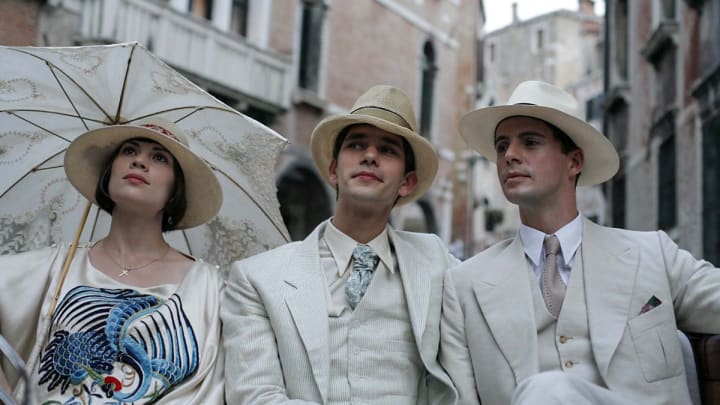
Later on, during the war era, decadence was about to die as the aristocracy was seeing the last of itself for good. A book that represents this happening is "Brideshead Revisited" by Evelyn Waugh.
What about in film?
The presentation of decadence in cinema has been around for as long as cinema has with the older films depicting the Victorian era that preceded it and the newer films focusing on the way in which decadence itself is the sole destructor of the characters.
Films adapted from the decadent novels such as "The Picture of Dorian Gray", "Dracula" and "Brideshead Revisited" have obviously shown us that this is possible. But there are novels of the international status that have also been adapted to linger within the world of decadence, decline and often, ending in tragedy. They include:
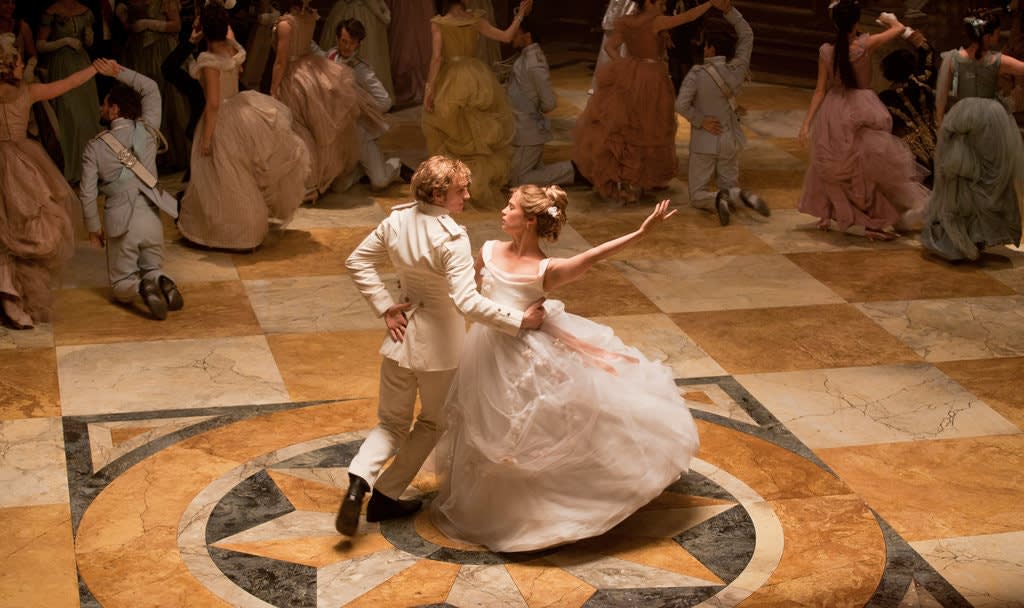
- Anna Karenina (2012)
- The Brothers Karamazov (1958)
- Death in Venice (1971)
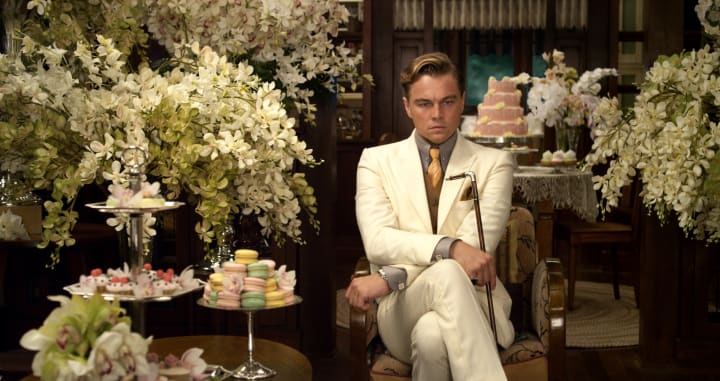
- The Great Gatsby (2012)
- Bel-Ami (2012)
There are only some of the films you can have a look at that have been adapted from novels and stories to make us see the true decadence of the situation involved. They are pretty brilliant.
Decadence is normally characterised by the characters' over involvement in material items, their own wealth or someone who is self-indulgent. This leads to narcissism and thus, this leads to the destruction of the characters' world through all of this self-obsession. You will notice that decadent tales and films are normally characterised as tragedies. This is because nobody wants you to think that hoarding materials, money and corrupting yourself through hedonism is a good idea because it is not. JK Huysmans outlines the impact of hedonism in his book A Rebours (Against Nature) and his book La Bas (The Damned).
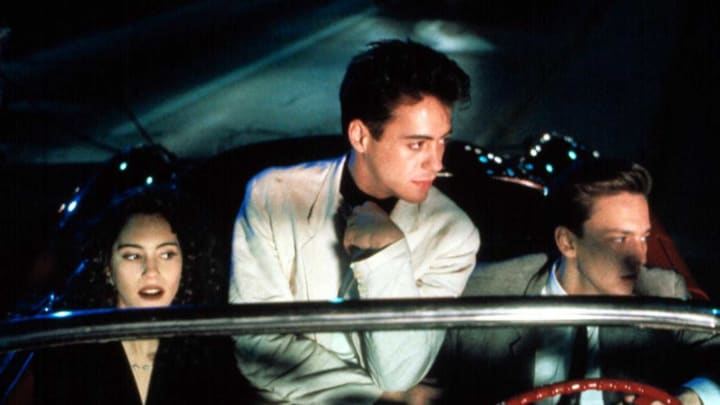
From this we then get the 1980s transgressive fiction era which we also get the adapted movies: "Less Than Zero" (1987) starring Robert Downey Jr. and "American Psycho" (2000) starring Christian Bale, both of which were taken from Bret Easton Ellis novels. Of course, out of this would spurn the anti-commercialist film (which is the opposite of decadence) and that is where we get films like "Fight Club" (1999) and "Requiem for a Dream" (2000)
Let us have a look at some further reading that you can do to learn more about how decadence is depicted in film as a form of over-indulgence in material goods and participation in hedonistic behaviours.
Further Reading:
About the Creator
Annie Kapur
I am:
🙋🏽♀️ Annie
📚 Avid Reader
📝 Reviewer and Commentator
🎓 Post-Grad Millennial (M.A)
***
I have:
📖 280K+ reads on Vocal
🫶🏼 Love for reading & research
🦋/X @AnnieWithBooks
***
🏡 UK
Keep reading
More stories from Annie Kapur and writers in Geeks and other communities.
A Filmmaker's Guide to: The Black Arts Movement
In this chapter of ‘the filmmaker’s guide’ we’re actually going to be learning about literature and film together. I understand that many of you are sitting in university during difficult times and finding it increasingly hard to study and I understand that many of you who are not at university or not planning on it are possibly stuck of what to do, need a break or even need to catch up on learning film before you get to the next level. This guide will be brief but will also contain: new vocabulary, concepts and theories, films to watch and we will be exploring something taboo until now in the ‘filmmaker’s guide’ - academia (abyss opens). Each article will explore a different concept of film, philosophy, literature or bibliography/filmography etc. in order to give you something new to learn each time we see each other. You can use some of the words amongst family and friends to sound clever or you can get back to me (email in bio) and tell me how you’re doing. So, strap in and prepare for the filmmaker’s guide to film studies because it is going to be one wild ride.
By Annie Kapur5 years ago in Geeks
Marvel Zombie
The last entry into our 2025 superhero projects catalogue is Marvel Zombies. This was a show that was anticipated by absolutely no one and it disappeared from the public consciousness as quickly as it was released. There was nothing special about the project that made it a must see, or a must remember. In fact if anything it's a must forget.
By Alexandrea Callaghan25 days ago in Geeks


Comments
There are no comments for this story
Be the first to respond and start the conversation.