

Finally, we have reached part 10 of our journey through my reading of 2020. Now, if you haven't reached 200, then don't be discouraged - I don't judge people based on speed or even what they choose to read. I don't really judge people anyway. I just like it when someone reads something for enjoyment - even if that means reading one page a day or reading one book a year. Reading for enjoyment and reading the way you enjoy is more important that anything else in the world. Why? Well, because first and foremost, reading is a medium of entertainment. You must do it in a way that entertains you. If it entertains you to read three or four books a day then go ahead, if it entertains you to read one book a year then you do that too.
I want to thank everyone who has made this journey of books possible. Mainly I want to thank the people who told me last year's end of year article was too long and so I had to cut it down by doing this. Last year, I read 451 books (insert "Fahrenheit 451" joke here) and I'm not really looking to beat that record but I have found myself doing more reading this year. Why? Well, the reason is because I'm watching a lot less TV and my life has been a bit up in the air recently. I have had to ground myself and when times get tough, I've been known to disappear off into a book, my refusal to come out has often shaded some people I know. But another reason is because I've had a lot more time to myself.
With the outbreak of COVID-19 I find myself going places less and less, but also with the fact that a lot of my existence is solitary - I find that apart from going to work, I have a lot of time dedicated to doing what I want to do. I don't really have any friends, and I am not looking for a romantic partner. At 24, I have been single and pretty much friendless my entire life and most of my best friends are people online. Really, I wouldn't change it for the world. It's a blast having all this time to myself, but I really wish other aspects of my life would fall into place so I'm reading 100% for pleasure and not also reading to disappear from things that may do me emotional damage.
Yet another reason I've been reading more is because I've been diagnosed with insomnia recently. I've found myself not being able to sleep and have been put on certain medications to help. These medications may help with my mood (anti-depressants mainly) but they aren't helping me sleep and so, with that I have been up until the early hours of the morning reading or finishing a book. I will admit that I have sleeping difficulties because of the way my life is at the moment. However, again - I wouldn't change having more time to read, I only really sleep for 3-4 hours a night anyway and so, sleeping a little less doesn't bother me so, but it bothers people around me.
Do I watch TV? Not really unless I'm watching a movie. I don't really watch shows as such unless it's a Netflix Show like "The Last Czars" or "Medici: Masters of Florence". These are sporadic and don't really interrupt my reading time. Sometimes, I'll put on something I've watched many times on my TV just to give my reading a little background noise so I don't feel so silent all the time. Even silence can give you a headache, you know. So, I welcome you to this new section of my life at 200 books in 2020. Let's celebrate by beginning this milestone right now - I've talked you to death enough!
Oh, and visit my page for the other nine sections if you're interested in what I've been reading...
181-190
181. Scarface by Armitage Trail
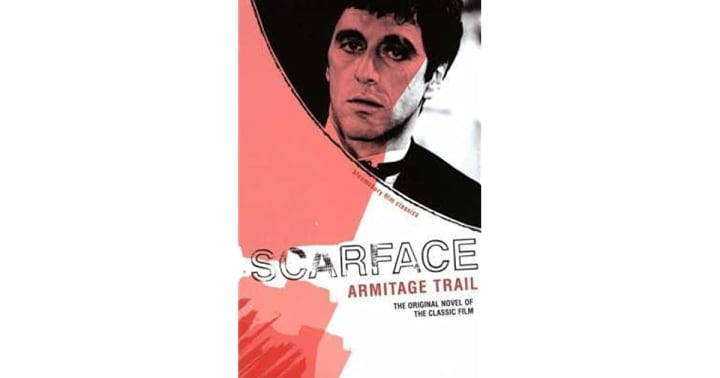
I wasn't overly impressed with this book. For starters, I felt it was a little short for what it was depicting and I got through it in about two hours. The next thing is that I don't think the descriptiveness lived up to the hype - the descriptions were good but everything was very surface layer. It was a good story and a great concept but it is something that works better on screen rather than in a book. I found that in the movies made about the book there was more to the story than I initially read and that the filmmakers were filling things in. The story is good in the book, but the way it was written just wasn't for me.
182. James Baldwin: A Biography by David Leeming
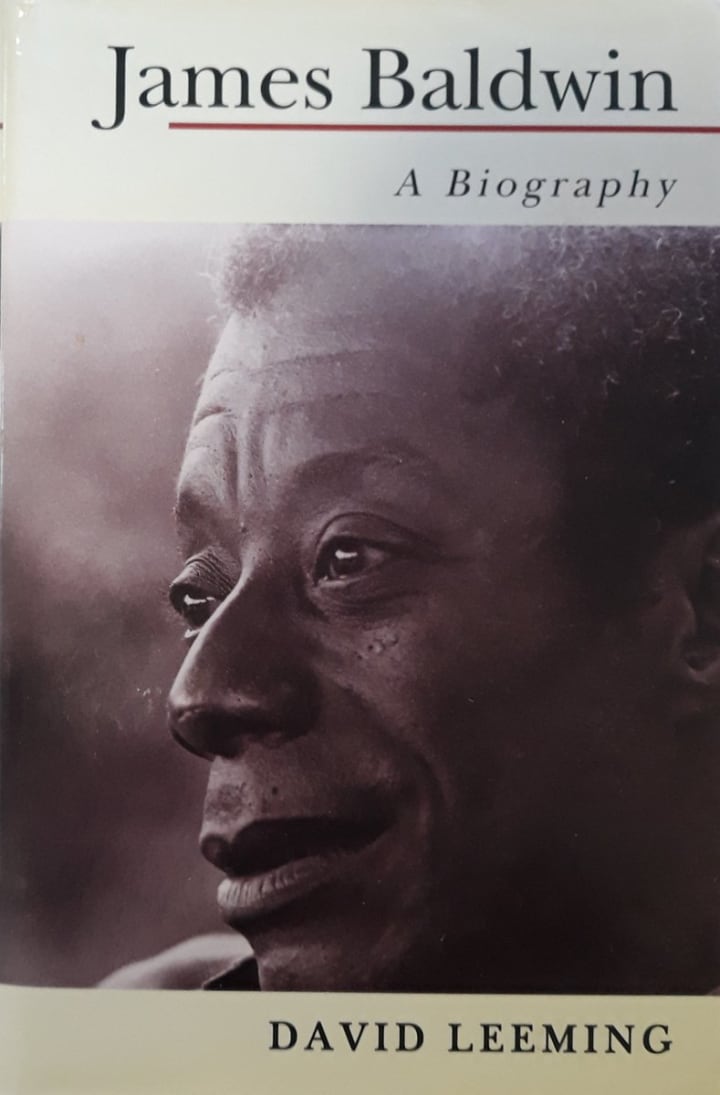
Another great biography about James Baldwin. I have read many biographies on James Baldwin now and every one that I have read has really done the genius some justice. I think that when people write about James Baldwin, it's good not to hold back your personal opinion of him because then, the passion really shines through. You can tell that Leeming did so much research and is a great fan of James Baldwin in the way he writes about Baldwin's early life and writings. I found this book on eBay and I initially had never heard of the author, but because I had been reading biographies on James Baldwin, it popped up in my recommendations and so, I am very happy I read it. It was an amazing experience. Yet another great James Baldwin biography.
183. Calypso by David Sedaris
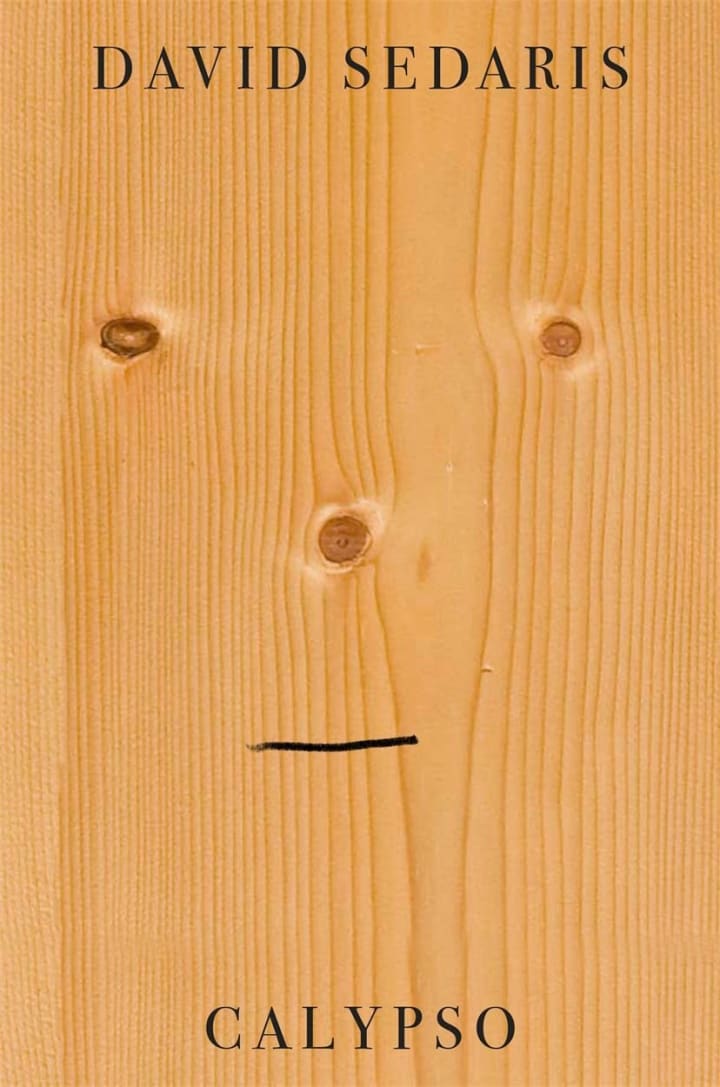
From talking about his sister's suicide to rambling on about a fit-bit, David Sedaris's prose is an enigmatic and episodical autobiography packed with genius wit and heartbreaking realities. I think this has to be one of the most heartfelt things I've read this year. It's truly beautiful. It's written in a way that makes it sound authentic as if someone is telling you their story in conversation. I like the chapter where he gets in a huff and a puff about people calling him short. Every time he revisits his younger sister's suicide, I feel like the book cuts through the wit and we end up on the other end of the line, with something earth-shattering. There's a page, in the edition above it's page 238 - which he describes his last meeting with his sister before she died. It's absolutely heartbreaking - you have to read it. It was a brilliant modern read.
184. A Poet in New York by Federico Garcia Lorca
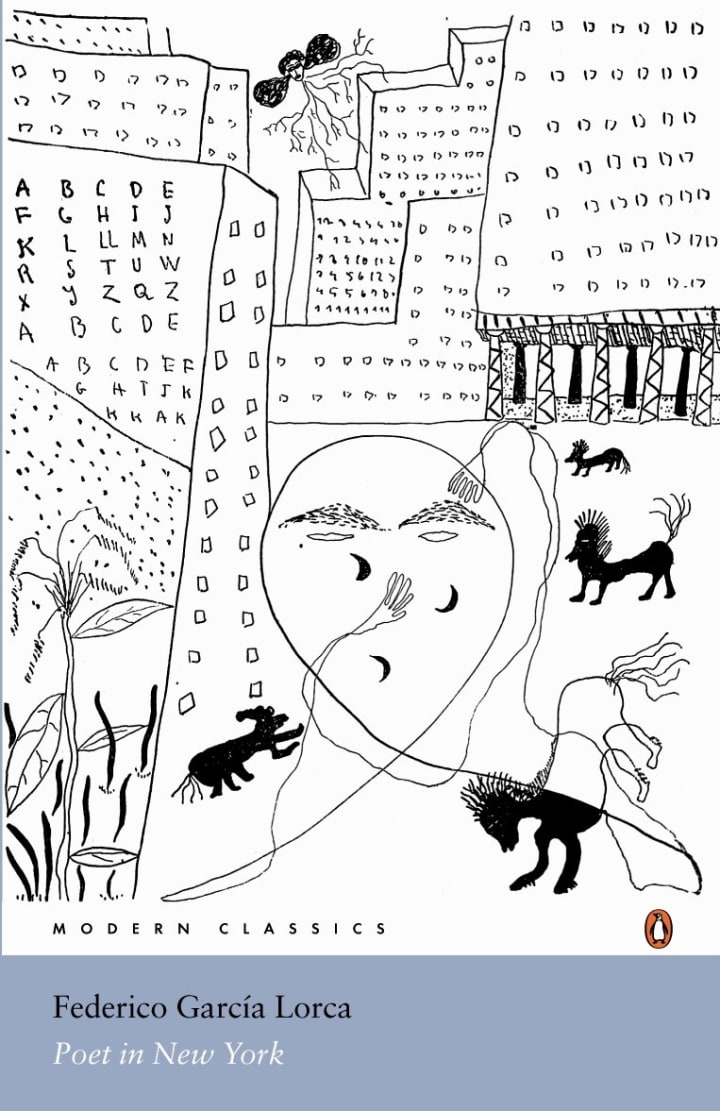
In all honesty, it has been some years since I've read anything by Lorca and if you know his story, you know it's a sad one. Lorca was assassinated by the rightwing at the age of 38 in the 1930s after being jailed. His poetry moves mountains and is politically charged with things that would threaten the rightwing militia. His remains are up for debate - some say they're at the bottom of a well, some say they're somewhere else. Nothing has been confirmed. But what is certain is that Lorca's poetry will never fail to set fire into your soul through its charged language filled with raw emotion, moving violence and turbulence like you wouldn't believe. Lorca was one of the greatest 20th Century Poets for a reason. Your poetry has to be something great if the military are willing to kill you for it.
185. The Stones of Florence and Venice Observed by Mary McCarthy
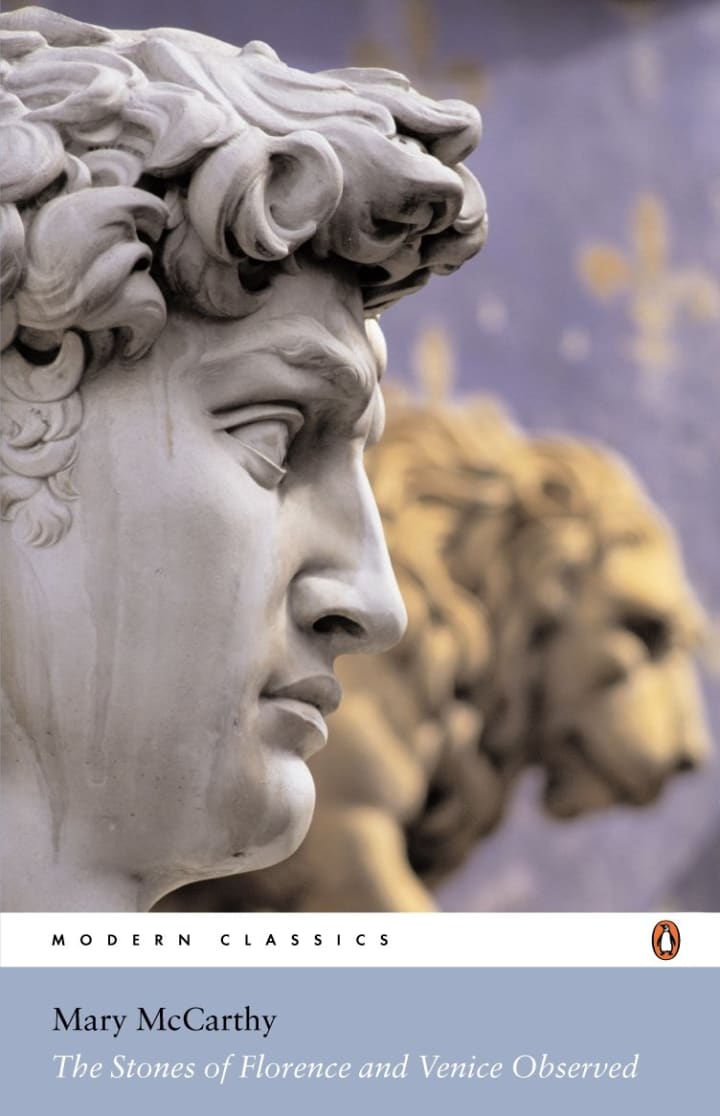
Mary McCarthy's observations, though not particularly in line with my own opinions, are thorough and justified. There's a great deal of history that she goes through and many observations she makes regarding what tourists don't do and how to get away from the noise of the city. She identifies the problems and advantages of both cities and makes her observations based on their balance between old and new. Her comments about Florence, though some of them made me angry (because it's my favourite city ever) she is justified as it is a city pretty much living in its past. Modernity doesn't seem to work for a lot of Italian cities and she shows us how different people live in accordance to having all this architecture at their fingertips. It really is something to be read. It is a great travelogue and companion to walking through Italy - especially its two greatest cities.
186. James Baldwin: A Legacy by Quincy Troupe
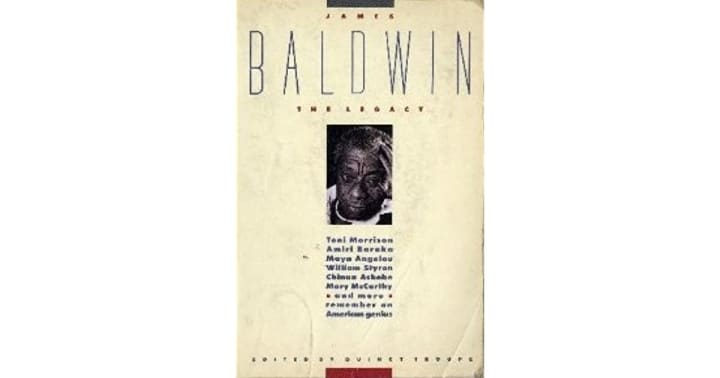
Most probably one of the best books I've read this year. If you know me, you know that I love reading various biographical pieces on James Baldwin whether it be articles or books or even little writings by people who met him. I've read everything Baldwin has written now and I think that this book has to be the best biography I've read about him. It's told episodically by people who had encountered him in their lifetime and it's compiled just after he died in 1987. People like Toni Morrison and Chinua Achebe, Maya Angelou and Quincy Troupe talk about various topics to do with Baldwin and his influence upon themselves. They talk candidly about his whirlwind personality and his brotherly charm. There's a whole chapter about my favourite Baldwin novel "Just Above My Head" and then, in the final section - there's a piece where James Baldwin writes about the day his father died. The chapter that was possibly the most moving was the one about the day James Baldwin died. A man who had known him was on the plane with Baldwin's casket and cried all the way there. He talked about the moment he died and when they started playing "Amazing Grace" - everyone knew he had passed away. It's such a beautiful book, filled with amazing memories of one of the greatest geniuses of the 20th century.
187. The Doll Factory by Elizabeth Macneal
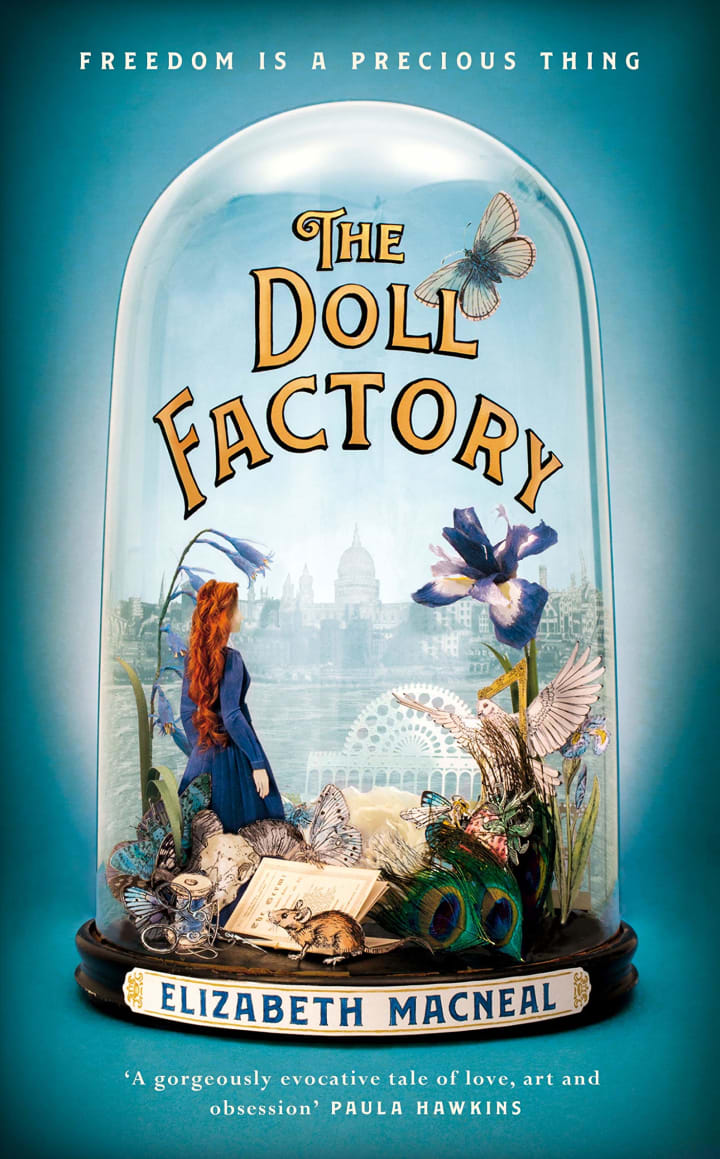
This book really surprised me because what I like to do is guess what books are going to be about when I'm about halfway through. Normally, I say if I can guess the ending then it isn't a good book. Well, I tried to do that with this one and I totally got the whole thing wrong. The second half of the book was not what I expected at all and really, it was brilliant. It was an entirely different psychodrama of Victorian London and evoked the kinds of things you'd read in the Romantic and Victorian Gothic. It had elements of various psychological thriller tropes and then we had the romantic side and then there was the sense of urgency that pounded on through the second act. I felt like I was literally under a spell. It was enchanting as it was horrifying.
188. Unsheltered by Barbara Kingsolver
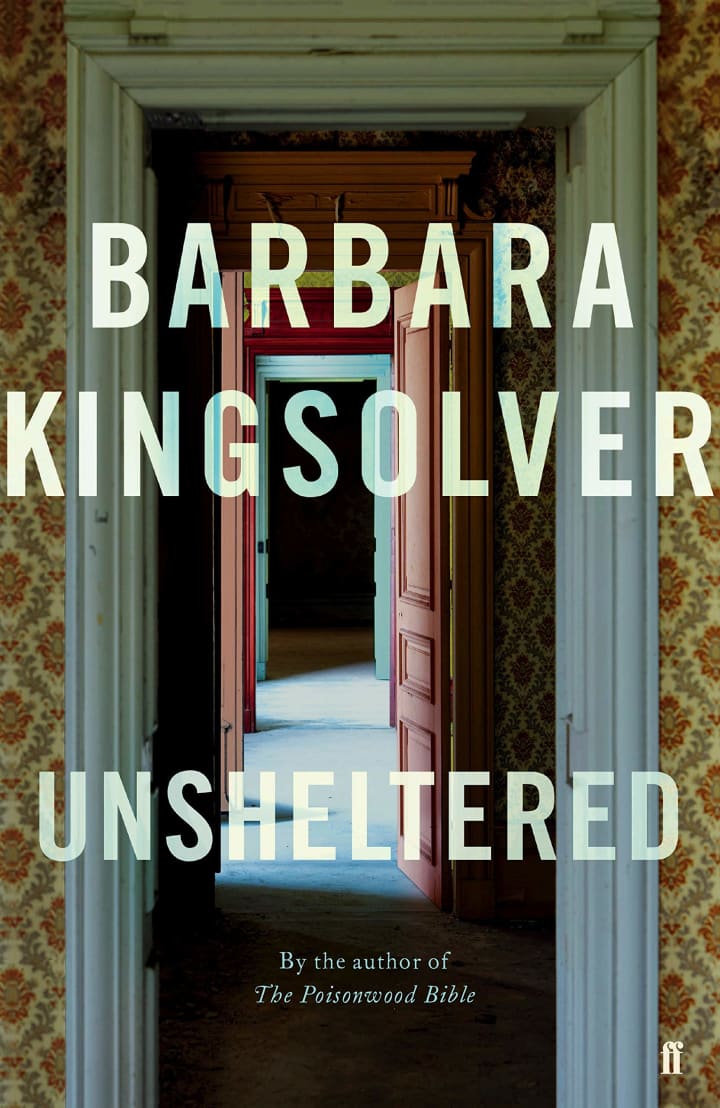
This book is set across two time periods. The first one is the 1800s and the next one is in the wake of Hurricane Sandy. These two time periods are both set in the same house and honestly, after reading the Poisonwood Bible some years back, this one was slightly less overwhelming than that one. I liked the language of this book but I felt like something in the book was missing. There was some aspect of communication or avid description that I found from the previous book by this author that I didn't find in this one. But, that's not to say I didn't enjoy it. I still enjoyed it quite a lot and yes, it was very emotional. I would definitely recommend this to fans of Isabel Allende, Marquez and Neruda. It is a beautifully emotional book - it connects on a very, very personal level.
189. The Chain by Adrian McKinty
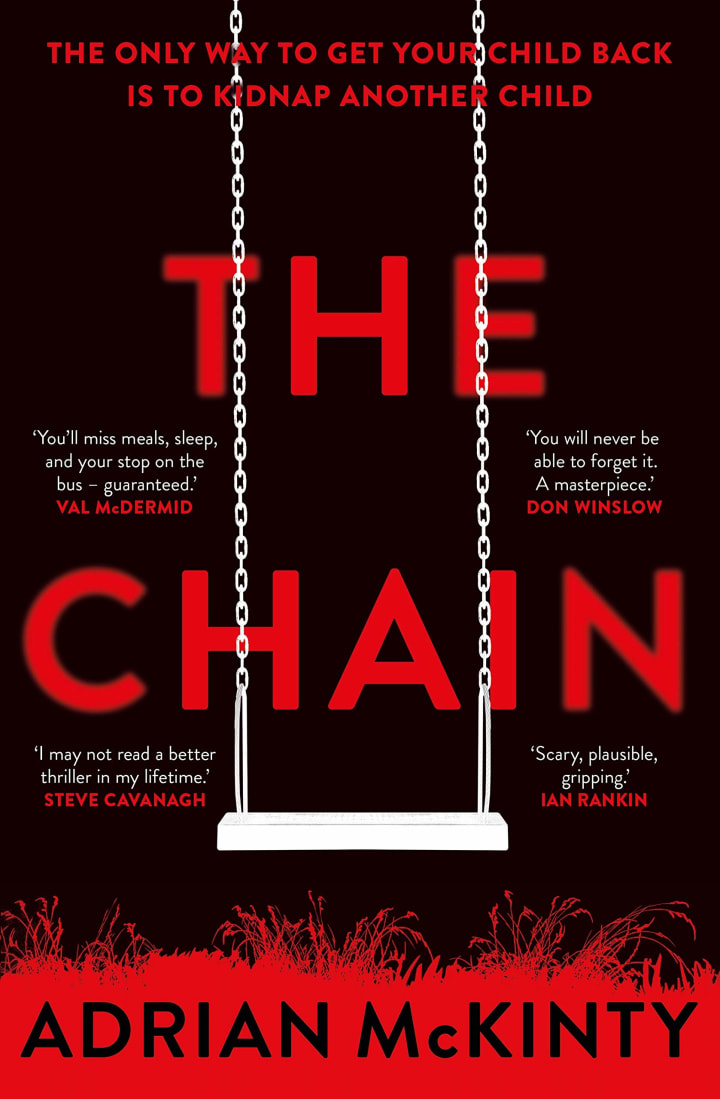
As gripping and suspenseful this was, I didn't really enjoy the writing style myself. To be honest, I favour books with flowery, overly-descriptive writing like Wilde and Allende, Marquez and Baldwin. This writing style is more fast-paced and raw. There's always something going on here, there and everywhere. It is more plot than description and I think that the weighing of this put me off. However, the plot is rich and vibrant with style and purpose. I don't want to give it away because if I give away one thing, I give away the whole thing. But, it will certainly surprise you and if you love James Patterson then be prepared for his competition.
190. Quicksand by Nella Larsen
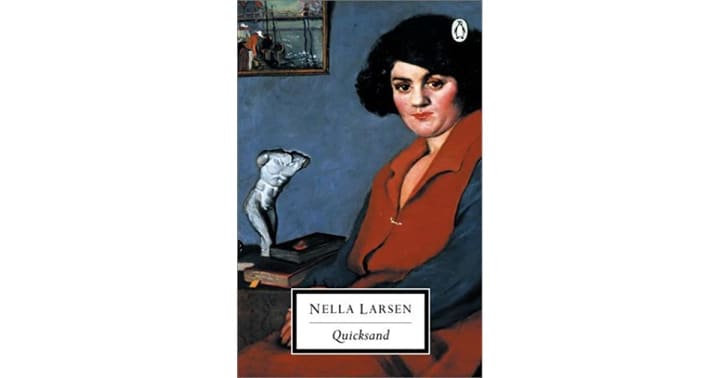
I have never ever read anything by Nella Larsen before and so, this was something entirely new for me. I'm trying to read more Harlem Renaissance Fiction after a few years ago when I enjoyed the works of Zora Neale Hurston. This book is about a woman called Helga who works at a school in the South of the USA during the race divide. Then, she leaves and heads for her birthplace of Chicago in order to try to start anew. She keeps moving to start anew and ends up in Denmark where she must confront her wants vs. her needs for one of the first real times in the book. It is beautifully written and I think it requires far more appreciation than it already receives.
191. Passing by Nella Larsen
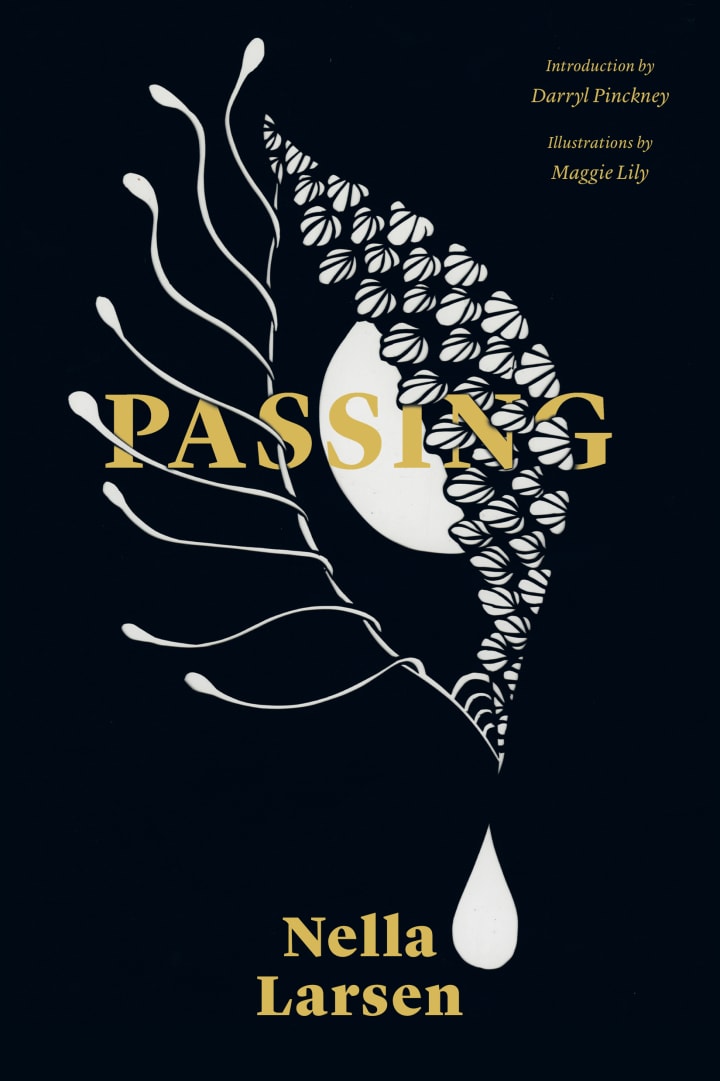
One thing I've noticed about Nella Larsen's two novels is not only that they're short but that she proves that there is a lot to be said about compression. She manages to pack into her stories a bit about race relations, a psychological struggle between wants and needs, a sexuality struggle when a woman is in love with another woman, a financial struggle, loneliness, gender inequality, discomfort and disassociation, displacement and so much more into something that is no more than about 150 pages. In "Passing" there is so much internalisation and there is so much struggle and compassion from the characters that it seems like nothing will ever be fixed. You have yet to realise that the problem is not really just the society the characters live in, but it is also a fight amongst themselves - with themselves. And when you realise this, you're more on the character's side - you understand their humanity.
192. First You Write A Sentence by Joe Moran
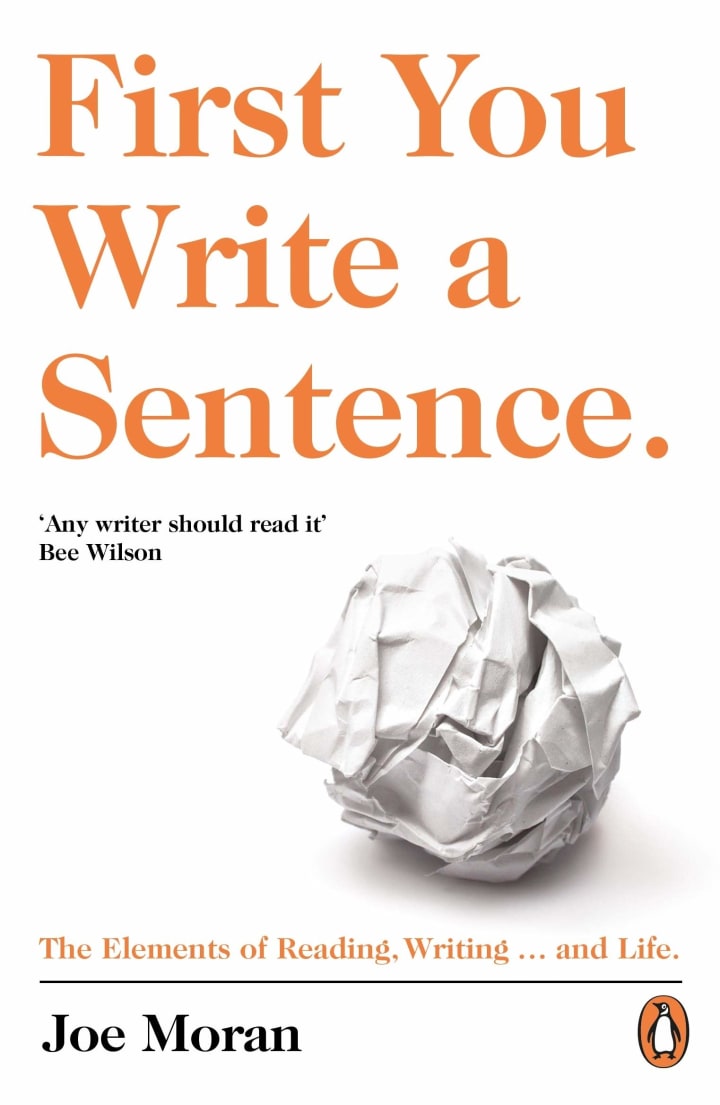
This book, as often pretentious as it may read, is actually quite informative. There's much advice to be said about writing sentences but the one thing I really enjoyed were the personal anecdotes. There's a lot about how the author himself struggles with picking the correct words for a sentence and how he stays grounded throughout the writing process when it feels like it may be getting too much. I like the way he states that he doesn't count words, but instead he counts sentences because he works with how good a sentence sounds on its own as opposed to the number of words for productivity measure. If you're writing a book then this book is definitely for you and I will definitely be taking some advice when continuing to write the one I've been writing for four years. If that doesn't grab you then chapter 2 is about an ape who can write sentences.
193. The Cambridge Companion to James Baldwin by Michele Elam
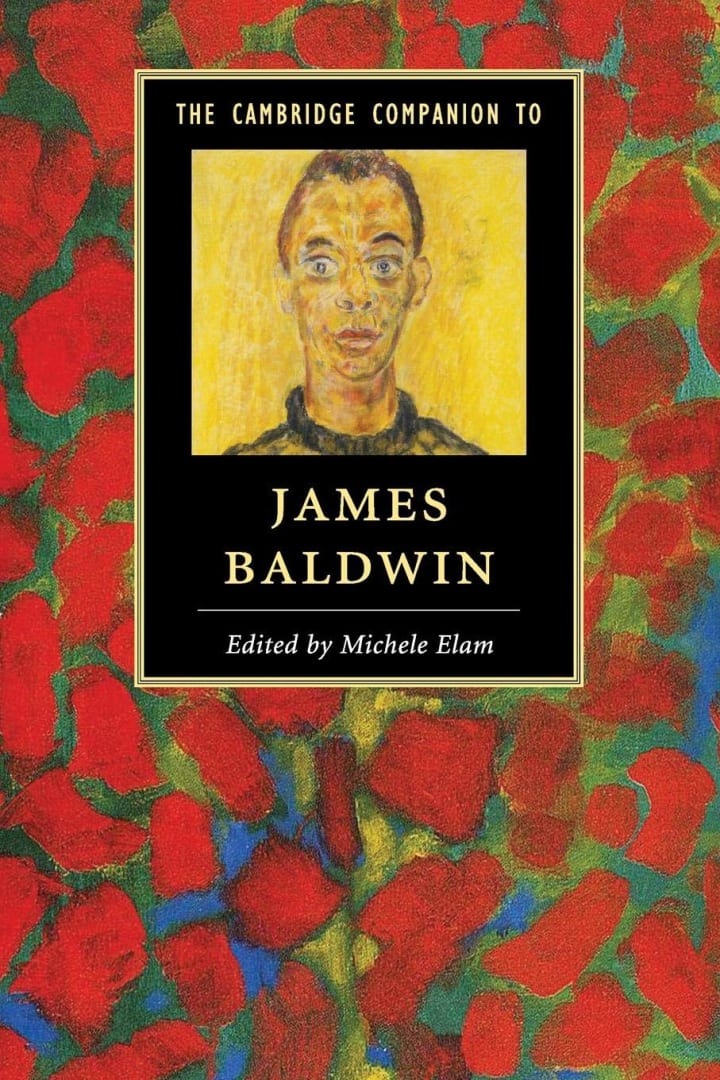
Okay, so I didn't know until recently that there was a Cambridge Companion book on James Baldwin but, in order to feed my Baldwin obsession, I had to find out. The day this book arrived, I got down to reading it and I honestly cannot express in words how it made me feel. So many people appreciating the deep and meaningful insights and particulars of James Baldwin's works is fascinating. There's an entire essay about existential jazz in James Baldwin's books and there's another chapter about how he uses rhythm in his poetry "Jimmy's Blues". I loved this book beyond measure and it is quite possibly one of my favourite books about James Baldwin, along with the episodical biography I read some days before. I cannot express in words how happy this book makes me!
194. Murder Underground by Mavis Doriel Hay
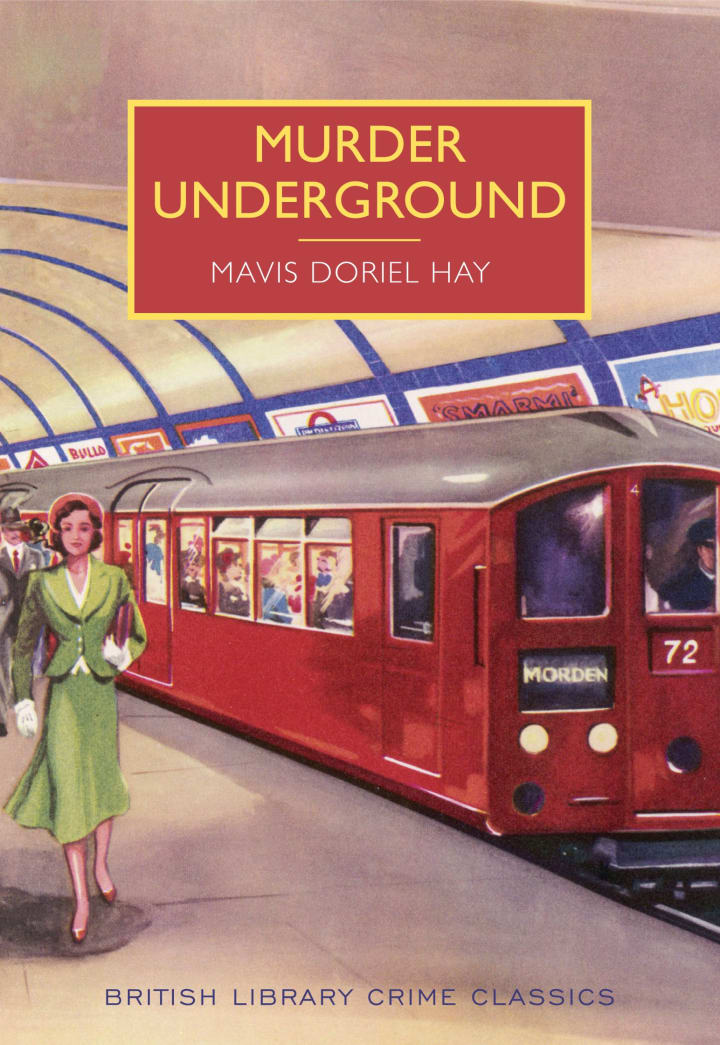
My gosh I did not expect to enjoy this book so much. Basically, I was putting it off in order to read other books but now that I've read it, I kind of wish I had read it earlier. When I started reading it, I immediately suspected Mrs. Daymer and then there was Basil. Mrs. Daymer seemed to be following the police too closely in order to watch their every move and the police were having investigators follow Basil because he is the sole heir to the woman murdered. When the brooch is the main aspect of the murder though, everything gets turned upside down and people begin accusing Gerry, which was the man who saw the murdered woman walking down the stairs only moments before she was killed. However, nobody can prove anything and things just go up in the air when her pearls turn up suspiciously in an envelope left by Basil in his cousin's care. It is a brilliantly clever book and you totally won't see the ending coming. You need to read it to see how it completely misleads you.
195. The Verdict of Twelve by Raymond Postgate
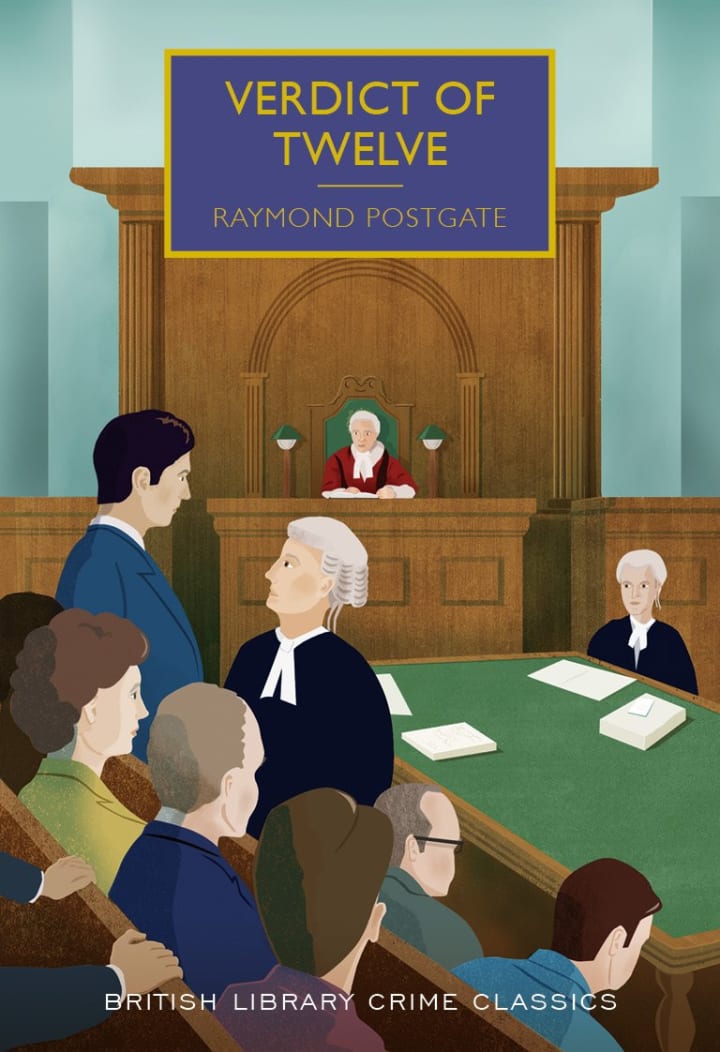
So this book was absolutely shocking. At first you learn about the various members of the jury and where they've been in their lives, what they've done all their lives and their different prejudices and ways of living. Then, we come to the case in which we meet Mrs. Van Beer and her nephew, Philip. After Philip dies from suspected ivy poisoning, Mrs. Van Beer is arrested because of her strained relationship with the boy and the fact that she murdered his rabbit. The rabbit's name seems to be a point of the case and things take a twisted turn for the worst in the single most horrific court case I've ever read about. This was seriously a whirlwind of events. With echoes to almost a Shakespearean like tragedy blended with all the substance and morality questions of the film "12 Angry Men", this book proved to me that not only could it be consumed in one sitting, but that it was absolutely captivating from start to finish. I actually don't know where the time went. It was absolutely amazing. This is a very under-appreciated classic of contemporary crime. I know I've said this a lot, but it is one of the best books I've read this year, possibly in a few years.
196. A Scream in Soho by John G Brandon
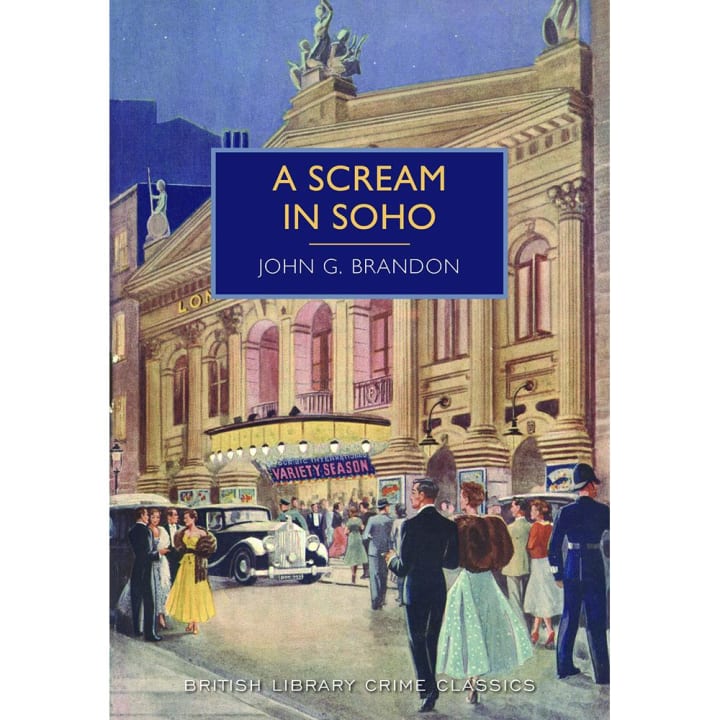
Now, I really enjoyed this book but I didn't love it like I did with Verdict of Twelve or Murder Underground. The reason is this: it was predictable. I play this game with crime novels in which after I've read maybe a quarter of the way through - I try to guess what the ending is. If I can guess it correctly then I assume that I haven't really enjoyed the book as much as I would have if I had been wrong. I mean, we all enjoy being surprised, don't we? In this case, I was entirely correct. However, that does not mean that this is a bad book. For a long time I was absolutely stoked on who it could be. About halfway through the book it hit me and then, I knew exactly what was happening. The first half of the book is definitely more controlled and finely tuned than the second. I love it when the fire breaks out and they find the shoe and the handkerchief with blood on them whilst the crowd just looks on. The inspector says something along the lines of the fact that the murderer could be somewhere in the crowds, amongst them. I guess you'll have to read it to find out.
197. Thirteen Guests by J. Jefferson Farjeon
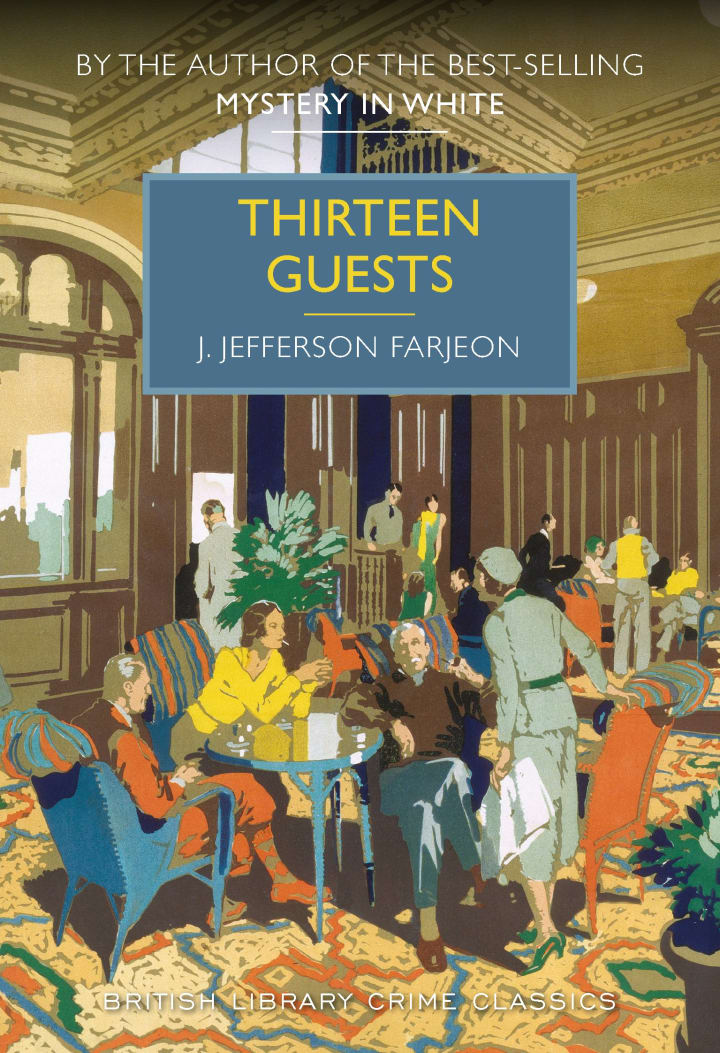
My British Crime Fiction binge is getting a little out of hand at this point. I'm not going to lie but I absolutely loved this book, though the ending happened almost a bit too quickly (in the space of about two chapters), I can honestly say it's on the better end of crime fiction I've read. The premise is that there are 13 guests staying in a country house and a man, not a guest, is found dead and the dog, Haig, has been stabbed. Pratt, the painter, has claimed his painting has been ruined and his studio window smashed and, after all of that - one of the guests turns up dead whilst his horse returns home. The second dead man's wife disappears with the murder weapon at the time the inspector turns up and the journalist seems to be following everything too carefully, providing information and appearing at odd times. The friend of the second dead man had an argument with him prior to his death and there is a big thing about this dead guy having an affair with one of the guests behind his wife's back. It's a brilliantly twisted mystery in which there are many clashing personalities involved and I read the whole thing in about 2 hours. I'm not going to lie, I did not look up until that thing was finished. I was totally consumed by it.
198. Mystery in White by J. Jefferson Farjeon
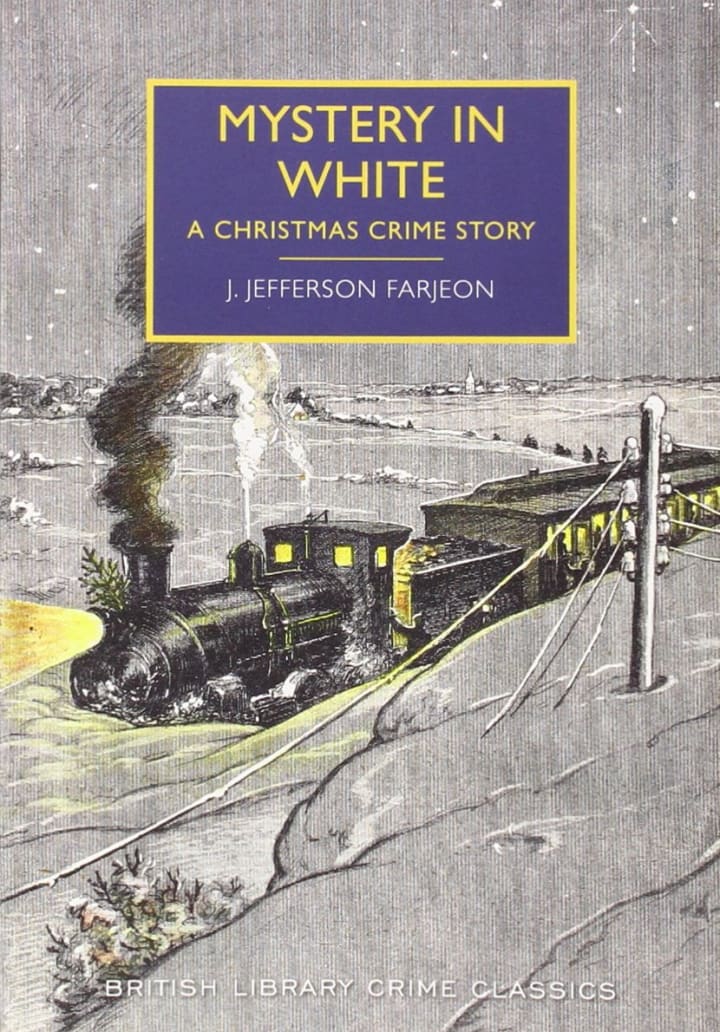
I'm not going to lie, this one was not as good as the others. I found the backdrop of Christmas really distracting in the fact that it would either pop up in conversation randomly or that there was all this snow and blizzard being described that often, the length of the mystery itself required to be shortened in order to accommodate similar chapter lengths. I did think that the characters were fleshed out pretty well but I didn't feel like I knew them well enough to pass any judgement. When the murder happens, I felt it was obvious as to who it was and then, as I progressed through the book, I found I was right yet again. If I can guess the ending, the book doesn't suit me. It was well written but I found his other book (Thirteen Guests) slightly better and with more character connection. Be that as it may, this book was by no means bad. I liked the way it created atmosphere and the pacing was pretty good. The ending wasn't as quick as the previous book I read by him and the plot seemed completely feasible. There was nothing wrong with it, but I just found that it wasn't really for me. Also, the book was quite short. Especially for a crime mystery of this kind.
199. Hermit in Paris by Italo Calvino
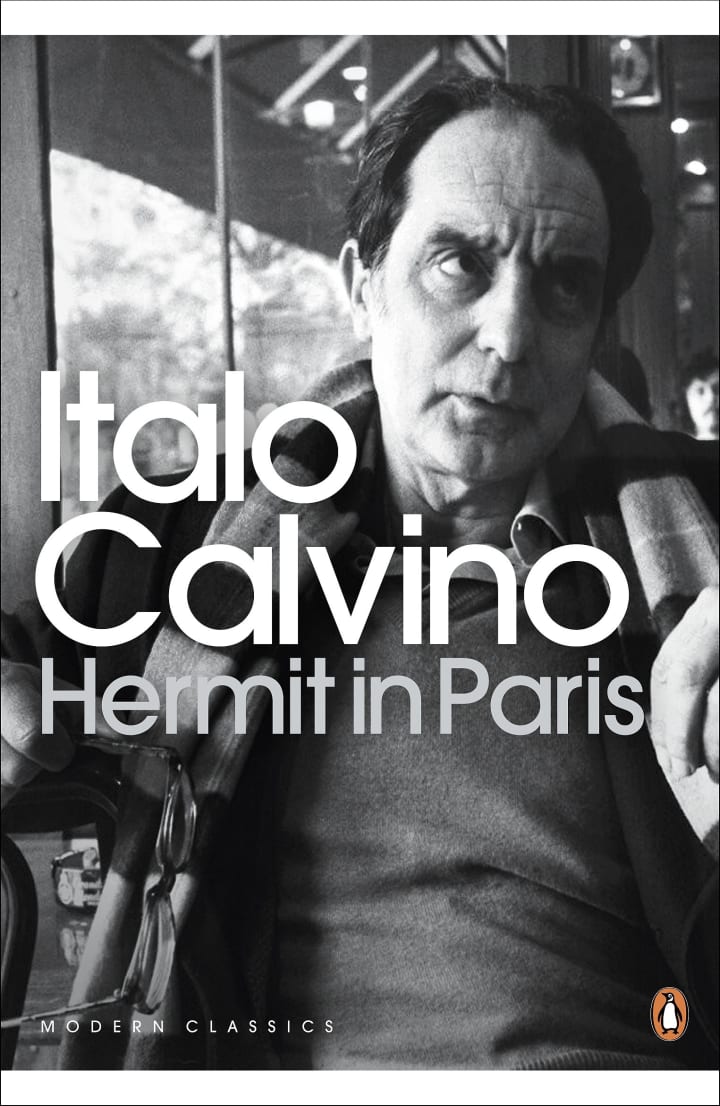
This is a really interesting book. I've never really read anything autobiographical by Calvino and I've always been interested in his life. The best part about his autobiography is the way in which he describes his travels from 1959 to 1960 around America. He describes going to New York and going to Greenwich Village (apparently, it had the essence of Paris) - he seemed to enjoy Chicago and Detroit, but not so much LA. When he came to the Mid-West there was some serious description and some interesting tales. I ended up coming to the end of that chapter with a serious interest in Calvino's life and travels. He got married to a woman in Paris who spoke Spanish - his daughter was born and speaks French. The chapter that has the same title of the book describes how Calvino had literarily retreated and began living in France. He describes the culture and lives in France, the way in which people talk and walk, the way in which they shop and what France has become since the old days. Apart from the political chapters on his earlier days, the book is an avid recollection of the many lives of one person.
200. Mouchette by Georges Bernanos
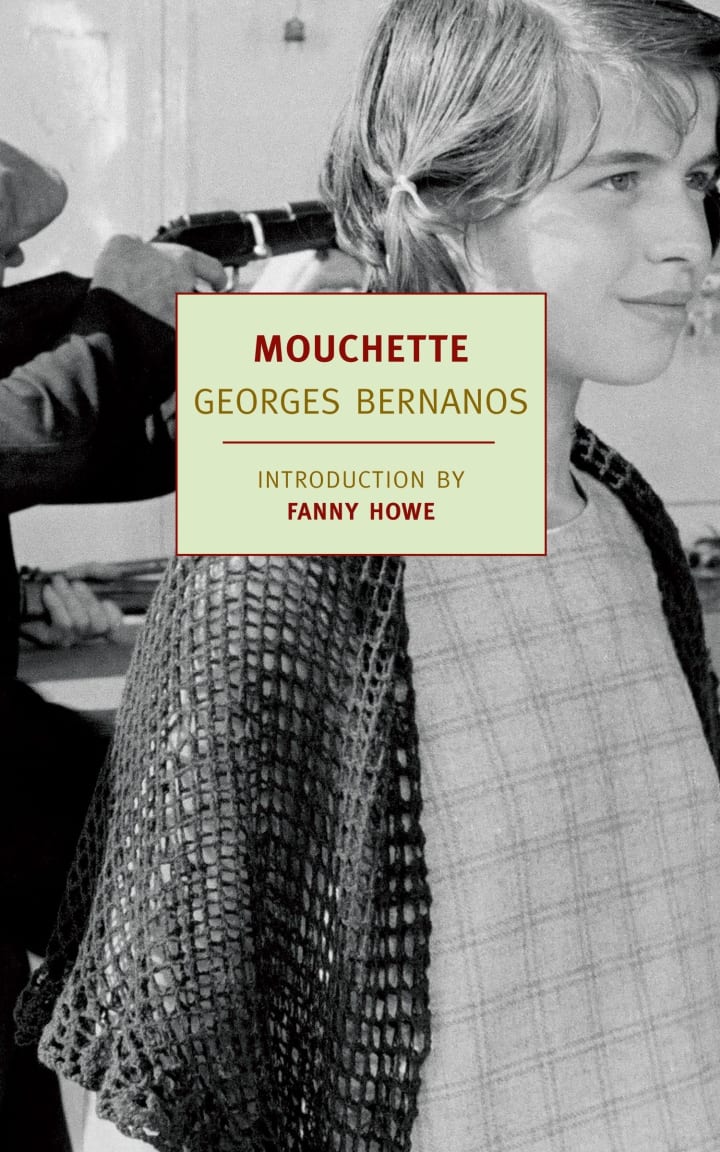
I'm not a huge fan of this one, though I did enjoy it. I felt like the book was a bit short and lacked any of that flowery description that I so commonly associate with French realism. However, the book being short doesn't mean I hated it, it just wasn't my favourite or among my favourites of the year. Yes, it has some very interesting characters - I really did enjoy the introspective nature of the young Mouchette and the almost grudgingly harsh undertones of Arsene - but again, I didn't feel as connected to them because I don't feel like I had the time to get to know them properly. By the time I was only a few pages in, I was already finding that the young Mouchette had fallen down a ditch and lost her shoe. I think the book is trying to show us her carelessness and solitude, but I feel like if there was more description there, then I'd know for sure. Compression is good when used correctly, but I don't think that this type of compression is for me.
About the Creator
Annie Kapur
I am:
🙋🏽♀️ Annie
📚 Avid Reader
📝 Reviewer and Commentator
🎓 Post-Grad Millennial (M.A)
***
I have:
📖 280K+ reads on Vocal
🫶🏼 Love for reading & research
🦋/X @AnnieWithBooks
***
🏡 UK
Keep reading
More stories from Annie Kapur and writers in Geeks and other communities.
20 Books of 2020 (Pt. 9)
If you haven't read Parts 1-8 then you can head to my page to do so. I will reiterate that these articles are purely for me documenting my reading through 2020. When I did this last year in 2019, I just posted the article at the end of the year instead of splitting it up. Now, if you know how I read then that would amount to almost 500 books in one article. I found this rather counterproductive when it came to the reading public. So, for making it better for me and you, I have chosen to split it up into sections of 20 - I went with the year we're in for the number. Here's some stuff about me if you don't know me already...
By Annie Kapur6 years ago in Geeks
Silver Screen Magic with Mae West
American actress and singer Mae West became a popular film actress during the Great Depression. She started entertaining in vaudeville, then performed on Broadway, and finally went to Hollywood. She signed up with Paramount Pictures and made her debut in the 1932 film “Night After Night.” She also starred in musicals, comedies, and crime dramas. The American Film Institute named her one of the best classic Hollywood actresses.
By Rasma Raisters6 days ago in Geeks
The Life of Chuck
Life of Chuck really assembled an interesting and wonderful team of creatives, to the point where I really don’t care what the movie is actually about. Mike Flanagan, Tom Hiddleston, Stephen King, Matthew Lillard, Karen Gillis, seriously this list is incredible. We even have Offerman doing a voiceover. So just based off of the list of people involved I knew I wanted to see this movie.
By Alexandrea Callaghan5 days ago in Geeks
Wild Card Weekend Recap: What Happens Now?
I think I figured out why I love Wild Card Weekend so much. It's because it's the first playoff anything of the calendar year. The NFL season starts in the fall, and once upon a time, the champion was crowned either on or slightly before New Year's. The evolution of the NFL schedule has resulted in the playoffs starting just into the New Year, and currently, the final week of the season falls on the first weekend of the New Year, with Wild Card Weekend coming a week after that. So yes, chronologically, the NFL's Wild Card Weekend serves as the first playoff anything of the calendar year.
By Clyde E. Dawkins6 days ago in Unbalanced




Comments
There are no comments for this story
Be the first to respond and start the conversation.