

If you haven't read Parts 1-8 then you can head to my page to do so. I will reiterate that these articles are purely for me documenting my reading through 2020. When I did this last year in 2019, I just posted the article at the end of the year instead of splitting it up. Now, if you know how I read then that would amount to almost 500 books in one article. I found this rather counterproductive when it came to the reading public. So, for making it better for me and you, I have chosen to split it up into sections of 20 - I went with the year we're in for the number. Here's some stuff about me if you don't know me already...
I'm 24 years' old at the moment of writing this article and my love for reading once put me in therapy when I was at school because it was seen as an addiction and an oddity (yes, I know). Obviously, you know about my MA in Film and my love for writing articles - but what you probably don't know is that I also like writing in my journal, documenting certain events and saving them so that I can read them over later. I have a jar in my room filled with quotations from DH Lawrence's "Life with a Capital L" which is my favourite essay book to date. I have it because it reminds me that sometimes, essays and articles can be witty and vibrant and don't just have to be boring and pretentious.
Sometimes, I read and do things at the same time. For example: I can read a book and write an article, or read and eat, I read a book whilst writing in my journal or messaging someone on Instagram etc. so I can fit in more reading whenever necessary.
Here we go with Part 9, numbers 161-180 then!
161-170
161. Poetry of the 1930s
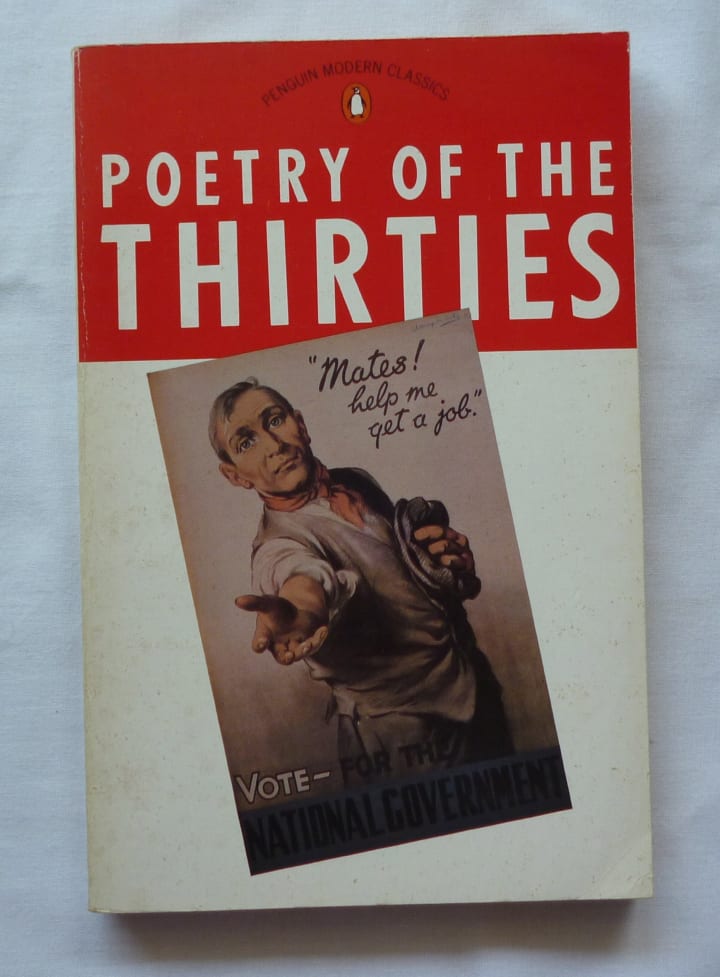
This book was really quite something. When I was at school, I studied people like WH Auden and I always wondered about the poetry of the 30s being very melancholy as if all the life had been sucked out of the world. Suddenly, everyone's senses become hyper-vigilant and they begin noticing emotions, psychology in nature and the human condition so much more. It is a beautiful read and I recommend it to anyone who ever read "Funeral Blues" ever.
162. A Weekend in New York by Benjamin Markovits
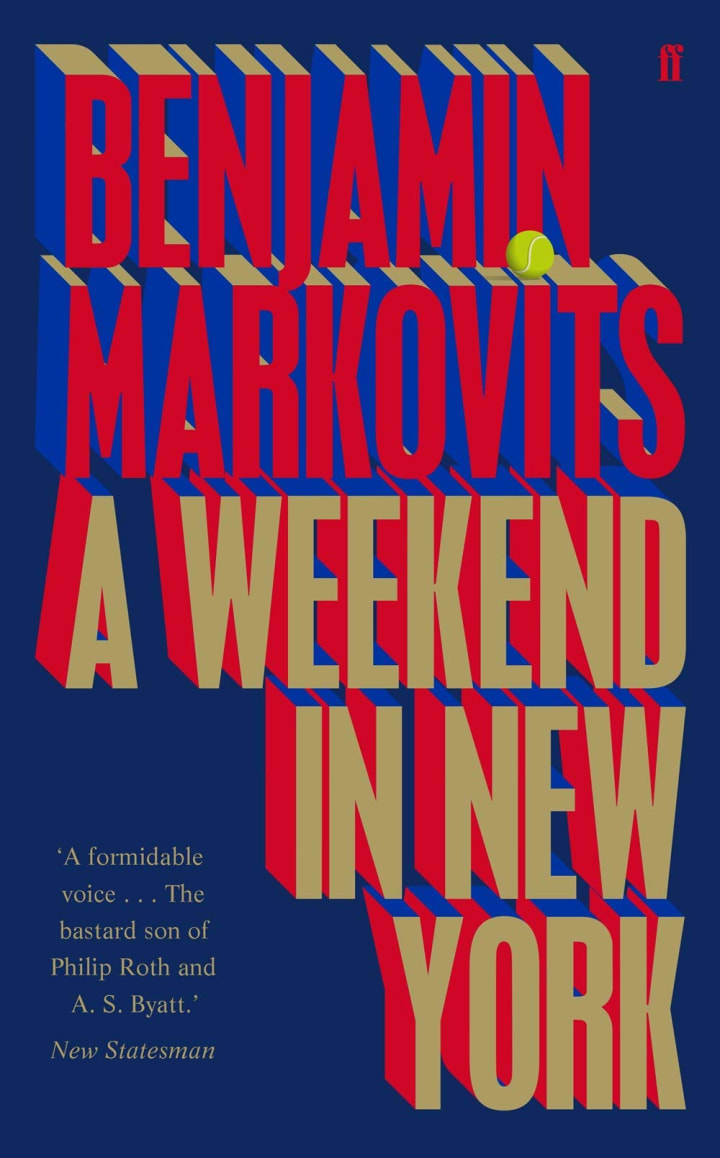
First of all, I bought this book as one of my 'random reads'. I had never heard of the author and never heard of the book, so I picked it up and I honestly thought I wouldn't like it at all, it just didn't seem like my kind of read. But I was very wrong. As soon as I got into the book I read the entire thing in one sitting. Set over the course of a weekend and split into appropriate chapters, family dynamics go through the roof when a couple is forced to house the parents of the main male character, Paul - a tennis champion. This is all whilst they prod information out of the woman, Dana - critiquing bit by bit as they go. It's witty, it's brilliantly written and the man really has a knack for writing very human speech.
163. Picnic at Hanging Rock by Joan Lindsay
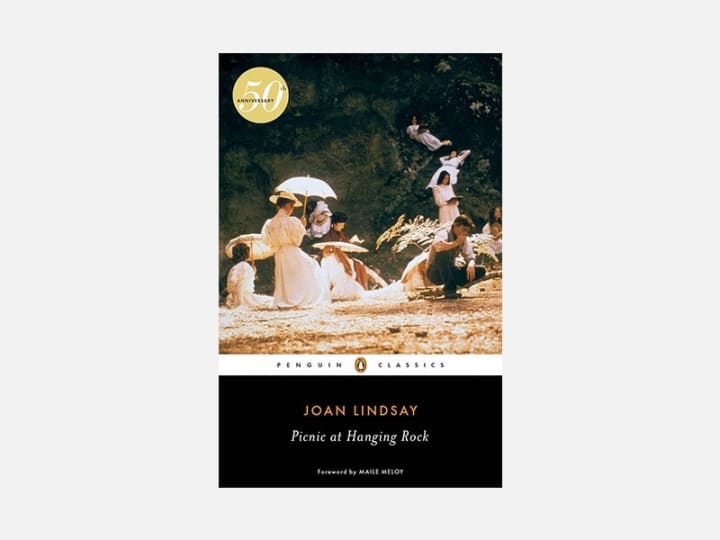
Yes, I know I'm pretty late with this one but you have to forgive me - I had been putting it off for so long because I thought the premise sounded boring when someone tried to explain it to me some years ago. However, I got my hands on a copy of the book recently and found it to be intriguing. It's about three young girls who set off when their school takes them on a picnic, they go for a walk and simply disappear. The rest of the book is about trying to find them and the consequences seem almost unbelievable at first. Things start taking turns for the worst in the midst of the action.
164. Berlin Alexanderplatz by Alfred Doblin
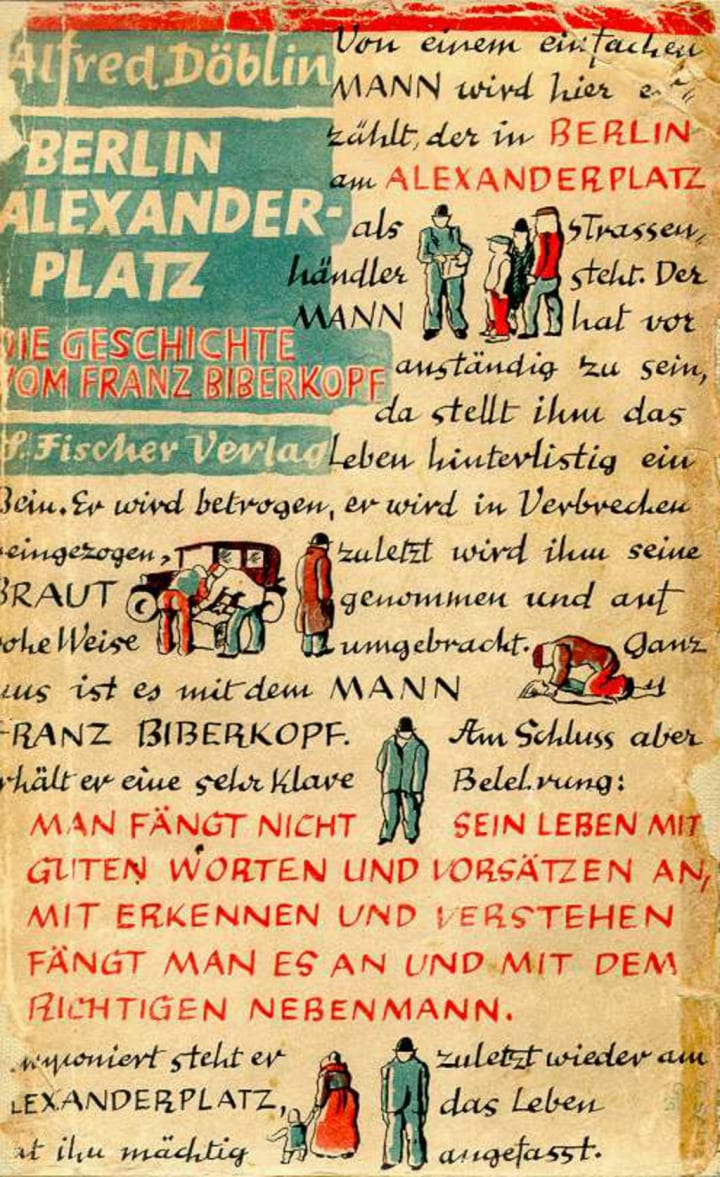
I'm not going to lie to you - though this book had great story and was very well written, it really wasn't my thing. I'm not the sort of person who enjoys books about jailbird redemption in the city too much but I would like to discuss certain aspects I did enjoy. I enjoyed the historical context. When it comes down to it, this book is set amongst one of the most turbulent political changes in history - the rise of the Weimar Republic and Nazism. The character deals with economic shifts on a grand scale, often missing opportunities and chances at happiness in return for small change at the expense of his country. I found it bewildering and often heavy at times, but on the whole I'm sure there are people out there who enjoy this book as it's often cited as one of the best books ever written.
165. The Lost Future of Pepperharrow by Natasha Pulley
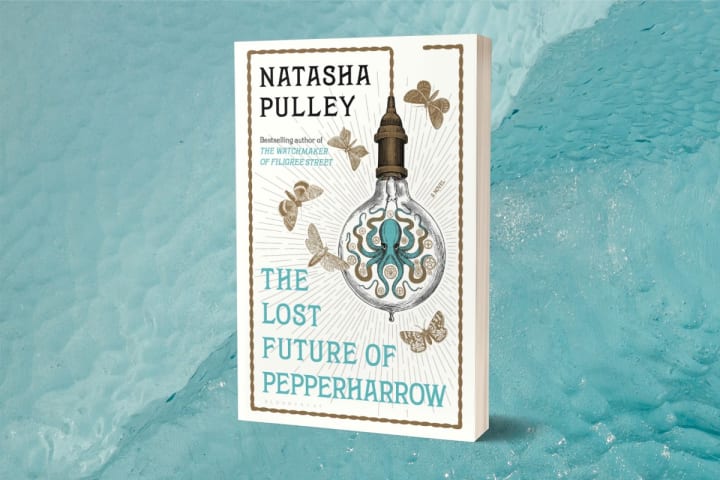
If you're a fan of "The Watchmaker of Filigree Street" then you're in as much luck as I was. This book is the next one in the series and we return to the story with Keita Mori only to find twists, turns and even characters we never thought possible. The story is written in a linear narrative and then, sometimes it jumps back ten years to when we need some crucial information about Keita. Thaniel having TB also sets the story alight and the whole thing revolves around a strange woman called Pepperharrow and what she has to do with the Count and Countess...and even Keita.
166. My Year of Rest and Relaxation by Ottessa Moshfegh
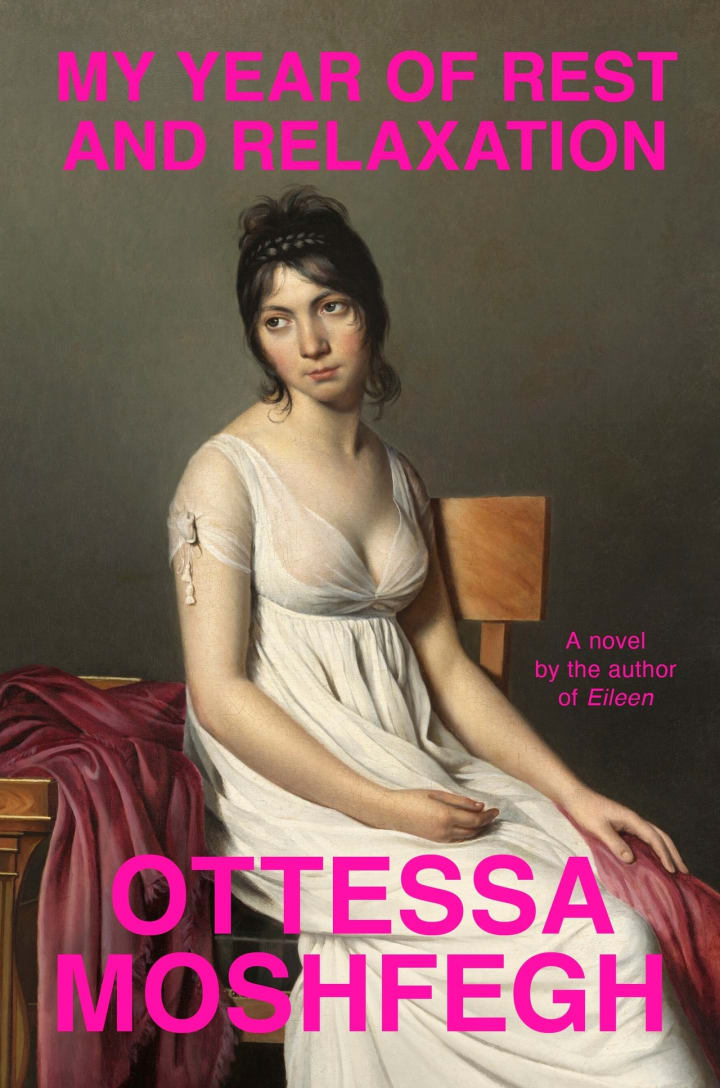
Now, when I was in my second year of university, I was pretty obsessed with Moshfegh's initial release that was shortlisted for the Man Booker Prize, "Eileen". It was a clever story rounded off perfectly with a major thrill. I feel like this current book though, fell a bit short of that. I didn't feel like I was as connected to the character or as into the story because there was so little going on in the character's life. I kept either getting stuff that had happened to them beforehand or things about the best friend, Reva. Although it is very cleverly written, I feel like a ton of plot is missing where there could've been either storyline or more character connectivity.
167. Picture by Lillian Ross
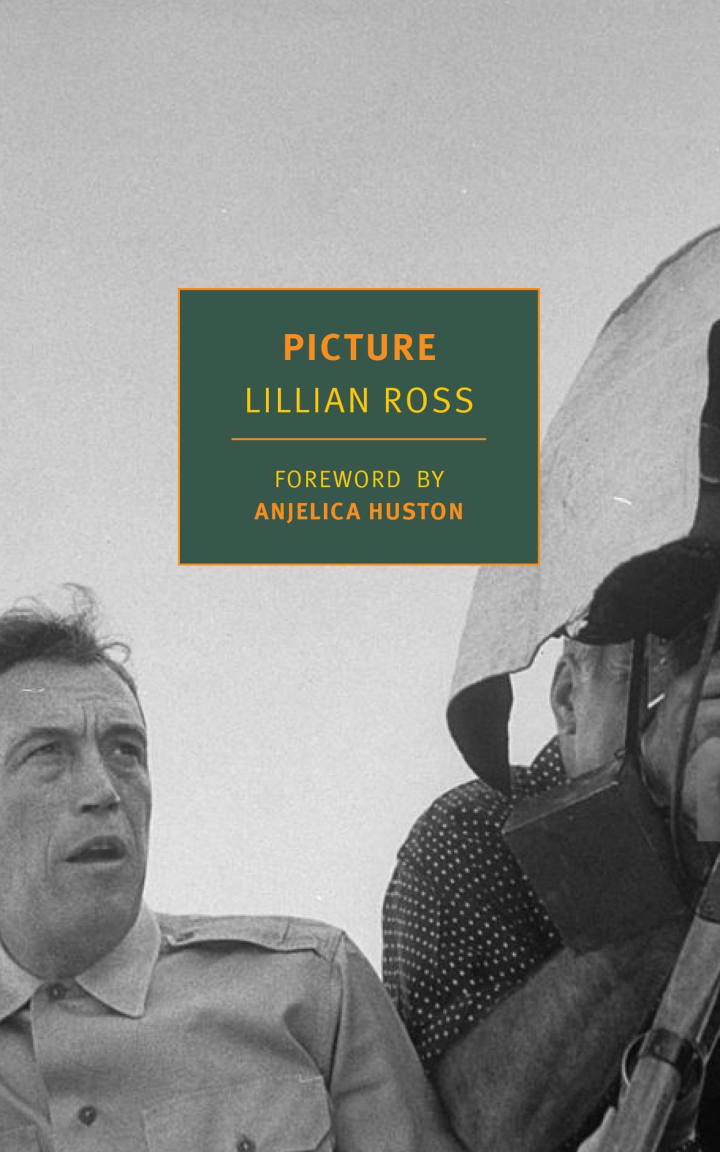
This book was one for the ages. When you pick up a book you're very unlikely to pick up anything like Lillian Ross's "Picture". It's about John Huston going through thick and thin to make the film "The Red Badge of Courage" based on the book by Stephen Crane. There are a a multitude of opinions and characters that are actually real opinions from real people. But the thing that shines through the most is John Huston's genius and his active mind towards the art and style of filmmaking. The man was a revolutionary and I think it's safe to say that this book did him justice.
168. Fleishman is in Trouble by Taffy Brodesser-Akner
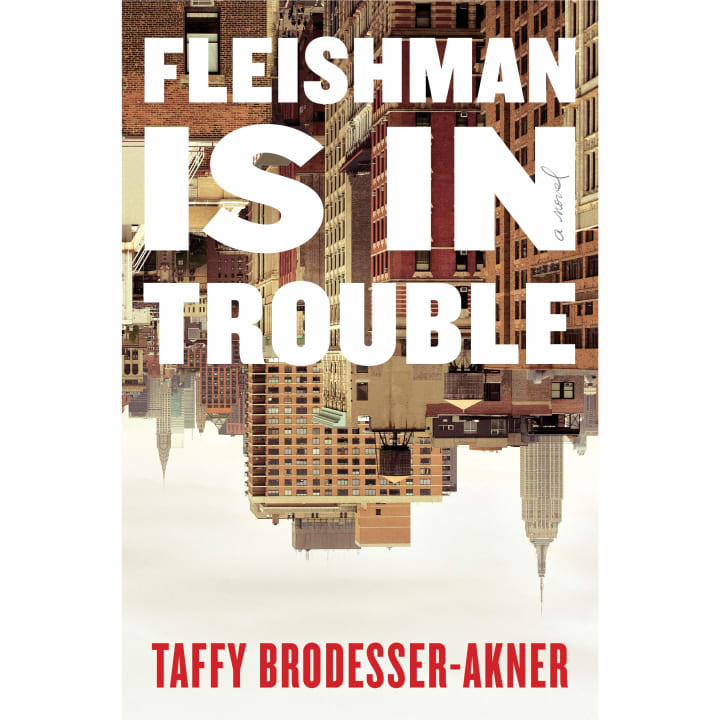
I didn't enjoy this book as much as I thought I would. There was some interesting character development of Toby in the first half of the book but I think on the whole, the ending happened a bit too quickly. It's maybe my taste because I like heavy, philosophical descriptions and everything to take its time. But, it was well-written and a pleasure to read. Fun fact: I had been waiting for ages to read this because I was actually waiting for it to come down in price!
169. Into the War by Italo Calvino
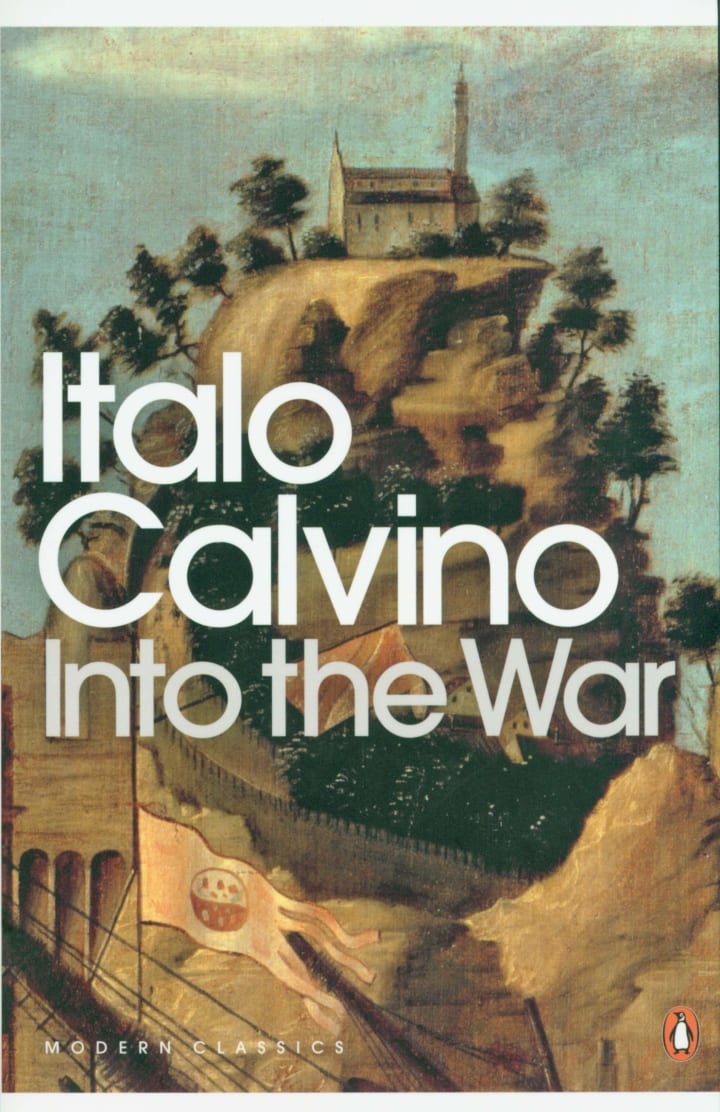
"Into the War" is a book about the fear of the outbreak of war. There are some ironies, some stuff you can laugh at but underlying the three short stories in here is a deep-seated paranoia. The language it uses to convey this is absolutely beautiful and it is done in the typical Calvino style of hiding things within other meanings and other phrases. Calvino presents to us a short book with all the power and emotion of an epic novel. I thoroughly enjoyed this, actually far more than I thought I would. I had been putting off reading it for around a year now and so, I read it. It was such an amazing book and yet, I never learn to stop putting off certain books!
170. When the World Spoke French byMarc Fumaroli
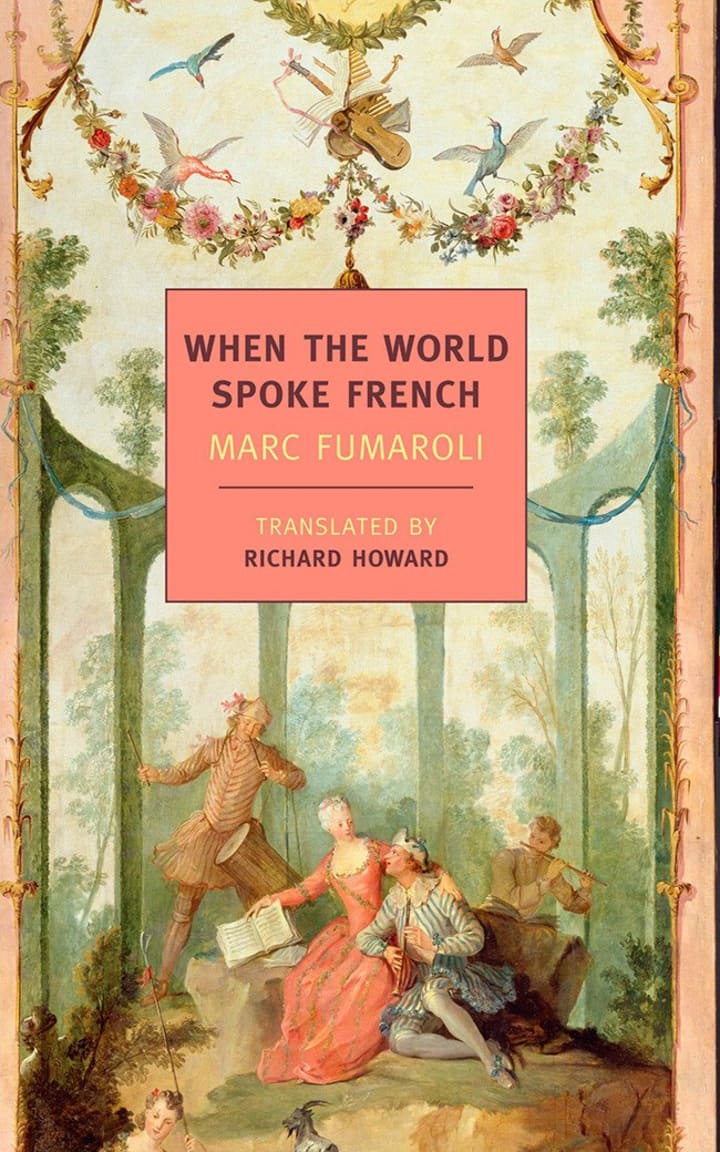
What can I say about this book? I honestly thought I wouldn't like this book and I was only reading it because I wanted to read something more European and Eurocentric. However, I really ended up enjoying this book so much I didn't put it down until it was finished. It's a bunch of letters and correspondences between the giants of French Nobility. There's people like Voltaire consulting with the royals and then there's Frederick II and Louis XV. There's so many different intelligent topics going around it really gives you a full view of the French Enlightenment and how much the nobility were actually involved. Some of the topics range from politics to theatre to running the country to philosophy and it is surely to delight your mind. My favourite part has to be the letter about characters in the theatre, that was amazing.
171-180
171. The Tenants of Moonbloom by EL Wallant
This book is purely character and not much plot so yes, I can honestly say I enjoyed this one. It's about a man called Norman Moonbloom who goes around looking at the apartments owned by his firm and brother, Irwin. Along the way in the apartments, he meets an old couple, a jazz musician, a writer who seems to have a striking resemblance to James Baldwin and many more. The different characters each have their own individual voice and all have their own worries concerning money and where they live. My favourite part is when Norman gets someone to unplug the drains so the water can flow again and you read this kind of celebration that comes from some of the characters. It is really quite a beautiful moment in the book. But on the whole, you really cannot help but feel kind of sorry for Norman.
172. City on Fire by Garth Risk Hallberg
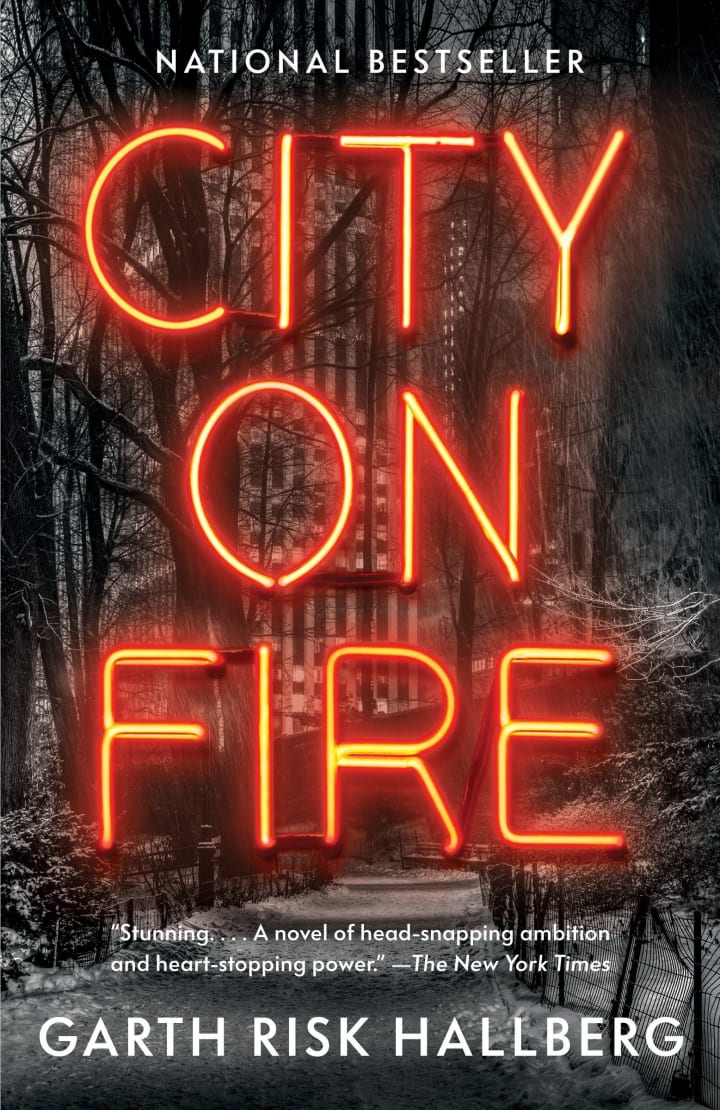
This was a big book so I made sure I read it at home instead of taking it about because it was too heavy. It tells the story of nine people at the brink of the New Year in 1976/77 and how their lives are changed by their interlinking lifestyles and clashing personalities. The break-ups, the hard times and the rushes of blood to the head are all so closely knit in the book that it's sometimes a little difficult to follow as it keeps jumping from one person's life to the next. My personal favourite character was Mercer, he seemed the most in-tune with emotion and the outside world. When William gets up and leaves him on Christmas Day, Mercer also accidentally stumbles across a dead body and yells for help. On the whole, he is the one I believe has the most character development.
173. In a Lonely Place by Dorothy B Hughes
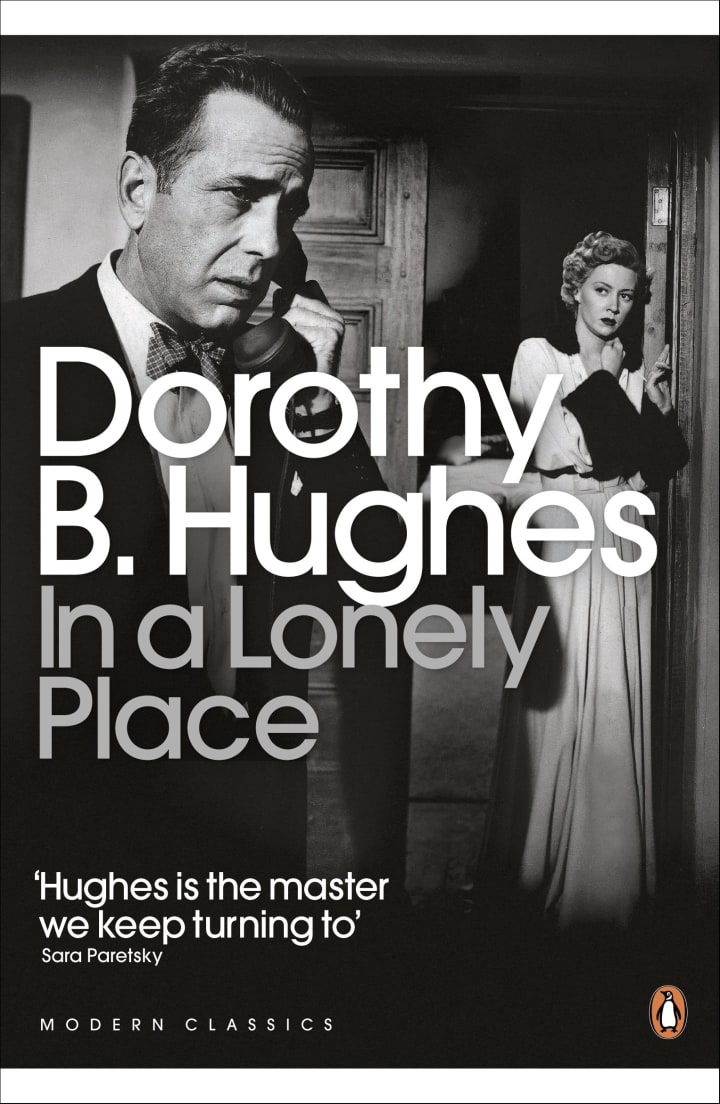
I'm not going to lie, I've already seen the film with Humphrey Bogart. But in the film everything seemed very matter-of-fact and not really like the book that much. In the book, you really don't see it coming and when you hit the ending, there's just this one line that brings the whole world of the book crashing down upon you and you realise that in fact, you've been reading the ending the whole time and there were clues all along. At the end of the book, it forces you to go right back to the beginning to see what you missed and in fact, you didn't really miss anything - you just didn't pick it up. The language is so clever - if you haven't seen the film then you won't see the ending coming at all.
174. Religio Medici by Sir Thomas Browne
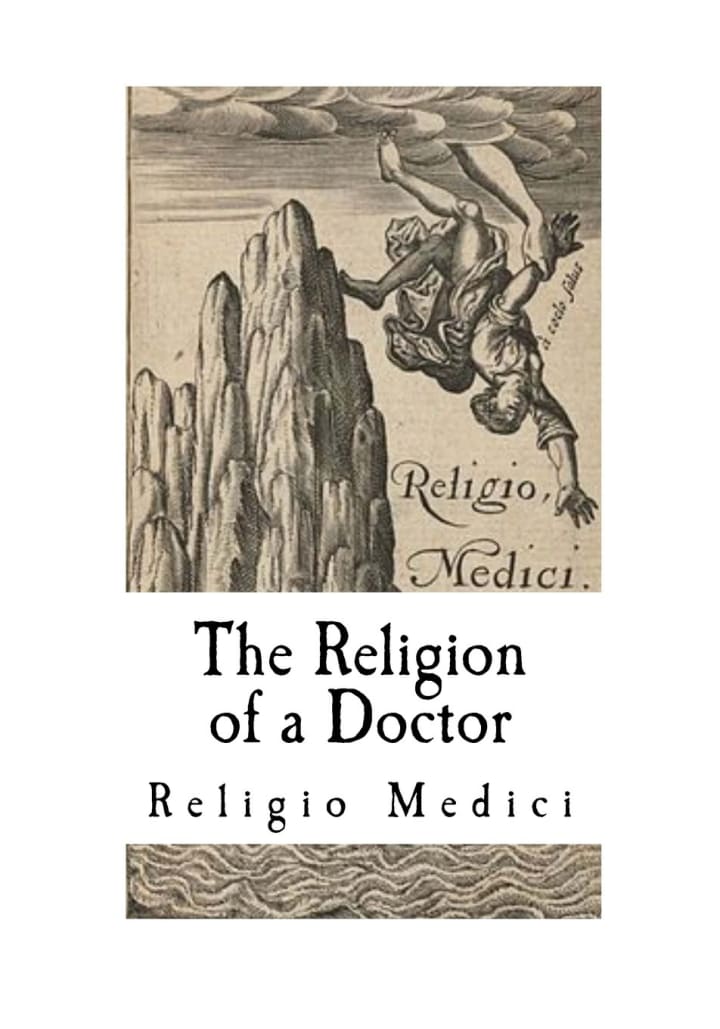
I picked this book up on eBay for only a few pounds but then found out that the book itself was very old. In fact, someone had been passing it around since 1965 and the publication date says 1906. Anyways, the book is about Christian Morals and how this person argues for Christianity. It is a bit heavy on the language, I thought and well, the way in which it is written makes it very difficult to understand if you haven't studied Christianity (which I fortunately have!). However, it is not impossible and has its plus points that you will learn a bunch of new Christian material by the time you're finished. Called "The Religion of a Doctor" it mainly tends to attribute this man's belief in religion and being a doctor to his faithfulness in God and his willing to learn - showing that science and religion can work together.
175. Blindness by Jose Saramago
I've read this one a few times and every time I read it, it gets better and better. The emotions when the man goes blind in the middle of the road whilst at a red light are so overwhelming and then he has to explain it to his wife. There are so many emotions and descriptions in this book that I always feel a little overworked after reading it. It seems like the entire world of the book revolves around the sensory experiences of these characters. I read this once whilst at school, then again in university and then again only last year. The reading experience seems to get better with age.
176. Strangers on a Train by Patricia Highsmith
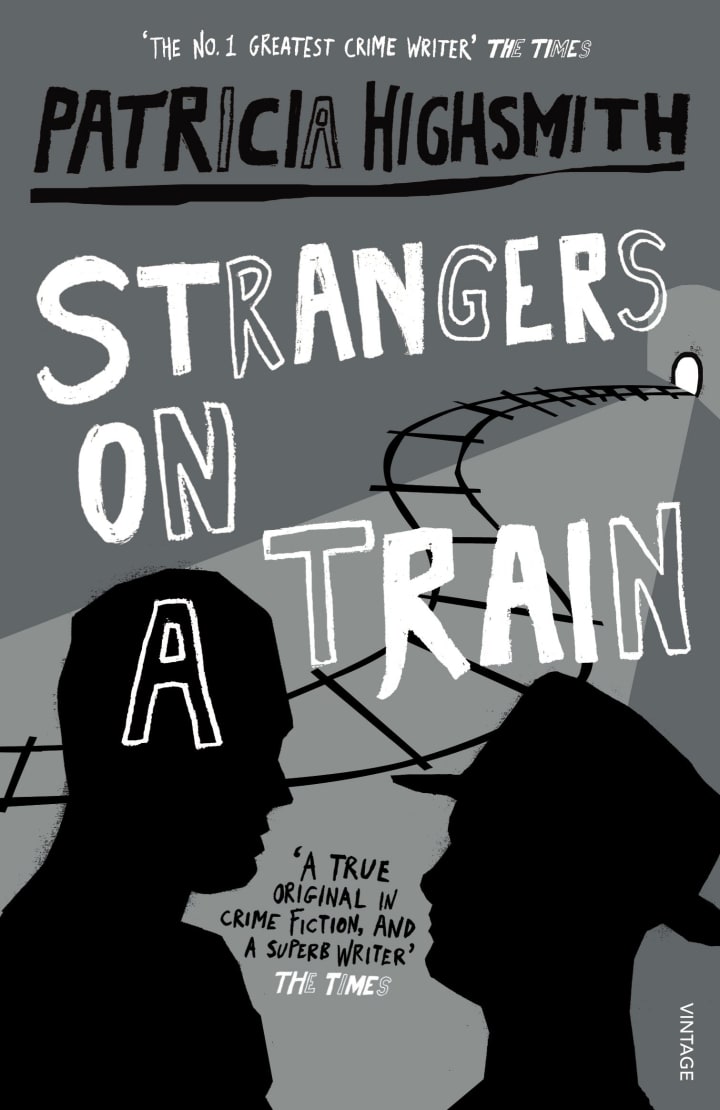
Okay, it's not illegal to see the film before you read the book but I do think that the book and movie give slightly different atmospheres. First of all, the movie gives this constant tension - which is key of any Hitchcockian Film. But in the book, you've got this paranoia that ensues from the very beginning with the description of the train rumbling all the way to the end. The book, I think, is ever so slightly darker than the film. In the book, there's more to imagine and more to suspect whereas in the film there is more to see and more to reflect on. The film has its good points as it is one of my favourite Hitchcock films ever, but the book is an intense experience of madness, it is a dark and chaotic play on the mind. Much like her book The Talented Mr. Ripley Patricia Highsmith shows us what modern noir is really about.
177. The Cross of Redemption: Uncollected Writings by James Baldwin
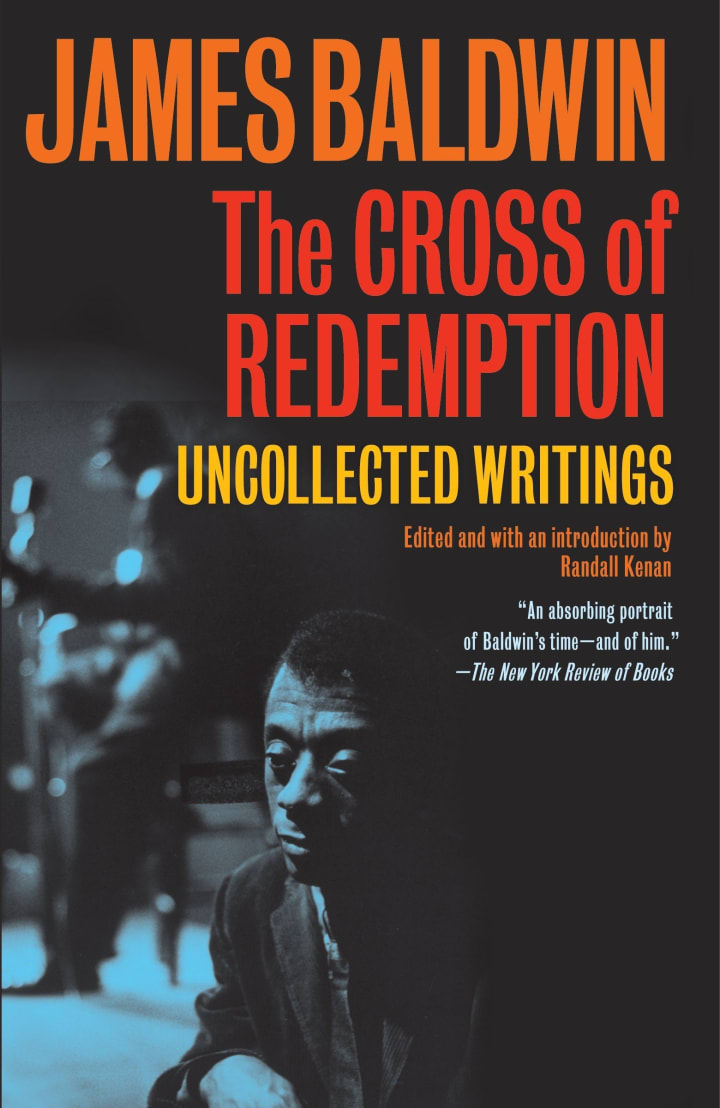
If you know me then you'll also know that James Baldwin is one of my favourite people in the entire universe. An activist, a thinker, an artist, a writer, a columnist, a philosopher, a critic and also a public speaker - James Baldwin is not only one of my favourite people of all time, I also believe he's one of the most intelligent and articulate people to ever live. In this book of uncollected writings, we get unlimited access to James Baldwin's personal thoughts, letters, lectures, speeches etc. and see exactly how he harnessed the great power of language to articulate his struggles as a homosexual black man in race-divided America. Baldwin is a great example of one of the world's greatest thinkers and I think this book can really speak for itself when saying that.
178. Meetings with Remarkable Men by GI Gurdjieff
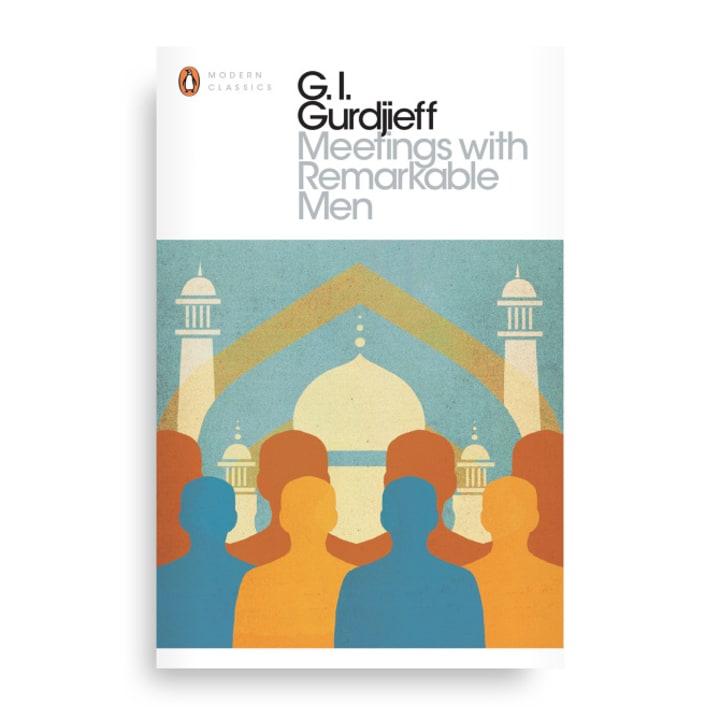
I thought I wasn't going to enjoy this book and so I put it off, buying it on the Kindle Store because it was cheaper. However, I got quite into the book. There's a number of men who seemed very interesting to me - such as the narrator's father and his first tutor. His adventures in Egypt with one man really engrossed me. I felt like it was a proper autobiography of a man who was shaped by those around him. With the themes of travel and religion, I found it so interesting even though some chapters were better than others. I highly recommend this to anyone looking to read autobiography because you may just be pleasantly surprised.
179. The Man of Feeling by Javier Marias
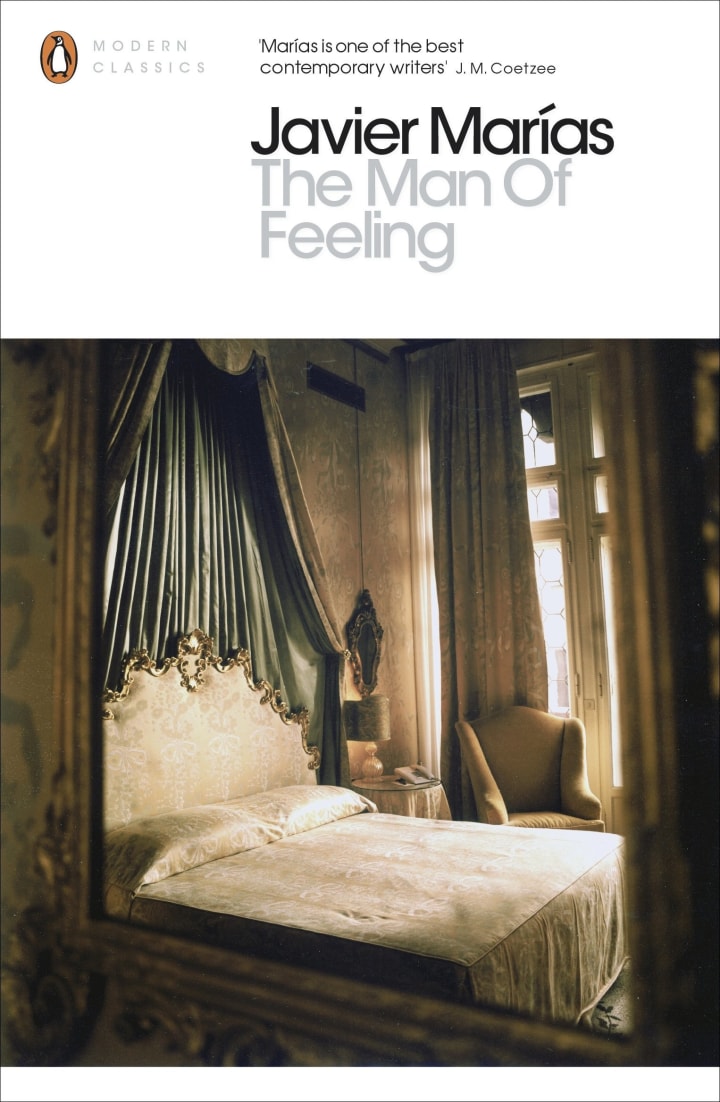
Oh don't look so shocked at yet another Javier Marias novel. I love reading Javier Marias whenever I can - between him and Stefan Zweig, I think they both have a special inclination for grief and major emotional breakdowns of character that few other writers possess (maybe Isabel Allende, Margaret Mitchell and Colleen McCullough possess this quality in their writing as well). But few people talk about dreams, the night and sleeplessness better than Javier Marias. His characters are always thoroughly philosophical, existential and often lost in some distant reparation of themselves. This book goes without saying, from the first page on dreams and how to articulate them, you will be hooked. His use of language is spectacular.
180. Numbers in the Dark and Other Stories by Italo Calvino
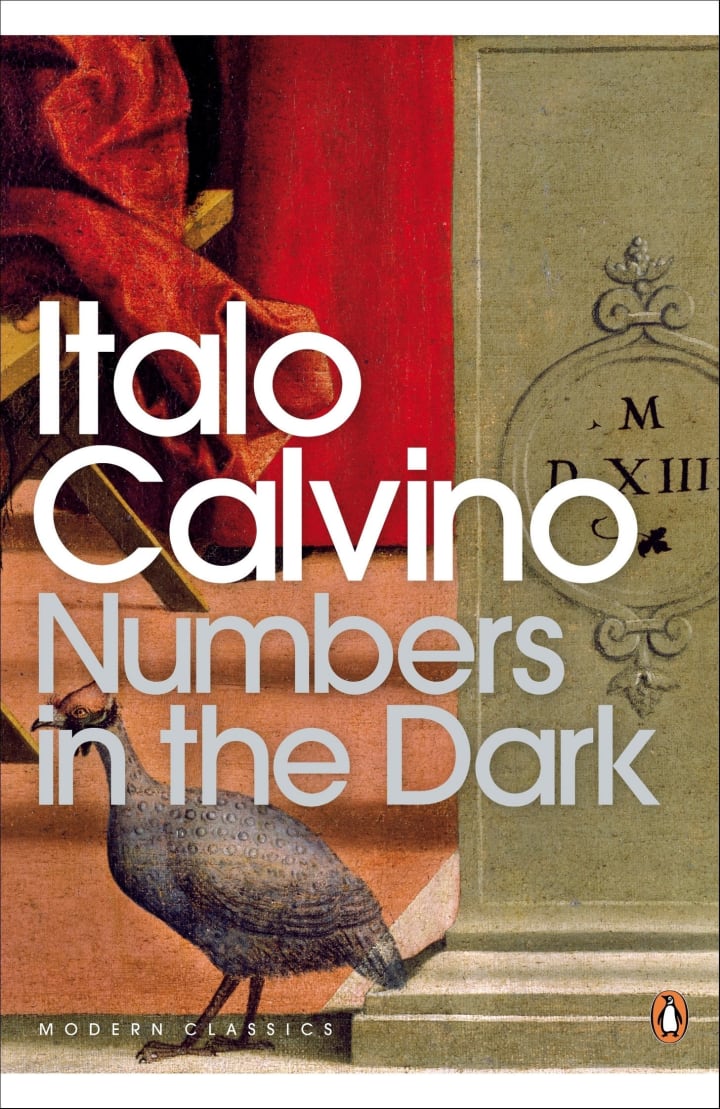
Italo Calvino's writing has always confused me. So between these stories which are concise as they are complex, you can imagine what has been going through my mind. Stories about the outbreak of war, stories about someone's shoe laces being undone and how that relates to Noah and the Ark and even stories about shouting people's names until your lungs give in. For some reason, there is something incredibly visual about Italo Calvino's short stories, something you don't really pick up on that much when you read his novels. Yes, it is there - but in his short stories it seems to be the main point of it. I loved this book so much because it baffled me - I don't think I've ever read a set of short stories like it since I read Truman Capote's Complete Short Stories.
About the Creator
Annie Kapur
I am:
🙋🏽♀️ Annie
📚 Avid Reader
📝 Reviewer and Commentator
🎓 Post-Grad Millennial (M.A)
***
I have:
📖 280K+ reads on Vocal
🫶🏼 Love for reading & research
🦋/X @AnnieWithBooks
***
🏡 UK
Keep reading
More stories from Annie Kapur and writers in Geeks and other communities.
A Filmmaker's Guide to 100 Things You Should Know About "The Godfather" (1972)
On the 15th of March, 1972, the world of cinema would change forever at one of the most anticipated premieres in cinema history. "The Godfather" was premiered on this day in 1972 and became one of the most beloved films in cinema history with some people citing it as the greatest film ever made. It is on my own older brother's list of favourite movies and I myself have watched it countless times over the past 10-15 years. There is no doubt about the fact that it was a landmark in cinema history not only through its technique, its story and its ability to create atmosphere - but also through the stellar cast of Marlon Brando, Al Pacino, James Caan, Diane Keaton, Robert Duvall, Talia Shire and many more. It truly is one of the great moments in cinema history that is still remembered today by many who were there at the time it was released. Today, as of 2020, we celebrate the movie's 48th anniversary.
By Annie Kapur6 years ago in Geeks
Silver Screen Magic with Mae West
American actress and singer Mae West became a popular film actress during the Great Depression. She started entertaining in vaudeville, then performed on Broadway, and finally went to Hollywood. She signed up with Paramount Pictures and made her debut in the 1932 film “Night After Night.” She also starred in musicals, comedies, and crime dramas. The American Film Institute named her one of the best classic Hollywood actresses.
By Rasma Raisters6 days ago in Geeks
Grant Gustin's Chances Of Returning As The DC Universe's Flash Have Just Increased After New Update
The Flash has yet to be cast for the new DC Universe, and after a new update, the rumors of Grant Gustin's return as Barry Allen in the new franchise have gained strength once again. Gustin made history by playing Barry for The Flash's nine seasons. The actor also starred in multiple Arrowverse crossovers, becoming one of the franchise's fan-favorites.
By Dena Falken Esq4 days ago in Geeks
Ludacris and Nelly draw backlash over bookings at MAGA-coded music festival
Ludacris and Nelly headlining a mostly right-wing event is good for them. It’s also great for the genre of hip hop. The two rap veterans have showcased their talents on other stages. Why can’t they perform for mostly MAGA folks and grab that bag?
By Skyler Saunders5 days ago in Beat


Comments
There are no comments for this story
Be the first to respond and start the conversation.