
THE ROLE OF SPONSORS AND CORPORATIONS IN SHAPING THE OLYMPICS
Influence of Sponsors and Corporation on the Evolution of the Olympic Games.

The Olympic Games, one of the world’s most celebrated sporting events, have long been a platform for showcasing athletic prowess and fostering international unity. Behind the scenes, however, the event is also a major commercial enterprise, heavily influenced by the roles of sponsors and corporations. These entities contribute significantly to the success of the Olympics, shaping its structure, reach, and impact. This article explores the multifaceted role of sponsors and corporations in shaping the Olympics, highlighting their contributions, influences, and potential drawbacks.
Financial Backbone of the Olympics
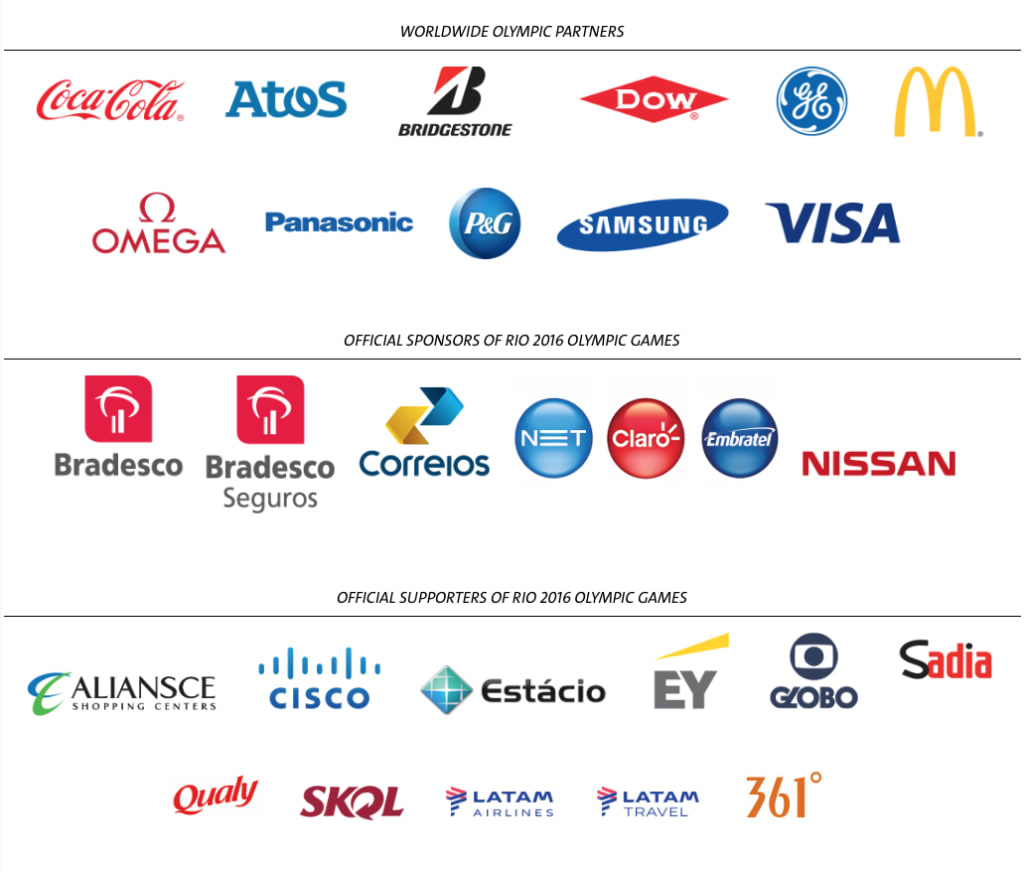
The sheer scale of the Olympics demands enormous financial resources. Sponsors and corporations serve as the financial backbone of the Games, providing critical funding for event organization, infrastructure development, and athlete support. The International Olympic Committee (IOC) relies heavily on revenue from corporate sponsorships, broadcasting rights, and merchandising. For instance, the Olympic Partner (TOP) program, comprising a select group of multinational corporations, generates billions of dollars in revenue for the IOC. These funds are essential for covering the logistical complexities of hosting the Games and ensuring their global reach.
Enhancing Global Reach and Popularity
Sponsors and corporations play a pivotal role in enhancing the global reach and popularity of the Olympics. By leveraging their marketing expertise and vast networks, they amplify the visibility of the event through extensive advertising campaigns, social media engagement, and innovative technologies. Brands like Coca-Cola, Samsung, and Visa create engaging promotional content that captivates audiences worldwide, turning the Olympics into a global spectacle. This heightened visibility not only benefits the sponsors but also helps the IOC achieve its goal of promoting the Olympic values of excellence, friendship, and respect.
Supporting Athletes and Teams
Corporate sponsorship extends beyond the Games themselves to support athletes and national teams. Many companies provide financial aid, training resources, and endorsement deals that enable athletes to focus on their performance. For example, companies like Nike and Adidas sponsor individual athletes, supplying them with state-of-the-art equipment and financial incentives. This support is particularly vital for athletes from underfunded sports or nations, ensuring a more level playing field at the Olympics.
Driving Innovation
The involvement of corporations often leads to technological and operational innovations that enhance the Olympic experience. From advanced broadcasting techniques to cutting-edge sports equipment, corporate partnerships introduce innovations that elevate the Games’ quality. For instance, Panasonic’s contributions to audiovisual technology and Intel’s use of drones and virtual reality have revolutionized how audiences experience the Olympics. These innovations not only benefit the Games but also set new standards for future sporting events.
Influence on Hosting Decisions and Branding
Corporations significantly influence decisions related to hosting and branding the Olympics. Host cities often align their bids with the interests of potential sponsors to secure funding and support. This alignment can shape the branding of the Games, with corporate logos and slogans prominently featured in venues, advertisements, and broadcasts. While this enhances brand visibility, it also raises questions about the commercialization of a traditionally non-commercial event.
Potential Drawbacks and Controversies
Despite their contributions, the role of sponsors and corporations in the Olympics is not without controversy. Critics argue that excessive commercialization can overshadow the Games’ core values and traditions. The dominance of major sponsors sometimes sidelines smaller, local businesses, limiting their participation in the event. Furthermore, ethical concerns arise when sponsors with questionable practices or products associate themselves with the Olympics, potentially tarnishing its reputation.
Another significant issue is the disproportionate focus on marketable sports and athletes. Sponsors often prioritize sports with higher viewership and commercial appeal, leading to unequal distribution of resources among disciplines. This bias can undermine the spirit of inclusivity and diversity that the Olympics strive to uphold.
Balancing Commercial Interests with Olympic Values
To address these challenges, the IOC must strike a balance between leveraging corporate support and preserving the integrity of the Games. Transparency in sponsorship deals, ethical vetting of sponsors, and equitable resource allocation are essential measures. Additionally, promoting the involvement of smaller, local businesses can ensure broader community participation and economic benefits.
In The End
Sponsors and corporations undeniably play a crucial role in shaping the Olympics. Their financial contributions, marketing expertise, and innovations have transformed the Games into a global phenomenon, reaching audiences across the world and inspiring generations of athletes. However, their influence must be carefully managed to maintain the Olympic spirit and values. By fostering ethical partnerships and ensuring inclusivity, the IOC can harness the power of corporate sponsorship while preserving the essence of the Olympics as a celebration of human achievement and unity.
About the Creator
Badhan Sen
Myself Badhan, I am a professional writer.I like to share some stories with my friends.
Keep reading
More stories from Badhan Sen and writers in Gamers and other communities.
THE QUESTION OF COMMERCIALIZATION VS. AMATEURISM IN THE OLYMPICS
The Olympics have long been hailed as the pinnacle of human athletic achievement, bringing together nations and athletes from around the world in a celebration of sportsmanship, unity, and competition. Yet, beneath this noble ideal lies a persistent tension: the question of commercialization versus amateurism. This debate is not new, but its implications have evolved over time, especially as the modern Olympics have grown into a Global spectacle.
By Badhan Senabout a year ago in Gamers
Silver Screen Magic with Mae West
American actress and singer Mae West became a popular film actress during the Great Depression. She started entertaining in vaudeville, then performed on Broadway, and finally went to Hollywood. She signed up with Paramount Pictures and made her debut in the 1932 film “Night After Night.” She also starred in musicals, comedies, and crime dramas. The American Film Institute named her one of the best classic Hollywood actresses.
By Rasma Raisters6 days ago in Geeks



Comments
There are no comments for this story
Be the first to respond and start the conversation.