
THE QUESTION OF COMMERCIALIZATION VS. AMATEURISM IN THE OLYMPICS
The Tension Between Profit and Pure Competition in the Olympic Movement.

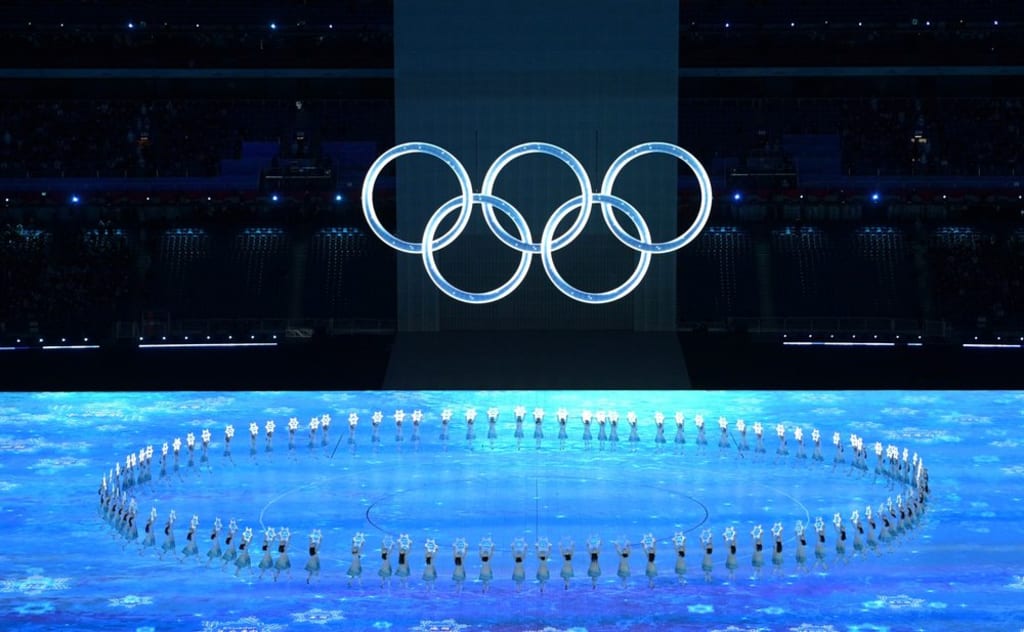
The Olympics have long been hailed as the pinnacle of human athletic achievement, bringing together nations and athletes from around the world in a celebration of sportsmanship, unity, and competition. Yet, beneath this noble ideal lies a persistent tension: the question of commercialization versus amateurism. This debate is not new, but its implications have evolved over time, especially as the modern Olympics have grown into a Global spectacle.
(I)The Historical Context of Amateurism
When Pierre de Coubertin revived the modern Olympics in 1896, the Games were rooted in the ideals of amateurism. Influenced by the values of the British aristocracy and ancient Greek traditions, amateurism was seen as a way to preserve the purity of sport. Athletes were expected to compete for the love of the game rather than monetary reward, embodying virtues of fairness and honor.
However, this romanticized notion of amateurism often excluded those from working-class backgrounds who could not afford to compete without financial support. The strict adherence to amateur rules also led to inconsistencies, with some athletes covertly receiving compensation while others were disqualified for minor infractions. Over time, the cracks in the amateurism model became increasingly apparent, prompting calls for reform.
(II)The Rise of Commercialization
The commercialization of the Olympics began in earnest during the mid-20th century. The 1984 Los Angeles Games marked a turning point, as they were the first Olympics to rely heavily on corporate sponsorship and television rights to achieve financial success. This model proved lucrative, transforming the Games into a multibillion-dollar enterprise.
Today, the International Olympic Committee (IOC) secures vast sums from broadcasting deals, sponsorships, and merchandising. Corporate logos are ubiquitous, and athletes often sign lucrative endorsement deals, blurring the line between sport and business. This commercialization has helped fund the expansion of the Games, ensuring state-of-the-art facilities, advanced training programs, and global outreach initiatives.
Yet, commercialization has also attracted criticism. Critics argue that the influx of money prioritizes profit over the original spirit of the Olympics. Host cities often incur massive debts to build infrastructure, and the focus on high-profile sponsors can overshadow lesser-known sports and athletes. Moreover, the emphasis on commercial viability can sometimes lead to decisions that compromise the integrity of competition, such as the selection of host cities based on political or financial considerations rather than merit.
(III)Balancing Amateurism and Professionalism
The evolution of the Olympics has also seen a shift in attitudes toward professionalism. Many athletes today are full-time professionals who dedicate their lives to their sport. This shift has been particularly evident since the 1992 Barcelona Games, where the "Dream Team" of professional basketball players from the United States competed, marking the end of strict amateurism in many disciplines.
Proponents of professionalism argue that it levels the playing field, allowing the best athletes to compete regardless of their financial background. It also reflects the realities of modern sport, where elite performance often requires significant investment in coaching, equipment, and training facilities.
However, some purists lament the loss of amateur ideals, viewing professionalism as a departure from the Olympic ethos. They argue that the increasing reliance on corporate sponsorships and endorsements risks turning athletes into commodities and detracts from the spirit of fair play and mutual respect.
(IV)The Role of the IOC
The IOC plays a crucial role in navigating the delicate balance between commercialization and amateurism. It has introduced measures to regulate sponsorships, protect athletes' rights, and ensure the Games remain accessible to a diverse range of participants. Initiatives such as the Olympic Solidarity program provide funding and support to athletes from underrepresented nations, helping to uphold the inclusive spirit of the Games.
However, the IOC itself is not immune to criticism. Allegations of corruption, opaque decision-making, and prioritization of financial interests have sometimes undermined its credibility. For the Olympics to truly embody their ideals, the IOC must strive for greater transparency and accountability while maintaining a commitment to the core values of the movement.
(V)Looking Ahead
The question of commercialization versus amateurism is unlikely to be resolved definitively, as it reflects broader societal tensions between tradition and modernity, idealism and pragmatism. However, the continued success of the Olympics depends on finding a sustainable balance.
Athletes, organizers, sponsors, and fans all have a role to play in shaping the future of the Games. By celebrating the achievements of both professional and amateur athletes, promoting fair competition, and prioritizing inclusivity and accessibility, the Olympics can remain a beacon of hope and inspiration for generations to come.
Ultimately, the true essence of the Olympics lies not in the medals won or the revenues generated but in the values they represent: excellence, friendship, and respect. By staying true to these principles, the Games can continue to unite the world in a shared celebration of humanity's potential.
About the Creator
Badhan Sen
Myself Badhan, I am a professional writer.I like to share some stories with my friends.
Keep reading
More stories from Badhan Sen and writers in Gamers and other communities.
THE CHALLENGES FACED BY OLYMPIC ATHLETES WITH DISABILITIES
The Olympic Games and their counterpart, the Paralympic Games, represent the pinnacle of athletic achievement and perseverance. However, for athletes with disabilities, the path to competing at these elite levels is fraught with unique challenges that extend beyond the physical demands of their respective sports. These challenges include societal attitudes, financial constraints, accessibility issues, and the struggle for equality and recognition.
By Badhan Senabout a year ago in Gamers
Here Again
I know I have been teasing about coming back to content creation and just before, I either get sucked into work or life gets the best of me. 2025 was quite a year and I feel that resonates with everyone. At the begining of the year I got a new vehicle only to lose it about halfway through the year due to an accident. Thankfully no one was injured, and the worst damage done was to my vehicle and my wallet. But I also got a promotion at work, and although it has come with it's challenges I am still powering through it. I also recently lost my mother towards the end of the year and dealt with the emotions that come along with that. So although 2025 was quite rough and I had to really step away and see what was important to me, I believe I have found my way and will be coming back with more content and a new sense of direction. I wanted to create a community where gamers could come together no matter what we played on and honestly there are quite a few ways to complete that goal. I will be streaming four days a week, mostly solo games, and once I complete the story line on Where Winds Meet than that will be the community game as it is not only cross play across systems, but also cross save. I will also introduce PalWorld at some point. For the moment I will be completing out three solo games a week. I will be streaming on Twitch and when able I will upload the video to my Youtube channel. With my schedule, I will only be streaming every other week so as to not burn myself out creativetly. I will also be writing out game reviews as well as game walk throughs on here that will be written through experience of playing. I am also going to use every chance I get to remind people to return to our roots as communities and through these tough times to be a little kinder to one another. I will not entertain or put up with mindless unkindness in my community and those that attempt to do so will not have access to the community that is being built. On that note, I will not turn anyone away that is looking for a helping hand, as I am still growing I am not able to help out financially but I can provide a safe space on Discord and offer a place to play games. I play more than just I will be showcasing on Twitch, and when I am online I am almost always available and up for a game with friends. I have found that since being back in contact with some old friends of mine that I really do wish to come back into the scene and work towards my original goal of working from home. Do not get me wrong, I enjoy what I do for my personal career and I am actually quite fulfilled and rewarded at work. I do see myself being at my "day" job for a good while yet, as soon I wish to start into learning a new field this year. Two of them to be exact, between cyber security and nursing, I wish to further my education so as to further reach my goals. So I appreciate every view, read, comment, and share across my socials. So to wrap things up on this one, every other week I will be streaming on Twitch on Sunday, Monday, Wednesday and Saturday. I look forward to hearing from all of you as well as playing games together!
By Will Besaw4 days ago in Gamers
The Devil's Cut
“Comrade, finally you’re awake.” The voice was smooth, sensual. A flickering incandescent bar was all that lit the white, sterile room. All Vladimir remembered was everything going black. He tried to move his arms and found them strapped to the gurney.
By Matthew J. Fromm4 days ago in Fiction


Comments
There are no comments for this story
Be the first to respond and start the conversation.