
The Gaming Revolution
How Video Games Shape Modern Culture

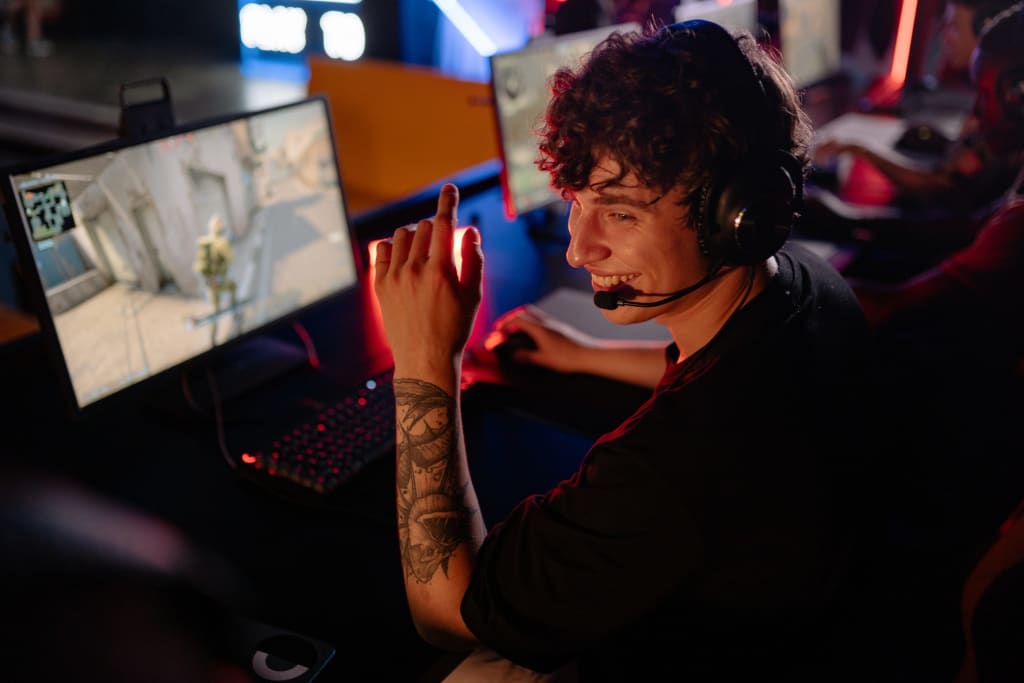
Video games have evolved from simple pixelated distractions into a global cultural phenomenon. They are more than just a form of entertainment; they are shaping modern culture in profound and transformative ways. This article explores the multifaceted impact of video games on society, highlighting their influence on social interactions, education, technology, and the broader cultural landscape.
A Social Fabric Woven with Gaming
One of the most significant ways video games shape modern culture is through social interaction. Online multiplayer games and gaming communities have created spaces where people from diverse backgrounds can connect, collaborate, and compete. Platforms like Discord, Twitch, and YouTube Gaming have further expanded these communities, turning gaming into a social experience that transcends geographical boundaries.
Games like "Fortnite," "Minecraft," and "Among Us" have become cultural touchstones, fostering a sense of community and shared experience. These games provide a platform for players to communicate, strategize, and build relationships. They have also given rise to a new form of social currency, where in-game achievements and virtual items hold significant value within these communities.
Education and Cognitive Benefits
Beyond social interaction, video games have made substantial contributions to education and cognitive development. Educational games, often referred to as "edutainment," combine learning with play, making complex subjects more engaging and accessible. Games like "Math Blaster," "Oregon Trail," and "Minecraft: Education Edition" have been used as educational tools to teach everything from mathematics and history to problem-solving and creativity.
Research has shown that playing video games can improve cognitive skills such as spatial awareness, multitasking, and problem-solving. For example, puzzle games and strategy games challenge players to think critically and develop effective strategies, honing their cognitive abilities in the process. This cognitive engagement can translate into real-world skills, benefiting players in academic and professional settings.
Technological Advancements
The gaming industry has been a driving force behind many technological advancements. The demand for more immersive and visually stunning games has pushed the boundaries of graphics, processing power, and virtual reality (VR) technology. Innovations such as real-time ray tracing, advanced AI algorithms, and haptic feedback have not only enhanced gaming experiences but have also found applications in other fields, including film, architecture, and medical simulations.
Virtual reality and augmented reality (AR) technologies, which have been popularized through games like "Beat Saber" and "Pokémon GO," are revolutionizing the way we interact with digital content. These technologies have the potential to transform industries beyond gaming, offering new possibilities for education, training, and entertainment.
Cultural Impact and Representation
Video games are a reflection of contemporary culture and, in turn, shape cultural norms and values. Games often incorporate themes, narratives, and characters that resonate with players' experiences and aspirations. This cultural interplay has led to the inclusion of diverse voices and perspectives in gaming, promoting representation and inclusivity.
Games like "The Last of Us Part II," "Celeste," and "Life is Strange" have been praised for their nuanced storytelling and diverse characters, addressing complex issues such as mental health, gender identity, and social justice. By providing a platform for underrepresented voices, video games contribute to a broader cultural conversation and foster empathy and understanding.
Economic Influence
The economic impact of the gaming industry is undeniable. As one of the fastest-growing sectors in entertainment, the gaming industry generates billions of dollars in revenue annually. Major gaming events like E3 and Gamescom attract global attention, while esports tournaments fill stadiums and draw millions of viewers online.
The rise of esports has transformed competitive gaming into a legitimate career path, with professional players, coaches, and commentators making a living from their passion. Esports organizations and sponsorship deals further highlight the economic significance of gaming, as brands recognize the value of reaching a dedicated and engaged audience.
Conclusion
The gaming revolution is far more than a technological marvel; it is a cultural force that shapes how we interact, learn, and experience the world. From fostering social connections and educational benefits to driving technological innovation and promoting cultural representation, video games have a profound and lasting impact on modern culture. As the gaming industry continues to evolve, its influence will undoubtedly expand, further embedding itself into the fabric of our society.
About the Creator
Sazeeb Chowdury
Passionate writer with a knack for crafting engaging content. Experienced in marketing, mental health, and tech reviews. Always curious, always learning. Let’s connect and create something amazing together!
Keep reading
More stories from Sazeeb Chowdury and writers in Gamers and other communities.
Holiday Happiness
Holidays, regardless of the season, bring a unique kind of joy that transcends the ordinary rhythms of life. Whether it's the warmth of summer vacations, the coziness of winter celebrations, the rejuvenation of spring breaks, or the vibrancy of autumn festivals, each season offers its own brand of happiness. This article explores how to find and embrace joy in every season, turning holidays into cherished memories.
By Sazeeb Chowduryabout a year ago in Humans
I Need to Tell You All About "Poppy Playtime"
Warning: Spoilers ahead! I have been a fan of video game play throughs, specifically horror game play throughs, since I was 16 years old. From the original Five Nights at Freddy's game to Emily Wants to Play to Resident Evil, I was intrigued by the lore of each game's unique story and it was thrilling to watch the stories unfold through a YouTuber's perspective. I've never really been a video-gamer myself, so I chose to live vicariously through those brave and experienced enough to play and beat the games.
By Madison "Maddy" Newton7 days ago in Gamers
Star Wars: TIE Fighter (1994)
So, earlier this year - around the second week or so of January - I reviewed Star Wars: X-Wing. That was my very first flight simulator, and to say I had a hard time with it would be...an understatement. As I said in my review, there was a lot of mucking about to get the thing to run, and even when I'd gotten it running, there were some significant problems.
By Greg Seebregts6 days ago in Gamers




Comments
There are no comments for this story
Be the first to respond and start the conversation.