
The Evolution of Gaming: More Than Just Entertainment
Exploring the Impact of Video Games on Culture and Society
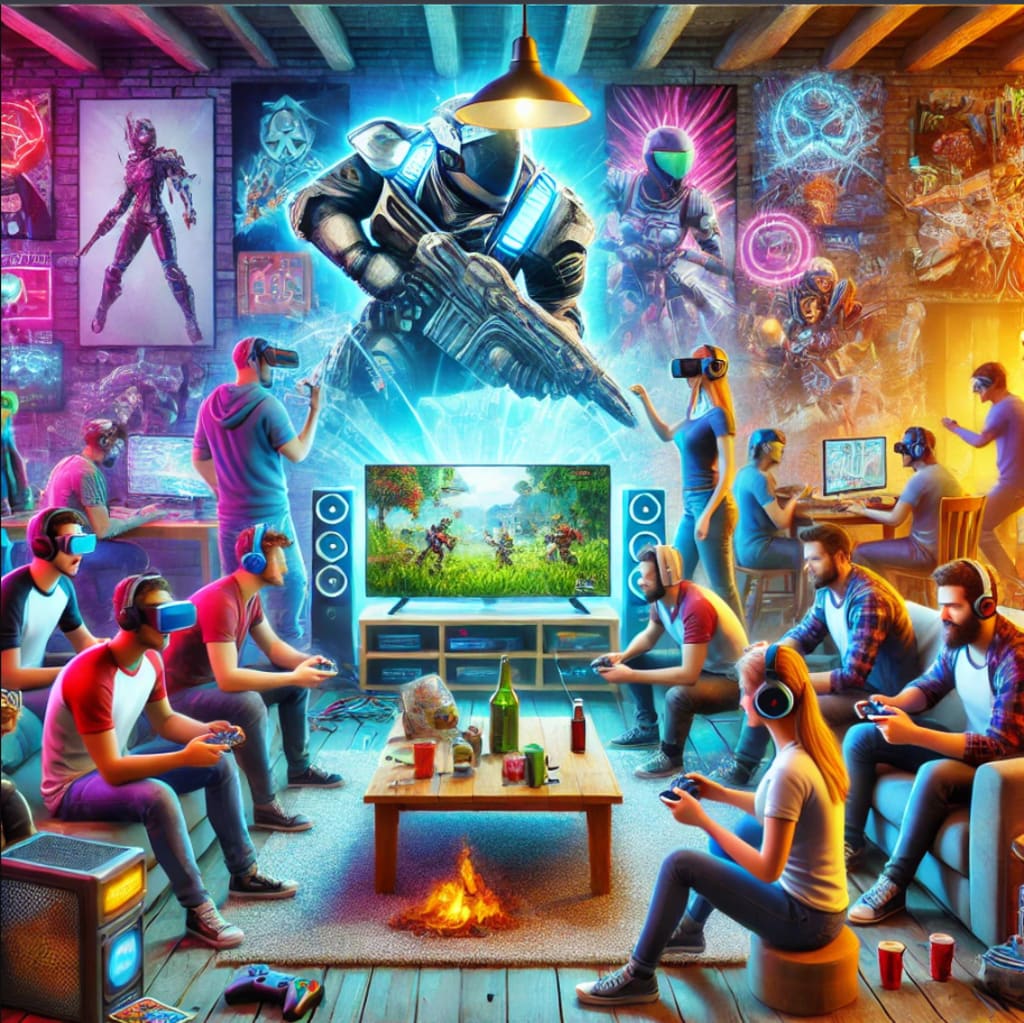
Video games have transformed from simple pixelated distractions into an essential aspect of modern life, captivating millions across the globe. With advancements in technology, gaming has evolved into a form of entertainment that influences culture, shapes economies, and even impacts the mental health of its users. This article delves into the reasons behind gaming's widespread appeal and explores why it is far more than a mere pastime.
1. Gaming as an Art Form and Interactive Entertainment
Gaming stands out as one of the most intricate forms of entertainment available today. It combines stunning graphics, intricate narratives, and challenges that require strategic thinking. Titles such as The Witcher 3, Red Dead Redemption 2, and Horizon Zero Dawn showcase not only engaging gameplay but also rich stories and well-developed characters that draw players into their worlds. The artistry involved in crafting these games rivals that of Hollywood films, with visual storytelling, sound design, and character development contributing to an emotional experience.
This intersection of technology and creativity elevates gaming beyond simple amusement. Players become immersed in diverse universes that evoke genuine emotions, allowing them to explore complex themes, moral dilemmas, and personal growth. The depth of engagement found in gaming can lead to a profound appreciation for the medium as an art form, further solidifying its place in contemporary culture.
2. Positive Effects of Gaming on Cognitive Development
Research has shown that gaming can significantly enhance cognitive abilities, making it a valuable tool for mental development. Various genres of games foster skills such as problem-solving, critical thinking, and spatial awareness. For instance, puzzle games like Portal require players to think creatively and devise strategies to overcome challenges, while strategy games like Civilization encourage players to plan and make decisions under pressure.
Moreover, action-oriented games can enhance hand-eye coordination and reaction times, which are skills that translate effectively into real-world scenarios. Gamers often find themselves adapting to rapidly changing environments, honing their ability to process information quickly and make informed decisions. The cognitive benefits derived from gaming illustrate its potential as an educational resource, particularly for developing essential skills that can aid in both personal and professional contexts.
3. Fostering Social Connections
Contrary to the stereotype of the isolated gamer, many video games actively promote social interaction and community building. Multiplayer games such as Fortnite, Overwatch, and World of Warcraft create spaces where players can collaborate, communicate, and forge friendships. These online communities offer a sense of belonging and can lead to lasting relationships that extend beyond the game.
The social dynamics within gaming communities can also serve as support networks for players. Engaging with others in a shared experience fosters camaraderie and can enhance players' overall well-being. Through teamwork and collaboration, gamers learn important interpersonal skills, such as communication and cooperation, which are invaluable in both their gaming experiences and everyday lives.
4. Mental Health Benefits
Gaming has gained recognition for its potential mental health benefits, providing an escape from the stresses of everyday life. Engaging in a virtual world allows individuals to relax, recharge, and momentarily disconnect from their real-life challenges. Certain games, such as Journey and Celeste, are designed with therapeutic themes in mind, addressing issues related to mental health, self-discovery, and personal growth.
Additionally, gaming fosters resilience and perseverance, encouraging players to tackle challenges and learn from setbacks. By overcoming in-game obstacles, individuals can develop a sense of accomplishment and confidence that positively impacts their real-world mindset. This aspect of gaming can be particularly beneficial for those facing anxiety or depression, as it provides a constructive outlet for emotions and promotes mental well-being.
5. The Future of Gaming
The future of gaming is bright, driven by technological advancements that promise to reshape the landscape. Virtual reality (VR) and augmented reality (AR) are set to create even more immersive experiences, blurring the lines between the digital and physical worlds. With VR, players can step into entirely new environments, while AR overlays digital elements onto the real world, enhancing interaction and engagement.
As artificial intelligence continues to evolve, games will become more responsive and personalized, adapting to individual players’ preferences and playstyles. This increased level of customization will enhance player engagement, making the gaming experience even more captivating. Furthermore, the rise of esports and streaming platforms like Twitch has transformed gaming into a spectator sport, drawing millions of viewers and participants and creating a vibrant community around competitive gaming.
Conclusion
In conclusion, gaming is much more than a way to pass the time; it is a multifaceted medium that offers artistic expression, cognitive development, social interaction, and mental health support. As technology continues to evolve, it’s essential to recognize and appreciate the positive aspects of gaming and its potential to enrich lives in various ways. Whether you're a casual player or a dedicated enthusiast, the world of gaming has something to offer everyone, proving that this dynamic medium is here to stay and will continue to shape our culture for years to come.
About the Creator
Keep reading
More stories from Marius Lungu and writers in Gamers and other communities.
The Rise of Gaming: A Cultural Phenomenon Shaping the Future
In recent years, gaming has emerged as one of the most influential cultural phenomena of our time. Once viewed as a niche hobby for children and tech enthusiasts, it has evolved into a multi-billion dollar industry that captivates audiences of all ages and backgrounds. This article explores the factors contributing to the rise of gaming, its impact on society, and its future prospects.
By Marius Lunguabout a year ago in Gamers
Essential Golf Tips Every Beginner Needs to Improve Their Game
Golf is a rewarding sport that combines skill, patience, and strategy. For beginners, the game can feel challenging because it requires mastering several techniques at once. Many new golfers focus too much on hitting the ball far instead of learning the fundamentals that lead to consistent performance. Improvement comes from developing good habits early, practicing with purpose, and understanding how each part of the game works together. With the right approach and consistent effort, beginners can build confidence and steadily improve their performance on the course.
By Daniel Ladner2 days ago in Gamers
7 Methods to Earn MLB The Show 26 Stubs Fast
In MLB The Show 26, stubs are the in-game currency that players use to purchase packs, cards, and other valuable items. Earning stubs can be challenging, but with the right strategies, you can accumulate them efficiently. Here are seven methods to help you earn stubs quickly without feeling overwhelmed.
By Snow manerabout 19 hours ago in Gamers


Comments
There are no comments for this story
Be the first to respond and start the conversation.