
The Rise of Gaming: A Cultural Phenomenon Shaping the Future
How Gaming Transformed from a Niche Hobby to a Mainstream Entertainment Gian
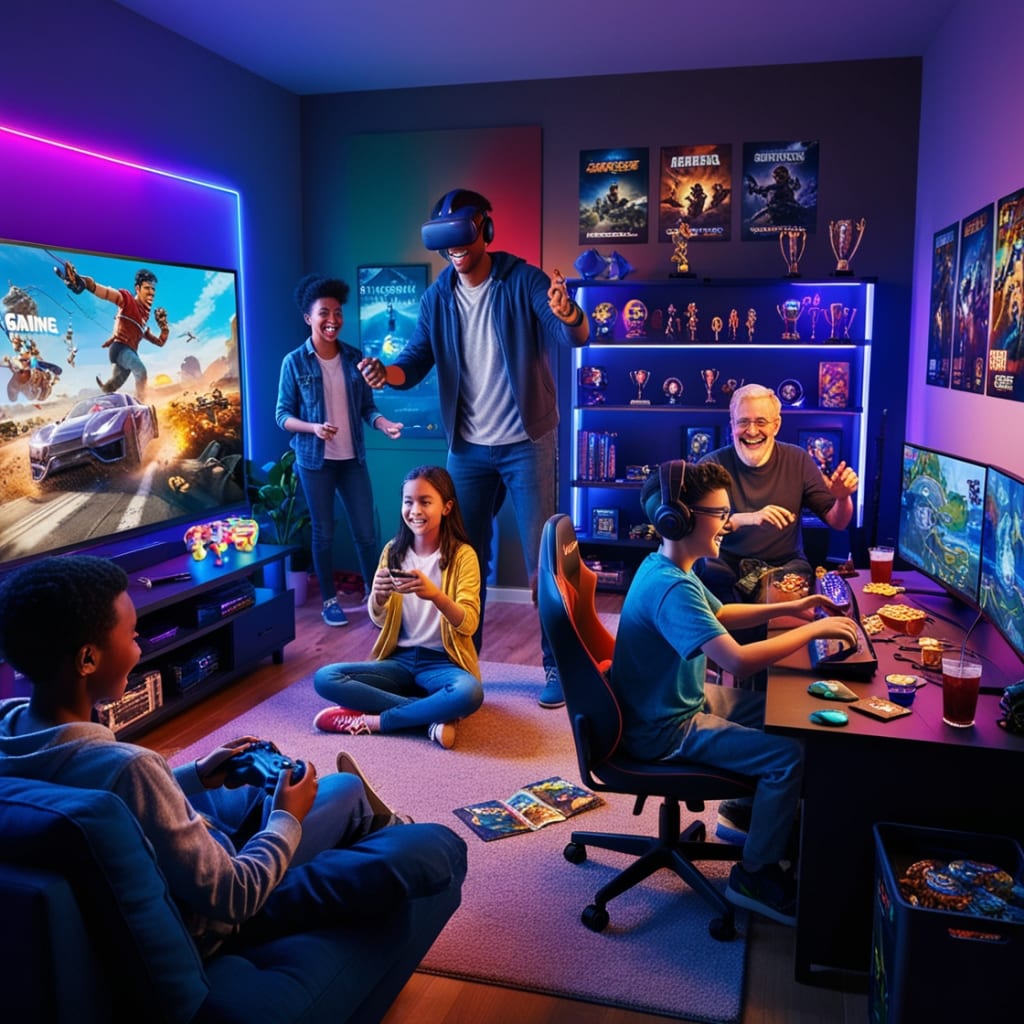
In recent years, gaming has emerged as one of the most influential cultural phenomena of our time. Once viewed as a niche hobby for children and tech enthusiasts, it has evolved into a multi-billion dollar industry that captivates audiences of all ages and backgrounds. This article explores the factors contributing to the rise of gaming, its impact on society, and its future prospects.
The Evolution of Gaming
The journey of gaming began in the early 1970s with the introduction of simple arcade games like Pong and Space Invaders. As technology advanced, so did the complexity and accessibility of video games. The 1980s and 1990s saw the advent of home consoles like the Atari and the Nintendo Entertainment System, which brought gaming into living rooms worldwide. The introduction of 3D graphics and immersive storytelling in the late 1990s and early 2000s, seen in titles like Final Fantasy VII and The Legend of Zelda: Ocarina of Time, further solidified gaming as a legitimate form of entertainment.
Today, gaming encompasses a vast range of genres and platforms, from mobile games to high-end PC and console titles. The rise of the internet has also transformed gaming into a social experience, allowing players to connect with others globally. Online multiplayer games like Fortnite and Call of Duty have not only changed how we play but also how we interact with one another.
The Impact of Gaming on Society
Gaming has a profound impact on society, affecting everything from social interactions to education and mental health. It has become a common ground for people to connect and build friendships, transcending geographical barriers. Esports, a competitive form of gaming, has gained immense popularity, with professional players and teams attracting millions of fans and viewers. Major tournaments fill stadiums and generate millions in revenue, showcasing the potential of gaming as a legitimate sport.
Moreover, gaming has shown promise in educational settings. Many educators recognize the potential of gamification to enhance learning experiences. Games designed to teach problem-solving, critical thinking, and collaboration skills are becoming more prevalent in classrooms. For instance, titles like Minecraft: Education Edition allow students to explore concepts in a creative and engaging way, making learning more interactive and enjoyable.
However, gaming is not without its challenges. Concerns about addiction, exposure to violent content, and the impact on mental health have sparked debates among parents, educators, and policymakers. While many gamers enjoy their hobby responsibly, a small percentage may struggle with excessive gaming, leading to negative consequences in their lives. It's crucial for the gaming community to address these issues and promote healthy gaming habits.
The Future of Gaming
As we look ahead, the future of gaming appears brighter than ever. The advent of virtual reality (VR) and augmented reality (AR) is set to revolutionize the gaming experience. These technologies provide immersive environments that blur the lines between reality and the digital world, offering players unprecedented levels of engagement. Games like Beat Saber and Pokémon GO demonstrate the potential of VR and AR to create interactive experiences that resonate with players on a deeper level.
Moreover, the rise of cloud gaming services, such as Google Stadia and Microsoft xCloud, is changing the landscape of how games are accessed and played. Players no longer need high-end hardware to enjoy the latest titles; instead, they can stream games on various devices, making gaming more accessible to a broader audience. This shift may democratize gaming further, allowing more individuals to participate in the gaming community.
The influence of gaming on popular culture continues to grow. Collaborations between game developers and major brands, as seen in Fortnite's partnership with Marvel and various musicians, showcase how gaming is becoming a central player in the entertainment industry. The rise of gaming influencers and content creators on platforms like Twitch and YouTube has also contributed to this cultural shift, with gamers now commanding significant followings and impacting consumer behavior.
Conclusion
In conclusion, the rise of gaming has transformed it from a niche hobby into a cultural juggernaut that shapes our society in various ways. With its continued evolution and integration into mainstream culture, gaming's influence is set to grow even further. As we navigate this digital landscape, it's essential to embrace the positive aspects of gaming while addressing the challenges it presents. The future of gaming is bright, and its potential to connect, educate, and entertain is limitless. Whether you're a casual player or a dedicated enthusiast, there's no denying that gaming is here to stay, and its impact will continue to resonate for generations to come.
About the Creator
Keep reading
More stories from Marius Lungu and writers in Gamers and other communities.
The Evolution of Gaming: More Than Just Entertainment
Video games have transformed from simple pixelated distractions into an essential aspect of modern life, captivating millions across the globe. With advancements in technology, gaming has evolved into a form of entertainment that influences culture, shapes economies, and even impacts the mental health of its users. This article delves into the reasons behind gaming's widespread appeal and explores why it is far more than a mere pastime.
By Marius Lunguabout a year ago in Gamers
The Rise of Online Gaming Communities: How Players, Creators, and Collaboration Shape Digital Culture
Over the last decade, online gaming has grown far beyond a simple form of entertainment. What once existed as a niche hobby for a small group of enthusiasts has evolved into a vast, interconnected digital culture. Today, online gaming is a global ecosystem that connects players, creators, and communities, all contributing to an environment where interaction, storytelling, and creativity define the experience. Gaming has become more than a pastime—it’s a space where social connections are built, ideas are shared, and digital culture is shaped.
By Hawaiian Malia5 days ago in Gamers
From Battle Royale to a Global Digital Platform
When Fortnite first gained popularity, it was known mainly as a fast-paced battle royale game. Over time, however, Fortnite evolved into something much broader. Today, it functions as a global digital platform that blends gaming, creativity, social interaction, and live entertainment. This shift did not happen through hype or exaggeration, but through steady development and changing player behavior.
By Games Mode Ona day ago in Gamers


Comments (1)
perfect