
THE CONTROVERSIAL ROLE OF RUSSIA IN THE 2014 SOCHI WINTER OLYMPIC
Examining Russia's Influence and Allegation of Misconduct at the 2014 Sochi Winter Olympics.

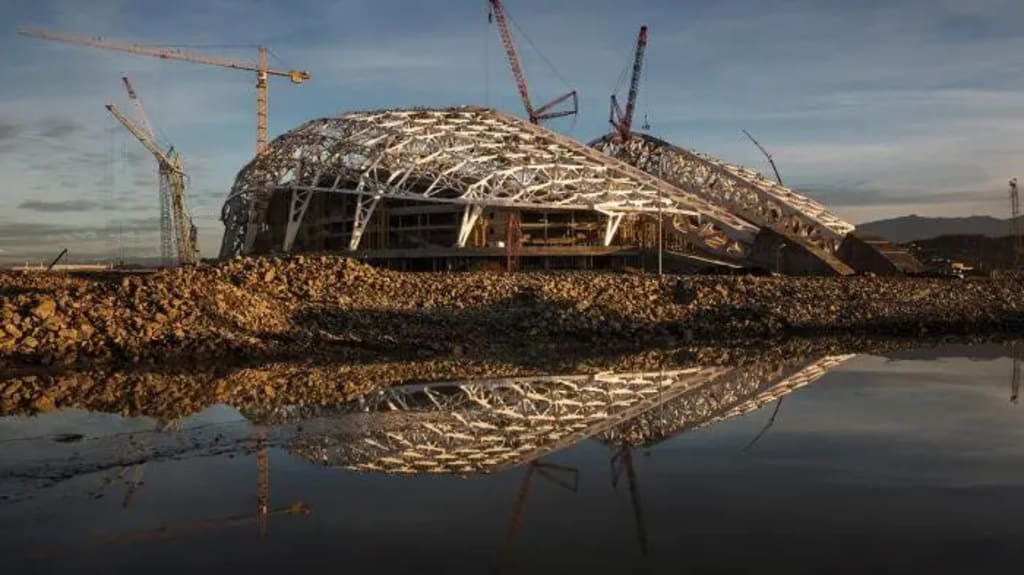
The 2014 Winter Olympics, held in Sochi, Russia, stand as one of the most debated and scrutinized events in Olympic history. While the Games were intended to showcase Russia’s resurgence as a global power and its ability to organize a world-class sporting event, they were overshadowed by controversies surrounding corruption, doping scandals, human rights issues, and geopolitical tensions. These controversies have left a significant impact on the legacy of the Sochi Olympics and Russia’s role in global sports.
(I)Economic Controversies and Allegations of Corruption
The Sochi Olympics became notorious for their exorbitant costs, making them the most expensive Games in history, with an estimated price tag exceeding $50 billion. This figure far surpassed the costs of previous Olympic Games, including the Beijing 2008 Summer Olympics, which cost around $40 billion.
A significant portion of the funds was allocated to infrastructure development, including the construction of new venues, roads, railways, and hotels. While Russia touted this investment as a means to modernize Sochi and transform it into a premier winter sports destination, critics pointed to widespread corruption and inefficiency. Numerous reports suggested that billions of dollars were lost to embezzlement, inflated contracts, and mismanagement.
Russian opposition figures, including Alexei Navalny, alleged that contracts were awarded to companies with close ties to the Kremlin, enabling corruption to thrive. International organizations also criticized the lack of financial transparency in the planning and execution of the Games. These allegations cast a shadow over Russia’s claims of efficiency and success.
(II)Doping Scandals and Russia’s Tarnished Reputation
One of the most significant controversies surrounding the Sochi Olympics emerged after the Games, when evidence of a state-sponsored doping program was uncovered. Investigations revealed that Russia had orchestrated a sophisticated scheme to enhance the performance of its athletes while evading detection.
The doping program, allegedly overseen by Russian sports officials and supported by government agencies, involved tampering with urine samples and replacing them with clean samples. A concealed laboratory within the Olympic Village allowed Russian officials to swap tainted samples for clean ones through a hole in the wall.
The revelations, exposed by whistleblowers such as Grigory Rodchenkov, the former head of Russia’s anti-doping laboratory, led to global outrage. The World Anti-Doping Agency (WADA) launched investigations, which confirmed widespread and systemic cheating. As a result, Russia faced bans from future international competitions, including the 2016 Rio Olympics and the 2018 PyeongChang Winter Olympics. The scandal severely damaged Russia’s reputation in global sports and led to calls for reforms within international anti-doping systems.
(III)Human Rights Issues and the International Backlash
In the lead-up to the Sochi Olympics, Russia faced intense criticism for its human rights record, particularly its laws targeting the LGBTQ+ community. In 2013, Russia enacted legislation banning the “promotion of non-traditional sexual relationships” to minors. The law was widely criticized as discriminatory and sparked international protests, with activists calling for boycotts of the Games.
The Russian government’s treatment of journalists, activists, and opposition voices also drew condemnation. Reports of media censorship, surveillance, and suppression of dissent created an atmosphere of fear and distrust. Human rights organizations accused Russia of prioritizing its international image over fundamental freedoms and human rights.
Additionally, the forced displacement of residents in Sochi to make way for Olympic infrastructure further fueled criticism. Many residents were evicted without adequate compensation, leading to accusations of exploitation and injustice.
(IV)Geopolitical Tensions and the Annexation of Crimea
The Geopolitical context of the Sochi Olympics added another layer of controversy. Just days after the conclusion of the Games, Russia annexed Crimea, a move that triggered a crisis in Ukraine and escalated tensions with Western nations. The annexation overshadowed any goodwill Russia had hoped to generate from hosting the Olympics and drew widespread condemnation from the international community.
The timing of the annexation raised suspicions that the Sochi Games had been used as a public relations strategy to bolster Russia’s image before engaging in aggressive geopolitical actions. The international backlash that followed further isolated Russia and increased scrutiny of its actions on the global stage.
In The End
The 2014 Sochi Winter Olympics were meant to symbolize Russia’s strength, ambition, and resurgence as a global power. Instead, they became a focal point for controversies that exposed deep-seated issues within the country’s political, economic, and sporting systems. Allegations of corruption, the state-sponsored doping scandal, human rights abuses, and geopolitical tensions overshadowed the achievements of the athletes and left a complicated legacy.
While the Games successfully showcased impressive athletic performances and infrastructure development, their legacy is inseparable from the controversies that surrounded them. The Sochi Olympics serve as a reminder of the complex interplay between sports, politics, and power on the Global stage.
About the Creator
Badhan Sen
Myself Badhan, I am a professional writer.I like to share some stories with my friends.
Keep reading
More stories from Badhan Sen and writers in Gamers and other communities.
THE ISSUES SURROUNDING GENDER TESTING IN THE OLYMPICS
The Olympics, as the pinnacle of athletic competition, celebrates physical excellence, discipline, and human potential. However, the question of who qualifies to compete, particularly regarding gender, has been a longstanding and controversial issue. Gender testing in the Olympics has raised significant ethical, scientific, and human rights concerns. Although intended to ensure fair competition, these tests often lead to discrimination, stigma, and personal trauma for athletes, especially women.
By Badhan Senabout a year ago in Gamers
Animal Crossing: New Horizons 3.0 Update Review:
After 1,410 hours across five years and loving this game enough to gift it to multiple friends, I never expected to be writing this review. When Nintendo declared version 2.0 the "final major update" back in November 2021, we all accepted that New Horizons' story was complete. Four years later, here we are with version 3.0, released January 14, 2026, and I have complicated feelings about this surprise resurrection.
By Parsley Rose about 15 hours ago in Gamers
Silver Screen Magic with Mae West
American actress and singer Mae West became a popular film actress during the Great Depression. She started entertaining in vaudeville, then performed on Broadway, and finally went to Hollywood. She signed up with Paramount Pictures and made her debut in the 1932 film “Night After Night.” She also starred in musicals, comedies, and crime dramas. The American Film Institute named her one of the best classic Hollywood actresses.
By Rasma Raisters7 days ago in Geeks



Comments
There are no comments for this story
Be the first to respond and start the conversation.