
THE ISSUES SURROUNDING GENDER TESTING IN THE OLYMPICS
Examining the Controversies and Challenges of Gender Testing in Olympic Sports.

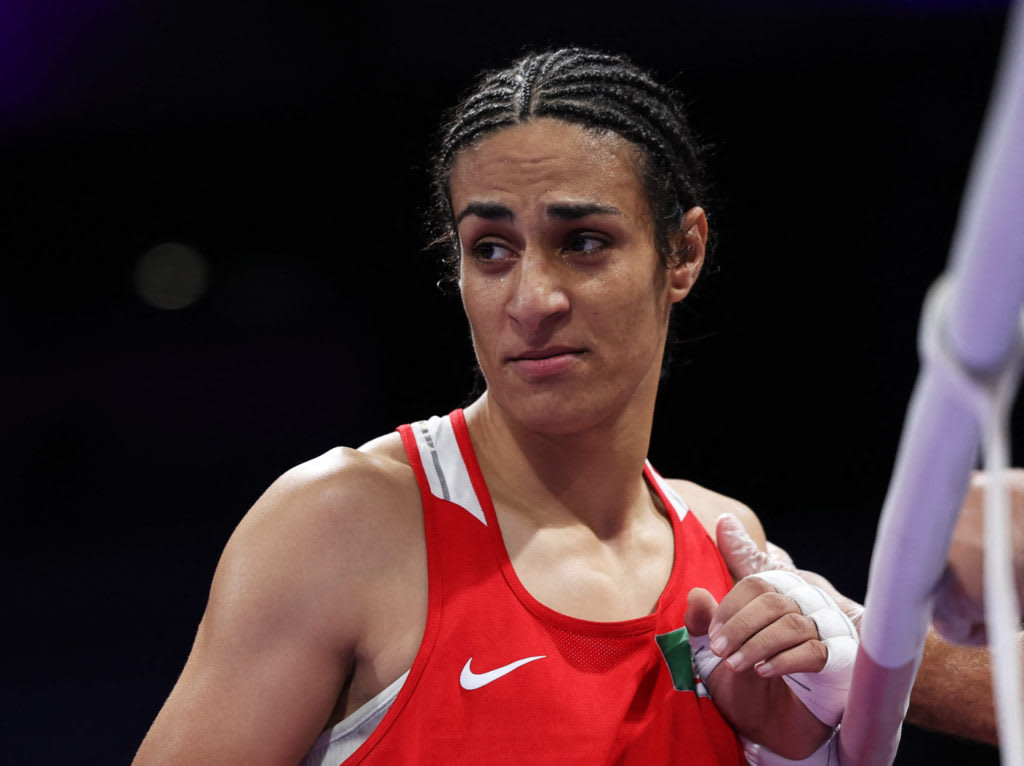
The Olympics, as the pinnacle of athletic competition, celebrates physical excellence, discipline, and human potential. However, the question of who qualifies to compete, particularly regarding gender, has been a longstanding and controversial issue. Gender testing in the Olympics has raised significant ethical, scientific, and human rights concerns. Although intended to ensure fair competition, these tests often lead to discrimination, stigma, and personal trauma for athletes, especially women.
The Origin and Evolution of Gender Testing
Gender testing in sports dates back to the 1960s, when doubts about the gender identity of certain female athletes arose. At the time, tests were introduced to ensure that only biological women competed in women's events. These early procedures included invasive physical examinations, which were both humiliating and degrading. Over time, the methods evolved to include chromosomal testing (to identify XX or XY chromosomes) and later hormone testing, particularly for testosterone levels.
The International Olympic Committee (IOC) and other sports governing bodies justified gender testing under the pretense of maintaining fair competition. Women with naturally high testosterone levels or intersex traits—conditions where biological sex characteristics do not fit typical definitions of male or female—were perceived as having an unfair advantage. However, the complexity of human biology and gender identity soon exposed the flaws of these policies.
Ethical and Scientific Challenges
One of the major criticisms of gender testing is its reliance on oversimplified notions of biology. Gender is not a binary concept strictly defined by chromosomes or hormones. Some women may have XY chromosomes (such as in cases of Androgen Insensitivity Syndrome), while others may naturally produce higher levels of testosterone without any artificial intervention. Relying solely on testosterone levels to determine eligibility overlooks the vast range of natural biological diversity among humans.
Scientific studies have also challenged the assumption that testosterone alone provides a significant competitive advantage. While testosterone can influence muscle growth and endurance, other factors, such as training, nutrition, and genetic predisposition, contribute significantly to athletic performance. Targeting women with naturally high testosterone levels, such as South African runner Caster Semenya, reveals a fundamental misunderstanding of biology and a bias against individuals who do not fit societal norms.
Impact on Athletes
The implementation of gender testing has often had devastating personal and professional consequences for athletes. Being subjected to such tests can be deeply humiliating and invasive, leading to emotional distress and trauma. Athletes like Caster Semenya and Dutee Chand have faced public scrutiny, stigma, and exclusion from competitions due to their natural physical attributes.
For many athletes, gender testing also creates an impossible choice: undergo medical interventions to suppress testosterone levels or abandon their careers. Medical treatments to alter hormone levels can have serious side effects, and forcing athletes to undergo such procedures raises significant ethical concerns about bodily autonomy and informed consent.
The psychological toll of being labeled "not woman enough" can be profound. Gender testing reinforces harmful stereotypes about femininity and often targets women who excel in sports traditionally associated with strength, speed, or endurance. This further marginalizes women from diverse racial, cultural, or socioeconomic backgrounds, as they are disproportionately subjected to scrutiny.
Human Rights and Inclusion
Gender testing has increasingly come under fire from human rights organizations and advocates who argue that it discriminates against women and violates their rights to privacy and dignity. The United Nations Human Rights Council has criticized policies that single out women based on their physical characteristics, calling for the elimination of discriminatory practices in sports.
The debate over gender testing also intersects with broader discussions about gender identity and inclusion. Transgender athletes, for example, face additional barriers to participation, as sports governing bodies grapple with questions about fairness and inclusion. Policies that target athletes based on gender identity or hormone levels risk further excluding marginalized communities and reinforcing systemic inequalities.
Toward a Fairer Future
To address the issues surrounding gender testing, sports organizations must adopt policies that prioritize fairness, inclusion, and human rights. This requires moving away from rigid definitions of gender and embracing a more nuanced understanding of human biology. Scientific research should guide policy decisions, but with the recognition that natural biological diversity is a fundamental part of sports.
Moreover, athletes’ voices must be at the center of these discussions. Ensuring that policies are developed transparently and with input from affected athletes can help mitigate the harm caused by discriminatory practices. Education and awareness are also critical to challenging societal biases and fostering a more inclusive sports culture.
In The End
The issues surrounding gender testing in the Olympics reflect deeper questions about fairness, identity, and human dignity. While the goal of ensuring fair competition is valid, current approaches to gender testing often perpetuate discrimination and harm. Moving forward, sports organizations must balance fairness with respect for the diversity of human biology and identity. By prioritizing inclusion, transparency, and the rights of athletes, the Olympic Games can truly fulfill their mission of celebrating human excellence in all its forms.
About the Creator
Badhan Sen
Myself Badhan, I am a professional writer.I like to share some stories with my friends.
Keep reading
More stories from Badhan Sen and writers in Gamers and other communities.
CONTROVERSY OVER THE 2016 RIO OLYMPICS:POLITICAL AND ECONOMIC STRUGGLES
The 2016 Rio de Janeiro Olympics was meant to be a celebration of global sportsmanship and a showcase of Brazil's growth and ambition. Instead, the Games became a focal point of controversy, reflecting the political, economic, and social turmoil Brazil was experiencing at the time. What should have been a triumphant moment for the country turned into a stark illustration of its struggles, as political corruption, economic recession, and public dissatisfaction cast a shadow over the world's largest sporting event.
By Badhan Senabout a year ago in Gamers
Rise of the Tomb Raider - A Story of Legacy
I've been playing and reviewing the Tomb Raider games for the last couple of years - as I'm sure everyone and their mother has noticed by now. Last time around, we looked at the 2013 reboot. We've got two more chapters to go, and then we've covered all 12 mainline entries.
By Greg Seebregts7 days ago in Gamers
Rsvsr Fallout 76’s Backwoods Update: Bigfoot, Uninvited Guests, and a Wilder Appalachia
Fallout 76 has always been a world of danger and unpredictability. From radiation storms to roaming super mutants, Appalachia is full of surprises—but the “The Backwoods” update (Patch 66) makes the wasteland feel more alive, wild, and deadly than ever.
By Dangyc Ding7 days ago in Gamers


Comments
There are no comments for this story
Be the first to respond and start the conversation.