
Japan vs Mexico: Which Is the Better Open World for Forza?
Forza Horizon 6 Japan Country


Forza Horizon has become one of the most popular open-world racing franchises thanks to its diverse maps, stunning visuals, and dynamic festivals. With Forza Horizon 5 set in Mexico and rumours heavily suggesting that Forza Horizon 6 may take players to Japan, the community constantly debates which location is truly the better fit for an open-world racing experience. Both regions offer unique landscapes, rich cultures, and iconic driving environments, but each delivers something fundamentally different. In this comprehensive comparison, we explore Japan vs Mexico in terms of map diversity, driving style, street racing culture, biomes, city design, photomode potential, and how each setting shapes the overall Horizon experience.
Mexico in Forza Horizon 5 is praised for its incredible biome variety, offering deserts, jungles, volcanoes, beaches, ancient ruins, and modern cities all within one seamless map. Its strength lies in how rapidly the environment shifts as players drive across the world. A single road can take you from a tropical coast to towering mountains, offering endless scenery changes for racers and cruisers. This diversity gives Mexico a strong advantage as a versatile racing playground. Whether you enjoy off-roading, rally racing, drifting, or high-speed highway runs, the FH5 map provides every driving style with enough space to shine. The warm climate, colourful architecture, and lively culture also help give the map a friendly, energetic identity that fits Horizon’s festival style perfectly.
Japan, on the other hand, brings a very different appeal rooted in car culture, urban lighting, and atmospheric environments. While the full map of Forza Horizon 6 is not confirmed, the rumours suggest a mixture of high mountains, cherry-blossom valleys, neon city districts, bamboo forests, and coastal highways. Japan’s advantage lies in its cultural connection to cars: it is the birthplace of drifting, home to legendary car manufacturers, and globally known for its street racing scenes. Touge mountain passes, compact city streets, and high-speed expressways give Japan a natural identity that perfectly complements the Horizon series. Players who enjoy drifting, tuner culture, and scenic nighttime driving overwhelmingly prefer Japan as the next destination. Even though Japan may have fewer biomes than Mexico, each area carries an iconic personality that racing fans deeply appreciate.
When comparing driving styles, Mexico supports nearly every discipline well—but Japan excels at specific ones. Touge mountain roads, often narrow and filled with turns, are ideal for drifting, technical cornering, and challenging hill climbs. These types of roads are rarely seen in FH5’s wider, more open Mexican map. Meanwhile, Japan’s expected highway systems, inspired by Tokyo’s Wangan and C1 Loop, give high-speed racers a unique environment for long straight runs at night. Mexico’s highways are scenic but shorter and less enclosed, offering a very different feeling. Players who enjoy immersion and cinematic night driving often choose Japan, as its neon lighting, skyscraper reflections, and atmospheric ambience cannot be matched by Mexico’s brighter, tropical visual style.
Urban driving is another major difference. FH5’s Mexico includes the city of Guanajuato, a colourful historic maze of underground tunnels and tight streets. While it’s visually beautiful, it is not a major metropolitan area and does not offer the massive scale of a city like Tokyo. If FH6 includes a Tokyo Bay region or futuristic urban zone, Japan would offer the largest and most detailed city ever featured in a Horizon game. Skyscrapers, bridges, expressway loops, and dense traffic-style ambience would give Japan a completely different sense of scale, transforming city races into something far more thrilling than Mexico’s street circuits. Mexico excels in vibrant cultural style and open colour palettes, but Japan offers advanced urban design that fits Forza’s modern, high-tech aesthetic.
Photomode potential also plays a huge role in the comparison. Mexico shines in daylight photography thanks to its bright colours, beautiful beaches, volcanic backdrop, and desert sunsets. The diverse biomes provide endless opportunities for cinematic shots. But Japan dominates in night photography—the glow of neon signs, wet reflective asphalt, cherry blossoms at sunrise, misty mountains, and dramatic lighting conditions create visually stunning compositions for car photographers. Each location excels in different lighting conditions, making the choice heavily dependent on the player’s preferred aesthetic.
When considering cultural influence on gameplay, Mexico brings warmth, music, and vibrant festival energy. The Horizon Festival feels natural in Mexico because of its celebrations, colours, and open social atmosphere. Japan’s culture, however, leans toward precision, technology, and automotive heritage. If FH6 is indeed set in Japan, fans expect a heavier emphasis on tuning, drift culture, JDM legends, and underground-styled racing events. These cultural differences would influence not just visuals but gameplay style, event types, and the sense of immersion. Mexico is a celebration of diversity and energy, while Japan represents discipline, mastery, and high-tech racing culture.
From a competitive perspective, Japan offers more technical driving challenges. Tight roads, vertical elevation changes, and complex city layouts create a skill-based environment that rewards precision. Mexico is more beginner-friendly with its wide roads, open spaces, and smooth racing lines. FH5’s map is extremely accessible, while a Japan-based FH6 might appeal more to skilled drifters, street racers, and players who enjoy mastering difficult routes. Neither is better; they simply target different types of racers.
Ultimately, the question of whether Japan or Mexico is the better open world for Forza depends on what players value most. Mexico is unmatched in biome diversity, colourful scenery, and festival-friendly design. It offers a wide-open, flexible map that supports all racing styles with equal strength. Japan, by contrast, delivers a deeper cultural link to car enthusiasts, breathtaking nighttime visuals, and environments perfectly suited for drifting, street racing, and modern urban circuits. Japan feels like a dream location for automotive fans, while Mexico delivers a joyful, vibrant celebration of driving in every direction. If Forza Horizon 6 embraces Japan, it will likely become a more technical, stylish, and atmospheric experience compared to FH5. Both maps hold their own strengths, but Japan’s connection to car culture makes it a highly compelling next chapter for the Horizon franchise.
About the Creator
Keep reading
More stories from Games Mode On and writers in Gamers and other communities.
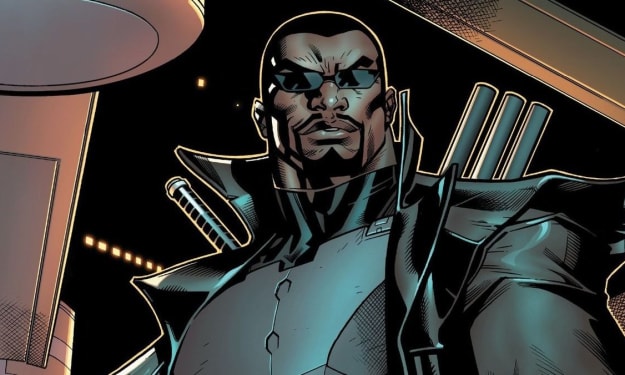
MarvelBlade Game Preview: Graphics, Storyline, Combat Style & Official Updates
Marvel’s Blade is officially returning as a video game, developed by Arkane Lyon, the studio behind Dishonored and DEATHLOOP, and published by Bethesda Softworks in collaboration with Marvel Games. The project was officially revealed at The Game Awards in 2023 and immediately drew attention due to the character’s dark, mature themes and Arkane Lyon’s reputation for immersive, story-driven experiences. The developers describe the game as a mature, single-player, third-person action-adventure, marking a new approach for the studio, which is historically known for first-person immersive games.
By Games Mode Onabout a month ago in Gamers
Strategic Depth: The Evolution of uCool’s Heroes Charge in 2025
The independent gaming sector is undergoing a period of significant expansion, with market valuations estimated at $4.85 billion in 2025 and projections suggesting a near-doubling by the end of the decade. While premium, "pay-once" models still command approximately 61% of indie revenue, the industry is increasingly defined by hybrid monetization—blending base purchases with sophisticated live-ops, cosmetic enhancements, and non-intrusive subscriptions. Within this shifting landscape, uCool stands as a prominent example of an independent studio that has successfully navigated these complexities, primarily through its enduring RPG hit, Heroes Charge.
By Cool Gamer7 days ago in Gamers



Comments
There are no comments for this story
Be the first to respond and start the conversation.