
Copa América: The Pride of South American Football
A Journey Through the History, Passion, and Legacy of the World’s Oldest International Football Tournament
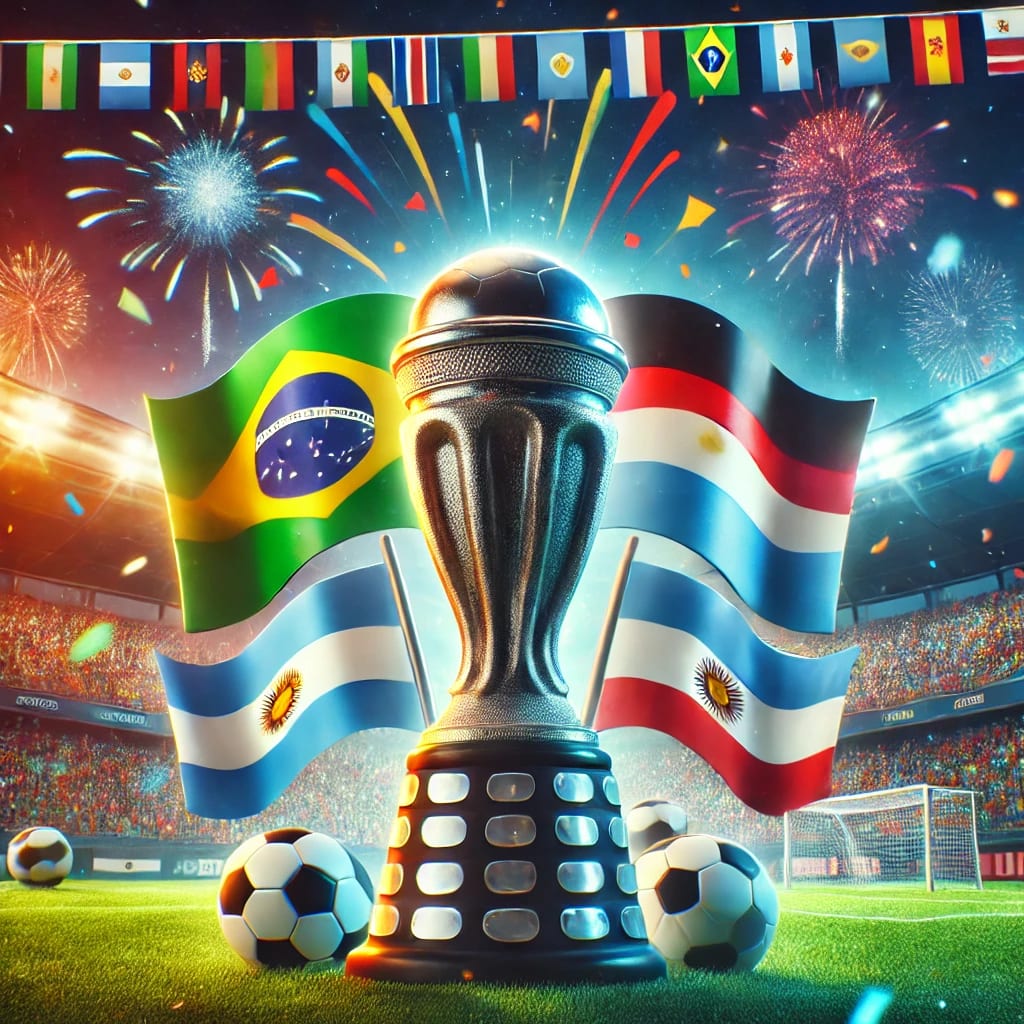
Copa América: A Celebration of South American Football
Copa América is the oldest international football tournament in the world and stands as a cornerstone of South American sporting culture. Organized by the South American Football Confederation (CONMEBOL), it brings together national teams from the continent to compete for glory in an intense and vibrant showcase of football prowess. Since its inception in 1916, the tournament has grown in prestige, becoming one of the most anticipated events in the global football calendar.
History and Origins
The Copa América was first held in Buenos Aires, Argentina, in 1916 to celebrate the centenary of Argentina's independence. The founding nations—Argentina, Brazil, Chile, and Uruguay—participated in this inaugural tournament, which Uruguay won. The tournament was initially called the South American Football Championship and was later renamed Copa América in 1975.
Over the decades, the competition expanded to include all ten CONMEBOL member nations: Argentina, Bolivia, Brazil, Chile, Colombia, Ecuador, Paraguay, Peru, Uruguay, and Venezuela. It became a biennial event before adopting an irregular schedule based on various factors, including World Cup cycles and host nation preferences.
Format and Structure
The Copa América typically features 12 or 16 teams. Alongside the ten CONMEBOL members, guest nations from other confederations are often invited to participate. Teams are divided into groups, with the top teams advancing to the knockout stages, culminating in the final match to crown the champion.
The format fosters intense rivalries and thrilling matches, often marked by high-scoring games and dramatic finishes. The tournament’s competitive nature is heightened by the passionate support of fans, who create electric atmospheres in stadiums across the host nations.
Iconic Moments and Records
Copa América has produced some of the most memorable moments in football history. Legendary players like Pelé, Diego Maradona, Zico, and Lionel Messi have graced the tournament, leaving an indelible mark on its legacy.
Uruguay holds the record for the most Copa América titles, with 15 championships, followed closely by Argentina, which has also won 15 titles after their victory in the 2021 edition. Brazil, known for its flair and dominance in world football, has won the tournament nine times.
One of the most iconic moments in Copa América history came in 1987, when Uruguay defeated Chile in Buenos Aires to win the tournament, cementing their dominance in South American football. In recent years, Lionel Messi's inspired performances during the 2021 Copa América helped Argentina end a 28-year trophy drought, further enhancing his legendary status.
Cultural and Economic Impact
Copa América transcends football, serving as a cultural celebration that unites nations across South America. The tournament highlights the rich traditions, music, and dance of the host countries, offering fans a glimpse into the diverse cultures of the continent.
Economically, the tournament generates significant revenue through ticket sales, tourism, and broadcasting rights. Host nations experience a surge in international visitors, boosting local economies and promoting their cultural heritage on a global stage.
Challenges and Controversies
Like any major sporting event, Copa América has faced its share of challenges and controversies. Scheduling inconsistencies, political interference, and logistical issues have occasionally marred the tournament. The 2021 edition, for instance, was relocated twice due to political unrest in Colombia and the COVID-19 pandemic in Argentina, ultimately being hosted by Brazil.
Despite these challenges, the tournament's enduring appeal lies in its ability to overcome adversity and deliver unforgettable footballing moments.
Copa América in the Modern Era
In the 21st century, Copa América has continued to evolve, embracing technological advancements like VAR (Video Assistant Referee) and incorporating new strategies to enhance fan engagement. The tournament's global reach has expanded, attracting millions of viewers from outside South America.
Notable recent editions include the centennial tournament in 2016, held in the United States, which featured an expanded format and celebrated the rich history of South American football. Chile's back-to-back victories in 2015 and 2016 solidified their place among the continent's footballing elite.
Future of Copa América
As South American football continues to flourish, the future of Copa América looks bright. The tournament remains a platform for emerging talents to shine and for established stars to cement their legacies. With discussions of potential collaborations with other confederations, such as joint tournaments with CONCACAF, Copa América is poised to reach new heights.
The competition's enduring appeal lies in its rich history, passionate fanbase, and unparalleled footballing talent. Whether it's the dazzling skills of Neymar, the tenacity of players like Arturo Vidal, or the sheer determination of teams like Peru and Paraguay, Copa América consistently delivers footballing excellence.
Conclusion
Copa América is more than just a football tournament; it is a celebration of South American identity, resilience, and passion. From its humble beginnings in 1916 to its status as a global spectacle, the tournament has captured the hearts of millions. As it continues to evolve and inspire, Copa América remains a testament to the unifying power of football, bringing nations together in pursuit of glory and celebration of the beautiful game.
About the Creator
Dota 2 Gameplay Review: Mastery, Strategy, and Competitive Depth
Dota 2 gameplay is defined by strategic decision-making, team coordination, and long term skill development rather than fast reflexes alone. Every match challenges players to manage resources, read the map, adapt to hero interactions, and communicate effectively under pressure. Over time, these repeated choices shape distinct playstyles and habits that go far beyond visible stats like kills or rankings. This is why many players enjoy reflecting on their in-game behavior through a Dota 2 player purity challenge based on in game behavior and mindset, which offers a clearer picture of how deeply Dota 2 influences the way the game is actually played.
By Enzo Marcelliabout 14 hours ago in Gamers
What Color Should a Rash Guard Be? A Complete Guide to Comfort, Safety, and Performance
Rash guards are no longer limited to surfing alone. Today, they are widely used for swimming, fitness training, Brazilian Jiu-Jitsu (BJJ), MMA, outdoor sports, and kids’ activities. While most people focus on fit and fabric, one common and important question is often overlooked: what color should a rash guard be?
By Sophie Blogs7 days ago in Gamers
Silver Screen Magic with Mae West
American actress and singer Mae West became a popular film actress during the Great Depression. She started entertaining in vaudeville, then performed on Broadway, and finally went to Hollywood. She signed up with Paramount Pictures and made her debut in the 1932 film “Night After Night.” She also starred in musicals, comedies, and crime dramas. The American Film Institute named her one of the best classic Hollywood actresses.
By Rasma Raisters6 days ago in Geeks


Comments (1)
Brilliant ✍️🏆♦️♦️♦️♦️