
What Color Should a Rash Guard Be? A Complete Guide to Comfort, Safety, and Performance
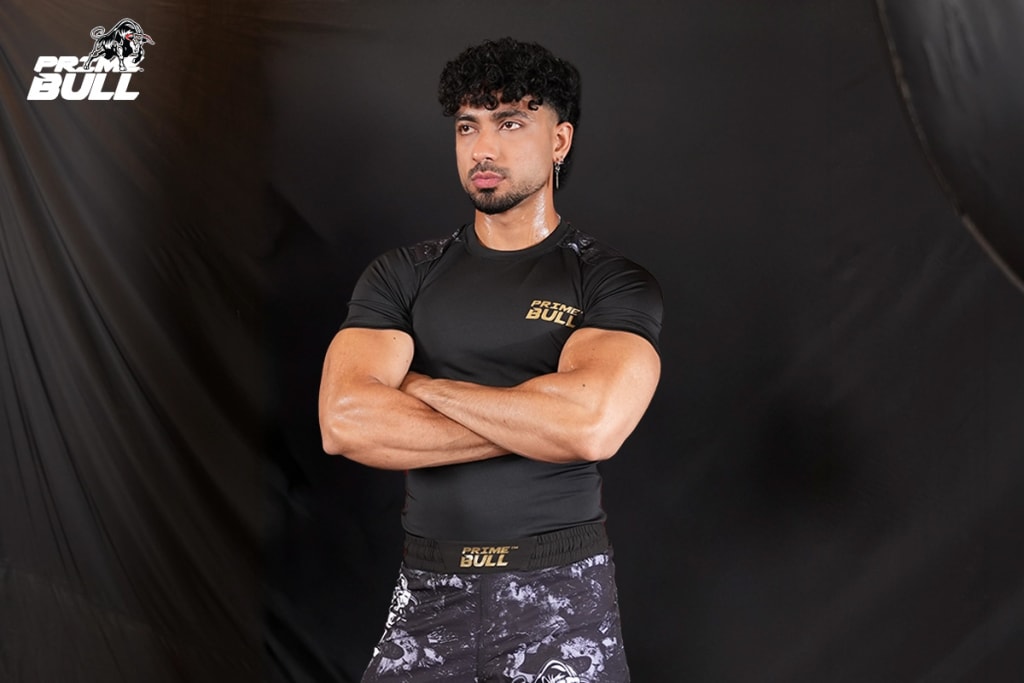
Rash guards are no longer limited to surfing alone. Today, they are widely used for swimming, fitness training, Brazilian Jiu-Jitsu (BJJ), MMA, outdoor sports, and kids’ activities. While most people focus on fit and fabric, one common and important question is often overlooked: what color should a rash guard be?

Rash guards are no longer limited to surfing alone. Today, they are widely used for swimming, fitness training, Brazilian Jiu-Jitsu (BJJ), MMA, outdoor sports, and kids’ activities. While most people focus on fit and fabric, one common and important question is often overlooked: what color should a rash guard be?
Color is not just about style. It can affect sun protection, heat control, visibility, durability, hygiene, and even compliance with training or competition rules. Choosing the right rash guard color can improve comfort, enhance safety, and extend the life of the garment.
This guide explains everything you need to know about rash guard colors and how to choose the right one based on activity, environment, and personal needs.
Why Rash Guard Color Matters: What Color Should a Rash Guard Be?
At first glance, rash guard color may seem like a personal preference, but it plays a functional role in performance and protection. Understanding what color a rash guard should be can impact comfort, safety, and durability. The color of a rash guard can influence:
• UV and sun protection
• Heat absorption and cooling
• Visibility in water or outdoor environments
• Sweat visibility and cleanliness
• Longevity and fading
• Suitability for sports or academy rules
Considering these factors helps you make a smarter and more practical choice when selecting a rash guard.
What Color Should a Rash Guard Be for Sun Protection and Outdoor Use?
Sun exposure is one of the most important reasons people wear rash guards, especially for swimming, surfing, and beach activities.
Dark Colors and UV Protection
Darker-colored rash guards generally provide better protection against ultraviolet (UV) rays. Colors such as black, navy, dark green, and charcoal absorb more UV radiation before it reaches the skin.
When paired with tightly woven, UPF-rated fabric, dark colors are highly effective for:
• Beach activities
• Surfing and paddle boarding
• Outdoor swimming
• Long hours in direct sunlight
Light Colors and Sun Exposure
Light colors like white, yellow, or pastel shades reflect visible light, which may feel cooler in some conditions. However, if the fabric is thin, these colors can allow more UV rays to pass through.
For outdoor use, light-colored rash guards should always be:
• Made from thick, high-quality fabric
• UPF-rated for sun protection
Best Colors for Outdoor Sun Protection
• Black
• Navy blue
• Dark gray
• Deep red
These colors offer a strong balance of protection and durability when used outdoors.
What Color Should a Rash Guard Be for Training, Sports, and Everyday Wear?
For indoor and high-intensity sports, color choice is more about performance, hygiene, and practicality than sun exposure.
Gym, MMA, and Fitness Training
During workouts, sweat management and appearance matter. Dark-colored rash guards are preferred because they:
• Hide sweat stains
• Maintain a clean, professional look
• Resist visible wear over time
Recommended colors for gym and fitness training include black, navy, charcoal, and dark blue.
Brazilian Jiu-Jitsu and Martial Arts
In combat sports like Brazilian Jiu-Jitsu, rash guards are essential gear. Color choice is often influenced by academy rules and competition standards.
Dark colors are ideal for BJJ because they:
• Hide sweat and mat contact marks
• Reduce visible fabric stretching
• Look clean throughout training sessions
Many academies also require specific colors, such as black, white, or blue, or belt-ranked rash guards for competitions.
Rash Guard Colors for Water Sports and Safety
When wearing a rash guard in open water, visibility becomes an important safety factor.
Bright Colors for Visibility
Bright-colored rash guards are easier to spot in the water, which can be helpful in:
• Open water swimming
• Surf zones
• Crowded beaches
• Group activities
High-visibility colors include:
• Neon green
• Bright orange
• Yellow
• Red
These colors stand out against blue water and can make it easier for lifeguards or companions to see you.
What Color Rash Guard Is Best for Kids?
For children, rash guard color should balance safety, comfort, and durability.
Visibility and Safety
Bright colors make it easier for parents and instructors to keep track of kids at pools, beaches, and sports facilities.
Practicality and Durability
Darker colors are more forgiving when it comes to stains, grass marks, and frequent washing.
Best Colors for Kids Rash Guards
• Bright blue
• Green
• Red
• Navy or black for sports training
Choosing fun but practical colors encourages kids to wear rash guards consistently.
Rash Guard Color for Toddlers
Toddlers have more sensitive skin and often spend extended time in water or direct sunlight.
The best rash guard colors for toddlers are:
• Bright enough for easy spotting
• Dark enough to assist with UV protection
• Made with soft, UPF-rated fabric
While color helps, fabric quality and sun protection rating are the most important factors for toddlers.
Does Rash Guard Color Affect Heat and Comfort?
Color can influence how much heat a rash guard absorbs, but it is not the only factor.
Light Colors and Cooling
Light colors reflect sunlight and may feel cooler in direct sun, especially during casual or low-intensity activities.
Dark Colors and Performance
Although dark colors absorb heat, modern rash guards are designed to be breathable and moisture-wicking. During intense training, fabric technology matters more than color.
In most cases, a high-quality dark rash guard will still feel comfortable during workouts.
Hygiene and Rash Guard Color
While color does not directly affect hygiene, it does affect how clean a rash guard looks.
• Dark colors hide sweat and stains better
• Light colors show dirt and sweat more easily
Regardless of color, rash guards should always be washed after each use to prevent bacteria buildup and odor.
Rash Guard Color and Longevity
Some colors last longer than others due to fading and discoloration.
Colors That Last Longer
• Black
• Navy
• Dark gray
Colors That Fade Faster
• White
• Neon shades
• Pastel colors
If long-term use and durability are priorities, darker shades are usually the better choice.
Style, Personal Preference, and Branding
Style still plays a role in choosing a rash guard color. Some people prefer:
• Matching rash guards with shorts or spats
• Team or academy colors
• Simple, neutral designs
• Bold and modern patterns
As long as the color suits the activity and meets any rules, personal preference is perfectly acceptable.
Common Mistakes When Choosing Rash Guard Colors
Many people choose rash guard colors without considering function.
Mistakes to Avoid
• Choosing thin white rash guards for intense sun exposure
• Ignoring gym or competition color rules
• Prioritizing appearance over comfort and safety
• Assuming color is more important than fabric quality
Always consider how and where the rash guard will be used.
Final Verdict: What Color Should a Rash Guard Be?
So, what color should a rash guard be? The answer depends on your activity, environment, and personal needs.
Quick Recommendations:
• Sun protection: Dark colors like black and navy
• Hot weather: Light gray or light blue with quality fabric
• Training and BJJ: Black, navy, charcoal
• Water safety: Bright, high-visibility colors
• Kids and toddlers: Bright for safety, dark for durability
In the end, fit, fabric quality, and intended use matter more than color alone, but choosing the right color can significantly improve comfort, safety, and performance.
About the Creator
Keep reading
More stories from Sophie Blogs and writers in Gamers and other communities.
Men’s Workout Shorts: Polyester vs Spandex — What Works Best?
If you are an athlete actively engaged in workouts—whether weightlifting, cardio, or functional training—you already understand the importance of wearing proper athletic gear. One of the most overlooked pieces of training apparel is workout shorts. Wearing men’s workout shorts that fit well can make a noticeable difference by improving comfort, confidence, and overall performance in the gym or on the mat.
By Sophie Blogs20 days ago in Gamers
Once Human x Palworld Crossover: A Deep Dive into the Post-Apocalyptic Pal Adventure
The survival gaming landscape witnessed a seismic shift when NetEase Games announced an unprecedented partnership between its supernatural survival title, Once Human, and the creature-collecting phenomenon, Palworld.
By Richard Bailey7 days ago in Gamers
How to Get the Vortex Beater in Palworld: Sealed Realm of Terraria Guide
The endgame of Palworld has evolved significantly with the introduction of the crossover-inspired dungeons, and nothing captures the imagination of players quite like the Sealed Realm of Terraria.
By Richard Baileyabout 15 hours ago in Gamers
Miss Persephone's Manual to a Seemingly Ordinary Life
Miss Persephone was found at the dining table, her blue eyes swollen, her tears arriving and retreating like the tides of the ocean. Earlier that day, her family had visited her in the retirement home where she had lived for eight years. It was her eightieth birthday.
By Imola Tóth2 days ago in Fiction


Comments
There are no comments for this story
Be the first to respond and start the conversation.