
Two Dead in Arizona Mid-Air Collision as Aviation Faces a Tense Period
On Wednesday, February 21, two people lost their lives after two small planes collided mid-air near Marana Regional Airport in Arizona, approximately 21 miles northwest of Tucson. This tragic incident marks the second deadly airport crash in Arizona within just nine days and adds to a growing list of aviation accidents that have occurred across the United States and Canada over the past month. The series of incidents has raised significant concerns about aviation safety, particularly at smaller, uncontrolled airports.
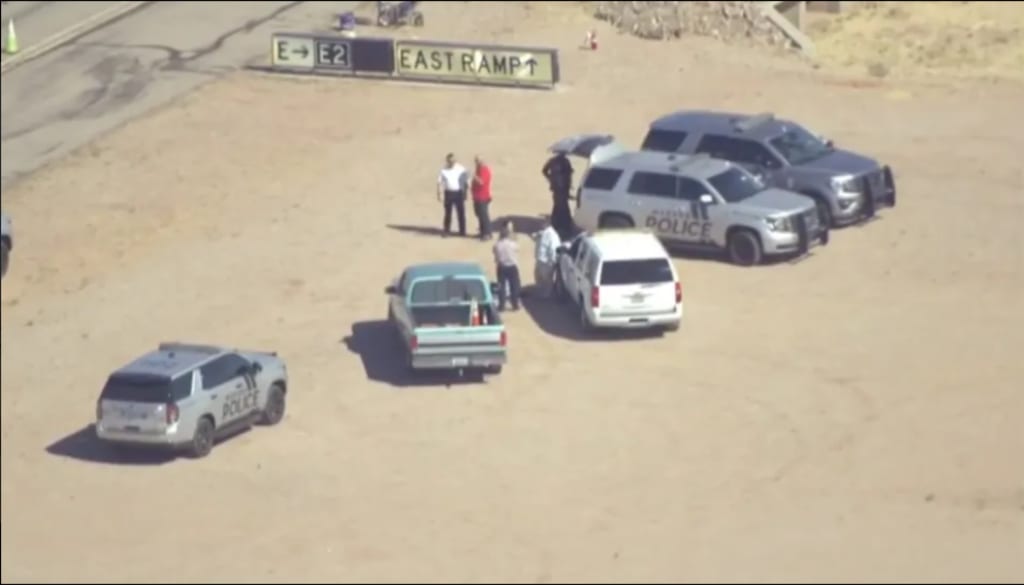
The collision occurred at around 8:28 a.m. local time and involved two small, single-engine aircraft: a Lancair 360 MK II and a Cessna 172S. Each plane had two people on board. According to the National Transportation Safety Board (NTSB), the planes collided while flying upwind of Runway 12. The Cessna managed to land safely, but the Lancair crashed near Runway 3, bursting into flames upon impact. The two individuals aboard the Lancair tragically lost their lives, while the occupants of the Cessna survived.
Marana Regional Airport, where the collision occurred, is an uncontrolled airfield, meaning it does not have an air traffic control tower. Pilots operating in such environments rely on visual flight rules (VFR) and communicate directly with each other to avoid accidents. The absence of a control tower has sparked questions about safety protocols at smaller airports, particularly as traffic increases and the skies become more crowded.
This incident is the latest in a troubling series of aviation accidents over the past month. On January 29, a regional American Airlines flight collided with a U.S. Army Black Hawk helicopter near Ronald Reagan Washington National Airport, resulting in the deaths of all 67 people on both aircraft. Just two days later, a medical transport plane crashed in Philadelphia, killing all six people on board and one person on the ground. On February 6, a small plane carrying 10 people crashed in Alaska, leaving no survivors. Then, on February 10, two private jets collided at Scottsdale Airport in Arizona, killing one person and injuring four others. Most recently, on February 19, a Delta Air Lines jet crash-landed in Toronto, injuring 18 people.
These incidents have reignited debates about aviation safety, particularly for smaller aircraft and regional airports. While commercial aviation remains one of the safest modes of transportation, smaller planes and uncontrolled airports face unique challenges. Experts are calling for enhanced safety measures, including improved pilot training, better communication systems, and stricter maintenance regulations. The lack of air traffic control at smaller airports, like Marana, has been highlighted as a potential risk factor that needs addressing.
The NTSB and the Federal Aviation Administration (FAA) are currently investigating the Marana collision. Their investigation will focus on several factors, including pilot error, mechanical issues, and communication breakdowns. The findings could lead to recommendations for improving safety at uncontrolled airports and preventing similar tragedies in the future.
Behind every aviation accident are stories of lives lost and families forever changed. The victims of the Marana crash have not yet been publicly identified, but their deaths serve as a stark reminder of the inherent risks of flying, even with modern technology. In the case of the Scottsdale collision, the pilot who died was remembered as a skilled and experienced professional. The Alaska crash, which claimed the lives of 10 people, included individuals from remote villages who relied on small planes for essential transportation. These aircraft are often the lifeline for isolated communities, connecting them to medical care, supplies, and the outside world.
The recent spate of accidents underscores the need for the aviation industry to address these challenges head-on. While commercial aviation has made significant strides in safety over the decades, smaller aircraft and regional airports have not always kept pace. Solutions could include mandatory installation of advanced communication and collision-avoidance systems, increased funding for airport infrastructure, and more rigorous pilot training programs. Additionally, the FAA may need to reconsider the regulations governing uncontrolled airports to ensure they can safely accommodate growing air traffic.
For now, the focus remains on supporting the families of the victims and learning from these tragedies to prevent future incidents. The aviation industry must balance the need for accessibility and convenience with the imperative of safety. As investigations continue, the hope is that these accidents will serve as a catalyst for meaningful change, ensuring that the skies remain safe for all who travel them.
In the meantime, the Marana collision and the other recent accidents serve as a sobering reminder of the risks associated with flying, particularly in smaller aircraft. While aviation remains a remarkable achievement of human ingenuity, it is not without its dangers. The industry must continue to evolve, adopting new technologies and practices to mitigate these risks and protect the lives of those who take to the skies.
About the Creator
A Failed Artist, A Disillusioned Poet, An Underpaid Game Show Host
I took my son and niece to Gori, a small town in Georgia where Joseph Stalin was born. They talked me into visiting the Stalin's Museum, the largest in the post-Soviet space. I had resisted going there because I just can't stand the monster and know enough about him, or so I thought.
By Lana V Lynx26 days ago in FYI
Who Could Be The Next Leader of Iran
As the cameras roll and analysts sharpen their talking points, the United States appears to be quietly assembling the pieces for a major military move in the Middle East—one that, if carried through, could aim directly at the heart of Iran’s political system. Whether this buildup ultimately leads to the removal of Ali Khamenei, Iran’s Supreme Leader, remains uncertain. Even senior officials in Washington admit as much. But the harder question, and the one that matters most, isn’t how such a move would happen. It’s what comes after.
By Lawrence Lease3 days ago in FYI



Comments
There are no comments for this story
Be the first to respond and start the conversation.