
The Real Santa Claus: Unraveling the History Behind the Legend
The Real Santa Claus: Unraveling the History Behind the Legend

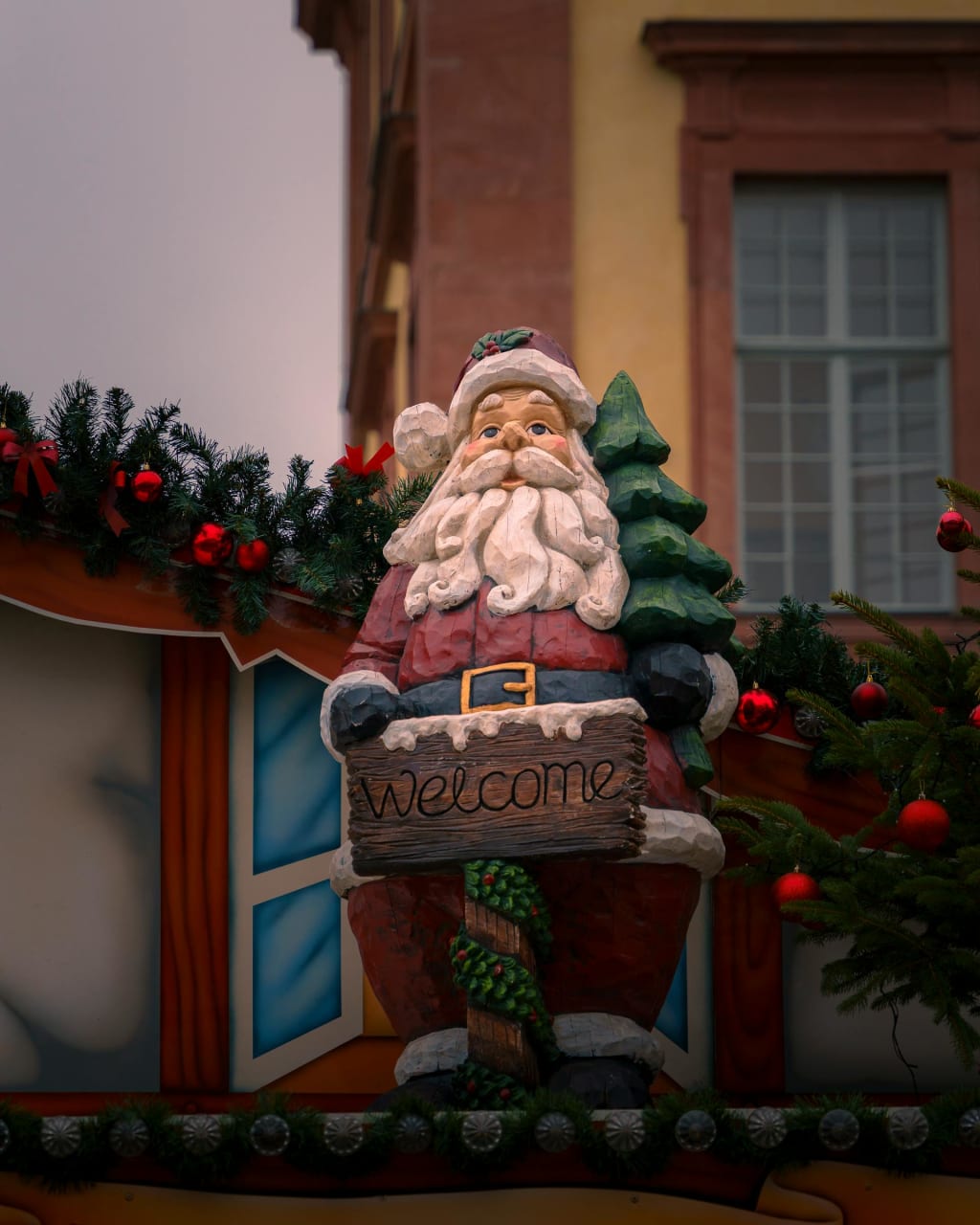
Santa Claus, the jolly old man with a red suit and a sack of toys, is one of the most beloved figures in global folklore. But was Santa Claus a real person, or is he purely a product of myth and commercialization? The answer lies in history, where a real man named Saint Nicholas served as the inspiration for the modern-day Santa. This article explores the origins of Santa Claus, his transformation over centuries, and the enduring magic of this cherished character.
The Historical Saint Nicholas
The story of Santa Claus begins with Saint Nicholas, a Christian bishop born around 270 AD in the town of Patara, located in modern-day Turkey. Nicholas was known for his piety, kindness, and generosity, which earned him widespread admiration during his lifetime.
As the Bishop of Myra, Nicholas dedicated himself to helping those in need, especially children and the poor. His most famous act of generosity involved secretly delivering bags of gold to a destitute father who could not afford dowries for his three daughters. This act of kindness saved the girls from a grim fate and cemented Nicholas's reputation as a protector and benefactor.
Nicholas’s life became the foundation for many legends. After his death on December 6, 343 AD, he was canonized as a saint, and his feast day became a celebration of charity and giving. Over time, his story spread across Europe, evolving into various regional traditions.
The Transformation of Saint Nicholas
The figure of Saint Nicholas underwent significant changes as his story traveled from Europe to America. During the Middle Ages, his veneration became especially popular in Holland, where he was known as Sinterklaas. Dutch children left their shoes out on the eve of his feast day, expecting small gifts or treats if they had been good.
When Dutch settlers arrived in America in the 17th century, they brought the Sinterklaas tradition with them. Over time, the name evolved into "Santa Claus," and the character began to take on traits of other mythical gift-givers.
The 19th century marked a turning point for Santa Claus's image. In 1823, the publication of the poem A Visit from St. Nicholas (commonly known as The Night Before Christmas) by Clement Clarke Moore played a crucial role in shaping the modern Santa. The poem introduced key elements, such as Santa's sleigh, his reindeer, and his role as a magical deliverer of toys on Christmas Eve.
Santa Claus in Modern Culture
The Santa Claus we recognize today—a rotund, cheerful man in a red suit trimmed with white fur—owes much of his appearance to the work of political cartoonist Thomas Nast. In the late 1800s, Nast created illustrations of Santa Claus for Harper’s Weekly, solidifying his iconic look.
In the 20th century, Santa's image was further popularized by Coca-Cola advertisements. Starting in the 1930s, artist Haddon Sundblom depicted Santa as the jolly, rosy-cheeked figure we know today, enjoying a Coke in hand. These advertisements played a major role in embedding Santa's image in global culture.
The Spirit of Santa Claus
While Santa Claus has evolved into a commercial icon, his story still carries deep meaning for many. At its core, the legend of Santa Claus represents the values of generosity, kindness, and the joy of giving.
Santa’s message transcends cultural and religious boundaries. In non-Christian countries, such as Japan, the figure of Santa has been embraced as part of a secular celebration of Christmas, symbolizing goodwill and happiness.
Was Santa Claus Real?
So, was Santa Claus real? The answer is both yes and no.
Saint Nicholas, the historical figure behind Santa Claus, was undeniably real. His acts of charity and his legacy as a protector of the poor and children are well-documented. However, the Santa Claus we see today is a blend of myth, cultural evolution, and artistic interpretation.
The beauty of Santa Claus lies in his ability to adapt to different times and places while maintaining his core message. Whether he is climbing down chimneys in America, riding a sleigh in Europe, or delivering presents by boat in some countries, Santa remains a symbol of hope and joy for people of all ages.
The Modern Debate
In recent years, debates have emerged about the role of Santa Claus in contemporary culture. Some argue that Santa has become overly commercialized, overshadowing the religious and spiritual aspects of Christmas. Others view him as a harmless and joyful tradition that brings families together during the holiday season.
Many parents grapple with the decision of whether to tell their children that Santa is "real." While some embrace the magic of Santa, others choose to focus on the historical Saint Nicholas to teach lessons about generosity and kindness.
Santa Claus Around the World
Santa Claus has different names and variations across the globe. In Russia, he is known as Ded Moroz (Grandfather Frost), who delivers gifts with the help of his granddaughter, Snegurochka. In Italy, children eagerly await La Befana, a kindly witch who leaves treats in their stockings. Meanwhile, in Germany, Christkind—an angelic figure—takes on the gift-giving role.
These diverse interpretations highlight the universal appeal of Santa’s story. No matter the name or form, the essence of Santa Claus remains the same: spreading joy and kindness.
Conclusion
The story of Santa Claus is a fascinating blend of history, legend, and cultural adaptation. Rooted in the life of Saint Nicholas, a real man known for his selflessness, Santa has transformed into a global symbol of holiday cheer.
Whether you see Santa as a mythical figure or a historical inspiration, his message of generosity and goodwill continues to resonate. In a world often marked by challenges, Santa Claus reminds us of the power of kindness, the joy of giving, and the magic of believing.
As you celebrate the holiday season, remember that the true spirit of Santa lies not in the presents he delivers but in the love and generosity he represents—a timeless gift for all.
About the Creator
Keep reading
More stories from mariam elghazaly and writers in FYI and other communities.
The Baron’s Palace in Egypt: A Tale of Mystery, Terror, and Timeless Intrigue
Nestled in the heart of Heliopolis, Cairo’s upscale district, the Baron Empain Palace, or simply "The Baron's Palace," stands as an architectural masterpiece shrouded in myth and mystery. Built in the early 20th century, this iconic mansion is as famous for its grandeur as it is for the spine-chilling tales that surround it. What began as the dream home of a Belgian aristocrat has transformed over the decades into a hotspot for ghost stories, urban legends, and paranormal enthusiasts.
By mariam elghazalyabout a year ago in History
Indonesia E-commerce Market: Online Retail Expansion, Digital Payments, and Consumer Adoption
According to IMARC Group’s latest research publication, the Indonesia e-commerce market size reached USD 386.8 Billion in 2025. Looking forward, the market is expected to reach USD 813.8 Billion by 2034, exhibiting a compound annual growth rate (CAGR) of 8.62% during 2026–2034.
By Abhishek Rastogi7 days ago in FYI




Comments
There are no comments for this story
Be the first to respond and start the conversation.