
The Digital Afterlife: Who Controls Our Memories When We're Dead?
Exploring the ethical, cultural, and technological implications of digital immortality and the preservation of memories after death.

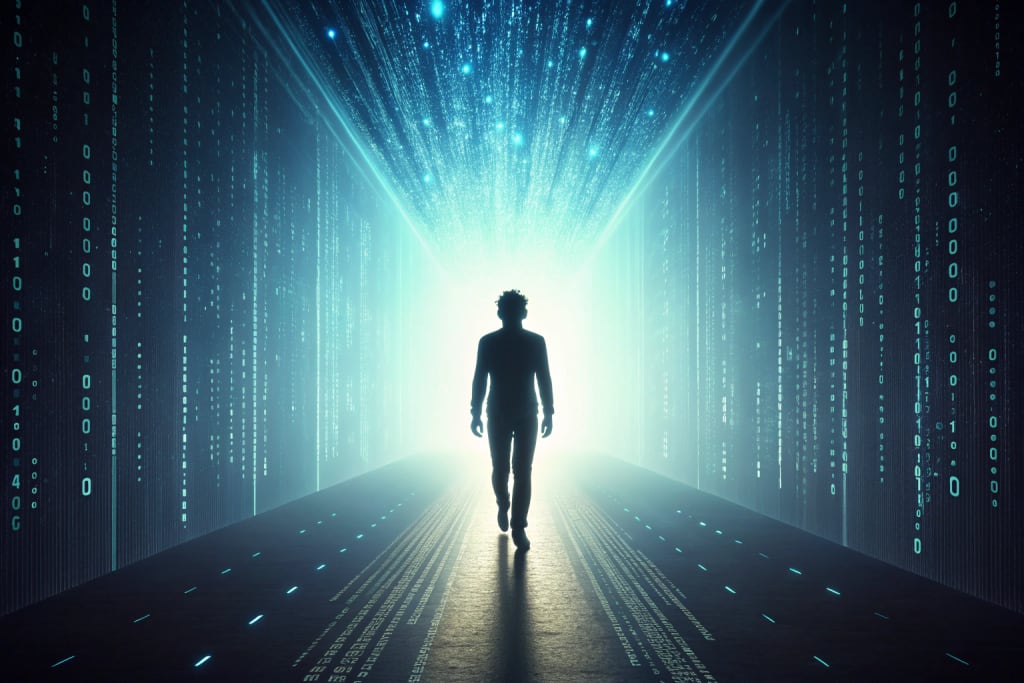
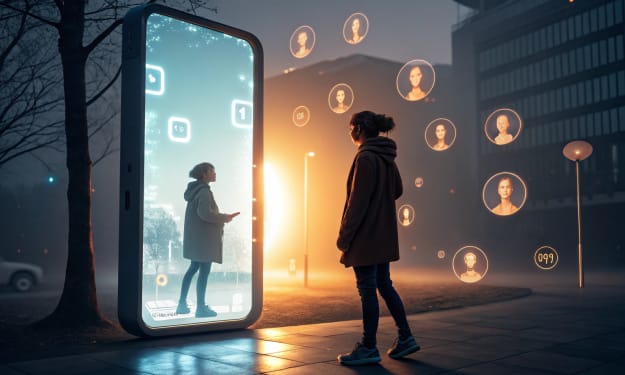
Late at night, you might receive a notice on your phone—a message, a photo, a video. It's from one you loved, one who has passed away. And yet, there it is, a phantom reminder of a life that now exists no longer in the physical sense. These digital footprints of our social network sites, our pictures, our messages, and our online conversations last beyond us for centuries after we have departed. They represent a new kind of existence: a virtual afterlife. This world parodies the nature of memory, identity, and death, forcing us to confront core questions about who we are, who owns our stories, and whether some forms of immortality are ever morally possible.
The digital afterlife is not just a theoretical concept; it is already unfolding around us. Friends tag us in posts long after our deaths, images of loved ones continue to populate feeds, and algorithms compile our data into new forms of interaction. While some find comfort in these lingering traces, others find them unsettling, even invasive. They exist in a liminal space, straddling the line between remembrance and intrusion, between tribute and exploitation.
A Brief History of Memory Preservation
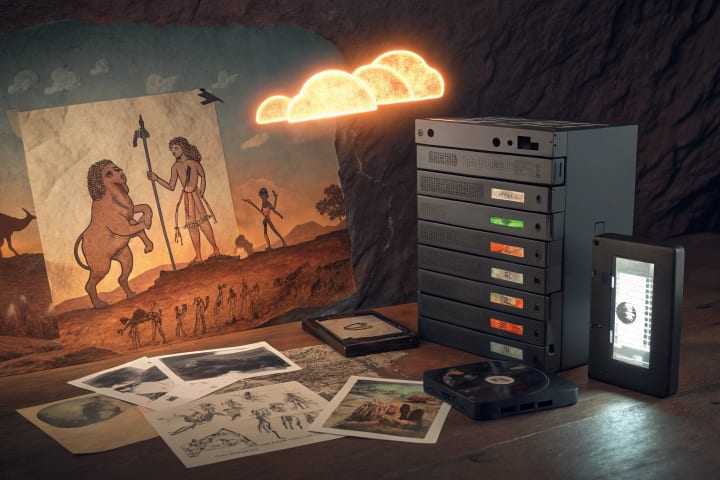
To gain insight into the digital afterlife, it is useful to appreciate the long human interest in memory preservation. Oral traditions sustained ancient cultures, passing on history, tales, and lessons from one generation to the next orally. Oral traditions were not entertainment; they were lifelines of culture. They allowed societies to have a sense of continuity, to honor people in the past, and to transmit wisdom through time. Memory itself was shared, and its continuation depended on active engagement by the living.
The invention of writing was a decisive turning point. Scrolls, manuscripts, and written texts allowed a longer memory, by which means ideas and facts could survive beyond the limits of human memory. Civilizations inscribed laws into stone, inscribed sacred texts on parchment, and chronicled histories meticulously. But even these tangible records were vulnerable: libraries burned down, scrolls perished, and knowledge got lost.
Photography had transformed the preservation of memory in the 19th century. A picture could freeze a momentary movement, holding it in perpetuity for generations to see. Portraits were cherished keepsakes; albums of the family chronicled lives with unexampled detail. And while photographs preserved our faces, they stayed inanimate. They might indicate the appearance of a person, but never the sound, the laughter, or the way they navigated life.
Digital technology has brought about a revolution in this field. Today, our lives are documented in endless virtual spaces. Social media profiles, cloud storage, emails, and chat history accumulate gigantic archives of personal life. These digital archives are different from old photographs in a dusty album because they are interactive and permanent. They can be shared, searched, and, in many ways, immortal. They never get worse with age; they persist in servers throughout the world, generally well beyond the time the people who made them are dead.
The Persistence of Digital Profiles
When one dies, their digital life does not disappear. Facebook pages remain; photos, videos, and messages continue online, sometimes for a few years. It becomes space where friends and family can grieve—a cyberspace memorial. Posts can be written in remembrance, comments can be made as condolences, and pages can be made virtual memorials.
But the persistence of digital remains also raises hard questions. Whose digital remains are they? Should we maintain the information indefinitely, or would it at some point need to be deleted so the living could move on? How do we make sense of the unsettling experience of encountering one person's digital shadow when we can no longer encounter them in the flesh?
Different platforms handle digital remains in divergent ways. Some offer the ability to memorialize an account, lock it out but save the profile as a space to remember. Others offer the capability for contacts to inherit a deceased person's account. But there is no norm, and many platforms don't know how long one's digital life has to stay online, or who gets control of it.
The Rise of AI-Driven Memorials
Artificial intelligence has introduced a new and even more controversial aspect of the digital afterlife. AI memorials—also known as griefbots or dead chatbots—are memorials that can replicate conversations with the deceased based on their online record. They read messages, social media posts, and other online data to simulate a person's speaking patterns, tone, and character.
For some people, talking to such AI simulations is soothing. They offer a means of remaining in touch, a chance to speak up what has not been spoken. They allow one to recall, come back, and even "speak" to the dead. Therapeutically, in certain cases, they are used to help persons deal with grief and loss, for they bring a space where emotions can be worked out.
It is raising profound ethical concerns. Does a virtual replica of a deceased individual really contain them, or is it merely an algorithm-driven simulation? Is it possible for the dead to consent to the creation of such an interactive presence, and do they need to be asked permission? What if these AI beings are used commercially or for purposes that deface the memory of the person they simulate? There exists significant potential for exploitation, particularly where commercial interests converge with tragedy.
Ethical Challenges of Digital Resurrection
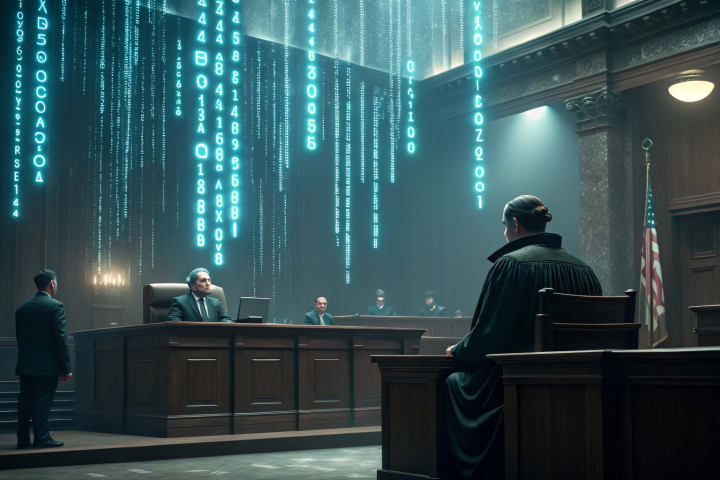
The dream of digital resurrection—the attempt to bring back some form of the deceased—obliges us to confront problems which are located at the intersection of philosophy, technology, and law. Consent remains paramount: someone can only agree to a digital afterlife whilst alive, but death renders them incapable of revoking or withdrawing that consent. Revivals created by AI can unconsciously or consciously misrepresent personality, values, or beliefs, producing digital avatars that might be different from what exists.
Other than consent, there is authenticity. There is no algorithm, no matter how sophisticated, that can ever reproduce the richness, variability, and richness of human consciousness. Such simulations can feel real for an instant, but in reality are simulations, and the unsettling risk is that the people left behind may be talking with a projection and not an extension of life. Psychologists warn this may complicate grief, planting attachment to a presence ultimately inauthentic.
The law in every corner of the globe continues to encompass these problems under its umbrella. The deceased have little say in cyberspace, and personal details become vulnerable to exploitation. Without it, there is space for exploitation—be it monetary, research-based, or otherwise—commodifying digital corpses as a product rather than a cherished memory.
Economic Implications of Posthumous Data Ownership
The virtual afterlife is an economic consideration, too. Our data have value, and they do not vanish at death. Companies can monetize digital profiles in a variety of ways: targeted advertising, personalized content, or selling digital archives to other parties. AI companies even employ deceased individuals' data to train programs that generate interactions, further blurring the distinction between human recollection and commercial gain.
This raises questions of ownership and control. Do we actually own our online personas, and for how long? Whom should have the right to guide, sell, or alter our digital leftovers? Without explicit legal stipulations, digital afterlives can be sites of economic exploitation, where individual histories are exploited for gain rather than left behind for reasons of sentiment or culture.
Cultural Perspectives on Digital Immortality
Attitudes towards digital immortality are unimaginably varied culturally. For some, the continuation of the existence of ancestors is a religious tradition. Online memorials may be new forms of ancient rituals, where heirs are permitted to maintain relationship with the deceased alive. In some environments, digital immortality will be eyed suspiciously as an unnatural action to escape the finality of death.
For instance, some Asian cultures merge virtual spaces into ancestor worship, with altars being set up in cyberspace where deceased and family are both honored. Western perspectives are more likely to emphasize privacy, consent, and the sanctity of the border between life and death, rendering large-scale acceptance of digital resurrection more controversial.
These cultural distinctions highlight the need for cautious approaches. Technology does not exist in isolation; it intersects with deeply rooted beliefs regarding mortality, ethics, and identity. The way that we go about the digital afterlife must consider these various outlooks, balancing innovation and respect for human values.
The Blurring of Life and Death
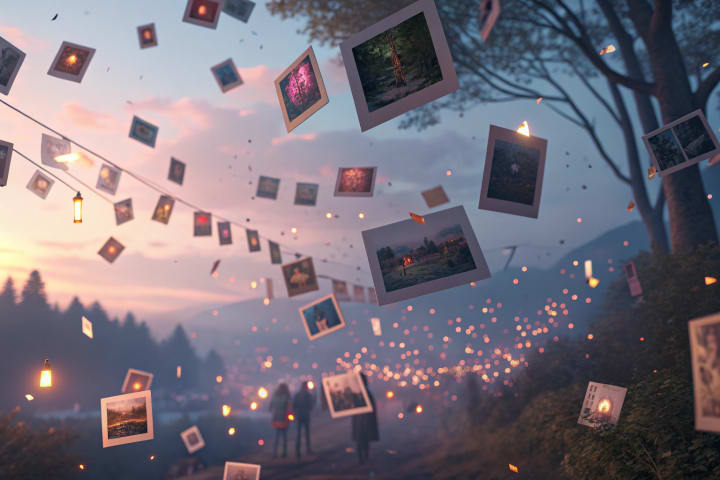
The virtual afterlife unsettles classical ideas of mortality. Death used to be a final limit. Nowadays, our online lives remain, engage, and affect the world of the living. Images, texts, and AI simulations generate vibrations that remain, providing new kinds of presence both reassuring and disorienting.
This blurring provokes basic questions regarding what it is to be alive. If our online selves keep interacting with the world, do they represent some sort of extended existence? And if that is the case, how does this redefine memory, legacy, and the human condition?
Conclusion: Preservation, Exploitation, or Unsettling Blurring?
The cyberafterlife exists in a liminal space between technology and memory, death and life, simulation and reality. It offers preservation and communication, making memories live on after death. But it also threatens harm: ethical ambiguity, economic exploitation, psychological complication.
As we continue making and interacting with digital footprints of the deceased, we need to ask: Are we constructing remembrance technology, or earning money from the lives of those no longer able to provide their consent? Is digital immortality a blessing, a curse, or a disturbing reflection of our desire to resist the universality of death?
Ultimately, the digital afterlife is a reflection of our evolving relationship with memory, identity, and mortality. It makes us confront painful truths about how we live, how we remember, and how we remember the dead. As technology rushes forward, these questions will become only more urgent. The challenge to us is not merely to preserve memories, but to navigate this new world of ours with wisdom, compassion, and manners—to the living and to the digital echoes of the departed.
About the Creator
The Chaos Cabinet
A collection of fragments—stories, essays, and ideas stitched together like constellations. A little of everything, for the curious mind.
Keep reading
More stories from The Chaos Cabinet and writers in FYI and other communities.
Digital Identity: How Social Media Shapes Who We Think We Are
In the contemporary hyperconnected age, the line between who we are offline and who we are online is increasingly blurry. The same person can be present in multiple digital spaces, each with their own rules, audience, and expectations. On Instagram, for example, one might have a carefully styled feed showcasing travel, achievement, and social success. On Twitter, they may post witty observations or political opinions. On LinkedIn, they market professional successes, expertise, and ambition. Each site demands a slightly different version of self—a virtual self intended to engage, impress, or influence.
By The Chaos Cabinet3 months ago in Humans



Comments
There are no comments for this story
Be the first to respond and start the conversation.